


 Slovenčina
  English (UK)
  Русский
  العربية
  日本語
日本語  한국어
한국어  Magyar
  Türkçe
  Español
  Čeština
  Svenska
  Português
  Ελληνικά
  Suomi
Suomi  Nederlands
  Română
  Italiano
  Français
  Polski
  Українська
  Deutsch
  简体中文
简体中文 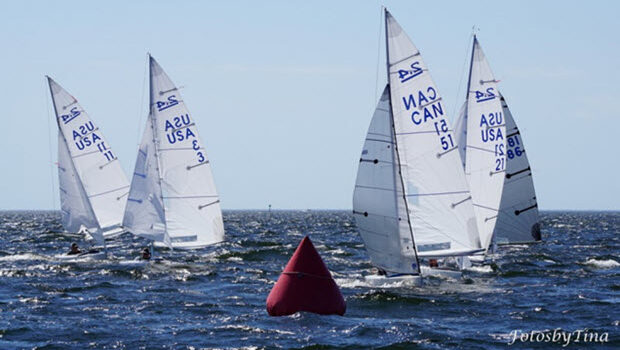 Why the 2.4mR Works for Competitive Singlehanded Sailing">

Trailerability and event logistics: a practical start
At the February Midwinters in Port Charlotte, Florida, fleets demonstrated that a pair of 2.4mR boats can be towed behind a standard SUV, enabling competitors to travel to regattas without heavy trailers or commercial logistics. This ease of transport reduces costs, simplifies event planning, and lets clubs schedule regional regatta groupings with lower travel burdens for sailors.
The 2.4mR as a technical, low‑physicality singlehander
Stránka 2.4mR is sailed from inside the hull and driven primarily with foot controls, placing primary emphasis on tactical skill rather than raw athletic power. The layout centralizes controls at the fingertips, making rig tuning and sail shaping immediately accessible to the helm. Key performance factors include:
- Starting performance and course management
- Rig tuning and precise setup
- Sail shape optimization for variable conditions
- Boat preparation and consistent maintenance
- Reading shifts and local pressure patterns
Performance without body‑weight advantage
Because the design minimizes hiking and body‑weight leverage, fleet results hinge on small adjustments and consistency. Sailors with differing physical profiles therefore can compete on more equal terms, shifting the competitive edge to preparation, tactics, and sail trim.
Learning curve and campaign demands
Competitors who campaign a 2.4mR find the boat rewards iterative learning. Over a multi‑event season, improvements come from systematic changes rather than single breakthroughs. Areas where campaigners focus include:
- Fine‑tuning the rig to change helm balance
- Adapting sail shape to chop, swell, and variable wind
- Developing racecourse tactics for a low‑freeboard, sensitive hull
- Establishing repeatable pre‑race preparation routines
Practical prep checklist
Successful campaigns often use a short preparation checklist before each regatta:
- Confirm mast step and fittings are within class tolerances.
- Set baseline rig tune for expected wind range.
- Test sail controls while afloat to ensure smooth purchase.
- Conduct a weight‑and‑trim review to optimize helm balance.
Community and class culture
Stránka 2.4mR class cultivates a collaborative environment: daily debriefs, open sharing of setup notes, and mentorship between experienced skippers and newcomers are common. This cooperative culture lowers barriers to entry and accelerates learning, which in turn improves fleet depth and event quality. Class organizers intentionally schedule regional events to spread travel demands and sustain year‑round competition.
Class support mechanisms
- Regional regatta groupings that minimize long transfers
- Peer coaching and shared tuning data
- Entry‑level and used boat markets to reduce initial cost
- Accessible logistics for single‑car towing and storage
Equipment comparison
The following table summarizes how the 2.4mR contrasts with other common singlehanded options in terms of athletic demand, transportability, and tactical emphasis.
| Feature | 2.4mR | Laser | Moth |
|---|---|---|---|
| Athletic demand | Low (seated/foot controls) | High (hiking, physical hiking power) | Very high (planing and foiling agility) |
| Transportability | High (towable with SUV) | High (lightweight, roof or small trailer) | Moderate (sensitive setup, trailers common) |
| Tactical emphasis | Very high (trim and course tactics) | High (boat handling and fitness) | High (foil control and speed management) |
| Accessibility | Very accessible (age and ability inclusive) | Accessible but physically demanding | Less accessible (skill and risk) |
Cost and ownership realities
Ownership models for the 2.4mR tend to be cost‑effective relative to other keelboats and foiling classes. There is a healthy market for used hulls and a modest supply of new boats, plus entry‑level packages for sailors who want to trial the class before committing to a full campaign. The combination of lower travel expense, simple towing logistics, and community support reduces the total cost of participation.
Origins and development of the 2.4mR
Stránka 2.4mR traces its lineage to the International Rule and development of compact keelboat designs intended for technical, one‑person sailing. Over decades the platform evolved into a singlehanded keelboat prized for tactical racing and adaptability. Its adoption in inclusive and adaptive sailing programs broadened its appeal, demonstrating that a one‑person keelboat could provide high‑level racing without excluding older or differently‑abled sailors.
Class governance focused on keeping equipment costs manageable and events accessible, which helped the 2.4mR gain traction across national and regional fleets. Websites such as www.us24meter.org a www.canada24mr.com provide class rules, event calendars, and resources for prospective owners and campaigners.
What the future may hold
Given current trends—regional event structures, an emphasis on accessibility, and affordable logistics—the 2.4mR is likely to remain a compelling singlehanded option for sailors looking to continue competitive racing later in life or to pursue a technical, tactical challenge without extreme physical demands. As events continue to balance travel logistics and organizers emphasize local regattas, the class can attract more charterers and occasional entrants who wish to test the boat at specific destinations.
When to consider a 2.4mR
Prospective sailors should consider the 2.4mR if they want a singlehanded platform that prioritizes:
- Skill and tactics over brute strength
- Low transport costs and simple logistics
- Inkluzívne fleet culture and peer support
- Competitive campaign potential across regional events
In summary, the 2.4mR blends technical racing, practical ownership, and an open community. It rewards sailors who invest in rig tuning, sail shaping, and strategic race planning rather than sheer athleticism. For sailors and event organizers thinking about destinations, marinas, and regatta logistics, the class reduces the friction associated with travel and boat handling while maintaining high racing standards.
GetBoat (visit GetBoat.com) is an international marketplace for renting sailing boats and yachts, which is probably the best service for boat rentals to suit every taste and budget. For those planning charters, yacht trips, or local boating activities—whether a small boat for lake or gulf cruising, a yacht charter for ocean passages, or day sailing near beaches and clearwater marinas—GetBoat can help find options to rent, hire a captain, or explore sale and charter Destinations. This platform connects sailors with boats for rent, supports yachting activities, and bridges interests from fishing to superyacht experiences, making it easier to plan boating, sailing, and charter trips that match skill level and budget.