


 Slovenčina
  English (UK)
  Русский
  العربية
  日本語
日本語  한국어
한국어  Magyar
  Türkçe
  Español
  Čeština
  Svenska
  Português
  Ελληνικά
  Suomi
Suomi  Nederlands
  Română
  Italiano
  Français
  Polski
  Українська
  Deutsch
  简体中文
简体中文 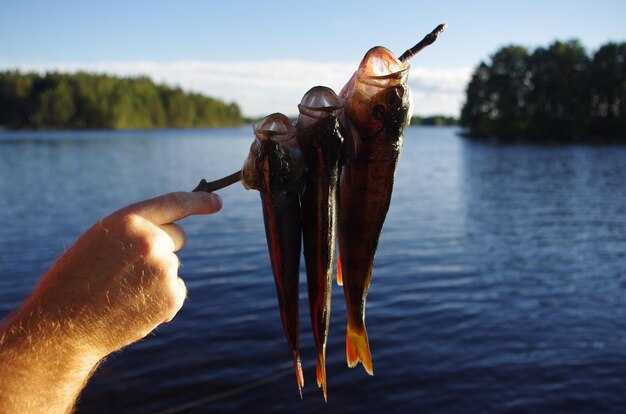 Mastering Angler Etiquette – Essential Tips for Respectful and Enjoyable Fishing">

Vyberte si tiché miesto a príďte včas aby ste mali čas na pozorovanie okolia a kontrolu prístupu na parkovisko. Keď vstúpite do vody, rybárska etiketa začína priestorom: doprajte ostatným rybárom priestor na nahodenie, najmä ak je niekto v blízkosti obľúbeného miesta. Hovorte potichu a majte usporiadané vybavenie, aby ste nevyplašili divokú zver ani ryby. A certain zameranie sa na pokojné správanie pomáha všetkým zostať šťastnými a vyhnúť sa zbytočným konfliktom.
Rešpektujte miesto iných a designated route for walking, stick to it. a. Vyhnite sa preplneniu. Používajte vyhradený priestor pre vybavenie a bóje; umiestnite ich tak, aby sa o ne iní nepotkli. Ak ste v blízkosti cudzej šnúry, odstúpte a pozvite ich, aby prešli. Ak existuje určená trasa na prechádzku, držte sa jej. konflikt, oslovte ju pokojným tónom; think o tom, čo by druhej osobe pomohlo užiť si čas, a ponúknite rýchle riešenie. Ak si dáte prestávku, neodchádzajte nechcený výstroj alebo odpad; upracte po sebe a aj ostatní budú šťastný aby ste sa nabudúce vrátili.
Udržujte si výstroj usporiadanú na zníženie neporiadku na parkovisku a pozdĺž chodníkov. Zreteľne označte čiary bójí, aby sa nedostali do hlavných rybárskych pruhov. Pri navíjaní alebo presúvaní sa stručne vyjadrite a nechajte ostatným priestor na prispôsobenie sa; táto jednoduchá zdvorilosť predchádza chybám a udržuje dobrú náladu. Ak je niekto blízko vášho obľúbeného lovného miesta, ponúknite mu krátku prechádzku k neďalekému brehu, aby ste zachovali priestor a udržali čisté lovné šnúry.
Zdieľajte vedomosti taktne.. Ak je potrebné vysvetliť nejakú techniku, buďte struční a trpezliví; something praktické pomôcky, ako je kontrola pevnosti uzlov, ich bezpečné previazanie a udržiavanie čistej a ľahko ovládateľnej súpravy. Ak vidíte nechcený návnadu, ponúknite, že ju vezmete so sebou, alebo sa jej riadne zbavte. Počas rušnej prevádzky sa striedajte, aby si každý užil angling možností a odchádza s pocitom šťastia a pokroku.
Etiketa na konci dňa: znova zabezpečte vybavenie, umyte si ruky a uistite sa, že divoká príroda zostáva. živý. Keď odchádzate, zoberte so sebou všetky odpadky a pripomeňte svojim kolegom rybárom, aby urobili to isté. Pravidlo je jednoduché: doprajte priestor, správajte sa k ostatným s rešpektom a premýšľajte predtým, ako prehovoríte. Dodržiavanie týchto krokov zabezpečí, že nasledujúca vychádzka bude pre všetkých plynulejšia a príjemnejšia.
Osvojte si etiketu rybára: Praktické tipy pre ohľaduplný a príjemný rybolov
Predtým ako začneš nahadzovať, predstav sa členom v okolí a dohodnite sa, kto ide prvý, kde budete stáť a ktorý výstroj zostane na stojane; jasná komunikácia znižuje riziko zamotania a prekríženia vlascov.
Skontrolujte smer vetra a vyberte si miesto, ktoré udrží vlasce mimo oboch rybárov; ak musíte prechádzať, robte to pomaly a zdvorilo.
Udržujte výbavu v poriadku, vyhnite sa možnostiam zamotania a udržiavajte si veci usporiadané; keď navíjate, zastavte sa a skontrolujte, či sa niekde neuvoľnila šnúra, ktorá by mohla zachytiť rybára v blízkosti; ohláste svoj pohyb, ak vstupujete do niekoho vlasca.
Pri nahadzovaní rešpektujte vietor a prúdy; dávajte si pozor na klzké brehy a skalnaté výčnelky; noste priľnavú obuv a nenakláňajte sa nad vodu; choďte po vyznačených chodníkoch, aby ste v divočine zanechali minimálnu stopu.
Dávajte si pozor na svoj odpad a nezabudnite si vziať tašku; vezmite si so sebou každý obal a kúsok fólie; vyhýbanie sa odpadkom ukazuje, že ste zodpovední.
Rôzni rybári prinášajú rôzne pohľady; ich požiadavky sa môžu líšiť, napríklad žiadajú viac priestoru alebo výmenu miest, kde lovíte; odpovedajte trpezlivo a s jasnou komunikáciou.
Striedajte sa pri hľadaní záberov; akonáhle sa pozeráte na sľubné znamenie, je ľahké počkať na svoj ťah a vyhýbať sa tlačenici; udržujte priateľskú a milú atmosféru.
Buďte zodpovední: predtým, ako sa pohnete, skontrolujte okolie; udržiavajte linky upratané; a pamätajte, že dodržiavaním týchto tipov pravdepodobne zlepšíte zážitok všetkým.
Jedna učňovská cesta k praxi na vode
Začnite s jedným tréningom na brehu, kde si osvojíte základy predtým, ako prenesiete cvičenie na vodu. Skôr ako sa dotknete prútu, zamerajte sa na polohu rúk, postoj a kontrolu vlasca, vďaka čomu bude zvyšok bezpečnejší a ohľaduplnejší voči rybárom v okolí. V každej situácii si tento prístup zachováva pokoj a zabraňuje preháňaniu. Nezačínať v malom a uvážlivo je pre vás jednoduchšie, môžete mať všetko pod kontrolou a zanechať pozitívny dojem na ostatných lodiarov?
Na vodu prejdite až potom, čo si precvičíte základy; vyberajte si pokojné úseky s obmedzenou premávkou, aby ste sa vyhli preťaženým oblastiam. crossing body v dobrom stave. obsadené jedným rybárskym tímom, udržiavajte priestor a používajte tichý hlas namiesto kričanie. Poznámka features ako husto burina, zlomy alebo prúdnice a zapíšte si ich do zápisníka. Ak sa rozhodnete zdieľať pokrok, uverejnite ho na tumblr, ale obsah zachovajte praktický a vecný. Keď sa budete cítiť sebaisto, precvičujte si uvoľňovanie plynulo a bezpečne, potom sa vráťte na breh na dovybavenie a premyslenie. Zvážte aj etiketu plavby, aby ste nerušili ostatných.
Na vode dodržiavajte stručnú rutinu: dýchajte, zaujmite stabilný postoj a robte zábery jednou rukou, potom pokračujte, keď sa zlepší kontrola. Aj malé úpravy sa znásobujú, preto vykonávajte plynulé pohyby, aby ste netriasli loďou, a dávajte pozor na situation čo si vyžaduje pozastavenie. Ten features všimnete si – vietor, brázda a prúd – vám pomôžu rozhodnúť sa, kedy postúpiť. Trpezlivosť zostáva hlavným hnacím motorom, takže opakujte cvičenie, kým nebude automatické.
Už teraz si všimnete malé výhry: čisté uvoľnenie, jemný záber, úhľadné zotavenie alebo tichý prístup k míňajúcej sa lodi. Toto jedna cesta učňovstva umožňuje ti rásť a keď si osvojíš základy, môžeš sa pustiť do zložitejších scenárov. Zanechaj vodu v lepšom stave, ako si ju našiel, správnym uvoľňovaním výstroja a rešpektovaním limitov. Tento prístup pridáva hodnotu tvojmu vlastnému času strávenému na vode aj ostatným, ktorí zdieľajú priestor počas dní strávených na člne.
Pre udržanie pokroku si stanovte týždenný mikro-cieľ, vráťte sa a zhodnoťte. Čokoľvek dnes vylepšíte, sa zajtra znásobí v stabilnejšej manipulácii. Sami získate sebadôveru, keď si zdokumentujete zisky a upravíte techniky, a uvidíte, že trpezlivosť a dôslednosť sú dôležitejšie ako rýchlosť. Cesta je praktická a opakovateľná a hodí sa na výlety loďou, splavy potokov alebo dni pri jazere, pričom ste vy v centre zodpovedného rybolovu.
Rešpektujte priestor na preplnených vodách: dodržiavajte vzdialenosť a zdieľajte prístup
Udržujte odstup na preplnených vodách tým, že poskytnete každej osobe na blízkych lodiach minimálne 15 metrov priestoru. Keď vietor alebo premávka znižujú viditeľnosť, predĺžte túto vzdialenosť na 20 metrov. Pred priblížením im dajte signál jednoduchým pozdravom a nasmerujte loď nabok, aby ostatní mohli prejsť bez prekážania, pričom zostaňte vedľa ich trasy namiesto toho, aby ste ju preťali. Zdieľanie prístupu zlepšuje život na jazere pre všetkých, nielen pre tých s najhlasnejším navijakom. Keď spolupracujeme, etiketa zostáva jednoduchá.
Find spaces that offer room for you and others, and manage access by rotating spots. If you reach a popular cove, fish from the edge with enough room for a small boat to pass, and avoid blocking ramps or the main channel. Every boater benefits when you think ahead and keep the flow smooth, minimizing wakes that pollute waters and harming life along the lake’s shore. Tales from seasoned anglers show how small steps matter, and sharing access improves the experience for everyone. Over time, many anglers took to sharing spots as a rule. Every person on land deserves easy access too. Set specific rules for your group to keep order.
Stow gear on deck and along the side, not on the bank. If you work from a small craft, keep lines tidy; use a reel to handle your tackle but avoid tangling others’ lines. When you anchor, keep the anchor line out of the main path so others can pass from ahead or beside you. With these methods, you maintain order on crowded waters and protect real life on the lake’s waters.
When space narrows, talk to them with a calm voice. A simple head nod and hello can reset directions, and you can suggest moving further apart or sharing a corner of the lake’s water. If wind goes calm, move to a different patch of waters where space opens, keeping access easy for every boater and reducing chances of confusion beside shorelines and in the wind.
| Situácia | Action | Why it matters |
|---|---|---|
| Crowded launch area | Yield to others, keep your line clear, pass to the side | Prevents accidents and keeps space accessible for all |
| Approaching a group of anglers | Slow down, give broad berth, signal your presence with a wave | Reduces wake and respects their space |
| Shore access near busy coves | Stay off the most used lanes, fish from edge, rotate spots | Supports safe movement and wider access |
Quiet casting and shore-friendly techniques: minimize splash and wind disturbance
Start with a quiet roll cast from shore to place the line softly on the water. Keep the rod tip low, the wrist relaxed, and the motion smooth; this minimizes splash and wind disturbance, which will help nearby anglers and boats stay comfortable.
Limit your cast distance to twenty meters; a short, controlled arc reduces surface disturbance and improves bite detection. Use a 9-12 ft leader with a 4-6x tippet for fine presentations when hatch activity is light.
When a boater is operating nearby, cast sideways and politely acknowledge them; avoid aiming toward their wake and keep your backcast away from their path. This reduces disturbance and keeps everyone happy.
Set up shore-friendly gear: floating line with a long leader, 9-12 ft; keep the line in contact with water rather than lifting it high; mend gently to keep the head of line quiet, and think about hatch activity to guide your fly choice.
Technique tips: roll cast, sidearm, or near-water casts near the bank; practice a dry-run in your yard to build patience; long, deliberate strokes create less splash and help your confidence grow.
Considerate angling means adjusting for wind: angle your cast slightly to skim the surface rather than plowing through it; stay aware of nearby land features that reflect sound and surface ripple; your awareness makes you quite effective.
Over years of practice, a calm approach will make you happy with quieter presenting and fewer tempers in the boat or on the shore.
Between river and lake scenery, targeting calm pockets near shore during hatch improves chances: think about where fish lie between current seams and calm water; operate quietly and minimize splash; nothing will keep the experience pleasant for every person.
Gear etiquette: safe hook handling, clean rigs, and reasonable gear sharing
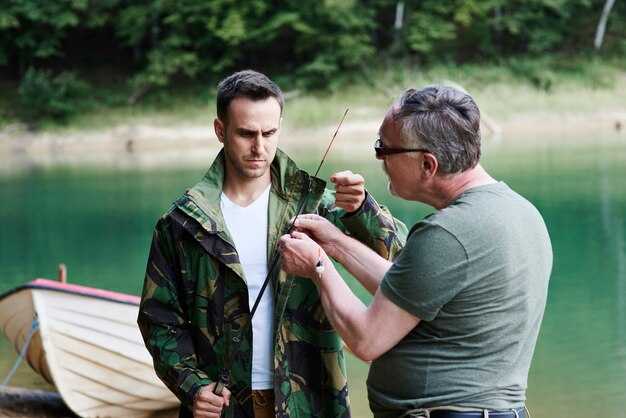
Always handle hooks safely and keep equipment stored properly; dont rush the unhooking and always carry pliers. This simple rule helps anglers on lakes stay confident ahead of the next cast.
Maintain clean rigs: rinse and inspect lines, knots, swivels, and leaders after every session. When you replace a worn part, do it in a designated area and label the replacement clearly; easy checks save time and prevent marginal wear from turning into a failure.
Sharing gear should be fair and limited: offer only what you wont miss, and set a second limit if the other angler dont need it. If you join a common spot, keep spare tackle in a bag and dont leave it in the way; this keeps small areas clear and avoids conflict.
Safety around bivvy and campsites: store rigs away from sleeping areas, secure loose lines, and keep paths clear in places where people move; never leave hooks or lures within reach of children or pets. Respect others by keeping noise low and avoiding clutter that can scare newcomers.
Learn to build confidence through responsible habits: practice safe hook handling, clean rigs, and fair sharing. Although you fish in busy lakes or remote waters, a thoughtful approach makes angling safer, friendlier, and more enjoyable for everyone.
There is nothing complicated about making these practices part of your routine.
Catch-and-release care: barbless hooks, humane handling, and rapid returns
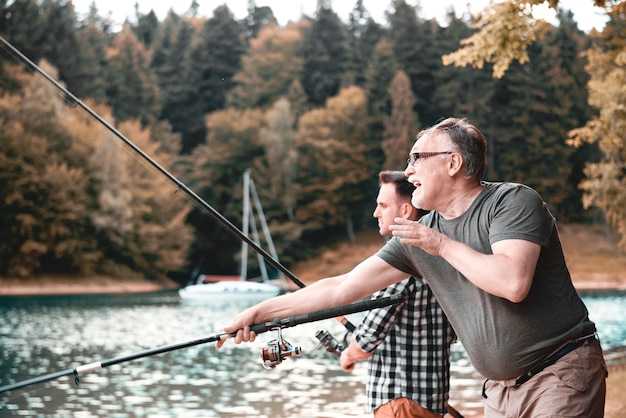
Equip barbless hooks on every setup and attach dehooking tools and a knotless net to your vest or boat. Prefer single hooks when possible to minimize injury and streamline releases; release a fish within four seconds of landing to reduce stress and improve survivorship.
-
Handle with care: wet hands or gloves, support the fish along the body, and keep it in the water as long as possible. Avoid squeezing or touching the gills, and maintain a calm, respectful stance on the shoreline or deck. If a fish looks stressed, shorten exposure and prepare to release promptly.
-
Unhook efficiently: use pliers or a dehooking tool to remove the hook with minimal handling. With barbless hooks, the single point usually releases easily, and if the hook is deeply embedded, cut the line and leave the hook to rust rather than force extra injury. Keep baits attached only when necessary to control the fight and reduce needless stress.
-
Revive and return safely: gently move the fish in clean, moving water to encourage gill flow, and avoid stirring up sediment–stir should be avoided during recovery. If the fish shows signs of life, move it gradually toward deeper water and let it dictate the pace; the goal is a short, confident return to the water.
-
Post-release etiquette: tell boaters and other anglers nearby what you’re doing to minimize crowding along the shoreline and waterway. Maintain awareness of size and species distinctions, since some fish require longer revival times than others. Unless the marginal conditions force a different approach, release promptly to protect the next anglers’ experience and the health of the fish population.
These steps reinforce a respectful approach to sport fishing, where following best practices helps every look at the sport stay great. The practice is a long-term pastime that happens best when you keep things simple, safe, and focused on releasing with care. For guidance that blends practical tips with local rules, consult houwen resources and stay aligned with four key actions: prepare, handle, release, and maintain a clean shoreline–because conserving every species and its size supports a thriving fishing culture for all.
Apprenticeship roadmap: how to find a mentor, structure practice, and track progress
Secure a six-week mentorship with a local angler at your lake, with two 2-hour sessions per week and a simple practice log to capture progress.
-
Find a mentor
- Identify candidates at the lake club, shop, or on boats who show patience, clear feedback, and a mindful approach to safety. Look for someone whose view of fishing emphasizes technique and respect over shouting or shortcuts.
- Prepare a concise one-page plan: your current equipment, your long-term goals, the reasons you’re seeking guidance, and a proposed schedule that fits around work or family commitments. Bring a small list to keep the discussion focused.
- Initiate a brief intro chat in a calm setting by the water. Propose a trial week, outline what you’ll cover, and offer help with gear, boats, or the bivvy if you camp nearby. If you align, set a date for the first session and clarify what you’ll bring.
- Agree on boundaries and expectations: safety first, no heavy lift on equipment disposal or changes that disrupt others, and a plan for feedback that respects both sides. You’ll likely notice changes in when and where you fish, so confirm locations and water conditions you’ll practice in.
-
Structure practice
- Week 1–2: establish fundamentals. Cover safety, basic knots, line management, casting fundamentals, and silent, mindful communication with partners on the water. Focus on calm, sized pulls and avoiding unnecessary movement that spooks fish or crowds other anglers on a busy lake.
- Week 3–4: translate skills to real conditions. Practice casting accuracy across features such as weed edges, drop-offs, and open water. Learn how wind direction changes presentation, and how to adjust line size and leader length for different targets. Practice boat and shore etiquette, including how to position without crowding pullouts or unwanted gear.
- Week 5–6: simulate a full session. Combine rig setup, bait selection, and line control in a flowing routine. Work on reading underwater structure and current lines, interpreting passing shadows, and refining your view of the water column under windy conditions. End each session with a 5–10 minute review to adjust the plan and goals.
- Within every block, build a routine that includes time for equipment checks, safe disposal of unwanted gear, and keeping the lake environment clean. If you carry gear in cars or on boats, practice orderly loading to minimize waste and noise.
-
Track progress
- Use a simple log with fields: date, location, weather, wind, lake features, gear used (size, line, hook), practice focus, and notes on technique. Include a brief “mindful moments” line to capture confidence and patience during the session.
- Set milestones for each stage: improved line control, consistent casting distance, better read of wind shifts, and calmer, quieter on-water presence (no shouting). Use “therefore” to connect outcomes to actions: if grouping of errors decreases, therefore you can raise the bar on a new task.
- Record qualitative gains and any challenges. Note pullouts you avoided or encountered, and how you handled them. If you discovered unwanted gear or equipment clutter, log how you disposed of or organized it to keep the space open for practice.
- Review weekly with your mentor. Use the feedback to adjust the next week’s milestones, capture reasons for changes, and keep momentum without rushing through steps. Celebrate small wins like improved patience or longer, cleaner casts, which build confidence over time.