


 Slovenčina
  English (UK)
  Русский
  العربية
  日本語
日本語  한국어
한국어  Magyar
  Türkçe
  Español
  Čeština
  Svenska
  Português
  Ελληνικά
  Suomi
Suomi  Nederlands
  Română
  Italiano
  Français
  Polski
  Українська
  Deutsch
  简体中文
简体中文 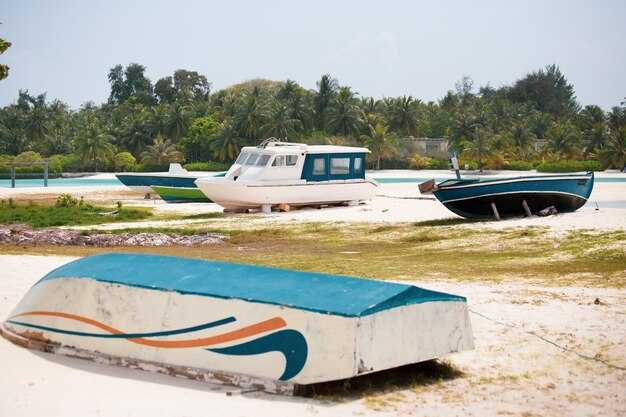 Jon Boat Buying Guide – Best Lightweight Aluminum Fishing Boats">

Choose the best lightweight jon boat: a 12-14 ft aluminum model with a split hull and a double-hull option designed for stability. This model is built by a respected company, offers straightforward maintenance, and keeps the bones lightweight for easy car-topping. Boaters who need efficiency find that the main benefits are stability and fuel performance. Therefore, this option already delivers solid performance on lakes and calm rivers.
Focus on a hull that balances weight and stiffness: a split hull or double-hull design improves stability and reduces drag, therefore boosting performance and fuel efficiency. A compact overall height helps with portability and handling during launches and navigation across shallow ramps. Look for boats that are navrhnuté with durable riveted or welded seams, and that keep deck height accessible for standing or sitting while casting.
Choose models from a company that offers solid warranty coverage and parts availability beyond the initial sale. For boaters, inspect the main seating layout, deck rigidity, and the transom height, as these things influence balance and mounting options for a small motor. Ensure the boat is designed to perform reliably in your typical waterway, and confirm the dealer network can support updates to navigation and routine service.
Bottom line: pick a model with highly portable design, proven performance, and a dealer network you can rely on for parts and service. Revisit your list against payload needs, navigation ease, and height constraints before you sign. If you start with three best options, you can validate real-world stability, fuel consumption under load, and steering feel during a quick pond test with your gear.
Assessing the Lowe 1648M: core specs for practical fishing use
Get the Lowe 1648M if you want a nimble, practical platform for fishing on lakes and calm rivers. At about 16 ft long and 48 in wide, the all-aluminum hull keeps weight manageable while delivering a large cockpit. It shows built-in storage compartments and bench seats, with pedestal mounts that let you switch to a solo or family setup quickly. With a single outboard, getting under way is simple, and the total package always stays easy to trailer. In a recent review, owners note stable navigation on rocks and in shallow water, making it a reliable lake companion. Decide here if durability, space, and straightforward maintenance fit your needs, and you’ll see why many buyers rate its value highly.
Core specs you’ll count on include a roughly 16 ft length, a 48 in beam, and all-aluminum welded construction shown in the factory sheets. The cockpit offers a large, open deck with a majority of seats in a two-bench arrangement and optional pedestal seats for a flexible fishing or family setup. The design provides built-in storage pockets under the bow and behind the stern, plus a large total dry area for tackle, line, and personal items. It’s designed for a single outboard, keeping balance and response predictable when navigating shallow lakes or river shoals.
Practical fishing uses come down to layout and flexibility. For duck season or quiet backwater hunts, the flat deck and shallow draft let you move light gear without a lot of ballast. The bench seats can be removed to create room for a duck blind or a small gear rack, and pedestal mounts let you swap to elevated seating when you need better line of sight. For a family outing, the seating and built-in storage keep tackle, snacks, and rain gear tidy, so you switch from rods to refreshments quickly and maintain a stable payload. If you carry backup gear, the ample pocketing still keeps everything within reach. Navigation remains straightforward, even when you veer toward shoreline rocks or wind shifts.
Whether you’re after a family day on the lake or a dedicated duck-boat for backwater settings, the Lowe 1648M delivers solid value. The majority of owners report a smooth ride and straightforward maintenance, while the rating tends to be favorable for its simplicity and resale value. Before you pull the trigger, check your typical loadout and lanes you’ll run; if you keep gear light and plan to use pedestal seats for different setups, you’ll maximize storage and performance without sacrificing maneuverability.
In short, the Lowe 1648M is a versatile, lightweight option for lake and backwater fishing, with built-in features that support practical gear management and flexible seating. It shows a strong balance of price, performance, and durability, making it a reliable choice when you need something you can trust day after day across seasons.
Weight, capacity, and payload limits for the 1648M
Keep total payload under the transom plate limit; target 750–900 pounds total to preserve stability and efficiency on flat-bottom handling with this hull.
- Dry hull weight: 110–140 pounds, depending on gauge and added accessories.
- Max load rating: 900–1,100 pounds listed on typical 1648M plates; always read the exact specification on your vessel’s transom plate.
- Motor weight: add 90–180 pounds for a common 20–40 HP outboard plus mounting hardware; larger power adds more weight and changes balance.
- Fuel: 6–12 gallons; at about 6 pounds per gallon that adds 36–72 pounds of fuel on board.
- Gear and gear boxes: plan 100–250 pounds for typical fishing or hunting setups; hunters often bring decoys, traps, and extra clothing as part of the load.
- Trailer and towing: consider trailer weight in the total when selecting a tow vehicle; ensure the axle rating and hitch can handle the combined vessel, motor, fuel, and gear.
- Conditions and distribution: place heavier items toward the center of the vessel and keep weight low; wide, even distribution helps edge stability and handling in moderate chop.
- Limits vs. needs: customized setups (additional seats, racks, or storage) can push the payload toward the upper end; assess those changes against the plate rating and trailer capacity.
Examples illustrate typical scenarios for those balancing comfort and performance.
In an example with two adults (about 340 pounds total) plus gear (100 pounds) and 8 gallons of fuel (48 pounds), the load is around 528 pounds, leaving ample margin on a 900–1,100 pound rating. For those planning trips with three adults (around 510 pounds), extra gear (150 pounds), and 8 gallons of fuel (48 pounds), the load approaches 708 pounds, still within safe margins. An extreme case with four adults (roughly 640 pounds), plus heavy gear (180 pounds) and 12 gallons of fuel (72 pounds) lands around 892 pounds, which remains under many ratings but leaves less reserve for changes in gear or fuel. If you add more than this, the hull becomes limited in performance and handling.
Edge stability depends on proper weight distribution; a wider beam helps balance loads, but always respect the rated capacity. For those who plan longer runs or frequent use with heavy gear, consider a larger model or lighter gear selection to maintain suitable handling. Rights and warranties stay aligned with the manufacturer’s limits, so sales literature and the plate should guide every loading decision. Those who are new to this vessel should build a loading plan that accounts for gear, fuel, and occupants, then test in calm water to confirm stability under your typical conditions.
Stability and handling: evaluating hull shape, beam, and planing
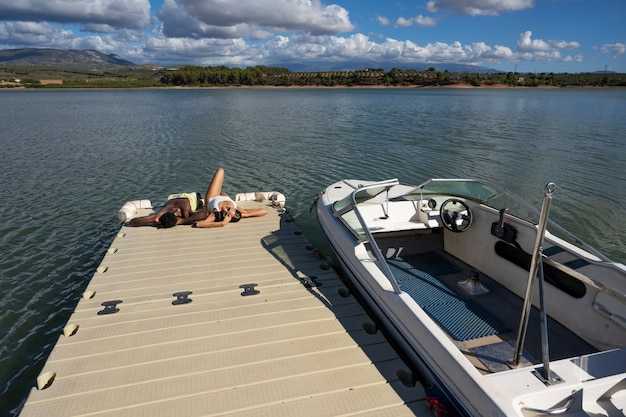
Choose a wide-beam hull (about 4.5–5.5 feet) for stable handling. The majority of stability comes from the beam, so aim for a footprint of 54–66 inches to reduce wobble when you move between decks or seats. This width provides plenty of margin for two adults plus gear, and it helps you stay upright when youre loading gear and moving to fishing spots on ponds.
Hull shape matters most when you’re moving. Flat-bottom designs feel stable at rest but pound in tough chop, while shallow-V and rounded profiles cut through waves more smoothly and track between them. Among the options, a shallow-V with a small deadrise (roughly 3–6 degrees) balances stability and handling. Lund models often show a slightly beveled bottom that tightens tracking without sacrificing deck space; between those and others, pick the one that keeps you planted as you reach shorelines. Whatever you choose, the shown specs should indicate the deadrise and chine design; this doesnt wander in chop.
Planing performance matters. For light 12–16 ft jon boats, planing typically starts around 12–15 mph when lightly loaded; at capacity, you’ll need 15–20 mph, depending on weight and prop. Once on plane, tracking becomes steadier and spray is reduced, which helps on adventures and long runs. To keep stability on plane, maintain a simple weight-distribution system: place the jack, batteries, and heavy storage boxes across the main centerline, roughly halfway between the bow and stern. A balanced load yields a stable feel that doesn’t require constant correction from you.
Practical checks: inspect the beam width shown on the spec sheet, then confirm the actual sizes in feet and inches and compare between models from Lund and others. Check decks and seats for solid mounting and dry storage compartments; ensure there’s space for plenty of gear. Verify the capacity rating matches your planned crew and that you can accommodate life jackets and tackle without crowding. Do a test ride on ponds or calm water; note how the hull behaves in a light chop and in small waves. Use the источник for data and keep your choice simple and easy to compare, then pick the best fit for your local conditions and adventures. Just remember: stability comes from a solid base, the right beam, and a hull shape that aligns with your plans.
Material durability: aluminum grade, corrosion resistance, and finish
Recommendation: Choose marine-grade aluminum in the 5xxx-series (5052-H32 or 5083-H116) for the hull to ensure excellent corrosion resistance, consistent ductility, and solid fatigue strength. This alloy forms the bones of your boat and performs best in open water, whether you run a flat-bottom or tri-hull layout, where load paths and flex differ, better than common grades. With this base, youll enjoy longer hours on the water and fewer repairs than with non-marine grades. Read the label to confirm marine-grade specs, youll feel more confident in your choice.
Dokončovacie práce sú dôležité: naneste základný náter a dvojzložkový polyuretánový vrchný náter na ochranu pred UV žiarením, oderom a morským rastom. Pre prostredie so slanou alebo brakickou vodou pridáva odolná lakovaná alebo prášková povrchová úprava ochranu; uistite sa, že povrchová úprava je kompatibilná so zliatinou a že spoje zostanú utesnené. Pevná povrchová úprava znižuje opotrebenie pozdĺž dna a priečky po dlhých dňoch na vode a pomáha upraviť povrch na súdržný povlak.
Riziko korózie: minimalizujte galvanickú koróziu izolovaním hliníka od oceľového kovania. Používajte nerezové alebo s hliníkom kompatibilné spojovacie prvky, pridajte námorné tmely a inštalujte zinkové anódy, iba ak prevádzkujete v blízkosti slanej vody. Pravidelne kontrolujte exponované hrany na spodnej strane a okolo armatúr; otvorené okná údržby uľahčujú prevenciu a môžete obmedziť nákladné opravy tým, že budete konať skôr, ako dôjde k poškodeniu. Takéto preventívne kroky ušetria hodiny námahy pri dokovaní.
Trvanlivosť v praxi: vyberte si trup so starostlivým usporiadaním a zváranými spojmi a overte, či rám vydrží pod vaším predinštalovaným motorom a držiakmi motora. Ak si prispôsobíte rozloženie, požiadajte o zosilnené švy v priečniku a spodnej časti; skontrolujte tesniace línie a uistite sa, že rozloženie hmotnosti je vyvážené pre vaše motory, batériu a prevodovku. Príliš veľká hmotnosť vpredu alebo vzadu môže zvýšiť námahu pri ovládaní, preto naplánujte rozostupy a otestujte si pocit hmotnosti kontrolou veľkosti palca.
Praktické kontroly pri nakupovaní: prečítajte si hrúbku dna a kvalitu zvaru, potvrďte jednotnú povrchovú úpravu po celej ploche trupu a overte si, či usporiadanie zodpovedá vašim potrebám. Pre prispôsobené nastavenie zlepšujú vystužené rebrá tuhosť; budete chcieť priestor pre státie pre vaše nohy a bezpečný prístup. Zvážte malý zdvihák na zarovnanie prívesu a overte si hmotnostnú triedu a potenciálne vylepšenia. Skontrolujete si aj záručné práva a na čo sa vzťahujú, a overte si, či sa obmedzená záruka zhoduje s vašimi očakávaniami. Plánujte podľa presného harmonogramu, napríklad odchod o 06:00 hhmm, aby ste zabezpečili, že vaša testovacia rutina zapadá do hodín testovania na otvorenej vode.
Možnosti výkonu a spotreba paliva: výber vhodného prívesného motora pre 1648M
Pre maximálnu stabilitu a úsporu paliva na 1648M zvoľte štvorvalcový prívesný motor s výkonom 20–25 koní.
Udržiavajú trup pod miernou celkovou hmotnosťou, pričom zachovávajú šírku 48″, ktorá poskytuje pevnú platformu na státie a nahadzovanie. Pri typickom zaťažení dvoma osobami zostáva 20–25 hp štvorvalec ľahko ovládateľný a spoľahlivý. Ponúkajú všestrannosť pre lov husí, lov krabov alebo rodinné výlety, s minimálnymi potrebnými úpravami. Otočný držiak a citlivé riadenie umožňujú pohodlné ovládanie zo zadnej časti alebo zvýšenej platformy na prove, v závislosti od vášho nastavenia. Ide o to, aby sa vyvážil výkon s úspornosťou, pričom zostane priestor pre vybavenie, chladiaci box a niekoľko nevyhnutností v otvorenom priestore bez preplnenia lode. Prečítajte si tieto údaje a uvidíte, prečo táto voľba funguje pre väčšinu majiteľov; v každom teste poskytuje 20–25 hp štvorvalec spoľahlivú spotrebu paliva a plynulú prevádzku. hhmm, táto voľba prinesie istotu a efektivitu pre každodenné používanie.
| Option | Typ | HP | Hmotnosť (libry) | WOT ot./min | Cestovné otáčky za minútu | Spotreba paliva (g/h) pri plnom plyne | Spotreba paliva (gph) pri cestovnej rýchlosti | Pros | Cons |
|---|---|---|---|---|---|---|---|---|---|
| 4-taktný, 20 – 25 koní | 4-taktný | 20–25 | 90 – 110 | 5000–6000 | 3000 – 3500 | 3–4 | 1.5–2.5 | Tichý, plynulý, spoľahlivý; jednoduché štarty; dobrá predajná hodnota | Ťažší ako 2-takt; vyššie vstupné náklady |
| 2-takt, 25 koní | 2-takt | 25 | 75 – 95 | 5500 – 6000 | 3000 – 4000 | 6–7 | 3–4 | Ľahký, responzívny, nižšia počiatočná cena | Vyššia spotreba paliva, hlučnejšie, vyžaduje sa premix |
| 4-taktný, 30 koní | 4-taktný | 30 | 105 – 125 | 5000–6000 | 3200–4000 | 4–6 | 2–3 | Vyšší krútiaci moment, lepšie klzanie pri väčšom zaťažení | Ťažšie, drahšie, mierne vyšší odpor |
Zvážte typické použitie: ak bežne prepravujete dvoch dospelých s výbavou a potrebujete stabilnú, predvídateľnú spotrebu paliva, štvoraktátny motor s výkonom 20–25 hp je tou správnou rovnováhou. Pre príležitostné ľahšie náklady alebo obmedzený rozpočet ponúka dvojtaktný motor s výkonom 25 hp rýchlu odozvu a nižšiu hmotnosť, ale rátajte s vyššou spotrebou paliva a hlukom. Ak očakávate väčšiu výbavu alebo rozbúrenejšiu vodu, štvoraktátny motor s výkonom 30 hp pridáva krútiaci moment za cenu extra hmotnosti. Vždy otestujte s výbavou na platforme a overte si kontrolované ovládanie pri plnom a čiastočnom zaťažení, aby ste zaistili, že kombinácia zostane v medziach stability a šírky trupu a zároveň ponechala priestor pre potrebnú výbavu. Za všetkých okolností môže správne zvolená lodná skrutka a otočný držiak zvýšiť ovládateľnosť a efektivitu lode, uľahčiť výber a zabezpečiť, že od začiatku získate spoľahlivé a všestranné riešenie.
Ukladanie výstroja, sedenie a organizácia prútov: optimalizácia vnútorného usporiadania
Použite modulárny interiér s penou vyplnenými priehradkami pod sedadlami a rovnou palubou, aby ste maximalizovali univerzálnosť. Toto usporiadanie udržuje suché vybavenie prístupné a zároveň ponecháva priestor pre cestujúcich, čím vytvára plynulé prechody medzi plavbou po jazerách a celodenným rybolovom. Toto usporiadanie je určené na rýchle prechody medzi aktivitami a pri hodnotení modelov skontrolujte odnímateľné sedadlá, integrované suché priestory a prístupné predinštalované napájacie porty na podporu malej elektroniky v napájanom usporiadaní.
Usporiadajte si výstroj pozdĺž horných okrajov paluby pomocou kufrov vyplnených penou a plytkých tašiek, aby ste ich mohli vymieňať medzi jazdami bez preliezania cez sedadlá. Používajte priehľadné priehradky a dištančné vložky veľkosti palca, aby ste mali prúty a výstroj viditeľné a oddelené, čo vám pomôže rýchlo chytiť to, čo potrebujete, keď sa jazerá upokoja a zdvihne sa vietor.
Umiestnenie udíc je dôležité: venujte rad držiakov na udice pozdĺž rovnej časti horného okraja alebo odnímateľný stojan na malej trojtrupovej lodi. Pre lode s jednoduchým alebo dvojitým trupom kompaktný penou vyplnený trubicový stojan zabráni ohýbaniu špičiek a ochráni ich počas plavby medzi jazerami.
Usporiadanie sedadiel by malo podporovať rovnováhu: ťažšie vybavenie umiestnite smerom k zadnej časti a priestor v prove nechajte voľný na nahadzovanie. Pomáha to zabrániť nakloneniu pri vyvážení a udržuje loď pri jazde po jazerách v stope. Pre skutočne flexibilný plán použite odnímateľné podstavcové sedadlá, ktoré vám umožnia prejsť na väčšie a pohodlné usporiadanie, keď prejdete z rybolovu na plavbu.
Zásada pre zaťaženie: Obmedziť celkovú výbavu v rozumnom rozsahu a testovať postupne. Udržiavať hmotnosť v rámci známeho limitu, aby zostala loď stabilná; poznamenať si hmotnosť na každej strane a podľa potreby upraviť. Urobiť test o hhmm na pokojnom jazere a po spustení na vodu skontrolovať nastavenie, aby sa potvrdilo, že umiestnenie funguje v reálnych podmienkach plavby.
Možnosti vylepšenia: ak prechádzate na napájanie, zvoľte si predpripravený systém s kompaktným panelom a veďte káble pozdĺž horných okrajov bokov. Malá batéria pod zadnou lavicou udržuje palubu čistú a poskytuje napájanie pre svetlá, vyhľadávač rýb alebo držiak. Toto nastavenie vytvára priestor pre triedu konfigurácií na malých lodiach Lund a podobných modeloch s plochými palubami, ktoré priam nabádajú na pridanie stojanov na prúty a ďalšieho úložného priestoru.
Skontrolujte a upravte: po prvej skúške na jazere posúvajte veci, kým nenájdete ideálne miesto. Robte si poznámky o umiestnení a pocitoch, v prípade potreby ich prehoďte a zachovajte opakovateľné rozloženie pre budúce vylepšenia. Premyslené vnútorné usporiadanie maximálne využíva kompaktný priestor vašej plechovej loďky a zlepšuje efektivitu skladovania a pripravenosť na rybolov.