


 Slovenčina
  English (UK)
  Русский
  العربية
  日本語
日本語  한국어
한국어  Magyar
  Türkçe
  Español
  Čeština
  Svenska
  Português
  Ελληνικά
  Suomi
Suomi  Nederlands
  Română
  Italiano
  Français
  Polski
  Українська
  Deutsch
  简体中文
简体中文 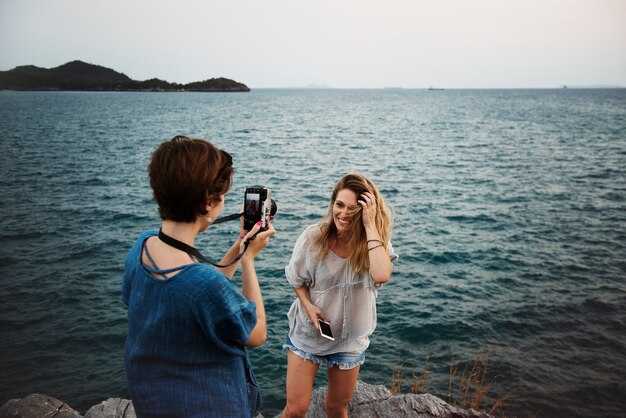 How to Take a Great Photo on a Boat – Pro Tips for Stunning Seascapes">

Stabilita na palube je najdôležitejšia.Postavte nohy na šírku ramien, pokrčte kolená a nechajte lakte spočívať na tele. V drsných podmienkach použite monopod alebo sa oprite o zábradlie, aby ste udržali kameru stabilnú. Pri morskej vode a striekankách zdvihnite uzávierku na 1/1000s ale rýchlejšie zachytiť najjasnejšie vlny. Ak svetlo klesá, upravte na 1/500s ale mierte toward faster urýchľujú sa pri zrýchľovaní pohybov.
Techniques pre zaostrenie a rámovanie: prepnúť na manuálny režim alebo použite single-point AF, zamerajte sa na hranu s vysokým kontrastom a potom znovu zostavte. Na lodi pohyb vody vytvára pohyby scény; predvídejte, kam loď bude unášaná, a sledujte ju svojím zameraním. Ak sa vám nedarí uzamknúť, prepnite sa do režimu kontinuálneho zaostrovania v jasnom svetle, ale vráťte sa k single-shot AF keď zbadáte čistý, pobrežný horizont, aby ste udržali scénu ostrú. Moment určite nezmeškáte, ak budete precvičovať sledovanie a načasovanie.
Kompozícia má zmysel. v každej snímke. Umiestnite prvok na popredí (laná, klzačka alebo bója), aby ste pridali hĺbku a naviedli oko do scéna. Use kontrast medzi tmavou trupom a bielou vlnou, aby vyčnievala fotografia. Udržiavajte horizont v rovine; naklonená čiara narúša rytmus obrazu v drsnom mori a zastavuje... photographic hodnota rámu. Ak narazíte na tricky angle, naklápajte telo s pohybom lode, aby ste vytvorili vysoko kontrastné siluety, keď zapadá slnko a oblaky žiaria, okamih, ktorý môžete zachytiť cvičením a vytvoriť niečo nezabudnuteľné.
Osvetlenie a expozícia: V žiare bohatom, poludęnom conditions, použite polarizátor na zníženie odrazov a zotmenie oblohy; fotografujte v manuálny režim alebo apertúra priority na vyváženie jasu oceána. Použite malú kompenzáciu expozície (+/- 0,3 až +0,7), aby ste zachovali detaily vody a predišli prepáleniu zvýraznení. Keďže svetlo prichádza a odchádza, speed vaša reakcia má zmysel; pokračujte speed a kontrast v mysli, ako sa mení slnečné svetlo. Ak chcete, aby ste... unforgettable scéna, buďte pripravení stlačiť spúšť, keď loď prejde zo tieňa do slnka.
Časovanie poráža šťastie on a boat. Track the sequence of pohyby zachytite vrcholný moment. Ak vaša kamera ponúka, použite rýchlejší režim výberu snímok; a photographic sekvencia môže priniesť niekoľko záberov, kde je sprej ostrý a povrchová textúra vykazuje hĺbku. V tricky lighting, shoot a few frames at expozícia zahmlené, aby sa zachovala detailnosť ako v jasných zvýrazneniach, tak aj v tienistých priekopoch.
Safety and gearmajte nepremokavĎ tačku na fotoaparát, často utierajte čľč alebo a consider kryt proti dažďu v zónach striekania. Na potlačenie odleskov použite clonu objektívu a po každej relácii opláchnite zostavu, aby ste zabránili usadzovaniu soli. Pre dlhé, okamžité sessions, plan your conditions a vezmite so sebou extra batérie, aby ste predišli výpadku napájania počas jazdy; batérie sa môžu rýchlo vybíjať. Jasný plán vám pomôže vyhnúť sa strate najlepších príležitostí. scéna momenty a zabezpečuje, aby vaše spomienky zostali unforgettable.
Krok 2: Upravte nastavenia fotoaparátu pre nádherné pobrežné scenérie s loďami
Set your base exposure in Manual mode and start with 1/1000 s to freeze motion on rough water. If spray hits the lens, push ISO to 400–800 and keep f/8–f/11 to preserve detail; for silky water, plan to shoot from a stable surface at 1/4–1/8 s, using a monopod or railing as a rest while you follow the movement through succession of frames. This approach improves your images and helps you compare options later.
- Selecting exposure and ISO: In bright sun, use aperture around f/8–f/11 and ISO 100–400; shoot RAW to preserve detail; if you’re using a smartphone, enable Pro mode and capture DNG when possible; for mixed light, auto white balance is acceptable and can be tweaked later in post; this here helps keep color consistent across different scenes.
- Motion and focus: Use AF-C (continuous) with a tracking focus area; employ back-button focus to lock on the subject and recompose; for spray, use 1/1000–1/2000 s to freeze motion; for a trace of motion, try 1/250–1/500 s and pan slightly to show movement through the frame.
- Stability and grip: Everyone should tuck elbows down toward your torso and keep the camera close; brace against the boat rail or use a monopod; on smartphones, two-handed grip and chest support helps; waterproof housing protects gear from spray.
- Perspective and space: Explore different perspective angles to emphasize space and depth; shoot from knee height or lower to exaggerate waves; plan a quick succession of frames to capture the subject under changing light and waves.
- Equipment and protection: If you have rugged cameras or a waterproof housing, you’re better prepared for rough conditions; having a spare battery and memory card helps; smartphone users should enable Pro mode and keep the lens clean and dry.
- Post-process and workflow: Import images as RAW, check the histogram, and adjust white balance and highlights to keep water color natural; batch process similar frames for a cohesive look; store images with consistent metadata to simplify selection later.
White Balance on a Boat: Presets and Custom WB for Blues and Sunlit Water
Set the white balance to 5500K manually for most coastal, sunlit days to keep blues accurate and sunlit water balanced; shoot RAW to refine WB later and preserve multiple frames from the start, so you can compare options without losing detail.
On a boat, presets help you respond to changing light quickly. Use Auto WB as a baseline, then switch to Daylight (about 5200–5500K) when the sky is clear and the blue water reads true; Cloudy adds warmth for calmer days and more natural skin tones; Shade pushes more warmth for late afternoon light. For night scenes or the glow after sunset, Tungsten can cool the scene, but expect a cooler water cast. Work to stabilize WB across a sequence so colors stay harmonious as the deck moves and there are movements in the frame.
From the start, a custom WB method gives you the most control. Place a neutral gray card (or a clean white shirt) in open shade on deck and shoot a reference frame. In RAW, set WB to a target around 5500–6000K to keep blue water true while preserving the sunlit warmth. If a card isn’t available, use a bright gray area in the scene, then adjust WB in post to prevent casts on the water. This approach helps stabilize exposure and WB, especially when you switch between still life moments and sweeping seascapes.
To minimize shifts when the boat rocks, lock WB and exposure and shoot in a burst with a steady shutter, then pick the frames where the water and sky share a similar cast. A polarizing filter helps reduce glare and gives you more distinct blue tones, while keeping the sun’s shine on the surface. If you must shoot with limited reference, shoot a short sequence and fix WB in post; that saves space in editing and keeps the sequence coherent for a coastal shoot.
During sunset, temperatures swing and blues can look richer or cooler. Try WB around 6000K for a crisper, cooler water tone, or push toward 5200–5600K to enhance warmer skies while preserving blue water. For night, Auto WB with careful post adjustments works, but always keep a reference shot for continuity. Here, WB is a tool to shape the vastness of the sea and sky, not a fixed rule–the right preset or custom value lets you photograph them in calm, expansive moments, from ordinary to spontaneous, and then the shine appears.
Metering Modes: Evaluative vs Spot for Balanced Sky and Sea
Recommendation: Use Evaluative metering as your default on a boat for balanced sky and sea. Depending on the scene, this mode analyzes the frame and offers a reliable exposure for the blue water and the sunny sky, providing a solid photographic taking that serves their interests. The advantage is it adapts to dynamic light across the frame, so you can enjoy the moment without constant tweaks. If the sky becomes very bright or highlights on water look small and blown, switch to Spot metering to lock exposure on a precise area. Once you lock it, shoot a quick bracket or check the histogram to verify results.
On a moving vessel, stay prepared. Keep your gear handy, plant your feet securely, and stabilize against a rail or the deck. Always monitor the horizon and know your vantage: Evaluative handles a broad scene, Spot helps when a small bright area dominates. If you want to emphasize texture in the water or cloud patterns, use Spot on a small area and then return to Evaluative to resume balance. During shooting, shoot in RAW to preserve latitude, and check the histogram frequently to avoid clipping. If exposure pushes too far, the sky wont recover in post, so use exposure compensation as needed and keep your shots aligned with the light direction to make the best use of their photographic potential.
Practical scenarios and tips: In sunny conditions with very bright sky, start with Evaluative and apply -0.3 to -1 EV if the sky clips; in ordinary daylight you can stay near 0 to -1. For high-contrast moments, bracket across 2-3 frames to capture both sky detail and water texture. In blue-water scenes where interest lies in reflections, Spot metering on the sky can control glare while Evaluative preserves water tones. In scenes with limited dynamic range, Evaluative often balances tones, but bracketing remains a smart move to ensure you capture the full spectrum. Once you establish a reliable workflow, you’ll enjoy quick, repeatable results and a clean transition from sky to water across your sequence of shots.
Shutter Speed Tactics: Freezing Waves vs. Capturing Long Exposure Motion
Set your shutter speed to 1/1000s to freeze the most dynamic waves when the boat rocks. If light is limited by overcast weather, raise ISO to 1600–3200 and still preserve detail in spray, then adjust exposure to keep the depth in your photograph intact. Do this carefully to avoid blowing highlights and to maintain color; avoid taking careless frames and focus on the core motion. This approach yields crisp edges along foam and salt, enhancing the scene in a single frame.
For motion, switch to long exposure to capture smooth water and trailing spray. Start at 1/4s and move to 2s if the light permits; use a stable rail or a compact gimbal, and keep your feet planted to limit body rocking. A mindful technique helps avoid blur and yields a unique texture in the waves. If renting gear, be mindful about weight and balance.
Before you pick mode, check weather and scene: overcast can flatten contrast; bright sun may create glare; beware problems such as reflections off railings or a moving sail; then decide which approach will most enhance the scene and your photograph. In this article, you’ll find practical steps to apply at sea.
Gear note: renting a lightweight setup with minimal gear often pays off on a boat. Use a remote trigger for long exposures, secure your drinks and other items, and maintain a mindful stance to protect your body and your shot. Have a spare battery and a small memory card on hand to stay ready for changing conditions.
| Mód | Scenario | Shutter Speed | Tips |
|---|---|---|---|
| Freezing Waves | Rocking boat, spray visible | 1/1000s – 1/2000s | Plant feet, brace body; keep horizon level; shoot in bursts to lock crisp edges |
| Moderate Motion | Waves breaking softly, foam detail | 1/250s – 1/500s | Pan with movements; use a longer lens to compress depth; avoid rolling framing |
| Long Exposure | Silky water, light trails | 1s – 2s | ND filter optional; tripod or solid rail; remote shutter for stable capture |
Aperture Choices: Depth of Field for Horizon Details
Set aperture to f/11 as your default for horizon details; this high DOF keeps near white foam and the distant horizon sharp, offering a great sense of depth. Use hyperfocal distance at your focal length so youre not chasing focus on a moving boat, and the frame may move. If youre shooting wide and want more water texture, stop down to f/16; if light is tight, open to f/8 and compensate with ISO or shutter speed.
On overcast days, contrast drops; maintain edge-to-edge sharpness with f/11–f/16. Aby zmraziť striekajúcu farbu a udržať ostrý obzor, používajte časy uzávierky v rozmedzí. 1/500–1/2000s v závislosti od vetra a výšky vĺn. Ak chcete hladšiu vodu na prednom pláne, môžete ponoriť sa na 1/60s, ale budete potrebovať stabilnú platformu alebo vodotesný kryt a strap aby sa kamera nepohybovala. Experimentujte s viaceré rýchlosti vyvážiť akciu a ostrosť horizontu. Pri snímaní here v pokojnejších chvíľach sa stále môžete zamerať na jasnejší horizont.
Techniques: open použite šošovku s širším rámikom, ak chcete zdôrazniť obzor; manuálne zaostrovanie pomocou live view, zamerajte sa na obzor, aby ste uzamkli čistú líniu, potom nastavte hyperfokálnu vzdialenosť pre vašu ohniskovú vzdialenosť. Tieto techniky vám pomáhajú naplánovať záber a udržať konzistentné detaily obzoru. Zoberte multiple zachytené zábery s miernymi variáciami clony a ISO, aby sa zachytila chvíľa. V editing, môžete vyvážiť white a modré odtiene pre prirodzený vzhľad.
Poznámky k výstroji: strap bezpečne upevňujte kameru na telo alebo koľajnicu; použi waterproof housing alebo dažďový kryt, keď sa rozprašuje voda; majte po ruke mikrovláknovú utierku na utieranie soli a vody z objektívu; upravte setting pre vietor a oslnenie a prineste si náhradnú batériu.
ÄšĴšavčacie: precvičušľšan počas spontaneous momenty; tento článok here ponúka viac tipov; skúste a unique pozerajte pomocžau zoskupovania f/11 with different rýchlosti, potom porovnaj v editing. Stejú si pripravení premeniť obyčajnú oblohu na niečo memorable.
ISO a šum: Správa ISO na pohyblivej lodi
Nastavte automatickú citlivosť ISO s hornou hranicou 1600 a začnite s časom uzávierky 1/1000 s, clonou okolo f/8, aby ste udržali subjekt ostrý a zmrazili striekajúcu vodu. V modrej hodine zvyšte na 3200 a upravte, aby ste udržali kontrolu nad zvýraznenými miestami. Táto rovnováha zachováva detaily a minimalizuje šum a zároveň vám dáva čistú výhodu na subjekte, keď sa loď kýva.
Stabilizujte tým, že priložíte lakte, použijete popruh a udržíte kameru blízko tela. Postavte sa s pevným postojom, aby ste absorbovali neustálu vibráciu, a načasujte spustenie tak, aby ste ho urobili v momente, keď sa loď nakloní k vlnke. Malý náklon v smere jazdy minimalizuje prestoje; získate lepšiu kontrolu a viac priestoru na zachytenie čistých farieb a textúry.
Záleží na nastavení: Manuálne nastavenie vám dáva kontrolu; Priorita uzávierky funguje, keď sa mení svetlo. Ak používate automatickú citlivosť ISO, pamätajte na clonu a upravte expozíciu pomocou kompenzácie expozície, aby obloha nevymyla. Pre široký výhľad skúste širšiu clonu s kratšou expozíciou; pre obrazovo pôsobiaci vzhľad panorámujte spolu s loďou pomocou dlhšej ohniska.
Postprodukcia: snímajte v RAW, porovnajte snímky pri ISO 400–800 a 1600–3200; vyberte najlepšiu snímku a aplikujte redukciu šumu len tam, kde je to potrebné, aby ste zachovali textúru v spreji a látke na modeli. Nezahladzujte príliš; zvýraznite detaily vo finálnych vlnách a plachtách. Sledujte svetelnú hodinu; ak ju miniete, ďalšia hodina ponúka ďalšiu šancu zlepšiť farbu a náladu.