


 Slovenčina
  English (UK)
  Русский
  العربية
  日本語
日本語  한국어
한국어  Magyar
  Türkçe
  Español
  Čeština
  Svenska
  Português
  Ελληνικά
  Suomi
Suomi  Nederlands
  Română
  Italiano
  Français
  Polski
  Українська
  Deutsch
  简体中文
简体中文  How to Stay Warm Onboard a Boat – The Do’s and Don’ts">

Put on a windproof outer layer and a moisture-wicking base layer the moment you step on board. This approach works once you secure a snug fit, and your body loses heat far more slowly. During dawn shifts, this layering becomes your first line of warmth and supports year-round comfort. Pack an extra pair of socks, a knit cap, and gloves in a compact crew bag for those chilly mornings on boats.
Layer in a practical sequence: base layer, mid-layer fleece, then a windproof outer shell. This stack reduces heat loss as you move between sunlit deck and shaded bow; during watch shifts, quickly shed a layer when you enter a heated cabin, and add one when you step back out. You know the rule: adjust layers as conditions change. Pack a compact kit with an extra pair of socks, a warm hat, and gloves for those night watches. coffee can help raise warmth; heres a set of tips to tune your setup while you’re on board. Also, in damp air, light conditioners help keep hair manageable and your scalp comfortable.
Don’t rely on a single bulky coat; it traps sweat and can make you colder when you move. Don’t stay near an open hatch or vent when you’re indoors; condensation and drafts steal warmth. Avoid sleeping in damp clothes; change into dry layers as soon as you’ve finished any wet tasks. Also, avoid overdressing under a confined hatch area where airflow is limited. Even during summer mornings, a light, breathable setup beats a heavy cage of fabric. If you stop moving, heat loss becomes noticeable.
Protect your head and flotation gear: a snug beanie plus a lightweight hood keeps heat from escaping. If you wear a flotation device, tuck it close enough to allow head movement yet not restrict. Keep gloves accessible in the pocket of your jacket, and use a neck gaiter to seal drafts without restricting breathing. In the same routine, next check that exit doors close properly to prevent wind gusts from entering the cabin.
Do: Layer with moisture-wicking base, insulating mid-layer, and a windproof outer layer

Begin with a moisture-wicking base layer next to the skin to keep the body dry as you move through spray on a boat. Choose merino wool or synthetic blends that pull moisture away and dry quickly, then add a mid-layer that traps heat without bulk. Some ways to stay warm on deck involve this trio, which stays flexible in marina weather and helps you stay comfortable through shifting conditions, even when the suns beat down.
Base-layer weights matter: 150–200 g/m2 suits cool days; 200–260 g/m2 supports colder sessions. Ensure a snug yet breathable fit that lets you move, and place the base under an insulating mid-layer such as fleece (200–400 g/m2) or a lightweight down piece. If you’re already layered, test the range of motion and adjust the mid-layer accordingly. Although the day warms, you can unclip and loosen the mid-layer for extra ventilation. This growth of warmth comes from loft, so keep the mid-layer dry and avoid compressing it too much. Conditioning fabrics through proper care protects wick and loft, which helps them perform longer on the boat. Avoid fabric conditioners that leave residues that reduce wick.
Base and mid-layer choices
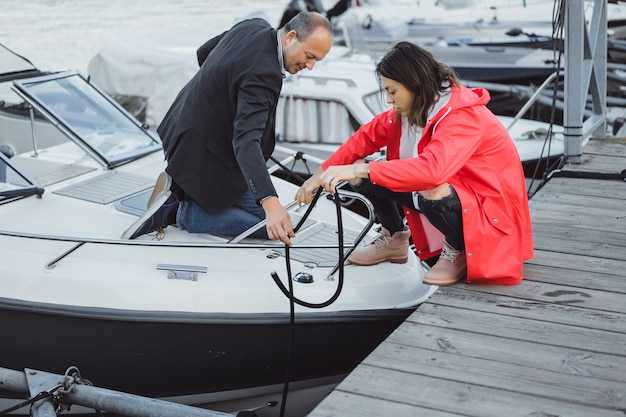
Common options include merino wool and high-thread-count synthetics for the base, with fleece or down for the mid-layer. In a marina or on deck near shore, this combination keeps you warmer while you stay agile. The goal is better thermoregulation through moisture transport and air trapping, so keep underlayers dry and comfortable.
Outer-layer strategy
Install a windproof outer shell that blocks gusts while letting moisture escape. Best defense against gusts, this shell should be waterproof/breathable with a rating around 5k–10k and taped seams to defend against spray. A hood, adjustable cuffs, and an adjustable hem reduce drafts, and you can lower the collar or vent zips to adapt as you move around the boat. If a generator powers cabin heat, the outer layer remains your main line of defense when the engine is off. Like a shield, the outer layer keeps wind away from your core.
For on-deck maintenance, greasing zippers helps them glide in salty air, and a quick sampling of layers during a routine check ensures you’re never overburdened. Follow a simple procedure: verify the fit, confirm you can install or remove layers without restricting movement, and adjust the setup so the second layer sits cleanly under the outer shell. Place layers in a convenient order in your gear bag to stay ready for sudden changes.
Do: Seal drafts by closing hatches and cabin doors, and using thermal curtains
Close hatches and cabin doors to seal drafts, then hang thermal curtains over windows to block cold air and minimize heat loss. Attach towels or foam draft stoppers along door bottoms and hatch frames to fill gaps where air leaks; place them where airflow is visible and were easy to secure. Use visors on windows to cut glare while you monitor gauges, and keep curtains or insulated sheaves of fabric attached to window frames to maintain warmth. Features like doubled-pane windows or weather strips reduce heat loss and make the cabin warmer with less energy use.
Position heaters to circulate warmth evenly, avoiding hot spots and overloading circuits; ensure a safe supply of heat by keeping vents clear and cords tidy. In spaces with air conditioners or other conditioners, set devices to comfortable levels and use case-specific coverings at contact points to reduce heat transfer. Were gaps present around tanks or ventilation, seal them with weather strips or foam tape. Keep lifeboats stored under cranes or in attached bays clear of draft-blocking materials to maintain access. Hydration matters on cold watches: provide electrolytes and water to crew, with towels handy for quick warmth that makes hands warm quickly. This approach reduces risks of condensation and glare and helps maintain a steady cabin temperature.
Don’t: Rely on portable heaters in tight spaces without ventilation and CO monitoring
Do not rely on portable heaters in tight spaces without ventilation and CO monitoring. In a closed cabin, slow buildup of carbon monoxide can become deadly, and you may not notice until symptoms appear. CO is heavier than air, and wind can push fresh air out of a hatch, trapping gas in the sleeping area during boating trips. This risk can become more than a nuisance if left unchecked, especially over long journeys where airflow is limited.
Install a marine-grade CO detector in the main cabin and another near berths, and test batteries monthly. Look for alarms that trigger around 50–70 ppm over eight hours and a faster alert near 200 ppm. If the alarm sounds, shut off the heater, open a hatch, and move to fresh air. This safety feature brings real protection to everyone on board and helps you develop safe habits on trips.
If warmth is essential on trips, choose safer options. Electric heaters connected to shore power or a certified generator provide heat without combustion by-products, but require correct wiring, a dedicated circuit, and ample ventilation. Place the unit onto a nonflammable surface and keep at least 1 m (3 ft) of clearance from walls, curtains, and gear. Never cover the heater with a blanket or fabrics; if the heater is covered, heat can build up and become dangerous. For portable units, verify features such as auto shutoff and an oxygen-depletion sensor. Using a fuel-burning heater in a closed cabin without CO monitoring is not acceptable.
Keep fuels and lubrication out of the living area, and wash hands after handling fuels or spills. Do not leave a heater running when you leave the space or go to sleep. In case of abnormal smells or alarms, shut off the heater and ventilate immediately. The same caution applies if you find a heater positioned too close to fabrics or other heat-sensitive items.
Developing a safe routine is wise for both day trips and longer voyages. Have layers of clothing, a proper blanket, and a plan that prioritizes air exchange and monitoring. Everything you do–testing detectors, keeping clear zones, and using safe gear–reduces risk and makes every voyage more comfortable. These guidelines were made to be practical and effective for summer nights as well as cold-season trips.
The thing to remember is that you should not improvise with heat in a cramped space. If safety tests were not performed, if you are unsure about ventilation, or if any doubt remains, it is better to switch to a safer approach and keep all of your crew sure of their safety.
Use an air conditioner with heating mode when available to boost warmth
Turn on the heating mode on your boat’s air conditioner and set the thermostat to 22–24°C. In many vessels, a 12,000 BTU marine system can lift the main cabin temperature by about 4–6°C within 20–30 minutes, depending on the lines and outside conditions. This quick boost is often noticeable and reduces the need for portable heaters, helping you stay focused on the voyage rather than fighting the chill.
To distribute heat effectively, aim warm air toward the center of the space and away from windows. Use the head vents to avoid blasting heat at cold surfaces; they offer features like zones, so you can choose to heat the living areas while keeping the head cooler. If they are wearing jackets, the warmth reduces the feeling of cold and helps crew stay comfortable when anchored in a region with chilly nights.
Power management matters: heating mode adds load on the systems and may leave batteries drained if you rely on them on battery power alone. This approach reduces risks of battery drain or overheating. Invest in shore power or a reliable generator, and use the timer or auto mode to keep operation limited to when people are aboard. Do not run it over the rated capacity; many adventures in cooler regions benefit from preheating before anchoring.
Safety and maintenance: this approach helps minimize risk of condensation and electrical overload. Keep suction grilles clear and ensure the air intake lines are not blocked by gear. Keep windows closed when heating to minimize heat loss, and avoid placing heat sources near fabrics that could ignite. On board, verify you have the required circuit protection and that the AC unit does not push beyond available amperage. If warmth remains insufficient, incandescent fixtures in small zones can add ambient heat, but rely on LEDs for lighting to reduce overall energy draw. There is nothing like a well-sealed cabin for comfort.
Do: Keep active with short in-cabin routines to maintain body heat
Do 60–90 seconds of light in-cabin movement every 12–15 minutes to prevent heat loss through the hull and freezing cabin air. The same pattern becomes more effective when you pair it with breathable layers and a stable stance, especially during long boat adventures aboard ships. Movement drives heat through your body, activating muscles and sweat glands; warmth becomes noticeable within a couple of cycles, and you stay warmer under blankets or on mattresses between rounds.
In-cabin routines to try
- In-place march for 60 seconds to keep blood flowing and your core temperature up.
- Seated or standing leg lifts for 30 seconds to boost circulation; hold onto a mattress or chair for balance.
- Arm circles and shoulder shrugs for 30 seconds to generate heat with the upper body.
- Calf raises and toe taps for 30 seconds to drive blood back toward the core.
- Seated trunk twists for 20–30 seconds to mobilize the spine and maintain flexibility in a compact cabin.
Safety and practicality tips
- Keep sessions short and frequent to prevent fatigue and glare from cabin screens; those micro-bursts lower heat loss and reduce risk of stiffness.
- In cold areas near the hull or tank, wear breathable base layers and a snug hat; these protect core temperature without overheating.
- During watch, stay hydrated to support circulation and prevent cramps that could slow down movements.
- Prioritize your battery supply for essential electronics; use these routines instead of running high-power devices to stay safely warm.
- Leave the cabin organized and ready for movement; a stable space with mattresses and cushions reduces the chance of slips while you operate through the routine.