


 Slovenčina
  English (UK)
  Русский
  العربية
  日本語
日本語  한국어
한국어  Magyar
  Türkçe
  Español
  Čeština
  Svenska
  Português
  Ελληνικά
  Suomi
Suomi  Nederlands
  Română
  Italiano
  Français
  Polski
  Українська
  Deutsch
  简体中文
简体中文 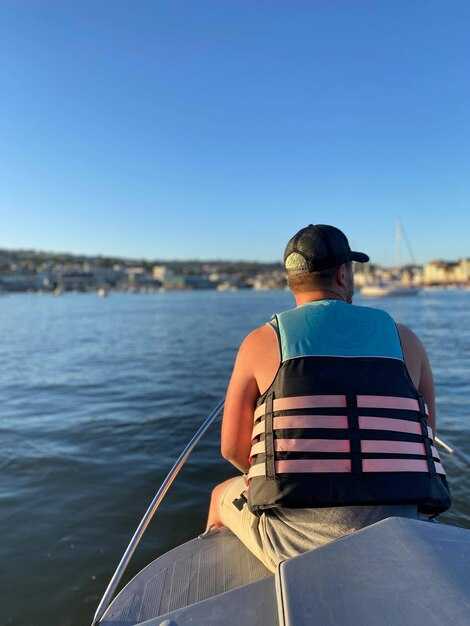 How to Drive a Boat for Beginners – A Safe Step-by-Step Guide">

Nothing substitutes hands-on practice; this approach translates into calmer decisions, clearer communication, and a steadier start on the water. Your basic goal is to keep hazards visible and your attention on the craft’s response, not on the surroundings alone.
Always start with a weather check and local conditions; set a short, controlled trip plan. Take the helm with a light touch, handle the wheel smoothly, and keep engines at idle until you confirm your position. They rely on steady grip and clear signals; your crew stays ready to assist. Navigate with deliberate, low-throttle movements to avoid surprises and protect from hazards.
When it’s time to move, ease the throttle up so the craft begins to propel smoothly. Keep your hands on the wheel, eyes on the water, and your feet ready to adjust. Watch the bow above the wake; if you see obstacles, ease the throttle down, slow down, and steer away to a safe path. Practice stopping in calm sections so you build life-long habits that stay with you after the trip.
Understanding your position relative to shore, other boats, and fixed hazards is critical. Be sure your crew knows the plan and the signals you will use. Use markers and depth readings to stay above submerged hazards; keep in channels that respect the rules. They highlight best routes, but you must confirm your approach with your own eyes and a quick radio check, staying within secure limits.
When idle, run routine checks: fuel gauge, battery, steering play, and emergency cut-off switch. editors note: document your findings after each outing, so you can compare how much your handling improves across trips. They will remain a reference as you refine your approach in different weather states and water conditions.
During a full trip, position yourself to maintain control near shore and always keep a clear path for escape. If visibility narrows, slow down, point toward open water, and keep your attention on the horizon. This mindset makes your decisions more precise, and you will grow confident in how you handle varied water and weather.
Learn How to Use the Throttle
Begin with the throttle at idle, then push forward in small, steady increments to reach a light propulsive speed. Keep your hand relaxed and centered on the lever, and note exactly the position where the vessel responds clearly. Before leaving the dock, run a quick check of gauges and a visual sweep for hazards. The answer is that steady control comes from smooth transitions, not from jerky movements.
- Position above idle: Position the throttle in idle and confirm the lever operates through its full range; understand the function so you move with confidence.
- Started the engine, then apply light throttle by small increments (about 5–10% of travel); hold briefly to assess response.
- Operate the control smoothly; keep the vessel moving like a sail catching a light breeze, and avoid abrupt surges.
- Hazards check: monitor other vessels, shallow water, rocks, and wakes; watch for wash behind nearby craft; maintain distance in congested areas and be prepared to back off if needed.
- Stopping action: ease toward idle for a controlled slowdown; if conditions allow, glide to a gentle stop at a safe distance from others.
- Leaving procedure: drop to idle and move to neutral if present; keep the bow aligned with the target position and clear the area before moving away.
Note: this essential practice keeps boaters safe and efficient. Refer to the book to view an exact checklist that covers engine limits, fuel, safety gear, and local hazards. Extra attention to before departure helps you manage the wash and maintain control while operating.
Predštartový bezpečnostný kontrolný zoznam
1. Confirm expiry dates on safety gear and equipment before you head out. Simple, recreational outing starts with gear in date and undamaged. Check PFDs, throwable device, fire extinguisher, flares, and first aid kit. Log the date and initials for these items and keep the record aboard.
2. Inspect control handle and lever movements, and verify the shift mechanism operates smoothly. Move the throttle handle and gear levers through full travel in a controlled, deliberate manner. If you feel stiffness or play, pause and address it before launch. These movements ensure the crew arent exposed to risk.
3. Manage lines and dock area, focusing on lowering fenders and unhooking from cleats when safe. Coil mooring lines, check that fenders are ready, and ensure nothing can snag prop or deck. Keep deck clear of loose gear. When you are ready to depart, unhook mooring lines from cleats; lowering fenders to the ground level reduces contact with dock.
4. Check navigation equipment and safety devices. Test VHF, GPS, and navigation lights, and confirm current weather and water conditions align with plan. Keep a simple log of these conditions with date. Ensure steering responds to small inputs and that the control handle movements are predictable.
5. Inspect fuel, battery, and engine safety devices. Check fuel level and lines for leaks, replace old fuel, and confirm battery is charged. Test the engine cut-off switch and ensure the disconnect works. If something isnt right, dont progress; correct issues before proceeding. Disengage any unnecessary circuits only after confirming safe conditions.
6. Crew briefing and safety roles. Assign a lookout, confirm life jackets worn, and specify weight distribution limits. These arent to move around quickly until you have calm conditions and a clear path.
7. Final ground test and plan confirmation. Start the engine on ground in neutral and listen for abnormal sounds. Check that RPM rises smoothly and steering direction responds correctly. Pause after each check, and lets confirm the plan with the crew before leaving the dock. If all indicators are normal, proceed with a slow, controlled departure keeping the routine simple and repeatable.
Know Your Boat’s Controls: Throttle, Steering, and Kill Switch
Set the throttle to idle, clip the kill switch to your belt, and confirm the engine responds to light input within a heartbeat. Leaving this dock today will be smoother when the system is ready.
With the motor idling, advance the throttle in small, controlled steps. Determine a safe progression by watching RPMs and listening to the exhaust; avoid jumping to high speed. Keep power smooth to maintain ground control, and avoid over-throttle during transitions near the dock. Feel the breeze and stay in control at all times. Be mindful of over speed during transitions.
Grip the wheel firmly yet softly, steer toward starboard or port as needed, and sense the mechanical response. Move only as far as the hull tracks straight, then ease back toward center to keep passengers comfortable and reduce yaw.
Kill switch handling: ensure the lanyard is secured, and assign a passenger to monitor it during movement. If it pulls, the motor stops instantly, giving you control to assess the situation and reengage when conditions permit.
Pre-ride checks: review local conditions, inspect the fuel gauge, and select a selection of speeds that match the breeze today. Give yourself time to become familiar with the controls; that reduces risk and keeps passengers safe. A quick date after practice helps keep the habit, and you found additional confidence alongside reviews from boaters nearby. If anything feels off, stop, fix it, and resume with needs met.
Engine Start, Idle, and Forward Readiness
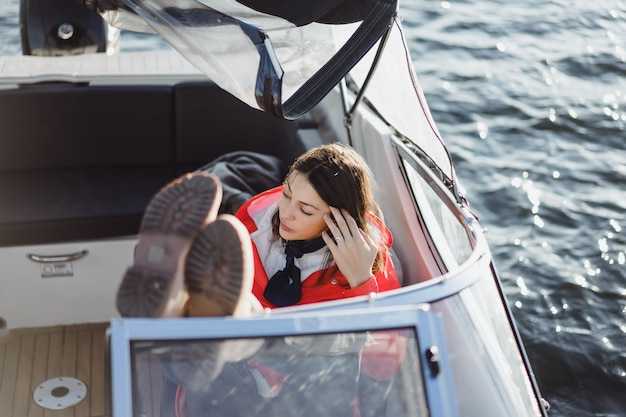
Recommendation: run pre-departure checks, start in Neutral, let the engine idle at 800–1000 RPM, verify cooling water flow, ensure the telltale stream is steady, and verify theres no abnormal vibration before moving.
Note: if the engine hunts or stalls, briefly bump throttle to 1000–1200 RPM for a short moment, then return to idle and recheck.
Forward readiness: apply throttle smoothly, shift to forward after a clean rev, most motorboats respond best to a gradual roll to 1500–2000 RPM to establish moving speed, then settle to planned pace.
Between idle and forward, confirm steering response, trim for conditions, and stay on the plan to navigate between visible hazards; this thing matters for stability.
Equipment check: verify kill switch lanyard attached, PFDs on, VHF accessible, bilge pump ready, and fuel gauge above reserve; pre-departure note that keeping these needs in mind reduces risk.
Dealing with variable conditions: whether near a dock or in open water, theyre more predictable with steady RPMs; keep extra throttle ready and adjust trim to minimize bow rise; theres no need to push beyond 75–85% power in calm conditions, and you should be happy with a steady pace.
Powerboats and motorboats: most run smoothly at mid RPMs; when moving, maintain steady throttle, avoid abrupt changes, and use a short, controlled throttle increase to accelerate; weve found a 10–15% RPM rise above idle during transition minimizes cavitation and keeps hull stable.
Smooth Throttle Use: Acceleration, Reversing, and Speed Control
Start with engine started, idle, then push the throttle to roughly 25% to begin moving smoothly, keeping the vessel lined up with your navigation line.
Accelerate in small, timed steps: move to 30–40% within 2–4 seconds, then hold steady pressure and avoid sudden surges that upset passengers. In calm weather, this ramp yields a predictable pace; when current or wind is against you, extend the ramp by 1–2 seconds and monitor trim. For rentals, know your craft’s maximum range and stay inside it. Time each push so you have a moment to feel the hull respond before the next increment.
Reversing: shift to reverse only after you have clear sight and space behind. Start with 15–20% throttle, back slowly while looking over your shoulder, keeping the hull level and the turn radius wide. Avoid sharp changes of direction in reverse; once you’ve cleared the space, return to idle and shift forward with a smooth push.
Speed control: use small adjustments in 5–10% increments, keeping the hull on a steady line. Maintain awareness of current and weather, and anticipate chop near shore. In confined channels, stay at the lowest practical speed; during docking, drop to idle near the slip and use fine throttle to hold position without swinging broadside. Those adjustments fit any craft when you select a proper speed selection (slow, medium, fast) according to conditions.
Tips for rentals and new setups: weve learned to practice in sheltered, low-traffic areas, then gradually expand time in open water. Know the exact position of buoys and channel markers, and rehearse these techniques before venturing into more dynamic conditions. Stay aware of others and give them space; the breeze and current can suddenly change your timing, so theyre ready to adjust. Those adjustments apply to all craft, and you should keep your plan flexible and prepared.
Remember: always keep the throttle within the defined selections for your craft, monitor current, weather, and traffic, and dive into adjustments with a plan to avoid surprises. These steps help you stay in control when you need extra precision, and they reduce risk during busy times or rentals.
Docking and Open-Water Maneuvers at Low Speed
pre-departure checks: fuel enough, oil level, life jackets accessible, lines ready, fenders placed. Set engine to idle and advance at a walk pace; keep hull on a steady plane and watch for ground obstacles and large wakes. Knowing space requirements lets you begin with margin.
Approach the dock on starboard with light, continuous engine and small, smooth corrections. Avoid abrupt movements; when close, maintain 1 or 2 boat-lengths clearance and use backwards thrust to back away if more room is needed. Signal to any crew with hand signals and secure with spring lines once the bow or stern lines are within reach.
Open-water maneuvers at low speed focus on control and predictability: keep a steady tempo; use engine to maintain heading against wind or current; practice simple patterns such as small circles or a shallow arc to refine handling. Stay in clear water, monitor depth and traffic, and limit power changes to smooth, incremental inputs. These tips apply to most motorboats and are accessible to solo operators.
solo operating requires disciplined prep: keep throttle steady, one hand on the wheel, eyes scanning both sides and ahead. most maneuvers are simple when you follow a routine; lets check wind, current, traffic, and depth before each move, then head toward a sheltered area or harbor if conditions worsen.