


 Slovenčina
  English (UK)
  Русский
  العربية
  日本語
日本語  한국어
한국어  Magyar
  Türkçe
  Español
  Čeština
  Svenska
  Português
  Ελληνικά
  Suomi
Suomi  Nederlands
  Română
  Italiano
  Français
  Polski
  Українська
  Deutsch
  简体中文
简体中文 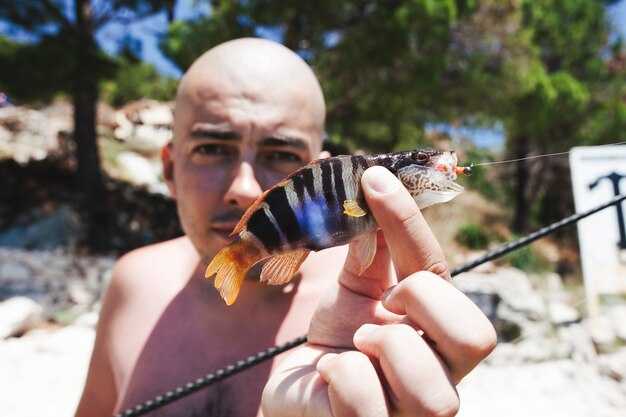 How to Catch Catfish – Expert Tips on Bait, Gear, Techniques">

Start with locating a hole on a shallow downstream bend where the current slows and structure concentrates prey. countyfeatures such as submerged timber, rock ledges, and a wide bottom profile draw the most active fish; scan the shore for signs of sunfish activity and feeding along the edge.
Set up a sliding rig on a robust tackle setup with a sturdy line, a 2–4 oz weight, and a strong circle hook. Use a sunfish chunk or whole sunfish as the lead piece, keeping the mouth of the fish oriented toward the point. Employ a hybrid setup that blends weight and sensitivity, ideal for bottoms and snag-rich runs. Cast across a range of depths from shallow to mid-column, and be ready to adjust the leader length depending on cover.
Execute the retrieval with rhythm: cast along the downstream edge and let the bait settle; when a tug comes, pause, then sweep the rod tip and feed line to keep contact. The slowest bites often arrive after the weight settles near the bottom; stay patient, guard against snags, and let every test teach you the water. If you love quiet patience and precise timing, this approach is rewarding, because the fish gravitate toward the bait, bringing steady action from them.
Adapt to the river’s rhythm because the pattern depends on season, current, and light. In your home waters, mark where you find them most often: near holes, along the shore, or downstream from big structure; note how often bites occur at dawn or dusk. sometimes the best bites come after a short adjustment, so move a few arm lengths and recheck the line. The reward is steady, and the tackle you build today will pay off every outing.
Practical Catfish Angling Guide
Use a minimum 20–30 lb mainline with a 12–24 in leader, a 2–3 oz sliding weight, and a sturdy circle hook. Anchor down in coves where riprap lines the shore and current slows; present them just off the bottom where the edge structure holds fish. Keep the line taut to register quick takes, and adjust your position with each cast based on water clarity. These setups have fished reliably across coastal bays and okaloosa lagoons.
For attractants, use sucker chunks, mullet pieces, crawlers, and a dough ball option; try your favorite combination and test each element to isolate results. The stink of natural scents matters; use unique presentations to improve response. With clear water, go lighter; with stained water, extend the longer leader and let scent linger. In okaloosa coves near riprap, this approach shines. If you fish into longer sessions, stock extra chunks; they stay effective across tides.
Target zones by depth: flathead favor deeper edges, striped cats lurk near structure at night; place one line toward deeper pockets and another toward shallower zones to cover multiple possibilities. As advised by local captains, adjust angle and use staggered lines for easier detection of subtle taps. Each cast should bring the offering within reach of likely holds, and when you see a line twitch, give a firm but controlled set. Fished this way, you can feel the difference between a light nudge and a real bite, easy to distinguish; determined by tide and wind, keep your stance steady and read the current before the next cast.
| Condition | Nastavenie | Poznámky |
|---|---|---|
| Calm, clear water near coves | 20–30 lb line, 12–24 in leader, 2 oz weight, circle hook; sucker or mullet chunks | Present just off the bottom, near riprap |
| Murky water, dusk | Longer leader, dough ball, crawlers | Stink attractants boost visibility; okaloosa spots respond well |
| Deep flats with current | Anchor down; two rigs aligned to hold in cross-current | Target flathead more; maintain minimum tension |
Choosing the right bait for catfish by species and water conditions
Start with live shad on forked-tail rigs in slow-moving lakes spanning acres; this choice yields the most rewarding bites for blues and flatheads when temperatures hover between 60 and 78°F. Place the set-up near the bottom and tend the line through weed edges and along creeks, where fish frequently pass by in sunshine.
Channel catfish in public waters respond well to cut shad or chicken liver. Use a robust set-up with 2–4 oz weights and a strong leader, and fish near submerged logs or along back eddies where current slows. If the bite is slow, wait the minimum time before swapping baits, then switch to a stinkier option or a fresh cut to keep their attention through the day.
Blue catfish prefer bigger offerings in large reservoirs or lakes well over 100 acres. Go with live shad or large cut bait, targeting depths of 20–40 feet when temperatures rise into the 70s. Use 6–10 inch baits on multi-hook rigs and a heavier line to hold bottom in current. In stained water, add scent and adjust leaders to keep the bait inside the backwash that blues patrol.
Flathead catfish bite best on live fish such as bluegill or shad, often around submerged wood and logs. Target slow-moving channels and brushy cover near Woodruff areas or other woody structure; use bottom rigs with heavy weights and circle hooks sized 6/0–10/0. In lakes with clear water, offer natural presentations; in murk, lean toward larger, stronger baits to trigger sight and bite signals.
Water conditions dictate placement: in lakes with clear water, mimic natural forage and keep baits steady near cover; in acres of murky water, increase bait size and scent to reach fish through the glassy or turbid layers. Orlando-area public lakes and similar states demand frequent changes in depth and distance from shore, especially on sunny days when fish back off to cooler zones. If a bite is determined by line movement rather than visible strike, adjust depth and switch to shad or cut bait that matches what the fish have been feeding on.
Hook types and rigs for flathead, channel, and blue catfish
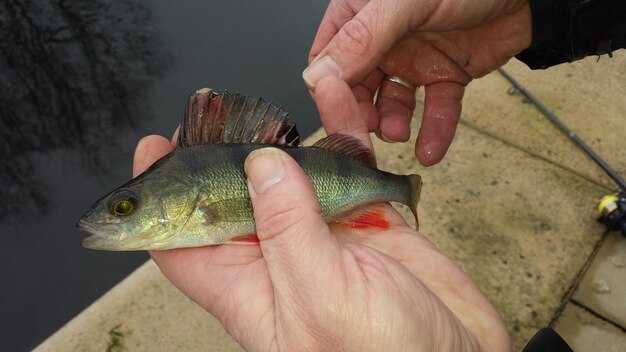
Begin with a Santee Cooper bottom rig: 6–8 oz weight, bead, and barrel swivel, plus a 12–18 in leader to a circle hook for blue catfish; switch to a large J-hook or curved point for flatheads. Spooled braided line provides the necessary strength, and a stout knot keeps connections secure. In muddy current, add weight to pin the rig to the bottom. This setup tend to hold in current and minimize snagging near cover, creating reliable opportunities from tailwaters to deep holes.
Flathead-focused configuration relies on direct bottom contact: a single large hook (5/0–8/0) on a 12–24 in leader with a bottom-hugging stance. A Texas rig with a slip sinker works well, or run a dropper loop with a curved hook to keep the bait near the riverbed. Use 6–8 oz in moderate flow to maintain contact; a straight or curved hook aids clean hooksets on big fish.
Channel cat rigs favor simplicity and quick, solid hookups: a bottom setup with a slip-sinker and one or two hooks, weights 1–4 oz, and circle hooks (#4/0–#7/0) to minimize gut hooking. A short dropper leader keeps the bait in the strike zone while the main line moves with current. In calmer water, a Texas rig offers dependable performance with a single hook and light weight (1–2 oz).
Blue catfish demand heavy tackle and reinforced connections: 8–12 oz weights in flowing water, 60–100 lb class braided line, and long leaders. Either Santee Cooper or Texas rigs work well; circle hooks boost hookup efficiency and reduce handling stress. In slow tailwaters, try artificial lures such as crankbaits to locate fish, then switch to dough balls or paste-based attractants mounted on the hook to seal the bite.
General setup notes: plan from the ramp, coordinate with friends, and begin early in the season when flows are favorable. Use spooled braided line for performance, keep weights heavy enough for muddy conditions, and choose hooks with curved or straight profiles based on bite style. Such rigs tend to deliver, even when fish hold deep or lurk near cover, and they translate well across multiple water bodies and seasons.
Rods, reels, lines, and terminal tackle for freshwater catfishing
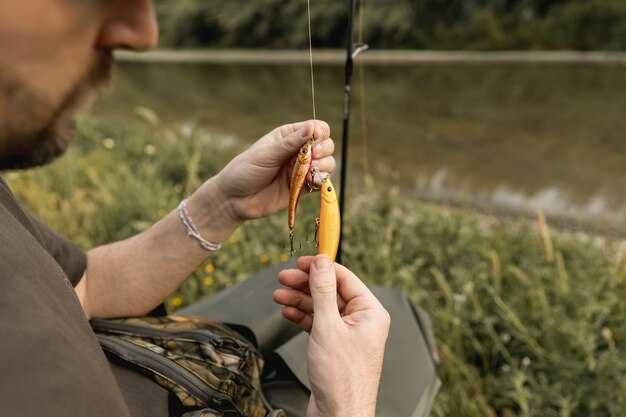
Best starting setup for freshwater catfish is a 7-foot to 7.5-foot rod with medium-heavy action, paired with a sturdy reel and smooth drag. Use about 200 yards of 20 lb braided line backed by 12- to 15-lb monofilament, or run straight braid for deep, beefy control. This setting lets you bring them out of dense cover and patches across acres of water, turning the battle into a controlled, powerful fight.
Line choice and handling: Braided mainline delivers very sensitive feel and strong performance, while a fluorocarbon leader 20–40 lb resists abrasion from rocks and timber. Soak the leader before tying to reduce knot slip in cold water. This setup offers a fantastic balance between learning and control, especially when you fish near sunfish and striped patches that mark weed lines and feed zones across acres.
Terminal tackle: Use hooks sized 4/0–8/0, with circle or wide-gap shapes depending on bite style. A sliding sinker above a bead and swivel prevents line twist; pair with a 20–40 lb fluorocarbon leader for abrasion resistance when fishing into timber and dense cover. This arrangement stays strong in a battle and keeps big fish from tearing off.
Rigging and setting: Approach this sport with a simple rig that works in wintering pools and dense cover. If youd prefer simplicity, begin with the Carolina rig. Tie knots with a reliable palomar or improved clinch; keep line setting taut as you probe patches in acres of water, including weed beds and sunfish schools. Their feeding tends to be gorging during warm spells, so stay focused and smooth, happily turning learning into solid results.
Baiting tactics: fresh bait vs. stink bait, scent trails, and presentation
Begin with live beef bullheads as your main attractant; harvested from a licensed fishery, these fish stay dense in a cooler and deliver strong aroma. Thread 2–4 on a sliding leader so the hook sits 6–12 inches off the bottom, then cast along the shore, side channels, and maidencane patches where activity is highest. Access public ramps and prepare for early drives; plan year-round trips, looking for movement near structure and chasing the target in the same area. In the Weohyakapka fishery and nearby public waters, this setup produces consistent results.
Čerstvé, živé sumčeky vyžarujú v čistej vode ostrý pachový impulz; v zafarbenej vode alebo v podmienkach s bohatým prúdom naneste prehnité atraktanty na báze rýb, aby ste predĺžili pachovú stopu za montážou. Používajte mierne množstvá, aby ste vytvorili vo vode vôňu bez toho, aby ste preťažili nastavenie; menej je často viac a môžete ju obnovovať každých 20 – 30 minút počas stabilných podmienok, vďaka čomu stopa naplní vodný stĺpec.
Scent trails: nechajte prúd tlačiť arómu pozdĺž dna smerom k cieľovej zóne; prechádzajte pozdĺž okrajov tráv, burinových vreciek a zlomov, kde hustý porast koncentruje ryby. Rotačná prezentácia pomáha udržať nástrahu v kontakte s dnom a zároveň umožňuje vôni unášať sa smerom k rovnakej oblasti. Vody prístupné cez verejné prístupové body v blízkosti loviska Weohyakapka dobre reagujú, keď umiestnite šnúry smerom k vetru a prúdu.
Na prezentácii záleží: používajte posuvné nastavenie, aby ste návnadu udržali mimo buriny a kontrolovali hĺbku. Striedajte pomalé spúšťanie s dlhšími, plynulými splavmi, aby ste pokryli rovnaký úsek; udržujte prezentáciu 15–30 cm nad dnom, ak je prítomná štruktúra, a spúšťajte hlbšie tam, kde dno stúpa do strmšieho svahu. Používajte viacero vlascov z brehu na zvýšenie pokrytia, najmä počas skorých ranných alebo neskorých popoludňajších lovov, a koordinujte sa s chlapmi na rovnakej lodi pre efektívne záťahy; tento prístup uľahčuje prispôsobenie sa meniacim sa podmienkam.
Terénne poznámky: zaznamenávajte počasie, priezračnosť vody a ktoré atraktanty priniesli akciu; hľadajte známky skrytej aktivity – narušené bahno, línie vĺn alebo pumpovanie chvostom – a rýchlo sa prispôsobte. Vo verejných priestoroch blízko brehu a hustých porastov tráv môžete dosiahnuť konzistentné výsledky počas celého roka udržiavaním stabilnej zásoby získaných živých ponúk s hovädziou príchuťou. Zdieľajte novinky s Orlandom, rybárskym revírom Weohyakapka a blízkymi spravodajskými zdrojmi, aby ste zostali informovaní a dosahovali výsledky proti rovnakému cieľovému druhu.
Čítanie záberov a načasovanie: ako optimalizovať údery podľa sezóny a dennej doby
Zamerajte sa na lov rýb počas súmraku a úsvitu – keď sa voda mierne ochladí a aktivita stúpa. Vo východných a severovýchodných systémoch tieto hodiny na plytkých pláňach a v blízkosti krovín pripravujú pôdu pre jasnejšie signály záberu a rýchlejšie reakcie.
- Jar: po výtere prudký nárast aktivity a plytšie kŕmenie
- Najlepšie časy: od brieždenia do dopoludnia, najmä v blízkosti brehu a prístupových bodov pozdĺž riek a zálivov, ako je napríklad ústie rieky Apalachicola.
- Čítanie záberov: očakávajte rýchlejšie zábery, keď ryby vplávajú do zón s hĺbkou 2–8 stôp okolo krovísk a miest, kde sa zoskupujú ostrieže a iné druhy; hľadajte krátke, zreteľné ťahy a plynulé naklonenie vlasca, keď sa zachytia.
- Poznámky k vzorom: tieto ryby milujú pohyb cez teplé miesta a majú rady štruktúry, ktoré lámu prúd; používajte crankbaity, ktoré napodobňujú shad a inú potravu, a potom prejdite na hlbšie zostavy, ak sa akcia presunie na otvorené more.
- Odporúčané vybavenie a návnady: plánujte lov na otvorených brehoch a miestach s prístupom pre člny so stredne tuhým vybavením; používajte návnady s dĺžkou 5–10 cm, aby ste prilákali pomalšie a rozvážnejšie zábery, ktoré sú bežné koncom jari.
- Leto: horúčava spomaľuje tempo záberu; maximalizujte koncentráciu
- Najlepšie časy: za brieždenia alebo pri západe slnka; v horúčave dňa sa ryby presúvajú do hlbšej vody alebo pod previsy brehov, preto sa presuňte do hĺbky 2–6 m a k húštinám pozdĺž brehov alebo cez kanály.
- Zábery pri čítaní: najpomalšie zábery prichádzajú, keď sa vlasec na krátku chvíľu uvoľní a potom nasleduje prudké zatiahnutie; dávajte pozor na jemné potrasenie hlavou a jemné potiahnutie za prvý centimeter vlasca, keď si ryba zabezpečí návnadu.
- Poznámky k vzoru: zamerať sa na miesta s prístupom k hlbším termoklinám a kŕdľom slanečky americkej; plánovať prácu s ohľadom na býčkov obyčajných a iné ryby žijúce pri dne, ktoré sa intenzívne živia padajúcimi slanečkami na povrch.
- Sprievodca výberom náčiní a návnad: používajte crankbaity, ktoré napodobňujú húfy shadov a prispôsobte sa pomalšiemu a metodickejšiemu navíjaniu; udržujte zostavy blízko úkrytu, ale vyhýbajte sa nadmernému umiestňovaniu na otvorených morských stenách.
- Jeseň: okno kŕmenia sa rozširuje; zábery sa stávajú rozhodujúcejšími
- Najlepšie časy: pred svitaním a po súmraku, s vreckami teplého počasia predlžujúcimi aktivitu; v rozsiahlych riečnych systémoch, lokality pozdĺž severovýchodného pobrežia a do východných panví vykazujú konzistentné zábery v plytších až stredných hĺbkach.
- Čítacie zábery: očakávajte silnejšie ťahy alebo náhly pokles, keď aktívne húfy prenikajú do zón 4–12 ft; mnohé zábery nastanú, keď ryby krúžia od krovín do otvorenej vody v blízkosti prekážok.
- Poznámky k vzorom: školy sa zhromažďujú okolo plytkých ríms a výbežkov; zamerajte sa na prístupové body a okraje pobrežia, kde vlny tlačia návnadu.
- Odporúčania pre výstroj a návnady: uprednostňujte spoľahlivé návnady, ktoré sa dobre nahadzujú z brehu alebo z lodí; plánujte prácu s rôznymi prezentáciami v plytkých a stredných hĺbkach a často prepínajte medzi vzormi napodobňujúcimi shad a agresívnejšími crankbaitmi.
- Zima: studené fronty, trpezlivé skúmanie, hlbšie úchopy
- Najlepšie časy: neskoro dopoludnia až skoro popoludní, keď sa po vystavení slnku vytvorí plytké otepľujúce sa miesto; pozerajte sa cez hlbšie kanály a okolo štruktúr, ktoré udržujú zvyškové teplo, vrátane zvyškov kefov a slnkom zaliatych brehov.
- Čítanie záberov: zábery sú najpomalšie a najúmyselnejšie; sledujte minimálny pohyb vlasca predtým, ako sa ťah zmení na stabilné ťahanie, často pripomínajúce jemné ťahanie na dne.
- Poznámky k vzorom: zamerajte sa na prístupové body a pobrežné miesta, kde sa zdržiavajú slede a iné krmivo; plánujte loviť v okolí býčkov a iných živočíchov žijúcich na dne, ktorí sa zhromažďujú v blízkosti hlbších úkrytov.
- Návod pre výstroj a návnady: používajte hrubšie vlasce a pomalšie, trpezlivé tempo; zvážte väčšie nástrahy alebo prirodzené prezentácie, aby ste v chladnejšej vode vyvolali záber.
Základné sezónne stratégie: zamerajte sa na miesta, kde kefy a štruktúry držia návnadu, postavte sa blízko prístupových bodov, brehov a cez vodné stĺpce, kde sa pohybujú húfy koristi. V regióne Apalachicola a iných východných vodách prinášajú najlepšie výsledky pravidelné kontroly pozdĺž oboch brehov a hlbších kanálov. Plánujte nahadzovanie z lodí alebo brehu a prispôsobte sa prostrediu – ideálne okno pre zábery sa často riadi počasím a teplotou vody: keď je pokoj, zvyšuje sa počet aktívnych rýb v blízkosti línií kefiek, a keď sa dvíha vietor, odtiene a podvodná štruktúra poháňajú neustále kŕmenie. Na viacerých miestach uvidíte, že sa priemerné rýchlosti menia; najlepší čitatelia sa učia skúmať menej aktívne oblasti a potom sa zameriavajú na najsľubnejšie miesta s trpezlivým a metodickým prístupom. Pravidelne navštevujte prístupové body a hromady kefiek na vašich obľúbených severovýchodných trasách, aby ste udržali plán čerstvý a spozorovali zmenu aktivity od úsvitu do súmraku.