


 Slovenčina
  English (UK)
  Русский
  العربية
  日本語
日本語  한국어
한국어  Magyar
  Türkçe
  Español
  Čeština
  Svenska
  Português
  Ελληνικά
  Suomi
Suomi  Nederlands
  Română
  Italiano
  Français
  Polski
  Українська
  Deutsch
  简体中文
简体中文 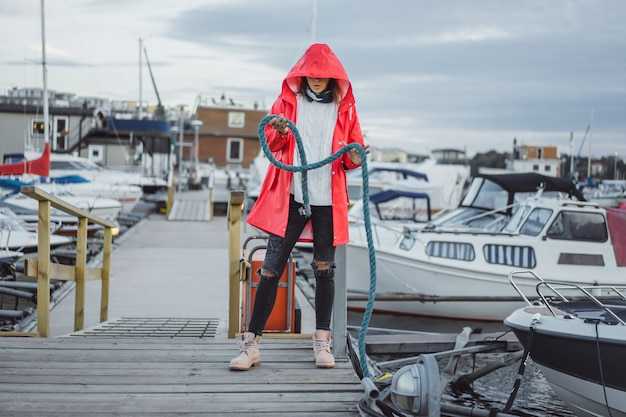 How to Anchor a Boat – A Step-by-Step Guide for Safe Mooring">

Drop hi-test chain and line to a 5:1–7:1 scope in calm, shallow water, and attach it securely to a robust bow cleat. Let the rode be lying on the bottom and the boat riding the current, not dragging. This setup follows a rule that reduces risk and offers a stable reference as conditions shift.
The intended bottom type matters: sand with low current holds better; rocky or weedy beds demand shorter scope and more power to maintain grip. Most vessels in depths up to 8 m use about 6x depth of rode; at 5 m depth that equals 30 m of line and chain. Use hi-test chain to reduce stretch; keep the line attached to the chain, not to the bow cleat or locker, to prevent creep and chafe.
Before settling, run a quick test: ease the line and watch for drag; if the vessel shifts more than a meter in 15 seconds, increase scope or shift to a deeper spot. The rule is simple: more power yields more holding, while letting slack invites drift. The crew should have skills in reading currents and tying reliable knots, such as a bowline or cleat hitch, though the latter varies by gear. The line should remain attached to the cleat and to the rode to prevent chafe. Sailing practice helps you apply these checks easily, even if winds rise unexpectedly.
In shallow harbors and crowded marinas, use a shorter rode to reduce swing, making the task easier. Such disciplined checks, though repetitive, fit most vessels and crew sizes; it minimizes risk while preserving power to ride out short squalls. Taking the time to rehearse the setup builds confidence and keeps the process simple, even when the water looks choppy, and the horizon seems like a toon cartoon rather than a calm scene. Most importantly, always verify weather updates and be ready to adjust if the wind shifts abruptly.
Bahamian Moor Setup: Site Evaluation, Gear, and Execution
Locate a well-sheltered site with good holding and a limited swing radius; lay two mushroom anchors in a circle to keep a recreational vessel lying steady, just like a well-timed setup that makes calm conditions easier to handle, even when winds shift or currents change.
Depth target: 5–12 m. Bottom: sand or mud for best holding; weed, rock, or coral reduce grip; areas like weed patches should be avoided; locate underwater obstructions and map the areas you plan to use; with rule of thumb, allow at least 1.5–2 vessel lengths of clearance from structures or shoals; current, wind, and surge should be evaluated instance by instance; lines should lie easily, wrapped around cleats to prevent chafe.
Gear: two mushroom anchors rated 25–60 pounds each, two lines 15–30 m long for each, optional short chain segment to help set, buoy and float to mark, and a secondary line for adjustment; attach to the vessel with a hand-over-hand wrap and keep lines wrapped around cleats to reduce wear; a spare rope stored in the home locker provides quick replacement if needed.
Steps to execute: drop the two anchors to the seabed while maintaining the vessel in a true position, arrange them to form a circle around the vessel, mark the stern line with a buoy, connect the secondary line for adjustments, start the engine at idle to test hold and swing, verify the vessel lies well inside the circle, and adjust by hauling a short length of line and re-wrapping if necessary, then recheck buoy visibility and keep a safe distance from other craft.
Maintenance and checks: inspect lines and buoys for wear, wrap damage, and chafe; replace worn components; boater should practice come-aboard signaling and keep the engine ready; instance of heavy swells, shorten lines gradually; ensure the circle remains clear of propellers and traffic; store spare parts home for quick access.
Evaluate wind, current, depth, and swing room to prevent crowding
Recommendation: Set swing room minimum 1.5x–2x boat length, rising to 3x in gusty winds or stronger current. For a 28 ft craft that means 42–56 ft of clearance, up to 84 ft when gusts top 25 mph or current exceeds 2 knots. Maintain extra space near buoys, sandbar, and shorelines where seaweed, grass, or shallow bottoms raise snag risk. When in currents, keep stern clear of the channel; use spare rode length to adjust riding position.
Wind and current assessment helps plan adjustments. Check local forecasts; note likely gust timing and direction; upon wind shift, swing room increases or decreases accordingly. If winds come from a direction that brings boats toward a crowded area with buoys or a sandbar, increase clearance and shorten riding length to avoid contact. In shallower basins near seaweed or grass, swing room must be kept large enough so you do not drift onto the bottom or into other craft lines.
Depth, bottom, and swing geometry. Measure depth at low tide and at expected high; base your rope length on range. In shallow zones, extra caution with height of stern to avoid contact with bottom; check for sandbar edges or grass beds; seaweed can snag lines. If the bottom is hard or rocky, adjust line length accordingly. Larger boats require more margin; if depth drops quickly, reduce swing by moving to a deeper hole or repositioning to a more favorable angle.
Obstacle awareness and riding strategy. Keep clear of buoys, sandbar, seaweed beds; if you ride near them, you risk entanglement. Use a flexible approach: adjust techniques, swap to a horizontal line when winds push you sideways; throw a longer line to the cleat on deck; maintain a strong grip and use a hard stop if needed. When gusts hit, use a larger margin to maintain strength; also check strength of line and rode; use steel cleats with protective chafe gear.
Local context and practical tips. Based on local needs, choose a berth style that suits the site. If winds shift, adjust height strategy and re-check swing room; best practice is to enjoy calm moments, then escalate line length when wind rises. Avoid crowding by ensuring a safe distance from other vessels, with room to ride your style without impacting neighbors. It comes down to technique, skills, and adjustments made times when conditions change.
Identify hazards and plan an exit route using charts and sounder
Begin with a hazard scan using charts and sounder, establishing a clear exit corridor at minimum three vessel lengths from edge features and seabed shadows. In calm white water, keep the crew shifted toward the windward side, and account for current drift. This setup reduces sudden movement as you ride the approach.
Plot hazards on charts and confirm with the sounder: edge drop-offs, rocky outcrops, weed beds, wrecks, and submerged cables. Note seabed type and depth changes, marking the next gate in your path that keeps you out of shallow pockets. If markers exist, record their positions and log buoys that signal the route to follow.
During close-in work, use sonar data to verify bottom structure along the chosen path: when depth falls sharply, shift to a deeper lane with the same general heading. Document sizes and shapes of features; keep a safe margin of three vessel lengths whenever abrupt relief or soft soils appear in the seabed.
Assign a hand at the helm and another on the chart while the crew watches the water ahead. danik can verify markers, while barletta buoys help define the white corridor and signal the area riding the edge. Use calm, deliberate motions; throw a line only when control remains solid.
After clearing the hazard zone, rotate to a safe heading and confirm depth with the sounder. If there is a couple on deck, share watch to maintain awareness; keep communication clear and avoid rushed decisions. Stay well back from the edge, and monitor the seabed as you transition to calm water.
Select and prepare gear: bow anchor, stern line or secondary anchor, rode, fenders, and chafe protection
Start with a heavy plow-style bow device, designated recreational use, with a roller head assembly and corrosion-resistant finish, preferably white.
Pair it with a stern line or designated secondary device, plus a robust rode in braided nylon or polyester; keep spare line on deck to react quickly to changes in wind or current.
Rode length equals water depth multiplied by 7 to 10, with an extra 5 m on deck to move easily. Use an appropriate amount of absorption to damp shock loads; moderate tension works best in light chop.
Two fenders, white as a preference, are mandatory at bow and stern, with chafe protection along hull contact points; ensure both lines have protection where they pass through hardware; ashore adjustments can help show best results.
Chafe protection: install sleeves or protective tape on the rode where it passes through hardware; use roller fairleads to reduce wear; check security of all connections.
Most setups benefit from keeping both lines accessible and easy to handle, looking clean ashore; this choice is a favorite among recreational crews, as it resists wear while enhancing safety and security at the moment of moor.
Position the rode to move downwind toward the most favorable direction; this idea reduces stress on gear and helps to moor in a stable stance, even in gusty conditions. That approach makes the setup easy to manage, and you can enjoy adjustments without fuss.
Finally, ashore, make adjustments to ensure the lines look neat and secure; the position of gear should be clear; most crews enjoy safety, security, and ease of handling with a well-planned scheme, which helps to moor confidently and move down the channel with less effort.
| Položka | Specification | Poznámky |
|---|---|---|
| Bow device | heavy, plow-style, white finish, roller | weight by boat length: 3–6 m: 4–6 kg; 6–9 m: 7–12 kg; 9–12 m: 12–20 kg; >12 m: 20–40 kg |
| Stern line / secondary device | braided rope or resin-coated line; rated to main gear | backup control; easy to secure ashore |
| Rode | polyester or nylon braid; scope 7:1–10:1; depth-based length + deck reserve | absorption reduces shock; move down current if needed |
| Fenders | two large white fenders | position at bow and stern; prevent hull contact |
| Chafe protection | rukávy alebo ochrannú pásku; používajte chrániče | kde čiary prechádzajú hardvérom |
Spusťte a založte prednú kotvu s náležitým pomerom dĺžky reťaze/lana a s ohľadom na vietor/prúd.
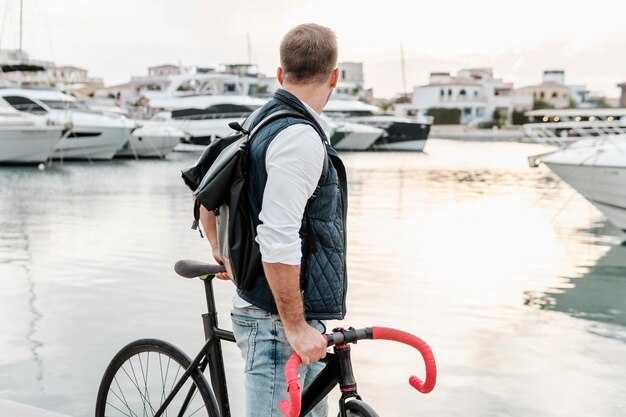
Spustite prednú kotvu s minimálnym rozsahom 5:1 v pokojnej vode a 7:1, keď sa zdvihne vietor alebo prúd. V plytkých oblastiach použite ťažkú hríbovú kotvu na nylonovom lane, aby ste zabezpečili užitočné držanie; vrátane správnej hmotnosti a umiestnenia uľahčuje resetovanie, ak sa situácia zmení. Táto voľba dobre funguje v preplnených prístavoch a môže byť ešte predvídateľnejšia pri dôkladnej kontrole.
Z člna umiestnite loď provou proti vetru alebo prúdu a potom pomaly spúšťajte výstroj. Nechajte lanko odvíjať až na dno mora; pripevnite plavák k lanu, aby bolo miesto viditeľné z plavidla. Udržujte nylonové lanko hladké a pridajte ochranu proti oderu tam, kde prechádza pozdĺž trupu alebo cez priehradky, aby ste zabránili opotrebovaniu. V plytkej vode udržujte lanko kratšie, aby ste znížili odpor; v hlbokej vode ponechajte dlhšiu dĺžku. Tento prístup poskytuje majáky a značky, ktoré vás navádzajú počas kruhu.
Keď výstroj dosiahne dno, jemne cúvnite s loďou, aby ste pomohli záberu, a sledujte vlasec, či sa nepohybuje. Ak sa zistí pohyb, resetujte ho cúvnutím a opätovným spustením. Po vytvorení držania krúžte okolo lana, aby ste zabránili hromadeniu a dávajte pozor na odieranie v podmienkach valenia. V prípade potreby opakujte proces v rovnakej situácii.
tipy: zaznamenávajte si polohu na smartfóne pre domáce záznamy a udržiavajte majáky viditeľné. Ak odchádzate, zaistite lano a znížte riziko výberom kratšieho rozsahu v pokojnom počasí, alebo ho predĺžte len podľa potreby vo veternom počasí. Táto inteligentná voľba znižuje drift a udržuje výstroj pripravenú na rýchle resetovanie, ak je to potrebné.
Všeobecné techniky kladú dôraz na vnímanie vetra, zmeny prílivu a odlivu a správu vybavenia: majte majáky viditeľné, udržiavajte plavák na oťaži a chráňte nylonové lano predieraním. Vždy majte potrebné záložné vybavenie a smartfón na dokumentovanie, ako sa držanie správa v každej situácii.
Zaisti bahamské kotvenie: pripojte zadnú kotviacu líniu k pomocnej kotve alebo pevnému bodu a upracte laná
Pripevnite pevnú líniu k určenému sekundárnemu kotveniu alebo pevnému bodu po vetre, potom usporiadajte všetky línie, aby ste znížili riziko zachytenia a zabezpečili rýchle uvoľnenie, ak sa podmienky zmenia. Využite znalosť terénu, majáky a jasný plán na kontrolu napätia v meniacich sa vodách.
- Predbežná kontrola výstroja: vyberte si záložnú kotvu alebo pevný bod s pevnou základňou – piesok, bahno alebo čistá skala – v dosahu od zadnej časti lode. Uistite sa, že sekundárny cieľ je viditeľný z kormy a že trasa lana sa vyhýba lodným skrutkám a kormidlovému zariadeniu.
- Smerovanie lana: od zadnej vyväzovacej klempy veďte zadné lano dozadu a pripojte ho k určenému kotviacemu alebo pevnému bodu po vetre. Udržujte približne 1 dĺžku lode medzi zadným pripojením a sekundárnym kladkostrojom, aby ste umožnili mierny pokles v prípade posunu dna, a udržujte lano mimo dosahu palubného vybavenia a nakladacích blokov.
- Výber lana: vyberte si voskované pletené lano alebo nylon s vysokou odolnosťou proti oderu a tuhým, predvídateľným uložením. Zvážte možnosť núdzovej kotvy ako zálohu; oceľový hardvér by mal byť dimenzovaný pre zaťaženie a odolnosť voči korózii. Barlettove majáky alebo podobné navigačné pomôcky vyžadujú starostlivé vedenie, aby sa predišlo rušeniu.
- Úprava lán: stočte náhradné lano pozdĺž záchranných lán a zaistite ho na prednej palube mimo otvorov. Vytvorte jasnú cestu cez zadné prievlaky alebo príchytky, aby ste predišli zachyteniu, a orientujte laná tak, aby sa pri zaťažení vzdialili od trupu. Všetky laná zoskupte podľa funkcie, aby ste si zjednodušili kontroly počas noci.
- Monitorovanie a úpravy: sledujte blízkosť lodí, majákov a pobrežných konštrukcií. Kontrolujte vlastnosti držania na rôznych typoch dna a meniacu sa silu vetra alebo prúdu. Pri prerušení alebo náraste napätia ho krátko uvoľnite a znova zaistite, keď sa zlepší držanie na dne. Preto plán zdôrazňuje úhľadné línie a ľahké uvoľnenie a nakoniec overte, či dokážete v prípade potreby rýchlo uvoľniť.
Nočné operácie ťažia z plánu priľahlého svetla: osvetlite záďové lano malým svetlom s nízkym výkonom a uistite sa, že majáky zostávajú v dohľade. V stiesnených priestoroch navigujte pomaly, udržiavajte bezpečnú vzdialenosť od iných plavidiel a nacvičte si postupnosť uvoľnenia s určeným kotevným zariadením. Výber kotvy, použitie pomocnej kotvy a majákov Barletta by sa mali zhodovať s vlastnosťami dna, blízkosťou k uviazaným lodiam a vzormi námornej dopravy. Vždy majte pripravené záložné lano, aby držanie zostalo spoľahlivé po celej dĺžke vašej lode.
Test držania, monitorovanie driftu a implementácia pohotovostného plánu pre meniace sa podmienky
Najskôr vykonajte test držania aplikovaním kontrolovaného zaťaženia na laná a sledujte pohyb hlavy a prevrátenie počas 5–10 minútového intervalu. Tento krok je užitočný a bol overený miestnymi komunitami vodákov. Použite pracovné zaťaženie v librách, ktoré je vhodné pre plavidlo (začnite približne s 20–40 librami na lano, potom ho upravte). Laná uviažte v jednoduchej konfigurácii, ktorú bežne používate, a majte pripravených niekoľko náhradných lán. Ak pohyb presiahne niekoľko palcov za minútu, musíte upraviť uhly, utiahnuť rozloženie lán alebo zvážiť použitie kotvy na zlepšenie stability. Jasná, opakovateľná metóda znižuje riziko pre rodinu a všetkých na palube, vrátane kapitána a posádky.
- Zmerajte drift: označte si pevnú referenciu na palube a zaznamenávajte bočný pohyb každých 5 minút, aby ste určili rýchlosť a smer driftu za aktuálnych podmienok. Táto technika pomáha predchádzať neočakávaným posunom v preplnených prostrediach, vrátane rušných prístavov.
- Posúdiť morské dno a rozsah: overiť typ morského dna a zabezpečiť dostatočnú dĺžku lana smerom dole a naprieč, aby sa zabránilo ležaniu lán na nevhodných miestach. Kontrola, či reťaz alebo nylonové lano zostávajú bez odierania a únavy.
- Kontingenčné opatrenia: ak drift pokračuje, spustite pomocnú kotvu z bezpečného uhla, prekonfigurujte laná na rozloženie zaťaženia a nasmerujte loď do priaznivejšieho prúdu. V preplnených prístavoch kapitán nahlasuje zmeny a informuje posádku a rodinu.
- Úlohy a komunikácia: priradiť jednoduchý plán s jasnými signálmi; kapitán dohliada na rozhodnutia, člen posádky manipuluje s lanami a pasažier na palube si udržiava prehľad o podmienkach prostredníctvom lokálneho meteorologického spojenia.
Po implementácii monitorujte, kým sa podmienky nestabilizujú. Uistite sa, že máte dostatok času na vyhodnotenie, vyhýbajte sa klamaniu seba samého o výkone a až potom znížte pohotovostné opatrenia. Nakoniec zdokumentujte čas, vietor, príliv, hodnoty v librách a poznámky o morskom dne, aby ste vylepšili techniky pre budúce zmeny. Taktiež navrhnite uchovávať tieto údaje v zdieľanom odkaze pre rýchlu orientáciu posádky a rodiny na palube.