


 Slovenčina
  English (UK)
  Русский
  العربية
  日本語
日本語  한국어
한국어  Magyar
  Türkçe
  Español
  Čeština
  Svenska
  Português
  Ελληνικά
  Suomi
Suomi  Nederlands
  Română
  Italiano
  Français
  Polski
  Українська
  Deutsch
  简体中文
简体中文  Explorer and Expedition Yachts for Sale | Luxury Exploration Yachts">
Vyberte si prieskumnú jachtu Sanlorenzo pre svoju ďalšiu plavbu, aby ste si zabezpečili pohodlie na palube, dlhý dojazd a overenú konštrukciu. Ak chcete dosiahnuť najlepšiu rovnováhu medzi luxusom a dosahom, táto voľba je prirodzená. Väčšina jácht v tejto triede poskytuje pohlcujúci zážitok na palube, ktorý spája luxusné bývanie s praktickým prieskumom, a niektoré slúžia aj ako spoľahlivá základňa na brehu po dni strávenom na vode. Hľadajte modely vyrobené so silnými trupmi, efektívnymi palivovými systémami a flexibilným usporiadaním, ktoré udržia dlhé plavby pohodlné.
Pre serióznych prieskumníkov sú najlepšie možnosti jachty s usporiadaním s dvoma motormi, overenou výdržou a preukázateľnou históriou výroby. Mená ako Sanlorenzo, spolu s ďalšími lodenicami spojenými s Cannes, zverejňujú špecifikácie pre dlhé trate, na ktoré sa môžete spoľahnúť pri plavbe mimo siete, typicky 4 000 – 6 000 námorných míľ pri 9 – 12 uzloch. Porovnajte kapacitu paliva a výkon výrobcu vody a skontrolujte garáž pre tender, ktorá dokáže vyslať sprievodný čln bez toho, aby preplnila priestory pre hostí.
Dispozícia obytného priestoru na palube je rovnako dôležitá ako plán plachty. Najlepšie jachty umiestňujú hlavnú spálňu na hlavnú palubu, poskytujú vyhradený priestor pre posádku, dielňu alebo kino na vychutnávanie si večerov na vode. Väčšina dispozičných riešení ponúka flexibilné usporiadanie priestorov pre hostí, pričom niektoré apartmány sa dajú v prípade potreby premeniť na telocvičňu alebo druhú pracovňu.
Pri hodnotení staviteľov si overte kvalitu konštrukcie, možnosti pohonu, dojazd a servisnú sieť. Objem palivovej nádrže 40 000 – 60 000 litrov a vodného systému 8 000 – 12 000 litrov sú bežné pri 50 – 60 m prieskumníkoch. Navštívte predajne v Cannes alebo maklérske zariadenia, kde si môžete pozrieť živé ukážky, a dohodnite si skúšobné plavby, aby ste si vyskúšali pohyb, úroveň hluku a stabilitu pri zaťažení. Získate konkrétny pocit z toho, ako sa jachta správa v drsnom počasí a ako ľahké je rezervovať si miesto na státie počas rušnej sezóny.
Explorer a expedičné jachty na predaj Luxusné prieskumné jachty; Najlepšie značky prieskumných a expedičných jácht Stavitelia jácht
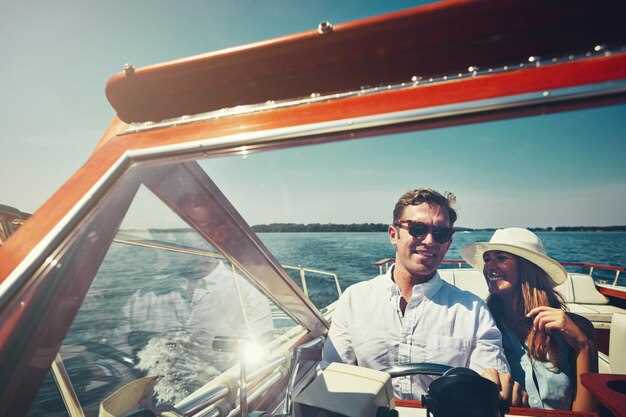
Pre kupujúcich, ktorí uprednostňujú spoľahlivosť na dlhých plavbách, vyberte si jachtu s čo najväčšou spôsobilosťou na plavbu po mori, oceľovým alebo hliníkovým trupom a osvedčeným dosahom na veľké vzdialenosti v rôznych regiónoch. Hľadajte tri paluby, silný trup a zásoby na palube, ktoré podporujú rozsiahle expedície na mori. Oceníte vnútorné usporiadanie, ktoré spája pohodlie s praktickými funkciami.
- Možnosti konštrukcie trupu – oceľ alebo hliník – so silnou konštrukciou trupu a overenou spôsobilosťou pre plavbu na mori. Oceľové trupy poskytujú trvanlivosť a jednoduchšie opravy na brehu; hliníkové trupy znižujú hmotnosť pre vyššiu rýchlosť pri zachovaní pevnosti. Niektoré modely používajú dvojitý trup alebo dvojitú ochranu plášťa pre zvýšenú bezpečnosť a zároveň ponúkajú priestor pre zásoby paliva a proviantu na dlhé vzdialenosti.
- Výkon a dosah – uprednostnite motorovú jachtu s vysokou rýchlosťou a veľkorysou kapacitou paliva, aby ste rozšírili dosah naprieč regiónmi. Hľadajte efektívne pohonné systémy, ktoré podporujú objavovanie bez častých zastávok v prístavoch pri zachovaní komfortu na palube.
- Interiér a zásoby – naplánujte si dostatočné zásoby a úložný priestor na palube, aby ste mali zabezpečené týždne alebo mesiace na mori. Interiér by mal obsahovať flexibilné dizajny, ktoré sa prispôsobia hosťom a posádke, s priestormi, ktoré sa dajú prekonfigurovať na prieskum alebo oddych bez toho, aby sa znížil komfort.
- Značky a stavitelia – zvážte popredné značky prieskumných a expedičných jácht s osvedčenými výsledkami z Cannes a ďalších európskych lodeníc. Významní stavitelia v Holandsku, Nemecku, Spojenom kráľovstve a inde dodávajú robustné návrhy z ocele alebo hliníka s rozsiahlymi servisnými sieťami na podporu opráv, modernizácií a bežnej údržby. Nájdete tu návrhy, ktoré vyvažujú robustný exteriérový výkon s rafinovaným interiérom, prispôsobené na prieskum na dlhé vzdialenosti bez obetovania štýlu.
Praktické hodnotiace kritériá pre luxusné prieskumné a expedičné jachty
Prioritizujte materiál trupu a účinnosť pohonu; hliníkové výskumné jachty ponúkajú predĺžený dojazd a jednoduchšiu údržbu v teréne, čím podporujú dlhé vzdialenosti v rôznorodých regiónoch.
Ďalej vyhodnoťte pohon a palivovú stratégiu. Porovnajte dieselové motory s hybridnými možnosťami a analyzujte spotrebu paliva pri cestovných rýchlostiach, aby ste určili reálnu výdrž pre dlhé plavby. Hľadajte motory s dobrou podporou v regióne Cannes a s históriou naprieč flotilami od spoločností Oceanco, Sanlorenzo a Cheoy, ktoré udržujú rýchlosť bez nadmernej spotreby paliva.
Posúďte plánovanie doletu a zásobovanie. Skontrolujte kapacitu paliva, skladovanie vody a nákladný priestor pre dostatočné zásoby na dlhých trasách, pričom zachovajte vysokú obývateľnosť s plnými priestormi pre posádku a flexibilným využiteľným priestorom.
Skontrolujte plavebné vlastnosti a stabilizáciu. Stabilná platforma umožňuje rýchlejší prejazd v rozbúrenom mori a znižuje únavu pri prieskume v exponovaných oblastiach; uprednostnite osvedčené gyroskopické alebo krídlové stabilizátory a tvary trupu navrhnuté pre prácu na otvorenom oceáne, nielen pre plavbu v pokojných vodách.
Skontrolujte usporiadanie a priestor na palube. Zabezpečte rozsiahlejšie a dobre usporiadané usporiadanie, ktoré pojme kajuty pre dvojčlennú posádku, rozsiahle priestory pre kuchyňu a lekárske účely a rozšírené úložisko pre vybavenie a náhradné diely, pričom sa zachová hlavná paluba s plnou výškou pre ľahký pohyb a rýchlejšiu reakciu v odľahlých oblastiach.
Skontrolujte kvalitu konštrukcie a materiály. Preferujte jachty vyrobené z hliníka alebo hybridných kompozitov, ktoré spĺňajú súčasné klasifikačné normy; potvrďte vodotesnosť, ochranu proti korózii a jednoduchú opraviteľnosť v teréne pri prevádzke ďaleko od hlavných lodeníc.
Zhodnoťte bezpečnosť, súlad s predpismi a podporu. Overte ABS alebo podobnú klasifikáciu, redundantné bezpečnostné systémy a robustnú sieť popredajných služieb, ktorá pokrýva regióny, ktoré plánujete preskúmať; solídna servisná sieť znižuje prestoje a zachováva rýchlosť podľa harmonogramu.
Zvážte hodnotu, odolnosť voči zastaraniu a možnosť ďalšieho predaja. Porovnajte väčšie modely od etablovaných výrobcov, pričom berte na vedomie, že dobre osvetlené interiéry, trvanlivé vonkajšie povrchové úpravy a presné dátové listy poskytnuté majiteľom zvyčajne uchovávajú hodnotu počas dlhšieho obdobia vlastníctva.
| Criterion | Čo merať | Benchmarks | Poznámky |
|---|---|---|---|
| Materiál a konštrukcia trupu | Výber materiálu, kvalita zvaru, ochrana proti korózii | Hliníkový trup s kontrolovanými zvarmi; protikorózna ochrana v exponovaných zónach; pravidelná história prieskumov | Hliník ponúka nižšiu hmotnosť a jednoduchšie lokálne opravy, vhodný pre prieskumné práce |
| Pohon a palivová účinnosť | Typ motora, spotreba paliva, dojazd pri cestovnej rýchlosti | Dieselové alebo hybridné systémy; spotreba paliva pri 10 – 20 uzloch; zásoby minimálne na 2 000 – 3 000 námorných míľ v závislosti od objemu nádrží | Hybridné možnosti môžu znížiť spotrebu paliva na dlhých úsekoch, čo je užitočné pri prieskume |
| Plánovanie doletu a výdrže | Kapacita paliva, vody, proviantu; doba autonómie | Palivo na 2 – 3 týždne pri bežnej rýchlosti; voda pre posádku plus záťaž pre stabilitu; dostatočný úložný priestor | Regióny s obmedzeným zásobovaním profitujú z predĺženého zásobovania a duplicitnej redundancie. |
| Udržiavanie na mori a stabilita | Stabilizátory, tvar trupu, pohyb | Aktívna stabilizácia; preukázaný výkon na mori pri nadpriemernom vlnení | Lepšia stabilita pomáha udržať rýchlosť a bezpečnosť v rozbúrenej vode |
| Usporiadanie interiéru a priestor | Priestor na palube, priestory pre posádku, kapacita nákladu | Veľký hlavný apartmán, dvojité ubytovanie pre posádku, priestranná kuchyňa a dielňa | Dvojitá redundancia a flexibilné rozloženia podporujú rozsiahlejšie skúmanie |
| Kvalita vyhotovenia a materiály | Kvalita konštrukcie, nátery, odolnosť voči únave | Certifikované materiály; robustné ochranné nátery; dlhodobá história prieskumov | Výbery z renomovaných lodeníc ako Sanlorenzo alebo Cheoy sa často premietajú do spoľahlivého výkonu. |
| Bezpečnosť, dodržiavanie predpisov a podpora | Klasifikácia, bezpečnostné systémy, servisná sieť | ABS alebo regionálny ekvivalent; preukázaná reakcia na incidenty; servis v kľúčových prístavoch | Silná podpora znižuje prestoje a udržuje plány neporušené. |
| Hodnota a predaj za účelom ďalšieho predaja | Dopyt na trhu, náklady na údržbu, spoľahlivosť | Modely s vyšším dopytom s transparentnými údajovými listami; predvídateľná údržba | Established brands and proven track records maintain worth better over time |
Hull design, displacement, and sea-keeping for long-range passages
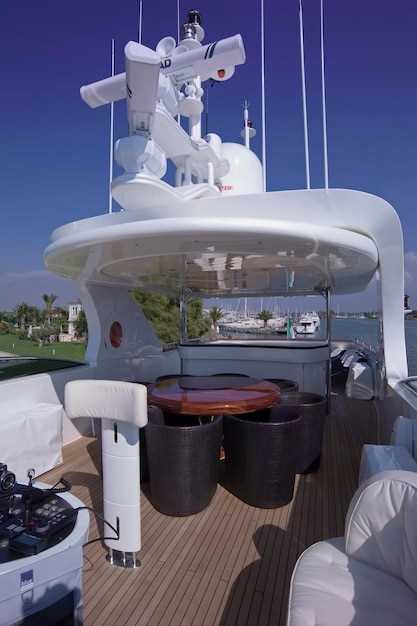
Recommendation: Opt for a steel, full-displacement hull with ample waterline length and an economical fuel burn. This will provide steadier motion, predictable handling, and extended range for exploration yachts that carry ample provisions onboard for three regions, including cannes as a waypoint in Mediterranean itineraries.
Core design choices that influence long-range passages:
- Hull form and hulls: Favor a deep forebody and a long waterline on steel hulls to minimize pitching and slamming. A unique, proven silhouette improves sea-keeping in those three regions–the coastal, offshore, and open-water zones–and supports a comfortable interior and cruising style. Names such as Inace and other popular builders offer rugged builds suitable for exploration campaigns.
- Displacement and stability: A full-displacement layout provides generous initial stability and reduces dynamic loads in heavy seas. Coupled with ballast optimization, it will keep motion smooth through head seas and give ample room for stores and provisions onboard this yachts.
- Propulsion and range: Plan for a motor arrangement with twin screws and redundancy for power and cooling. Target a cruising speed of about 9–11 knots to achieve 4,500–6,000 nautical miles of range, depending on fuel capacity (50,000–120,000 L) and efficiency. This range supports legs between cannes and other Mediterranean ports and less-frequent refuels in remote regions.
- Materials and construction: Steel hulls with robust scantlings and corrosion protection offer durability for long passages. Interiors should balance ergonomic crew areas and ample storage for provisions, with a clear separation between machinery and living spaces to reduce vibration and noise.
- Sea-keeping features: A flared bow, well-integrated deck flare, and stabilized platforms (zero-speed or active fins) will keep motion manageable when seas build. A properly sized rudder and bow shape improve tracking and reduce pitch during long legs.
Operational checks before reach Cannes and other ports:
- Onboard stores and provisions: Confirm that stores carry provisions for the planned leg, including water and spare parts. A figure of 6–8 weeks of provisions for three crew is common on exploration yachts; adjust for guest count and itinerary.
- Fuel management: Ensure fuel endurance aligns with planned routes, with dual-skin fuel tanks and diversions in case of weather delays.
- Maintenance planning: Schedule generator service, engine checks, and cooling system tests before long passages; keep a spare parts kit with filters, impellers, belts, hoses, and essential tools aboard.
Note: this approach suits popular exploration names and can be tailored to three regions–coastal, offshore, and high-seas–while preserving interior comfort and cruising style. Cannes-based itineraries often favor vessels with ample tankage and interior layouts designed for shared cruising among everyone on board this can-do, steel-hulled class of yachts.
Propulsion, endurance, and fuel strategy for world cruising
Start with a long-range propulsion package that blends efficiency and redundancy: diesel-electric or hybrid, with a double-redundant motor layout. This keeps fuel burn predictable, improves maneuverability at anchor and in harbor, and preserves performance on extended passages. They will appreciate predictable performance on long passages. This approach appeals to everyone on board and remains popular with charter fleets that demand reliability. Favor hull forms and propulsor designs from proven builders such as oceanco, damen, and cheoy that deliver strong, stable motion in heavy seas. Ensure the system is sized for extended operation and that auxiliary gensets match the main drive in reliability and maintainability.
Plan ample fuel capacity and a conservative consumption strategy to cover longer distances without frequent refueling. Store fuel in multiple tanks, provide flexible delivery options at sea if available, and keep a generous reserve ashore for unexpected delays. A modular fuel-management system helps monitor temperature, viscosity, and contaminants, reducing surprises during repairs or in Cannes during delivery.
Beyond tanks, select propulsion and electrical systems with space for future upgrades: larger generators, smarter power management, and efficient ancillaries to reduce drag and fuel burn. A well-configured hull and propeller pairing preserves speed and range while maintaining maneuverability in heavier seas. With a long-range mindset, choose designs that minimize propulsion losses and let the motor run at efficient RPM across different sea states.
During port calls and maintenance, arrange shore support in advance. Pre-stock spares and rely on trusted partners to handle repairs ashore, ensuring you can continue voyages without unnecessary downtime. A strategy that blends fuel efficiency with flexible logistics will keep you moving, with space to add fuel or swap components without halting progress, even if delivery windows in Cannes or other ports stretch.
Navigation systems, safety gear, and certifications for remote operations
Install dual redundant navigation suites that are fully integrated with autopilot, AIS, radar, ECDIS, and satellite comms to maintain control over long distances at seas, even if a single system fails without interruption.
Build a full nav stack: primary GNSS (GPS/GLONASS/BeiDou) with a dedicated backup receiver; radar with ARPA; ECDIS with ENC charts; AIS Class A; VHF DSC; gyro compass; log, depth, wind, and speed sensors; plus a second bridge display to separate critical data from routine readings. Ensure three independent power sources and robust EMI protection to operate reliably in remote regions.
Equip the yacht with SOLAS-compliant safety gear and maintain it through a recognized class society. Provide EPIRBs and SARTs, liferafts sized for the full onboard complement, PFDs for everyone, immersion suits for cold seas, and reliable bilge pumps. Conduct quarterly emergency drills and rehearse rapid evacuation paths to shave minutes off response times.
Certifications and approvals should cover flag state registration, a respected class society, and the required safety gear regime. Align with SOLAS equipment standards, and obtain MED certification for EU-regulated gear where applicable. When operating across regions, verify that certifications match the planned routes and that inspections remain current before departure.
Prepare for remote oversight with cyber-resilient links: encrypted data paths, strict access controls, and a dedicated shore-based operations center. Keep offline charts and data backups, and rehearse remote shut-down and restart procedures. Validate performance with long-range trial runs before entering challenging seas to ensure the system holds up under real-world loads.
Design decisions influence safety and efficiency. Consider three main hull configurations–monohull, catamaran, and trimaran–for expedition yachts. For designs from damen or cheoy, review regional construction strengths, hull integrity, and load paths. Look for vessels with proven seaworthiness, strong hulls, and dependable delivery records, and confirm that the design supports extended operations without shore support. Before ordering, request comprehensive test data, material specs, and a detailed maintenance plan for onboard systems and safety gear.
Before delivery, verify that the installation passes long-distance trials and that provisions are stocked for extended voyages. Check that hulls and propulsion perform under heavy weather and that the speed and range align with the planned mission profiles. Keep a clear record of all certifications and test results for future inspections and charter cycles onboard your luxury explorer yacht.
Interior layouts and crew arrangements optimized for extended voyages
Design a two-zone interior: a main-deck owner suite and guest areas, plus a fully separated crew block. This setup keeps the operating bridge quiet and lets the crew service long-range passages without disturbing guests. Place the galley, scullery, and provisioning stores adjacent to the crew mess for fast delivery and minimal movement. Use a cheoy hull or similar proven construction line for seaworthiness, and load the vessel with reinforced bulkheads and watertight compartments to handle heavy seas. Plan for 60 days of provisions for six crew and twelve guests, with ample dry storage, two cold rooms, and a dedicated freezer area to support longer distances between ports, ashore and at sea. Ensure circulation paths from the bridge to the engine room stay clear, so crews can operate without hindrance. Some designs emphasize modular spaces that can be repurposed when needing to store extra gear.
Crew quarters should include four double cabins for eight crew, plus a captain’s cabin near the bridge, and a separate crew lounge. Implement two watch cycles: 2-3 crew on duty while others rest, with a swap after each watch. Allocate a compact medical bay and a small workshop to handle spares, tools, and on-mission repairs. A dedicated laundry and storage room reduce clutter in guest spaces and improve hygiene. A private access corridor from the crew block to the galley keeps service discreet from guests. Some crew want quick access to the bridge, while others need quiet zones; the layout should accommodate both.
Make guest areas flexible: a formal dining area that can convert to a briefing room; a guest zone with convertible sofas and a modular daybed system. Install a robust, energy-efficient climate control system and sound insulation between decks to keep extended voyages comfortable. Include a dedicated expedition space that can store provisions, dive gear, and technical equipment, with a hoist or crane for launching tenders; a separate, lockable cabinet for critical spares. On the utility side, add a high-capacity watermaker and dual refrigeration to handle longer distances between ports. youll find these features light up the itinerary, and youll see that it reduces needing to resupply often.
For delivery, choose modular joinery and pre-fitted systems that speed outfitting, especially if the design is intended for a cannes build or similar yard. Build with robust materials and a hull form that keeps stability at speed and in heavy seas. The interior should be designed for heavy usage, with proven finishes that resist corrosion, with a forward pantry and a midship storage area to minimize the distance crew must cover carrying provisions. The aim: everyone on board can operate efficiently in longer legs without fatigue, and guests feel at home even when distances between ports are long.
When planning for extended voyages, consult yards that offer designs tested in real expeditions; the result should deliver a ship that supports long-range operating profiles, with a clear crew flow, robust provisions handling, and a hull that remains strong in heavy seas. By integrating these interior layouts and crew arrangements from the outset, everyone on board gains reliability, comfort, and confidence on longer voyages.
Builder selection: reputation, after-sales support, and realistic timelines
Choose a builder with a proven record and a robust after-sales network that spans multiple regions. Before you select, ask for three completed explorer or expedition builds, verify delivery histories, and confirm a transparent warranty framework. A reliable yard publishes current service maps and offers factory-trained crews for remote diagnostics and on-site care.
Assess reputation through documented seaworthiness results, operating history, and client references. Review their designs and how they balance maneuverability with comfort at sea. Some yards focus on certain yachts and may differ in emphasis–some prioritize speed, others hull robustness, while still ensuring economical systems. Look for a track record in yachting regions that demand long-range performance, strong hull integrity, and economical systems. Examine interior layouts for ample space and provisions, ensuring the explorer can carry the gear you want while keeping crew operations simple. If they claim reach in remote regions, ask for real-world examples and third-party validations. Which metrics do you trust most, and how do they prove you’ll be able to operate where you want?
After-sales support matters as much as the build itself. Also confirm parts availability, a global service network, and clear response times for spare parts. Check if the yard provides onboard training for crew, remote diagnostics, and scheduled maintenance programs. A solid package proves itself by fast, predictable service windows and a straightforward escalation path for issues that arise during operating life. Providing ongoing updates to your crew and maintaining documentation keeps the voyage on track.
Timeline realism requires a detailed, milestone-based plan. Request a step-by-step build schedule covering hull and superstructure, outfitting, commissioning, and sea trials, with explicit dates and owner approvals. Include time buffers for weather, supply delays, and serial approvals, and set a fixed window for sea trials to validate seaworthiness, speed, and fuel performance. A realistic timeline aligns with your cruising plans and avoids surprises when you want to reach remote destinations for the explorer mission. Also verify motor options, including diesel or hybrid systems, and how they impact speed, range, and ease of maintenance.
When comparing proposals, focus on the balance of features versus cost, and ensure the chosen builder aligns with your mission profile. Confirm that the proposed systems support longer voyages, robust provisions, and dependable power where you operate. A thoughtful choice built on reputation, reliable after-sales, and pragmatic timelines reduces risk and keeps your project on track for the voyage you want.