


 Slovenčina
  English (UK)
  Русский
  العربية
  日本語
日本語  한국어
한국어  Magyar
  Türkçe
  Español
  Čeština
  Svenska
  Português
  Ελληνικά
  Suomi
Suomi  Nederlands
  Română
  Italiano
  Français
  Polski
  Українська
  Deutsch
  简体中文
简体中文  Eco-Friendly Sailing – 10 Practical Tips for Greener Boating">

Recommendation Consider adopting a hybrid or electric auxiliary propulsion and pre-plan routes to minimize engine hours; such choices might noticeably reduce fuel burn on coastal hops.
As your responsible captain, swap single-use items with a durable bottle and refillable containers; avoid throw of plastics and encourage reuse rather than discard.
On passage, an experienced crew should monitor hull resistance and keep wake low, protecting coral gardens; sailing at economical speeds reduces damage, maybe shift to inshore routes during calm days to spare delicate ecosystems.
Energy planning matters: switch to LED deck lighting, minimize HVAC use when anchored, and use smart charging to ensure systems stay ready without excess cycles, which ensures fewer generator hours.
In harbor visits, favor mooring buoys over anchors to protect seabed life; this reduces seabed disruption and preserves the first holiday memories of guests aboard a jachta.
When diving near reefs, respect rules, use reef-safe gear, rinse with collected water, and avoid leaving lines or anchors that might snag fragile life; respect night diving itineraries to avoid disturbing nocturnal species.
Operate with a mindset that offers different experiences and meaningful words of respect while guarding habitats; this approach appeals to guests who crave authentic learning and experience ensures your trip leaves no trace beyond memories.
Practice plachtenie navigation, monitor weather, and document experience; this might encourage others to begin their own ecological journey into the sea, because experience ensures mindfulness and this path can offer a model showing how we interact with marine life.
Focused Tips and Practices for Greener Boating and Wastewater Management
Always moor at shoreside facilities whenever possible and deploy a dedicated waste system: keep a sealed holding tank and connect to a marina pump-out; ensure a Type II Marine Sanitation Device is certified. Whether you are cruising short legs or long passages, this setup avoids illegal discharges.
Monitor tank levels, log pump-out dates, and schedule maintenance; use land-based amenities when possible to reduce wake and shore impact. However, keep the data simple and accessible to the crew, including notes on other things that affect the system.
Carry personalised sanitation kits and suitable tools; keep bottles reusable; rinse and refill using onboard water or marina amenities. Be sure labels and seals remain intact.
Minimize waste by choosing biodegradable toilet tissue, avoiding flushable wipes, and keeping water use low; ensure greywater and sink discharges flow into a compliant treatment or holding tank, not into the environment.
Create a personalised crew guide that tracks costs and compares pump-out fees with savings from reduced water use; the reward comes with better shore access and less risk.
Global networks of marina amenities enable exchanging best practices; join local associations that promote waste-water stewardship. Some standards are clear, making real changes; others are vaguely worded, yet still drive practical action across worlds and supports their communities.
Yacht-scale practices: keep energy use to a minimum; install low-flow heads; consider a compact treatment unit; moor near towns to access shared amenities.
Accidentally releasing waste: act quickly–secure the vessel, document the incident, notify the marina, and arrange immediate pump-out; invest in checklists to prevent repeats.
Stay mindful while cruising: when land is near, keep their waste streams contained; avoid littering; maintain intimate relationship with water and land, and back these actions with discipline.
Keep those practices actually making a difference every voyage; whether you are cruising at pace or drifting between coves, those decisions sustain the oceans and reward crews with cleaner ports.
Tip 1–2: Choose cleaner propulsion and cut fuel burn
Adopt a hybrid or electric propulsion system paired with a high‑efficiency propeller to minimise engine hours and footprint. Mindful planning and personalised checks of weight, battery capacity, charging options, and available shore power set the baseline before any voyage on your yacht.
Operate with wind‑assisted progress, targeting 5–9 knots when possible, and keep mainsail up to reduce engine use downwind. Switch engine only when wind drops below a set threshold, freeing the touch of the throttle and keeping reserves intact when seas turn rough.
Limit idle time at marina by planning berthing with shore power ready; check before approach and disconnect after landing to avoid unnecessary engine run. This keeps systems free from strain while you wait.
Align with global climate goals by selecting propulsion options that minimise emissions, optimise trim to reduce drag, and plan a steady cruise around 6–9 knots where hull design allows. Different hulls respond differently; use planning to conserve energy down the passage.
Minimise environmental footprint by avoiding noisy runs near coral and wildlife; hold speeds down when close to reefs, and ensure bilge is emptied only at approved facilities rather than overboard.
In Belize, with delicate reefs nearby, prioritise mainsail work and reduced engine touch; consult local marinas about shore power, stay mindful of nature, and keep footprints small during yachting between anchorage and harbour.
Tip 3–4: Master sail trim and wind-aware speed
Set the apparent wind angle as the anchor of every sail change; trim the mainsail before the headsail, then fine‑tune with the jib so telltales stream evenly on both sheets. Always looking toward the wind, adjust controls to keep the boat balanced and the yacht moving efficiently at a steady pace, minimizing fuel use and hull drag.
- First: establish a clean baseline. On a close-hauled course, tension the outhaul to flatten the mainsail, ease the vang to limit twist, and trim the jib so telltales on the spreader run straight back. Aim for an apparent wind around 25–40 degrees, which yields steady speed without excessive weather helm. Keep the crew alert to gusts off shore and adjust the traveler 0–20 degrees to maintain a balanced helm.
- Second: handle gusts with surgical adjustment. When a puff hits, ease the mainsheet 3–6 inches and spill a touch of jib, then re‑sheet quickly once the gust passes. If the wind shifts forward, bear away slightly; if it shifts aft, trim in and head up to preserve power without luffing.
- Third: maintain twist control and alignment. Use the vang to manage mainsail twist, and keep the boom near the centerline on beam reaches. The headsail should be trimmed so the luff remains smooth while the leech remains engaged; monitor telltales on both sails to avoid flow separation at the luff.
- Fourth: monitor hull and equipment for optimal efficiency. Clean hull and correctly aligned rudder reduce drag, while verifying lines, blocks, and sheets are free of slack. In calm seas, keep oars stowed but ready, and avoid overpowered trim that raises spray and accelerates wear on fittings. If you notice sustained stalling, reevaluate sail area and adjust reef or sail combination.
During yachting along greece coastlines, itinerary planning emphasizes sustainability. They map the route to minimize engine use, keeping the fuel-efficient pace while respecting local regulations. At each country stop, they choose to resupply at a supermarket, swap single-use cups for reusable ones, and pack sunscreens in recycled containers. They also commit to safe waste handling, emptied bilge chambers, and never overboard discharges. Delicate balance between speed and shore‑side needs guides the crew, which in turn keeps the voyage economical and low impact for every crew member and them.
Tip 5–6: Route planning and energy-saving electronics
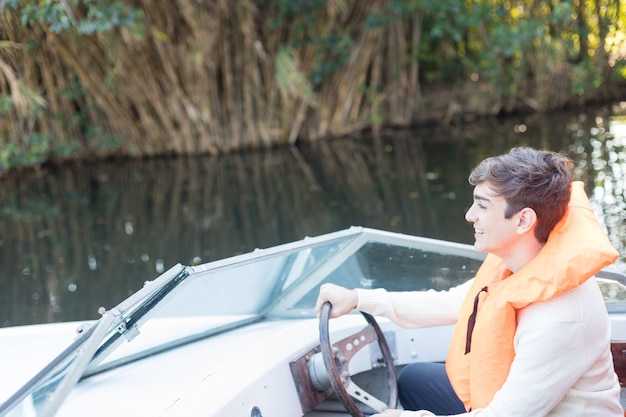
Plan the itinerary with short legs, prioritizing sheltered routes and marina stays to limit engines running time. Being efficient reduces fuel burn; use daylight anchoring when weather allows, and build in landfalls along the route to reduce contingency needs. youre aware of weather and currents, and plan to keep what you like about preferences aligned.
Map two or three different itinerary options using meteo data, currents, and tide forecasts. If youre aware of constraints, note what you like about each alternative, including distance, sea state, and available marina landfalls where you can land to resupply. Both options should keep the same safety margins. They offer a baseline to compare activities aboard and adjust accordingly.
Install a smart energy-management system coordinating solar panels, a high-efficiency charge controller, and engines alternator input to the deep-cycle battery bank. Set daily consumption caps, enable LED cabin lighting, and deploy smart switches that cut idle draws when gear isn’t needed. Consultants can tailor this to your ryas and preferences, ensuring available shore power at marina landfalls is used without oversizing the system, including monitoring of battery state of charge. This wont oversize the overall system while remaining scalable for future upgrades.
The route planning routine relies on natural energy inputs and minimizes activities that drain batteries. Use wind and currents to assist, favor daylight moves, and anchor in sheltered spots with reliable land access. This experience helps them adapt to land-based checks and landfalls, keeping the plan achievable across both legs and reducing the need to restart engines at crowded marinas. being mindful helps ensure that the plan remains feasible that transitions smoothly aboard a yacht and in land operations.
Tip 7–8: Minimize waste and select eco materials
Začnite jednoduchým pravidlom: nahraďte jednorazové plasty fľašou a odolnými, opätovne použiteľnými nádobami, čím znížite odpad každý týždeň; táto voľba znižuje denný odpad, ktorý by inak skončil na skládkach, tu na palube počas lodných dní.
Na palube nainštalujte flexibilné solárne panely, aby ste udržiavali zariadenia nabité počas plavieb a výletov, čím minimalizujete nečinnosť motora; toto jednoduché nastavenie zaisťuje, že systémy s hlavným plachtou zostanú pripravené a zároveň znižujú spotrebu paliva.
Vyberte si ekologické materiály do kabíny: prírodné textílie, recyklované plasty, pokiaľ sú vhodné, a riady z bambusu alebo nehrdzavejúcej ocele; vyhýbajte sa opaľovacím krémom s filtrami poškodzujúcimi korálové útesy; vyberte si fľaše s minimálnym obalom, nespoliehajte sa na jednorazové vybavenie.
Udržujte kompaktnú toaletnú súpravu s biologicky odbúrateľnými obrúskami; oddelujte odpadové pramene, keď je to možné; nemiešajte toaletový odpad s kuchynským odpadom, skontrolujte si miestne predpisy v prístave a žite jednoduchým, rodinným režimom na palube.
Počas vybavenia skontrolujte možnosti vybavenia samboat v miestnej predajni, vyberte hromadné položky s minimálnym obalom a vyhýbajte sa duplikátom; tým znížite odpad, nakupujte chytro a udržíte loď čistú a upratanú.
Globálne dodávateľské reťazce tlačí na obaly, no tu komunity ponúkajú lokálne, menej odpadové možnosti; žite jednoducho, zmenšujte kartóny a udržujte týždeň rezervy v galérii, aby ste uľahčili dlhé cesty, rodinné plavby po celosvetovom svete plavieb.
Tip 9–10: Bezpečné zaobchádzanie s odpadovou vodou a úložisko na brehu
Nainštalujte certifikovanú morskú sanitárnu jednotku (MSD) a používajte pobrežné zariadenia len pri dokovaní; vypúšťanie na marínach chráni koraly, divokú prírodu, ich vybavenie a prejavuje starostlivosť.
Vyberte kompaktnú jednotku, ktorá vyhovuje britským aj dizajnovým jachtám; zabezpečte, aby bola prístupná z paluby a bezpečná pri prevádzke v blízkosti vonkajších motorov.
Vypracujte týždňový plán, v ktorom sa návštevy výpomoci čerpadiel zosúladia s marinovými priečkami; typické náklady sa pohybujú od $10 do $30 za návštevu, zatiaľ čo súkromné zadržiavacie nádrže a prenosné systémy sa líšia podľa veľkosti.
Vyčleňte si čas v obchode na doplnenie základných zásob; naplánujte si miesto a vybavenie pred ponárivacími výletmi a pobytmi na ostrovoch, ktoré, ako sa ukázalo, sú krásne.
Navigujte svoju posádku tak, aby minimalizovala odpad, opätovne využívala sivú vodu, kde je to povolené, a rešpektovala skryté zátoky a korálové útesy.
Dávajte pozor na divokú prírodu a kúpaliská; vyhnite sa odpadom v zónach určených na kúpanie a zavádzajte premyslené postupy likvidácie v kotviskoch a na ostrovoch, čím znížite dopad na more.
Čo robiť, keď je obmedzený prístup k pobrežiu: spoľahnite sa na prenosné zariadenie, zaznamenajte polohu a sledujte týždeň dopredu s ohľadom na bezpečné mrakodrapy a britské prístavy.
Táto skúsenosť prínosom ako pre hostí, tak pre posádku, s výrazne zníženými nákladmi, bezpečnejšími operáciami a krásnym, dobre udržiavaným profilom plavby. Dôležité