


 Slovenčina
  English (UK)
  Русский
  العربية
  日本語
日本語  한국어
한국어  Magyar
  Türkçe
  Español
  Čeština
  Svenska
  Português
  Ελληνικά
  Suomi
Suomi  Nederlands
  Română
  Italiano
  Français
  Polski
  Українська
  Deutsch
  简体中文
简体中文 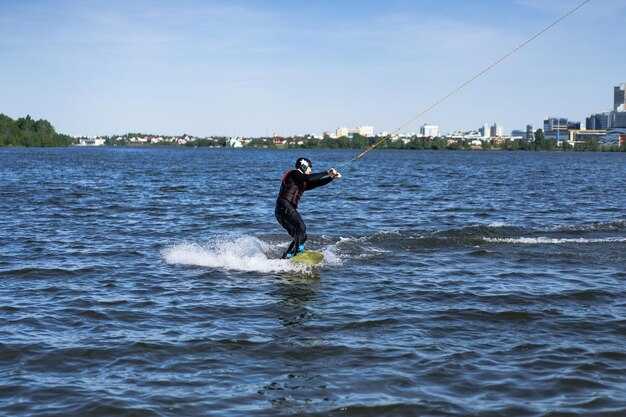 DFW Wakeboarding – Top Spots, Gear & Tips in Dallas-Fort Worth">

Začnite s Lake Lewisville v bežný pracovný deň ráno, aby ste si zabezpečili skoré jazdy. Tam, pokojný vietor a hladká voda udávajú tempo pre začiatočníkov a stredne pokročilých. Nájdete tam požičovne a priateľských hostiteľov, ktorí vám pomôžu rýchlo sa postaviť a budovať úrovne, na ktoré sa zameriavate. Pre jazdcov z univerzít a návštevníkov toto miesto ponúka jednoduchý prístup k vybaveniu, silnú atmosféru a jasné srdce pre tento šport, ktorý si môžete vychutnať spolu s ostatnými.
Medzi ďalšie popredné miesta v oblasti DFW patria Grapevine Lake a Lavon Lake, pričom každé z nich má odlišné prvky. Jazero Grapevine ponúka stabilný vietor a mierny záber, vďaka čomu je spoľahlivou voľbou pre začiatočníkov prechádzajúcich na stredne pokročilé triky. Jazero Lavon je známe dlhšími úsekmi a čistou vodou; jeho rampy v obci a prístaviská uľahčujú logistiku a rybári často hlásia pozorovanie vtákov a black bassov v okolí zátok. Jazero Ray Hubbard ponúka rýchly prístup z východného Dallasu, zatiaľ čo jazero Eagle Mountain poskytuje hlbšiu vodu a menej ľudí počas pracovných dní. Všetky tieto miesta uznávajú miestne kluby, nadšenci atmosféry a obchody, ktoré slúžia komunite tam aj späť.
Rýchly štart s výbavou pre solídny tréning: zvoľte dĺžku dosky, ktorá zodpovedá vašej úrovni a hmotnosti, a prispôsobte dĺžku lana, aby ste mali kontrolu nad rýchlosťou na vlne za loďou. Pre začiatočníkov pomáha 50–60 stopová šnúra so širšou, stabilnou doskou vyskočiť a jazdiť s nižším rizikom. Stredne pokročilí jazdci sa môžu presunúť na 60–75 stopové šnúry, aby si natiahli oblúky, zatiaľ čo pokročilí jazdci používajú kratšie šnúry na prudké zatáčanie pri brehu. Viazačky by mali byť tesné a správna osobná plávacia pomôcka je nevyhnutná. Miestne obchody spolu s certifikovanými inštruktormi ponúkajú dni skúšobného prispôsobenia a ocenia rýchle poďakovanie, keď podporíte ekonomiku, ktorá udržiava tieto možnosti.
Medzi praktické tipy pre hladký deň patrí plánovanie s ohľadom na zmeny vetra a rešpektovanie divokej zveri. Ranné jazdy majú často najlepšiu hladinu, zatiaľ čo popoludňajší vánok môže vytvoriť vlny. Pozorujte vtáky a výskyt v zátokách a udržujte kontrolovanú rýchlosť blízko pobrežia, aby ste chránili biotopy. Ak ste s priateľmi alebo v klube, hostitelia koordinujú možnosti prepravy a po jazde sa môžete stretnúť v mestskom pavilóne, aby ste porovnali jazdy. Niektoré podujatia pridávajú puerto atmosféru s hudbou a fotografiami, čo vám pomôže spojiť sa s ostatnými jazdcami. Vďaka miestnym sprievodcom sa aj začiatočníci môžu cítiť ako súčasť komunity.
Naplánujte si výlety s dôveryhodnými lokálnymi zdrojmi: obchody s wakeboardami, kancelárie prístavov a mestské rampy zverejňujú aktuálne harmonogramy a bezpečnostné pokyny. Ekonomika wakeboardingu v oblasti Dallas-Fort Worth prosperuje z predaja výstroja, opravárenských služieb a kurzov pre začiatočníkov na štyroch jazerách, pričom niekoľko certifikovaných trénerov pôsobí prostredníctvom klubov pri univerzitách a komunitných centrách. Ak sa chcete posunúť na vyššiu úroveň, rezervujte si balík lekcií, ktorý zodpovedá vašej aktuálnej úrovni, a uvidíte rýchlejší pokrok. Ak budete dodržiavať odporúčania hostiteľov a odjazdíte pár hodín tréningu, vytvoríte si osobný záznam o pozorovaniach, zmenách počasia a trikoch, ktoré ste zvládli, čím si vytvoríte komunitu, z ktorej sa môžete spoločne tešiť počas nasledujúcich sezón.
Sprievodca wakeboardingom v DFW: Najlepšie miesta, vybavenie a tipy
Začni s Lake Lewisville pre svoju prvú wakeboardovú jazdu v tomto roku. Jeho dlhé, rovinaté brehy, množstvo rámp a stabilný vietor vytvárajú zhovievavé prostredie pre začiatočníkov a stabilný pokrok pre pokročilejších jazdcov.
Spolu s jazerom Grapevine a jazerom Lavon tvorí Lewisville trojicu rozsiahlych vodných plôch v okresoch Denton, Tarrant a Collin. Ponúkajú podobné veterné podmienky, parky pozdĺž brehu a štarty vhodné pre deti, vďaka čomu je tréning pohodlný počas celého dňa.
Správne vybavenie: vezmite si wakeboard s dĺžkou 130-135 cm, nastaviteľné viazanie, 18-21 m ťažné lano a jasnú vestu. Požičovne majú dosky Sunfish pre začiatočníkov a svoj postoj si môžete vyladiť na miernom vlnení alebo počas pokojných rán.
Doplňte energiu počas tréningov vodou a občerstvením a plánujte si skoré začiatky, aby ste stihli pokojnú vodu. Na väčšine miest sa dá jazdiť od jari do jesene, pričom v zime je prístup obmedzený v závislosti od počasia.
Po jazde preskúmajte skvelé štvrte okolo jazier, parky a atrakcie pozdĺž pobrežia. Strážcovia a zamestnanci parku pomáhajú s pravidlami spúšťania a bezpečnosťou, vďaka čomu je jednoduché dodržiavať predpisy a zároveň sa učiť a zabávať.
Areál spoločnosti ExxonMobil v blízkosti pomáha podporovať miestne školiace a výstrojové obchody a okresy v Texase okolo Dallasu ponúkajú rozsiahle prepojené ihriská, kde si wakeboardisti môžu rozvíjať svoje zručnosti. Scéna v okrese Dallas, okrese Denton a okolitých okresoch vás núti počítať tréningy rok čo rok, s možnosťami, ktoré slúžia jazdcom na všetkých úrovniach.
| Spot | County | Best For | Odporúčané vybavenie | Poznámky |
|---|---|---|---|---|
| Lewisvillské jazero | Denton | Začiatočníci a postup | Wakeboard 130-135 cm, nastaviteľné viazanie, lano 60-70 stôp, vesta | Široká plocha, rampy v blízkosti, skvelé na dlhé behy. |
| Jazero Grapevine | Tarrant | Polotovary | Wakeboard 133-136 cm, lano 18-20 m | Veľká vodná plocha, dobrá na carving a triky |
| Lavónske jazero | Collin | Pokojné rána a progres | Wakeboard 130-134 cm, lano 18-21 m (60-70 stôp) | Tichšie zátoky, stabilné veterné okná |
| Joe Pool Lake | Dallas | Lokálny prístup a prax | Wakeboard 130-133 cm, 60 ft lano | Ospalé zátoky blízko štvrtí, jednoduché spúšťania na vodu |
| Jazero Ray Hubbard | Dallas | Veterné dni a väčšie vlny | Wakeboard 132-135 cm, 70 ft lano | Rýchla voda, úsek otvorených pobreží |
DFW Wakeboarding: Miesta, vybavenie a tipy pre Eagle Mountain Lake, Lake Worth a Marine Creek Lake
Začnite na jazere Eagle Mountain Lake so 65-metrovým ťažným lanom a priliehavou záchrannou vestou, potom jazdite hlavným kanálom pre nácvik priamej jazdy a presuňte sa do pokojnejších zátok, keď získate istotu. Tu sa počas pokojných rán stretávajú tisíce jazdcov, čím vytvárajú príjemnú atmosféru pre začiatočníkov aj pokročilých. Neďaleko miestni obyvatelia dbajú na jednoduchosť: uvoľnite sa, sústreďte sa na formu a vytvorte si plynulý rytmus počas každej jazdy.
Eagle Mountain Lake – Miesta
- Hlavný kanál severne od prístavu: dlhé, stabilné vlny, ktoré sú ideálne pre nácvik progresie a predvídateľné štarty.
- Zátoky blízko vstupu: mäkšia voda a menej lodí, ideálne na precvičovanie hrán a základné otočky, keď nie je premávka hustá.
- Plytké zátoky susediace s parkami: zhovievavá voda na opätovnú kontrolu postoja a rovnováhy medzi sériami; pre bezpečnosť si vezmite sprievodnú loď.
Lake Worth – Škvrny
- Západný kanál blízko mestského prístavu: konzistentná hĺbka, ideálna pre prvé pokusy a udržiavanie napnutia vlasca.
- Zátoka Spillway: mierny rozruch, ktorý vám pomáha pracovať na kontrole hrán a vyrezávaní do zákrut.
- Inlet-adjacent coves: quieter water and simpler first-ride setups for beginners starting a new trick.
Marine Creek Lake – Spots
- North shore near Marine Creek Park: shallow, clear water ideal for slow pulls and fall recovery drills.
- Central channel: faster flow for bigger wake practice once you’re comfortable with balance and stance.
- Adjacent coves: small-water sections to dial in rope length and sit-down transitions between tricks.
Gear & Tips for all three lakes
- Tow rope length: start at 65 feet, adjust to 70–75 feet as you improve, and keep a spare rope on board.
- Board and bindings: mid-size board (about 134–136 cm) with snug bindings; upgrade to a wider board as skills widen to include spins and flips.
- PFD and protection: wear a U.S. Coast Guard–approved life jacket; add a thin wetsuit 3/2 or 2/1 in shoulder seasons for buoyancy and warmth.
- Rope management: test the line height before every turn; keep the handle close to the hips to avoid catching water.
- Safety extras: helmet is optional but useful for beginners; carry a spare leash and a small first-aid kit in the boat.
- Weather awareness: wind shifts and flooding risk can alter water surfaces; start early and monitor the following forecasts and lake reports.
- Practice rhythm: focus on one speed and one edge at a time; longer sessions in the cooler parts of the day help maintain calm water.
Local insights & practical notes
These spots are part of a broader wakeboard culture that blends outdoor life with water-friendly businesses and services. Nearby neighborhoods and local shops regularly organize clinics, gear swaps, and group runs, making it easy to pick up tips from watchers and fellow riders alike. When you’re out here, you’ll notice that the life around the lakes reflects a relaxed, community-driven vibe. In addition to the riding scene, you’ll find occasional collaborations with large regional employers like ExxonMobil and other regional facilities, which helps support gear shops and training programs. The chatter you hear about lines, timing, and technique often references several local crews–the way they break down runs can give you ideas for your next set. To keep progressing, focus on small, repeatable improvements, and use the following approach: start with fundamentals at Eagle Mountain Lake, apply them at Lake Worth, and finish with precision drills at Marine Creek Lake. They’ll help you build confidence, and with regular sessions, the latter days often feel smoother as you become more consistent, creating a reliable routine that scales with every session.
If flooding risk or heavy rain is forecast, check the water levels and plan a shorter session at Lake Worth or Marine Creek to avoid choppy water conditions. Remember that these spots are adjacent to multiple access points and amenities, which makes getting on the water easy for locals and visitors alike. As you explore each area, you’ll see how they support different styles and how thousands of riders contribute to the shared culture–a mix of casual families, serious amateurs, and dedicated watchers here for the thrill of the ride and the sense of community they’ve built together.
The Top Eagle Mountain Lake Wakeboarding Trips
Kick off a sunrise wake session from the main public ramp to feel glassy water and set the pace for your activity; this location often opens with light breeze and calm conditions that enthusiasts chase.
Trip 1: Morning run along the western shore delivers predictable wind on clear days and easy watercraft management for beginners. Head to the townsite launch, ride for 90 minutes, then switch to a shoreline break to hydrate with gallons of water. The atmosphere is relaxed, making it ideal for families and enthusiasts building confidence.
Trip 2: Clinic with university clubs and local instructors. Local university groups often host weekend sessions that combine coaching, drills, and on-water feedback. Participants, creating solid fundamentals, network with other enthusiasts. After the session, explore nearby festivals or continue exploring the natural surroundings and visit museums in the area. Additional sessions can be scheduled, depending on weather and lake management.
Trip 3: Afternoon exploration and relaxation. Explore the townsite for lunch at local eateries and check out local attractions; if you have something left, tourists can visit Fort Worth museums or other cultural spots to extend the trip. Return to the water for a short sunset session using a different watercraft for variety.
Practical tips: plan your day around light wind and water conditions. Choose a name for your preferred run and identify something to improve each session. Arrive early, check wind reports, bring watercraft gear and spare parts, and pack shade and hydration options. Remember to wear a life vest and helmet if required, respect lake management rules, and keep an eye on the natural surroundings for safe, enjoyable wakeboarding all day.
Nearby Lakes for Wakeboarding: Eagle Mountain Lake, Marine Creek Lake & Lake Worth
Start at Eagle Mountain Lake for your first wake session: easy access from the west side across Dallas–Fort Worth counties, rolling wakes, and steady wind patterns create predictable runs. The eagle landmark on the western shore marks easy access, and a local company ready to outfit your crew with boards and PFDs, allowing you to roll without delays. Even during droughts, Eagle Mountain maintains usable water levels and a wide shoreline, making it a reliable choice for your sessions.
Marine Creek Lake is a compact option northwest of Fort Worth, closer to the city than Eagle Mountain and great for practice days. Access is straightforward from the loop road, with early mornings offering calmer water and lighter traffic. Additional parking and nearby amenities improve access, while an abundance of boaters on weekends keeps traffic lively. The lake is one of several destinations in the area; authorities maintain the launches and safety flags, and the lake’s formation and surrounding valley walls create sheltered pockets for smoother pulls. Wind shifts also create opportunities to create different lines along the shore.
Lake Worth sits south and west of the core metropolis, with a growing set of destinations around its shoreline. The abundance of ramps and nearby marinas supports quick, repeated runs, and the Whitehead area provides amenities for a full day of riding. Generations of riders have kept the vibe alive here, with ongoing updates to access and parking by county authorities, making Lake Worth an easy, accessible option for a midweek or weekend session. If you plan a multi-lake day, this destination pairs well with Eagle Mountain and Marine Creek, allowing you to extend your riding to different water formations and wind patterns. There is something for riders of all levels.
Recommended Gear for DFW Wakeboarding: Boards, Vests, Ropes & Safety Checks
Start with a twin-tip wakeboard around 138 cm for riders 70–85 kg; 141–143 cm suits 85–100 kg; heavier riders 144–146 cm. Choose a board with a forgiving continuous rocker and removable fins for versatile conditions on DFW lakes. If you were planning early-season trips with friends, a slightly longer board helps hold line on rough water. there is value in a foam core for lightness and durability; building a comfortable stance with a 20–22 cm stance width improves balance. For public launches and road trips, a compact, transport-friendly board saves space.
Vests: Opt for an impact vest with foam panels that provides buoyancy and impact protection. Size from XS to XXL; ensure snug fit with adjustable straps. Wear a proper PFD when boating; vests alone are not a substitute. Regularly inspect seams, zippers, and straps; replace worn items promptly to keep the heart of your setup safe. Following these steps keeps you in control between pulls.
Ropes & handles: Use a 55–65 ft (17–20 m) rope with a 3/16–1/4 inch (4.7–6.3 mm) diameter. Choose handles with a comfortable 6–9 inch grip and a quick-release safety. Keep a spare rope on trips; test the quick release before each set. For lakes with heavy traffic, consider a slightly longer rope to give the rider more room to edge and recover. After use, rinse with fresh water to remove residue and extend life.
Safety checks: Pre-run: inspect bindings for loose screws; check the board surface for cracks; look for nicks on the rope; confirm the quick-release works. Lakes around Dallas–Fort Worth host fishing and public boating, so keep your distance and stay aware of others. Post-run: rinse gear with fresh water, dry completely, and store in a shaded, ventilated space. Do a weekly check of all hardware and storage; keep a small repair kit on board or in the bag. There are numerous shores and public ramps where building a routine around checks reduces incidents. In residential zones near ramps, store gear out of sight and use a dedicated bag. After rough water or crowded conditions, run extra checks.
Maintenance and care: after each session, continue cleaning salt, sunscreen, and debris from gear; relax and take a few minutes to dry. The beauty of DFW waters shines on calm mornings. Build a simple care routine: wipe the board, inspect fins, and hold onto the rope until dry. Whitehead-approved checks exist for clubs, investors and camps that run public waters. The narrative of your setup grows with regular upkeep; early and consistent care keeps gear clean, and makes trips with friends safer and more enjoyable. There are numerous trips in the area, and a solid kit supports every ride. This approach has been adopted by many riders and clubs, and it helps you hold up your gear season after season.
Ride Tips for DFW Waters: Wind, Water Temperature & Skill Progression
Start each session by checking wind and water temperature; ride only when wind stays under approximately 15 mph and water temperature sits above 60°F. This precise window keeps chop manageable and helps you progress safely toward higher speeds and longer rides.
Regularly consult official forecasts and wind charts for DFW lakes, exploring dawn and late-afternoon windows when breezes settle. For beginners, aim for days with wind under 15 mph and water around approximately 60–72°F; as temperatures rise, you can stretch toward 75°F if you supplement with a light wetsuit and steady hydration. The latter approach often applies to lakes near busy urban centers where crowds grow as the day heats up.
Progression follows a continued, increasing path. Start with a centered stance, light knee bend, and clean edge control on flat water; then add rope tension and controlled carves; next, practice transitions and brief air attempts to build confidence. Trained coaches or club mentors from official centers guide you through levels and help you read wind shifts and chop as populations of riders increase in bustling spots. In addition, burris programs support rider development through targeted drills.
In DFW, communities are served by a network of schools and clubs. the burris center and other training hubs formally welcome riders from twin cities and nearby farmland regions, located near the metro area, creating bustling scenes with a steady flow of newcomers and seasoned riders alike. In addition to lessons, many companies offer lane-use rules and water-safety guidelines to keep populations safe and moving.
Water temperature guides gear decisions. The beloved wakeboarding cultures across DFW adapt by layering. approximately 60–75°F warrants a 2–3 mm spring suit; 75–85°F allows a shorty or rash guard; below 60°F requires a full 4/3 to 5/4 wetsuit with gloves. Regularly check the water temperature and wind before you ride; wind can make it feel cooler than the thermometer shows. In addition, plan hydration and sun protection for long sessions.
Wind strategy emphasizes reading gusts and adjusting speed and edge accordingly. When gusts rise, shorten the rope and switch to a closer edge; keep a clear center line with other riders and respect nearby boats and swimmers. Regularly practice edging drills at moderate speed to build confidence with increasing wind and chop; still, keep your rescue plan and on-shore support ready.
Continue to expand your skill set by exploring new lakes, but do so gradually. Communities around Dallas–Fort Worth grow as riders come from nearby farmland regions and twin-city neighborhoods, creating a bustling network of lovers of the sport; exploring new spots with a buddy and a clear plan helps you stay safe and motivated. Community projects keep riders engaged year-round, and the sector continues to grow with partnerships among centers, schools, and local companies.
Additional Details: Access, Parking & Fort Worth Lakes Recreational Activities
Park in the main boat-ramp lot early on weekend mornings to ensure easy access and a short walk to the water, reducing the chances of being caught in weekend traffic and letting you relax the moment you arrive.
Most parks charge a modest day-use fee, and signage identifies which lots are for boat trailers versus general use; bring cash or a card to cover the parking fee and to access amenities such as restrooms, potable water, and shaded picnic areas.
Where you park, you’ll find ramps and docks with clear paths; some lots offer power outlets for RVs or charging stations, and many sites include ADA-accessible ramps, benches, and shade, allowing a comfortable start to your lake day.
During a clear weekend, the atmosphere around Fort Worth lakes feels inviting, and when the wind shifts, birds soar above the water and families escape for a quick recharge before or after playing on the shoreline.
Near the dallas-fort region, cultural offerings and education opportunities surround lake venues: universities host programs, museums run classes, and local vendors offer demonstrations, making a strong economic and educational ecosystem.
Valley views frame many park sides, and the signs name parking zones clearly; following them keeps you from circling, helps you maintain control of gear, and speeds your completion of prep.
Some parks provide military discounts or special rates; verify at the ranger station or the posted notices before you arrive to ensure savings for weekend visits.
Tips for success: arrive early, check the weather, and respect posted rules; doing so helps most visitors enjoy access, which supports a smooth, safe experience.