


 Slovenčina
  English (UK)
  Русский
  العربية
  日本語
日本語  한국어
한국어  Magyar
  Türkçe
  Español
  Čeština
  Svenska
  Português
  Ελληνικά
  Suomi
Suomi  Nederlands
  Română
  Italiano
  Français
  Polski
  Українська
  Deutsch
  简体中文
简体中文  Describe a Water Sport You’d Like to Try – Part 23">

Choose a calm Maui morning and book a short, hands-on lesson on a soft-top board at Napili Beach. With friends or family, you’ll have a ready, controlled introduction to the pace of the ocean and a practical sense of balance on the board. Then you can note what to adjust next for ongoing safety and comfort.
Equipment and technique start with a 7–8 ft soft-board, a leg leash, wax, and sun protection. Stay in shallow water, practice popping up from knees, then rise to your feet, and monitor the sensation as you go down into stance depth. Progress often comes from staying relaxed on the small ripples and focusing on form; tubes may appear, but keep your eyes on stability and avoid rushing.
Nature dictates pace: wind shifts, swell height, and the depth near the sandy bottom determine when to push further. Check government advisories and follow lifeguard instructions; if conditions look challenging, skip the session and regroup next time. This stance reduces risk while preserving progress.
Coordinate with family and friends to compare notes after each encounter; this routine can pair with ielts preparation while you describe sensations and the sequence of steps. Practice reinforces readiness and helps you advance to the next phase, aiming for longer rides and occasional tubes in the same safe setting.
Water Sports Exploration Guide
Start with a 90-minute intro on a stable stand-up paddleboard in a sheltered inlet; this sport offers the most natural, gentle entry into aquatic recreation. A certified instructor will adjust board width, paddle length, and stance until balance feels well established. Bring a snug wetsuit, personal flotation device, and ankle leash; surface is calm, which helps you hear clear coaching. For boarding basics, select a wide, stable board (about 8’6″–9’6″) and a short paddle to enhance control. This arrangement is perfect for new learners.
Progress appears quickly when you stay within comfort. This isnt about pushing speed; focus on breathing, knee-bend, and smooth weight transfer to maintain glide. After the first session, go again within a week, because time on the surface builds confidence. Most learners discover a love for quiet moments on calm surface, watching birds skim the surface while the board responds to subtle shifts in balance. General safety rules include staying within sight of your instructor, wearing a PFD, and avoiding crowded ramps. Because gear selection matters, choose a paddle with adjustable length and a leash for the board. Many havent had formal training, so guided sessions help set a solid baseline. For planning, browser comparison of local studios helps set expectations.
Beyond initial basics, you can explore other routes that offer variety: wind-assisted boarding with a sailboard, gentle surfing on small waves at a controlled beach, or a surface-tune navigation course in a sheltered cove. Even modest gusts alter balance, so keep practice sessions short. If you plan to go toward higher-adrenaline routes, book a guided session; many centers provide gear rental, safety briefing, and time windows that fit beginners. Time on the surface matters; you believe progress comes with repeating sessions, so schedule regular practice. Because outcomes vary by location, always check forecasts and local currents before going out.
| Aspect | Recommendation | Poznámky |
|---|---|---|
| Conditions | Flat calm surface, light breeze | Best for first steps |
| Gear | Wide, stable board; adjustable paddle; PFD; ankle leash | Leash on when on board |
| Progression | Knee-to-stand drills; short glides; 1–2 sessions per week | Record time and distance |
| Bezpečnosť | Tell someone, check forecasts, follow local rules | Wear PFD; avoid crowded areas |
Assess Your Current Fitness, Balance, and Breath Control for On-Water Basics
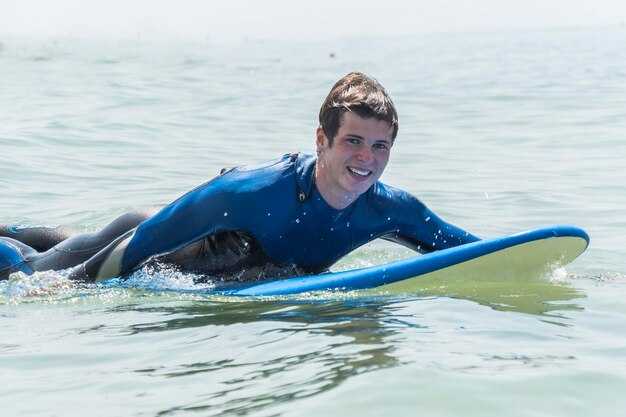
Start with a four-week baseline to quantify three pillars: physical readiness, balance, and breath cadence. On dry land, perform a 60-second single-leg stand on a foam pad, then switch to a tandem stance for 45 seconds. Record results and target a 15–20% improvement by week four. These checks are useful to decide whether you’re ready to begin light kayaking or paddleboarding near beaches with family.
Breath cadence matters. Practice slow, controlled cycles: inhale 4 counts, exhale 6 counts, for 5 minutes, twice daily. A steady tempo helps tame adrenaline during a wave and keeps your core engaged. Use calm nature spaces such as beaches or sheltered coves to build ideal confidence before real action.
Balance drills on firm ground translate to stability in practice. Do three 60-second cycles: single-leg stand on a foam pad, tandem stance with eyes open, then a weight-shift drill with a light resistance band. Add a paddleboarding stance on a balance board to mimic drift and prepare for gentle wave conditions. Include boarding drills to build symmetry. Optional addition: attach a light bungee to a fixed point to add resistance during stance holds.
Navigation and progression: begin with 10- to 15-minute sessions in mild conditions near beaches; increase to 20–25 minutes as balance and breath stabilize. Work with a buddy to keep safety high, especially in Maui, where fishing trips and calm seas attract families. Maintain a simple training log; this источник of motivation helps you assess whether you’re moving toward general goals and the ideal pace. As you dive into practice, you’ll see how working on the basics helps navigate transitions and maintain control when conditions shift.
Shortlist Suitable Water Sports Based on Region, Access, and Cost
Choose kayaking on a calm river with public access and rental gear to minimize upfront costs, while building skills and personal awareness.
Region-oriented options
- River corridors: calm segments surrounded by forests and natural scenery; public ramps and club docks provide quick start; gear includes kayak, paddle, life vest; wetsuit optional for temps below 18°C; equipment packages may reduce daily rate; cost: rental $15-25/day; starter bundles may lower overall spend.
- Lakes and reservoirs: open spaces, wind can vary; less current; access via lake launches; gear similar; wetsuit optional; cost: $12-28/day; optional spray skirt for wind days.
- Protected bays and inlets: mild wind and gentle currents; good for sit-on-top or touring kayaks; cost: $25-40/day; add spray skirt or drysuit if chilly; awareness of tides matters; feeling of independence grows with each session.
- Rivers with rapids (difficult): helmets and guides recommended; cost: $60-120/day; opt-out of owning full gear; never push beyond limits; the question of whether to buy upfront or rent guides your decision; personal progress depends on coaching.
Access and logistics
- Public ramps and clubs: easy urban access, parking, hours; gear included with rentals; life jacket mandatory; check access rules for seasons.
- Guided operators: structured programs; safety function; offers clear personal plan; whether you want to join depends on life schedule and budget.
- Transport and storage: roof rack required; if lacking, choose rentals near you; some shops offer delivery options.
- Opt-out path: if you only want to test interest, select rent-first plans; never force ownership; create a trial period to measure personal feeling and progress.
Cost considerations and practical recommendations
- Starter kit costs: kayak (poly) roughly 300-800, paddle 25-80, life vest 20-60, wetsuit 50-150, spray skirt 40-70; total initial investment around 450-1100 if buying everything; renting often lowers entry barrier; equipment values vary by brand and region.
- Recurring expenses: daily rental 15-40, weekly packages 100-250, lessons 40-120; group rates and student discounts may apply; offers vary by region.
- Return on investment: increase fitness and nature awareness; overall, cost per session declines with frequency; feeling of personal achievement grows, life balance improves.
Bottom line: test several options via rentals, track your feeling and physical response, and choose a path that aligns with region and budget while staying mindful of safety.
Plan a 4-Week Beginner Progression: Skills, Drills, and Milestones
Begin with a concrete schedule: three 60-minute sessions weekly at a calm lakeside with a mild current and a sandy shore. Start with 5 minutes on shore for mobility, 25 minutes on the board focusing on stance, paddle grip, and a straight gaze, then 5 minutes cooldown near the sand. Pack cookies for quick energy. Always wear a PFD and use a board leash; follow local government safety guidelines and weather checks before you begin.
Week 1 targets focus on balance and control: answer a common question–how long can you stay upright while propelling in a straight line? Achieve a stable stance for 60 seconds with even power on both sides, and complete basic forward strokes with a clean catch and smooth exit. Drills: 3 sets of 8–12 strokes per side, 2 seconds paused at the catch, 30 seconds rest between sets; keep feet shoulder-width apart, knees soft, hips squared. End with a 5-minute coast and a light reflection on technique; look for small improvements in stance stability on the next session.
Week 2 expands duration to about 75 minutes and adds turning, edging, and interval work. Drills: 4 × 20–30 m push-pull repetitions, 1-minute rests; practice 90-degree turns with hips leading, then a gentle sweep to re-center. Emphasize a tall, relaxed posture and a steady breath to manage adrenaline spikes – the goal is controlled movement rather than speed. The trademark cue is to keep hips forward and shoulders relaxed. This creates a bungee-like resistance sensation but remains controllable. Track progress by cadence and balance marks; identify your strongest 20 m segment and repeat it twice per session. This approach helps you feel united with the craft and with local paddlers sharing the lakes environment, surrounded by coves and shoreline scenery.
Week 3 focuses on endurance and environmental awareness: paddle longer, anticipate current shifts, and plan a simple route along a shoreline. Drills: continuous paddling for 30–40 minutes with 2–3 minute micro-breaks, include a lower-leg bend and core engagement to keep power efficient; add a self-rescue drill from kneeling to standing, ensuring you can re-enter in calm conditions. Use a model of good form: hips squared, chest open, hands light. After each block, review a quick Q&A note about weight distribution and how your feet adjust to wind and water flow.
Week 4 proves readiness with a solid milestone set: 60–90 minutes of uninterrupted paddling, a controlled 360-degree pivot on demand, and a reliable re-entry drill after a brief fall. Target distance of 1 km at a steady pace, with downwind sections tackled using gentle edging and efficient paddle catch. End with a debrief: evaluate progress against the pre-week metrics, plan the next phase, and celebrate with a snack on the sand; remind yourself you love the process, believe you can advance, and aim to increase the length and complexity gradually in the coming sessions. An unforgettable milestone for many is this expanded endurance that increases confidence, while you look back on the four weeks and feel united with the lakes, local teams, and the people who offered encouragement.
Find Local Lessons, Rentals, and Safe Practice Zones Near You
Recommendation: Book a beginner, instructor-led session at a reputable beach club today to establish a solid base for this activity. For general safety, choose programs that pair personal coaching with small groups so you can progress with others and build mental confidence alongside family support.
Ponuky nájdete na mestských rekreačných stránkach, v miestnych surfových školách, obchodoch s paddleboardami a plážových kluboch v krátkej vzdialenosti. Na Maui sa spojte so skúsenými spoločnosťami, ktoré zverejňujú aktuálne rozvrhy, prehlásenia o zrieknutí sa zodpovednosti a zoznamy vybavenia. Hľadajte jasný bezpečnostný plán, kvalifikovaných sprievodcov a postupný postup navrhnutý pre začiatočníkov; ak sú podmienky priaznivé, vyžiadajte si skúšobnú lekciu pred prihlásením sa na dlhší kurz.
Požičovne: overte si typ dosky a jej veľkosť podľa vašej hmotnosti a úrovne zručností. Začiatočnícka výbava je širšia a stabilnejšia; zvážte balíčky, ktoré zahŕňajú krátke školenie, vodítko a pumpu. Bežné ceny sa pohybujú od 25 do 60 € za hodinu za dosku, so zľavami pri viac hodinových blokoch. Vyžiadajte si bezpečnostné vybavenie s patentovanou ochranou a certifikovanú záchrannú vestu na zvýšenie vašej osobnej bezpečnosti.
Bezpečné zóny: vyberajte pláže s jasne označenými oblasťami pre začiatočníkov, bójkami a prítomnosťou plavčíka. Skontrolujte vyvesené vlajky a miestne pravidlá vstupu do vody a vyhýbajte sa spätným prúdom tým, že zostanete blízko brehu, kým sa nebudete cítiť pohodlne. Cvičte s partnerom, zostaňte na dosah inštruktora a sledujte počasie., vlna podmienky a dav. Absolútnou prioritou je bezpečnosť a vyhýbajte sa rizikovým konfiguráciám, aby ste si zvýšili dôveru pri každom sedení.
Komunita a plánovanie: zapojte miestne kluby, zdieľajte pokrok s tými, ktorým dôverujete, a zvážte časy vhodné pre rodiny s deťmi, ktoré podporujú spoločné aktivity. Ak máte otázky, žiadajte jasné odpovede ohľadom vybavenia, postupu a bezpečnosti; tieto rozhovory vám pomôžu zosúladiť očakávania. Zdrojom (источник) aktuálnych informácií je mestský odbor rekreácie a samotní prevádzkovatelia. Mnohé programy ponúkajú flexibilné rozvrhy, takže si môžete aktivitu zaradiť do víkendových plánov a postupne zvyšovať adrenalín v kontrolovanom a príjemnom prostredí.
Stanovenie bezpečnostných pravidiel: Počasie, kontrola výstroja a núdzové postupy
Pred odchodom si skontrolujte predpoveď; ak rýchlosť vetra presiahne 15 uzlov, nárazy dosiahnu 25 uzlov alebo je stav mora rozbúrený, zrušte a preplánujte. Použite prehliadač na získanie najnovších pobrežných výstrah, skontrolujte údaje o prílive a odlive a potvrďte si denné hodiny; tieto údaje sú užitočné pri rozhodovaní, či ísť.
Určte si rozhodovacie body: pri nárazoch vetra zostaňte v chránených zátokách, vyhýbajte sa otvoreným kanálom a dodržiavajte dostatočný odstup od ostatných; ak sa podmienky zmenia, musíte prehodnotiť situáciu a vybrať si bezpečnejšiu možnosť. Tento rámec funguje aj pre kajakárske trasy.
Kontroly osobnej výstroje: skontrolujte PFD, či nie je opotrebovaná, overte, či sú popruhy bezpečne zapnuté, uistite sa, že je pripojená funkčná píšťalka, otestujte tesnosť nástrekovej sukne kajaku, uistite sa, že sú listy na pádle neporušené a zbaľte náhradné duše do vodotesného vrecka spolu so základnou opravárenskou súpravou.
Núdzové postupy: určite si parťáka, zdieľajte polohu prostredníctvom zapečateného telefónu alebo satelitného majáku, noste VHF rádio a signalizačné zariadenie, stanovte si jednoduché znamenie a miesto stretnutia a precvičte si kroky seba-záchrany a asistovanej záchrany s partnerom pred akoukoľvek aktivitou.
Vzhľadom na parasailingové aktivity v blízkosti sa vyhýbajte letovým zónam, dávajte prednosť pomalšej premávke a dodržiavajte vyvesené pokyny; udržiavajte bezpečnú vzdialenosť a používajte očný kontakt, aby ste sa vyhli nedorozumeniam v rušných zónach.
Vzorový kontrolný zoznam: rozhodnutie o počasí, kontrola výstroja, plán so spoločníkom, signalizačné vybavenie, núdzové kontakty; pred spustením prediskutujte plán s posádkou.
Výsledky z rýchlych kontrol ukazujú, že väčšina posádok chce stručné, realizovateľné kroky; tieto opatrenia pomáhajú podporovať dôveru a znižovať riziko.
Podporujte kultúru, v ktorej je bezpečnosť na prvom mieste; nasmerujte adrenalín do presných úkonov, rešpektujte prírodu a zabezpečte, aby každá zainteresovaná osoba rozumela plánu a dokázala naň rýchlo reagovať.
Premýšľajte o tom, na čom záleží: dôvody pre každé pravidlo, čo poskytuje výstroj a čo sa stane, keď zlyhajú signály; to slovo bezpečnosť by malo viesť každé vaše rozhodnutie.