


 Slovenčina
  English (UK)
  Русский
  العربية
  日本語
日本語  한국어
한국어  Magyar
  Türkçe
  Español
  Čeština
  Svenska
  Português
  Ελληνικά
  Suomi
Suomi  Nederlands
  Română
  Italiano
  Français
  Polski
  Українська
  Deutsch
  简体中文
简体中文 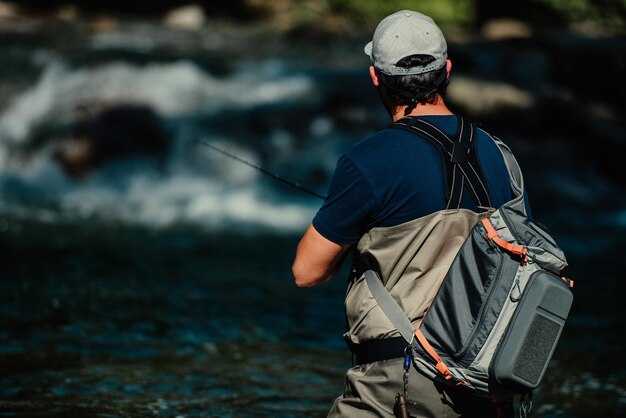 Deep Sea Fishing Gear – What to Wear for Comfort and Safety">

Wear a three-layer setup: a moisture-wicking base layer, a breathable mid-layer, and a waterproof, windproof outer shell. Planning your gear around waters conditions ensures you stay dry and comfortable for hours on deck. The factor you must face is spray and wind shifts, which can come from any direction; staying focused helps you maintain warmth and mobility.
Choose a base layer in merino wool or synthetic fleece, both delivering excellent moisture transport and temperature control. For cooling on hot days, select tops with mesh panels or ventilation zips. This approach keeps you focused on which fabrics perform best and helps you stay comfortable when the deck rocks.
Pair your base with a durable outer shell that is waterproof and windproof, with compatible zippers and storm cuffs. Add a PFD that stays buoyant and a non-slip boot with reinforced toe protection. A sun hat and UV sunglasses protect your face from glare, while gloves with grippy palms improve handling in spray. If brrr wind bites your face, a hood that tucks away reduces cold exposure without limiting vision.
When buying gear, check ratings for waterproofing (mm rating), breathability (MVTR), and seam construction. Compare products based on real user feedback from anglers who fish in similar waters. Whether you fish in cold mornings or warm afternoons, your layers should adapt quickly; keep a compact dry bag with spare socks and gloves for shifts in the day.
Practice dressing on shore to build patience and test comfort before you head out. This routine reduces chafing and adjusts quickly as weather comes and goes, making long shifts more tolerable. The result is a safer, more exciting day on the water for your crew and a gear performance that you can rely on.
Key Clothing and Layering for Comfort and Safety on Saltwater and Freshwater Waters
Wear a breathable base layer under a moisture-wicking mid-layer, and cap it with a windproof, waterproof outer shell to stay comfortable at your fishing spot on saltwater or freshwater. This three-layer setup takes minutes to adjust and reduces chafing, helping you enjoy long sessions without distraction.
- Base layer: choose breathable fabrics such as merino wool or synthetic blends that wick moisture and dry quickly; avoid cotton that holds sweat and leads to chafing, especially under a long day of reels and casting.
- Mid-layer: a light fleece or thermal top provides insulation when mornings are cool, yet remains comfortable within active movement.
- Outer shell: a windproof, waterproof jacket with taped seams and adjustable cuffs; pick a color with high visibility for safety on the water and to help others spot you heading back to the boat.
- Legwear: quick-dry pants or convertible pants with a lightweight liner; ensure range of motion and pockets for the tackle that accompanies your reel, and to take essentials without bulk.
- Footwear and gloves: non-slip, quick-dry shoes or boots; gloves with grip help you reel without friction and withstand spray; consider fingerless options to prevent chafing while keeping dexterity.
- Head and sun protection: hat with a brim, UV-blocking sunglasses, and sunscreen; breathable fabrics keep you cool while you stay alert and ready for the next cast.
- Safety gear: proper PFD worn within easy reach, a whistle, and a well-stocked set of rain gear, spare socks, and a small medical kit; this reduces risks and leads to a stronger day, with strong protection against surprise weather shifts.
- Storage and layering strategy: keep a compact, well-stocked windbreaker or fleece under the seat; design pockets and zippers for valuables, and store the layering system so it’s easy to access when heading out.
- First-timer guidance: for a first-timer, choose simple pieces that fit well, can take a lot of wear, withstand spray, and stay comfortable during long waits; the right gear takes the pressure off and helps you enjoy the day.
- Recreational focus: recreational anglers benefit from versatile apparel that can switch from sun to shade and from calm to windy conditions without bulk.
Practical notes: flat seams and soft edges prevent chafing at the neck, wrists, and underarms; keep your equipment in good condition by rinsing salt after a trip and letting it dry fully. Heading out with a proper plan makes getting back to shore a confident part of your day, not luck; color and visibility reduce the surprise factor when the weather shifts. If a dolphin surfaces nearby, your color and awareness help you stay safe as you manage gear and the reel. With well-designed apparel that withstands spray and wind, you’ll have an unforgettable experience on saltwater or freshwater and avoid unnecessary risks.
Base Layers: Materials that wick moisture and dry quickly
Choose a lightweight merino wool or high-wick synthetic base layer that pulls moisture away from your skin and dries quickly; it keeps your body comfortable when spray and currents chill you.
To build a reliable foundation, target fabrics in the 150–210 g/m2 range with a close-to-skin fit and flatlock seams. That combination delivers strong moisture transport, reduces friction under gloves, and stays comfortable across long days on deck or chasing bites in varying conditions.
- Merino wool (17–19.5 μm): soft next to your skin, excellent moisture management, and natural odor resistance. Look for polygiene-treated options if you’ll wear the same shirt for multiple sessions without washing. Merino dries faster than traditional wool and performs well when the water is cold.
- Synthetic blends (polyester, nylon, and blends with elastane): highly durable, quick-drying, and easy to care for. These fabrics excel in warmer weather or when you’re active, making it easier to stay dry as you cast, reel, and move through currents.
- Polypropylene: exceptional wicking even when damp and lightweight; great for long days when you’re handling bait and gear. It dries rapidly and holds up under repeated washings.
- Blended base layers (merino-polyester or merino-nylon): combine the warmth of wool with the fast-dry performance of synthetics. They give you valuables like durability, reach in motion, and comfort during chumming or line handling.
Patterns and construction matter. Favor fabrics with flatlock or minimal-seam design to reduce rubbing under pockets, gloves, or a wide-brimmed hat. A snug, but not restrictive, cut helps the fabric pull moisture away from your body and spread it across a larger surface area for faster drying. This approach protects you from chill when you pause between casts or when the deck gets wet from spray.
Care features can extend the life of your base layer. Look for fabrics treated to resist odors, like polygiene, which helps your clothing stay fresher on longer trips. Wash with mild detergent, skip fabric softeners, and air dry whenever possible to maintain wicking performance and fit. If you’re on a recreational trip and you come back with damp gear, you have a solid chance to dry it quickly before the next outing.
Practical tips for on-water use: stay ahead of the cold by dressing your core and legs first, then add a mid-layer if wind picks up. Have a spare dry base layer tucked in a dry bag for when you need it, especially during extended chumming or bait handling. A well-chosen base layer keeps you warm without overheating, so you can reach for gear, handle bait, and move with confidence rather than shivering.
In rough seas or when you’re chasing big catches, a fast-drying base layer reduces risks of hypothermia and fatigue. It also improves your overall comfort, allowing you to dress yourself for a long day without sacrificing protection. Wear it next to your skin, pair it with a wide-brimmed hat for sun and salt spray protection, and your clothing will come together to support longer, safer, and more enjoyable days on the water.
Mid Layers: Insulating fleece or knit options for changing depths
Select a mid-weight fleece as your base mid layer for most deep-sea days. It locks in warmth, wicks moisture, and dries quickly after the spray hits the deck.
In selecting fleece, aim for 200–300 g/m2 for a versatile range that stays comfortable as you move from shallow to deeper depths. Microfleece delivers soft warmth with excellent moisture transport, while a smooth outer face helps cut wind when you lean into a breeze on the boat. If you prefer knit comfort, choose a fleece-backed knit or a knit option like Merino-wool blend to balance warmth with breathability. For color, choose a matte, dark shade that hides salt and sun exposure and keeps your kit looking proper after long days at sea. You can find these options in most outdoor shops, and selecting the right color helps reduce glare from the water. Appropriately chosen color also helps you stay low-profile on the water.
Choosing mid layers for changing depths hinges on air-trapping warmth and moisture management. A fleece mid-layer excels here, while a knit option like Merino stays warm even when damp. Recreational and experienced anglers use this same setup whether game fishing in open water or chasing bigger pelagic targets; layer under a windproof shell when the weather shifts, and you’ll stay comfortable through miles offshore. Pair your gear with a wide-brimmed hat to reduce sunburn on bright days, and you’ll worry less about skin protection on long, sun-soaked days at sea. It helps you become comfortable as you descend through changing depths. It takes seconds to adjust if the direct heat from sun comes and you feel a chill when you dive deeper–this flexibility is what makes mid layers so valuable on a boat.
faqs note practical tips: keep the base dry, adjust your layers to temperature swings, and replace a stiff or damp layer promptly. If you notice the wind biting or you’re taking long hours on the boat, add a thicker knit or a 2nd fleece under your outer jacket. The plan works for both recreational and professional crews, with the same approach that helps you adapt to a rapid drop in temperature as you go deeper into the deep-sea zone. The risks of neglecting proper layering show up as cold hands, reduced dexterity, or sunburn when you peel off warmth too soon after a surprise front moves in.
| Layer option | Best use | Pros | Considerations |
|---|---|---|---|
| Fleece mid-layer (200–300 g/m2) | Most days at sea, shifting depths | Warm, moisture-wicking, dries fast | Less wind protection than a shell; pair with windproof outer |
| Knit mid-layer (Merino-wool blend) | Cool mornings, damp air | Warm when damp, breathable, odor resistant | Heavier when wet; cost |
| Hybrid fleece-knit | Variable weather | Good warmth with stretch | Vyžaduje správny strih; môže byť drahšie |
Vonkajšie vrstvy: Nepremokavé, priedušné bundy a nohavice proti vetru a striekajúcej vode
Začnite jasnou voľbou: trojvrstvová nepremokavá a priedušná bunda s plne podlepenými švami a búrkovou kapucňou, ktorá sa zmestí cez šiltovku. Pre hlbokomorské výpravy sa zamerajte na hodnotenie minimálne 10k/10k, aby ste zabránili vniknutiu vody a zároveň umožnili únik vlhkosti zvnútra, takže zostanete v pohodlí aj na dlhých trasách.
Výber bundy a nohavíc z rovnakej rady zaručuje bezproblémové spojenie sucha a mobility, vďaka čomu sú dlhé dni na palube príjemnejšie. Hľadajte tvarované rukávy a strečovú tkaninu, ktorá vám pomôže nahadzovať, navíjať a pracovať so sieťami bez obmedzovania.
Záleží na strihu: vyberte si veľkosť, ktorá umožňuje nosenie niekoľkých košieľ pod ňou a zároveň sa nevyhrnuje v páse. Skontrolujte manžety a kapucňu, aby dobre sedeli; kapucňa, ktorá vám nebráni vo výhľade, je dôležitá pri striekajúcej vode a vetre a minimalizuje drobné odreniny počas dlhých služieb. Využite tieto vlastnosti na ochranu počas veterných chvíľ.
Medzi funkcie, na ktoré sa treba prioritne zamerať, patria nastaviteľné manžety, vnútorné sieťované vetracie otvory pre prúdenie vzduchu, zipsy s protidažďovou légou a vrecká, ktoré zostanú suché. Nohavice by mali mať kliny na členkoch alebo manžety vhodné pre topánky, aby sa zabránilo vniknutiu vody, a tieto prvky poskytujú spoľahlivú ochranu proti vode.
Bezpečnosť telefónu: uložte zariadenie do špeciálneho vodotesného vrecka alebo uzatvárateľného puzdra; ako rybár majte ostatné vybavenie suché a pripravené na použitie, keď ho potrebujete.
Kroky starostlivosti: po zašpinení opláchnite čistou vodou a nechajte vysušiť na vzduchu mimo priameho tepla. Podľa potreby znova naneste vodoodpudivú vrstvu, aby ste zachovali silné stekanie a odpudzovanie striekajúcej vody.
Na palube sa pripravte na veterné podmienky vrstvením priedušných tričiek odvádzajúcich vlhkosť pod škrupinu, aby ste sa cítili pohodlne počas chvíle, keď meníte návnadu alebo kontrolujete vlasce počas rybolovu.
Obuv a ponožky: Protišmyková podrážka, podpora členka a rýchloschnúce materiály
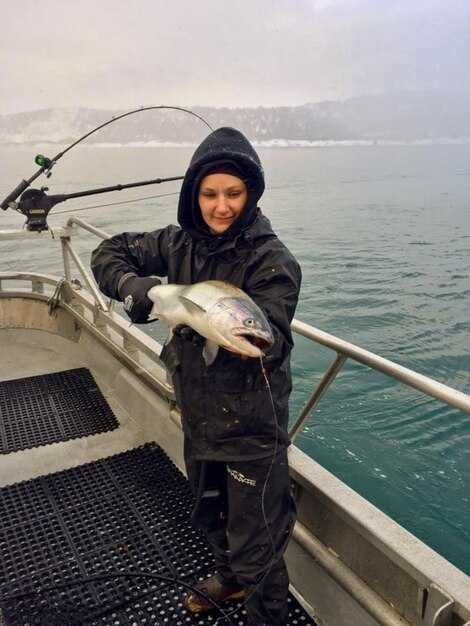
Vyberte si obuv s protišmykovou podrážkou a podporou členka pre stabilnú oporu na hojdajúcej sa, mokrej palube. Pri vetre a striekajúcej vode pomáha bezpečná opora predchádzať pošmyknutiam a zraneniam a udržuje manipuláciu s vašou výbavou stabilnú. Hľadajte topánky, ktoré zostanú chránené aj pri náročných podmienkach na palube; to je znak priliehavého strihu, ktorý znižuje pohyb, ktorý by mohol zachytiť laná.
Zvoľte si gumenú podrážku s hlbokým dezénom a lamelami pre priľnavosť na mokrom povrchu a uistite sa, že zvršok rýchlo schne po postriekaní. Vyberte si obuv vhodnú do počasia, ktorá toleruje soľ a slnko, a vyberte si rýchloschnúce tkaniny alebo sieťované panely pre rýchle schnutie.
Skombinujte s ponožkami navrhnutými na odvod vlhkosti; vyhýbajte sa bavlne. Používajte ponožky odvádzajúce vlhkosť s úpravou proti zápachu; vyberte si výšku po lýtka pre zimné teplo alebo dĺžku po členky pre horúce dni. Syntetické alebo vlnené zmesi rýchlo schnú a chránia nohy.
Majte vrecká alebo lodné priehradky zásobené extra ponožkami, aby ste si ich mohli vymeniť, keď vám vlhkosť postrieka tie, ktoré máte na sebe. Po každej ceste opláchnite obuv sladkou vodou, aby ste odstránili soľ, a potom ju nechajte vyschnúť na vzduchu mimo priameho tepla, aby ste zabránili tvorbe zápachu.
Pre deti vyberajte ľahké topánky s pevnou priľnavosťou a jednoduchými šnúrkami, ktoré zostanú zaviazané, keď navíjate ťažké vlasce. Pre dospelých skontrolujte priestor v oblasti prstov a priliehavú pätu, aby ste predišli odreninám počas dlhých manipulačných sedení.
Uložte si obuv v suchu a pripravenú vo vnútri vreckách odolných voči poveternostným vplyvom na lodi; toto vybavenie môže zahŕňať extra ponožky, vrecúška na návnady a náradie na vlasce, všetko oddelené od vašich nôh, aby sa minimalizoval prenos zápachu.
Správne ponožky a topánky zvyšujú pohodlie počas slnečných aj veterných výletov, znižujú únavu chodidiel, takže sa môžete sústrediť na všetko od manipulácie s lanami až po zacielenie návnady, a navyše sa hodia k vrstvám s dlhým rukávom, keď sa vzduch ochladí. To pomáha znižovať únavu počas dlhých zmien.
Overte si miestne pravidlá a požiadavky na povolenia; zlaďte ich s výbavou vhodnou do počasia a spoľahlivou obuvou.
Ochrana hlavy, rúk a tváre: Klobúky, rukavice, slnečné okuliare a SPF ochrana
Začnite so širokým klobúkom s UPF 50+, ktorý dobre sedí a zostáva bezpečne upevnený aj na veternom palube. Toto je základ, ktorý chráni tvár, uši a krk, a remienok na bradu zabraňuje strate, keď vás zasiahne klzká triešť, vďaka čomu je táto voľba ideálna pre začiatočníkov aj skúsených rybárov. Okraj chráni a tento jednoduchý prvok ochrany udáva smer vášmu dňu, pomáha vám uprednostňovať pohodlie v drsných morských podmienkach.
Vyberte si polarizačné slnečné okuliare profesionálnej kvality s ochranou UV400. Panoramatické rámy obmedzujú odlesky od vody a oblohy, zvyšujú ostrosť a znižujú namáhanie očí. Pri silných odleskoch od mora ponúkajú šošovky kategórie 3 silnú ochranu a popruh alebo rýchloupínací držiak pomáha na klzkej palube, aby okuliare zostali na mieste. Toto cielené nastavenie ponúka silnejšiu ochranu očí počas dlhých dní na vode.
Rukavice poskytujú silnú vrstvu ochrany pre ruky. Vyberajte si rukavice s plnými prstami a textúrovanými dlaňami pre úchop lana a rýb, vyrobené z neoprénu alebo syntetickej kože. Uistite sa, že majú flexibilitu v prstoch a bezpečné manžety, ktoré zabránia vniknutiu striekajúcej vody. Rukáv, ktorý zakrýva predlaktie, pridáva ochranu pred slanou vodou a slnkom a udrží vás v pohodlí pri manipulácii s výstrojom po celý deň.
Ochrana SPF je dôležitá. Naneste opaľovací krém s SPF 30–50 na všetku exponovanú pokožku: tvár, uši, krk a chrbty rúk. Opakujte aplikáciu každé dve hodiny alebo bezprostredne po potení, osušení uterákom alebo ponorení. Vyberte si vodeodolné zloženia a naneste na suchú pokožku 15 minút pred expozíciou, potom podľa potreby počas dňa opakujte. Na tvár zamerajte SPF 50+ na nos a uši a nezabudnite zakryť akúkoľvek exponovanú pokožku, na ktorú dopadá slnko; tento prístup ponúka jednoduché kroky, ktoré môžete nasledovať, a tiež pomáha v prípade potreby núdzového tieňa alebo náhleho úderu.
Správna voľba oblečenia a stratégia obliekania zaisťujú celodenné pohodlie. Zvoľte priedušné, rýchloschnúce materiály, košeľu s dlhým rukávom so zabudovaným UPF a ľahké nohavice alebo šortky, ktoré chránia nohy a zároveň zostávajú flexibilné. Nákrčník a tenká vetruodolná vrstva vás ochránia pred silným striekaním a chladom. Tento prístup zaistí, že budete vyzerať ako model inteligentného vybavenia a budete môcť ísť príkladom, zatiaľ čo váš tím bude kopírovať správnu ochranu. Ak to urobíte správne, vaše vybavenie sa stane nezabudnuteľným a pripraveným na akýkoľvek výlet.