


 Slovenčina
  English (UK)
  Русский
  العربية
  日本語
日本語  한국어
한국어  Magyar
  Türkçe
  Español
  Čeština
  Svenska
  Português
  Ελληνικά
  Suomi
Suomi  Nederlands
  Română
  Italiano
  Français
  Polski
  Українська
  Deutsch
  简体中文
简体中文 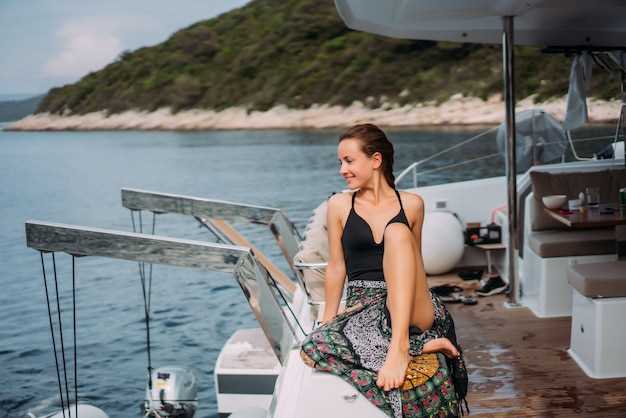 Charter Broker 101 – A Beginner’s Guide to Yacht Charter and Brokerage">

Begin with a clear set of priorities and a budget; then align a number of brokers who specialise in your cruising regions and yacht size. If you know the exact dates and the vessel type you want, you can shortlist three to five candidates listed on reputable broker networks. A thoughtful approach could save you time and stress in the months before cruising.
Understanding the broker’s role helps you compare options without overpaying for services. A charter broker coordinates itineraries, pricing, and the vessel’s availability, while a separate operator handles on-board logistics. Although the terms can vary, ask whether the broker could include crew, provisioning, and third-party inspections in their quote; this clarity saves time during cruising preparation. For a particular itinerary, you may need several quotes, and that’s where kayleigh’s guidance has proven valuable.
In our team, kayleigh brings a straightforward, krásny approach to turning decisions into actions. She shows clients how to map each step from the initial inquiry to boarding, with a timeline and milestones. When you choose a broker, ask for client references, a written fee schedule, and a guaranteed response time. Look for brokers who provide a transparent timeline from initial inquiry to boarding, with milestones such as contract signing, deposit, and final payment. Track the lifetime value of a charter by counting the frequency of referrals and repeat bookings.
To organise the search effectively, build a shortlist using listed credentials: licenses, market presence, and a proven track record in your chosen region. Then request a sample itinerary with a detailed day-by-day plan, anchorages, and weather contingencies. A well-documented proposal helps you begin negotiations with confidence and avoid surprises during past delays or changes in availability.
When choosing a broker, set expectations about oversight: who will oversee the contract, who handles the charter agreement, and how changes are charged. For example, agree on a cap for handling fees and a trigger for additional costs, such as fuel surcharges or port dues. A transparent broker will present a clear number for the commission and the services included–no hidden add-ons.
Plan your first charter with a broker: a practical workflow
Define your priorities in one page and share them with your broker before you review listings. This keeps searches focused on boats that fit your budget, timing, and guest needs.
Normally, start with a discovery call to map your workflow. Provide dates, regions, guest count, and must-haves (skippered crew, water toys, privacy). amaya verifies crew availability and authenticates these listings with reputable operators.
Choosing the right charter style–crewed, skippered, or fully crewed–depends on comfort level and experience. The broker shows you the best matches from the listed boats and explains each listing’s inclusions, extras, potential add-ons, and operator reputation, while you weigh much against price.
Islands and routing: The broker drafts a route across fabulous destinations, whilst respecting weather windows and sea conditions. The plan uses the listings to map a realistic path and shows where you may want to linger or adjust.
Offer and contract: When you select a lead option, the broker drafts an offer and negotiates terms. A clear account of inclusions, taxes, port charges, fuel, and provisioning prevents surprises and reduces the chance that costs are multiplied during peak season, covering the entire financial picture.
Planning and prep: The broker coordinates provisioning, crew, insurance, and risk management. Keep notes throughout the workflow in your account to ensure alignment and to avoid common challenges.
Define your trip profile: itinerary, season, and charter type (crewed, bareboat, or captain-only)
Define your trip profile first: outline the itinerary, confirm the season, and select the charter type that fits your experience and goals.
Tailor your plan to your horizon and funds; a tailored profile helps you navigate options efficiently and manage expectations. Keep accounts clear and note commissions so your client and broker see the value. Weekly updates from the broker keep you aligned with offers and prices beyond the initial quote. Although high season drives prices, a well-planned route can still deliver great value.
Itinerary decisions set the pace for the voyage. Map a route with 4–6 anchorages for a week, plan 4–5 cruising days, and reserve a little buffer for weather or excursions. Consider a mix of sailing days and leisure time to satisfy each member of the crew.
Season matters for weather, seas, and pricing. In high season, expect crowded ports and premium rates; shoulder seasons often bring calmer seas and better availability. Align your dates with a horizon that fits your schedule and budget, and be prepared to adjust your plan if better offers appear from the marketing channel.
Charter type choices drive daily schedule and onboard services. Each option has advantages and constraints:
- Crewed: attentive service, professional crew, and provisioning; straightforward for first-time charterers. Verify the vessel is insured and crew are licensed; review experience and safety training and ask about weekly rotation so you understand the coverage.
- Bareboat: hands-on control for experienced sailors; lower base price but higher risk. Ensure you have the necessary competence, consider a skipper option, perform a pre-charter survey, and plan to manage maintenance, spares, and local permits; reserve funds for contingencies.
- Captain-only: navigate with a captain while you enjoy flexibility; reduces crew costs and keeps the pace adaptable. Plan a schedule that suits your pace and add land days; confirm responsibilities and ensure insurance coverage is clear.
When you finalize, review and sign the accounts: confirm total prices, any additional charges, and weekly or monthly billing cycles. Compare offers from multiple brokers and choose the plan that matches your profile. Once you agree, the broker can manage the booking, coordinate provisioning, and organise transfers.
This client-focused approach yields a smoother, insured cruising experience. You’ll feel grateful for transparent terms, clear commissions, and a plan that fits across funds and horizon. Attentive handling of details helps you keep onboard experience positive for all members.
Assess yacht categories by size, layout, and onboard amenities
Choose mid-sized, 24–40m crewed motor yachts for most charters: they deliver balanced space, strong service, and flexible itineraries. In hard seas or short crossings, their reliability pays off. A representative example offers 4–6 cabins, a full-beam master, multiple lounging areas, and amenities such as a gym, cinema, and shaded al fresco dining. With a crew of 4–6, they support 8–12 guests without feeling crowded, while maintaining solid fuel efficiency for short hops between islands. For potential clients, the industry value comes from what they value: reliable connections, real-time information, and a service mindset. Several clients and their teams stay grateful for this kind of support, and this helps during peak marketing periods. In contracts, the guest pays for optional items. Another option for longer routes is a 40–60m yacht. When comparing options, consider what matters most to your clients and market signals, including availability, crew responsiveness, and onboard connectivity.
Under 24 meters layouts skew compact and practical. You typically find 3–4 guest cabins, a two- or three-crew layout, a compact galley, and a salon that doubles as dining space. They excel in short coastal hops and island visits; a small gym and sun deck are common, and fuel use remains manageable in crowded harbors. For 6 guests, this class delivers dependable comfort with minimal overhead. In several markets, agencies emphasize easy market entry for these yachts, with solid resale value and quick provisioning for island stays; this is a kind fit for first-time charterers.
24–40 meters yachts dominate family and multi-guest charters. They typically offer 4–6 cabins, a dedicated master suite, multiple lounges, and outdoor spaces plus amenities like a gym, cinema, spa, and water toys. They usually carry 4–6 crew; that yields a 1:2 or 1:3 crew-to-guest ratio, enabling refined service while keeping operating costs reasonable. They offer greater range, larger tanks, and satellite connectivity for guest communications, information, and connections in island clusters or remote anchorages. For each charter, the guest pays for optional items, while the captain and crew ensure steady logistics and timely connections.
40–60 meters yachts push into luxury with a beach club, spa, cinema, multiple dining areas, and dedicated guest spaces. Expect 6–12 cabins and a larger crew, often 12–20; the expanded crew enables teams for watersports, tenders, event catering, and security. These vessels rely on advanced navigation, robust communications, and high-end finishes; guests on longer passages or remote ports value quiet environments, reliable satellite connections, and strong crew responsiveness. This level of care attracts grateful clients seeking privacy, cuisine, and seamless service.
Above 60 meters megayachts deliver bespoke experiences: private decks, full-beam master suites, multiple lounges, and specialist staff across culinary, wellness, and water toys. They include beach clubs, submarines, and heavily customized entertainment. The crew complement scales with guest numbers, and satellite communications run as standard to support planning and connections in remote areas. In many cases, one guest pays for bespoke itineraries and exclusive access; the marketing approach should highlight privacy, cuisine, and capability to navigate remote ports and islands.
Parse the cost structure: base rate, inclusions, surcharges, and tipping norms

Compare base rates from dealers and verify inclusions before you commit. This simple step saves funds and keeps vacations aboard manageable.
Base rate basics: The base rate covers vessel time, captain and crew, standard insurance, and basic safety. Rates usually reflect yacht size, season, and itinerary distance. For large yachts in the 90–150 ft range, expect base rates from about 25,000 USD in off‑peak periods to 100,000+ USD for a week aboard during peak times. That price pays for the house crew, the vessel’s use, and safety provisions, with the finish of standard service elements included.
Inclusions: Typical inclusions cover meals, beverages, tender access, water toys, and crew services; laundry is often included, and some operators add Wi‑Fi or equipment for water sports. Confirm items in the base rate and those billed separately on the contract.
Surcharges: Očakávajte dodatočné poplatky, ako je APA (Advance Provisioning Allowance), spotreba paliva, prístavné poplatky, dane a poplatky za dopravu, ak jachta vypláva z inej základne. APA je bežne 15–25% základnej ceny; náklady na palivo stúpajú so spotrebou a sezónou. Poplatky za dopravu a premiestnenie vznikajú, keď jachta vypláva do vašej lokality, a niektoré itineráre si vyžadujú dodatočnú manipuláciu s vízami alebo povoleniami.
Tipy: Tipy pre posádku vo výške približne 5–15% základnej ceny sú bežné a platia sa na konci chartrov alebo v spoločných tipoch. Ak plavba zahŕňa výnimočný servis, zvážte vyššiu sumu pre posádku na palube. Tip ide posádke úmerne k ich pozíciám, pričom kapitáni, služobníci, kuchári a inžinieri podiel na ňom rozdeľujú.
Na porovnanie ponúk používajte webové stránky operátorov a oslovte kontakty vo vašej sieti; požiadajte predajcov o podrobné cenové ponuky, ktoré rozdelia základnú sadzbu, zahrnuté položky a príplatky. Do poznámok si zaznamenajte časové obdobie a dĺžku plavby, aby ste mohli základnú sadzbu vynásobiť počtom dní a pridať APA. Vždy si overte, čo sa zahrnie do záverečnej faktúry a čo zostane oddelené.
| Nákladová položka | What it covers | Typical range (USD) | Poznámky |
|---|---|---|---|
| Base rate | Čas plavidla, kapitán a posádka, bezpečnosť, štandardné operácie | 25 000–100 000+ týždenne (závisí od veľkosti a sezóny) | Najvyšší položkový riadok; mení sa v závislosti od plavidla a itinerára |
| Inclusions | Jedlá, nápoje, prístup na palubu, vodné hračky, služby posádky, pranie | Často zahrnuté alebo jasne uvedené ako príslušenstvo | Objasnite rozsah, aby sa predišlo neskorším poplatkom. |
| Prirážky | APA, palivo, prístavné poplatky, dane, dodacie poplatky | APA ~15–25% základnej miery; palivo a dane sa líšia | Požiadajte o podrobný rozpis položiek. |
| Tipping | Crew gratuities | 5–15% základnej sadzby alebo celkovej ceny prenájmu | Tip na cestu; rozdeliť medzi posádku |
Pochopenie služieb maklérov: vyhľadávanie, overovanie, rokovania a podpora zmluvného procesu
Definujte si rozsiahly vyhƾadávanie: vyberte 3-5 lokáció, uvečte potenciálne dátumy a nastčinujte hrubý rozpoĎt; tento zameraný prújstup prédeč vhodnému zabéraniu plátnetia. Maklér využíva vyhšávanie naprieč tľastvami zdrojmi a webovými na zýsievanie prújležlitosti, ktore zodpovedávša Vašej stratégii, ak je to možné.
Overovanie: Maklér preveruje každú možnosť podľa veku plavidla, histórie údržby, triedneho stavu, poistenia a záznamov prevádzkovateľa. Overujú certifikáty a referencie kapitána, kontrolujú nedávne prenájmy a potvrdzujú dostupnosť jachty pre vaše termíny.
Vyjednávanie: Predstavujú ponuky, hľadajú zaradenia, ktoré potrebujete (vybavenie, posádka, zabezpečenie, transfery), a vyjednávajú podmienky, ktoré vyhovujú vašej ročnej zmluvnej väzbe.
Zmluvná podpora: Ponúkajú tvorbu, kontrolu a podpisy, plus pridávajú rozpis platieb, zrušovacie podmienky a rozdelenie rizík. Potvrdzujú, kto čo platí, ako sú oneskorenia kryté a čo sa stane, ak zmenu vyvolá počasie.
Role a pokrytie: Sprostredkovatelia sa špecializujú na konkrétne segmenty a riadia tok od hľadania po dokončenie.
Tím a atmosféra: Môžete interagovať s Cherie a ďalšími členmi tímu; prinášajú transparentnosť, zdieľajú odkazy a udržiavajú vás informovaných prostredníctvom webových stránok a e-mailov; môžu žonglovať s viacerými možnosťami, vrátane nezabudnuteľných charterov na dovolenky.
Konečná rada: Udržiavajte živý zoznam príležitostí, stanovte si jasné rozhodovacie body a používajte Cherie na vyjednávanie o najlepších podmienkach. Cieľom je dokončiť so zakladacou chartou, ktorá zodpovedá vašim horizontom a dovolenkám, pričom udržiava predvídateľný peněžný tok.
Zhodnotenie brokerskej spoločnosti: transparentnosť, referencie klientov a pomoc po prenájme.

Predtým ako si rezervujete, vyžadujte si písomný zoznam transparentnosti a potvrdené referencie od klienta od každého sprostredkovateľa. Tento jednoduchý krok chráni vaše dovolenkové plány a zabezpečuje, aby ste mali jasné očakávania, čo sprostredkovateľ poskytne, od úvodnej offers to post-charter support. Treat every client, od prvého kupujúceho po klienta na úrovni princeznej, s rovnakými štandardmi.
Transparentnosť začína jasným fee štruktúra a commission rozpis, navyše kto to rieši taxes a legal compliance. Požiadajte o vzorový zmluvný dokument, ktorý menuje každú stranu, note keď sa uplatňujú poplatky, a potvrďte, ako funds sú držané alebo uvoľnené. Opýtajte sa na email kontaktujte nás ohľadom pretrvávajúcich otázok a stanoveného časového harmonogramu odpovedí.
Kontaktovať aspoň troch client referencie, ktorí nedávno prenajali, kúpili alebo predali loď prostredníctvom brokerskej spoločnosti. Opýtajte sa na ich experience, their uspokojenie, a či vysvetlil maklér offers zreteľne varoval pred port limity a zverejnené taxes a legal considerations. Ak je to možné, opýtajte sa, ako sa ich proces nakupovania alebo predaja líšil medzi maklérmi.
Pomoc po podpise zmluvy by mala byť konkrétna: ako maklér rieši problémy počas charteru, či pomáha s insurance alebo dokumentáciu po chartre, a ako podporujú budúce spoločné nakupovanie alebo predaj s vami. Potvrďte časy odpovede prostredníctvom email a či poskytujú note ktoré sumarizuje, čo sa podarilo a čo sa dá zlepšiť.
Choose a seasoned tím s hmatateľnými nástrojmi: osobou na pobrežnej strane, kontrolou paluby a zverejneným rozvrhom. Keď vyhodnocujete offers, porovnajte rozsah možností a ich dôveryhodnosť a note koľko môže maklér multiplied vaše šance nájsť the perfect match. Beware hard sells or cigán taktiky, ktoré ťa nútia do rozhodnutí; zaobchádzaj each berie vážne a aplikuje proces výberu.
Udržujte aktívnu evidenciu: zbierajte email threads, note who confirms steps, and request copies of all legal dokumenty. Ak maklér nebude schopný poskytnúť jasnú, písomnú odpoveď počas dvoch pracovných dní, prejdite ďalej a pokračujte v nákupe s niekým, kto si váži váš čas. Použite tento rámec na porovnanie aspoň troch maklérov a vyberte si toho, ktorému môžete dôverovať pri riadení vašich charterových potrieb oveľa hladšie, spolu s vaším tímom, do nasledujúcej sezóny.