


 Slovenčina
  English (UK)
  Русский
  العربية
  日本語
日本語  한국어
한국어  Magyar
  Türkçe
  Español
  Čeština
  Svenska
  Português
  Ελληνικά
  Suomi
Suomi  Nederlands
  Română
  Italiano
  Français
  Polski
  Українська
  Deutsch
  简体中文
简体中文  Boating – The Ultimate Summer Hack for Every Budget">

Start with a compact, modular boating setup to maximize value this summer. A lightweight inflatable or small aluminum craft with an electric motor delivers predictable power and solid performance at low operating costs. Have a prepared gear kit: life jackets, pump, spare parts, and a compact anchor. Check weight limits to avoid overloading, which reduces wear and tear and keeps handling predictable on hot days. Consider your environmental footprint by choosing quiet, electric propulsion whenever possible.
These are common issues in budget boating: battery life, hull leaks, and wind drift. A quick check before each trip saves time and trouble: inspect connections, test the motor, and verify patch kits. theyre easy fixes you can handle with basic tools, and a compact pump keeps air decks in shape. This approach reduces downtime across times of peak season and long weekends, and they appreciate the practical, affordable setup that keeps trips on track.
To improve performance without breaking the bank, optimize gear for seasonal shifts. Use a battery with 2–4 hour runtime and a lightweight charger for longer trips. For environmental conditions, switch to breathable, UV-protective clothing, wearing a properly fitted life jacket. Whether you’re paddling in calm water or dealing with light chop, the right setup scales with the forecast and the day’s plan.
Different trips require different gear and a flexible packing list saves money: a small repair kit, spare fuse, waterproof bag, and a compact anchor. As you plan, check local regulations and seasonal speed limits. theres always a way to tailor gear to your budget while keeping safety first, and you can adjust by times, weather, and group size.
Track your boating performance with a simple, repeatable routine to improve reliability. Log power draw, check battery status, and note any issues that arise. Over several weekends, this habit makes trips smoother and cheaper, as you adjust launch times for shade and calm water. theyre improvements show up as more confident outings across different schedules.
Sonar’s Safe Summer Boating Tips for Budget-Friendly Adventures
Check wind forecasts and water conditions before you set out to stay safe and save money, depending on your locale.
Sonar’s system enhances safety by showing depth, submerged hazards, and bottom structure, so you can look ahead and find hazards before you reach trouble.
Consider a budget-friendly setup: rent a compact craft, borrow gear from friends, or use simple inflatables; plan routes that stay near shore and avoid crowded channels; on-demand weather alerts help you adjust in real time, reducing fuel use and wear on equipment.
Dehydration risk rises in heat, so pack water, electrolyte tablets, and a light shade, and wear breathable clothing; this helps people stay aware and perform better on the water.
Most safety checks are quick: verify PFDs fit, ensure signaling gear works, and keep a compact first-aid kit and dry bag aboard; boaters know to check battery levels and lights, and maintain simple lines, anchors, and fenders for reliability.
Questions to ask before you launch include: where are the shallow spots, what wind shifts are common, and which boaters are nearby for safe navigation? Each answer helps you choose safer routes and improve your awareness.
For kayaking and other everyday small craft, stay within sight of shore, use light, efficient paddling, and practice a smooth, controlled pace; youll gain confidence and reduce risk on most trips, even on calm days.
Choose a budget-friendly vessel with built-in safety features: size, stability, and load capacity
Choose an 18–20 ft, wide-beam hull with a stable profile and a load capacity of 1,500–1,800 lbs to support 4–6 passengers and their gear. For upgrading later, pick a hull that accepts modular safety equipment and simple access to storage.
Size and stability matter for stay dry handling on choppy days. Look for a beam of at least 7 ft in an 18–20 ft vessel, a flat or gently V-shaped hull, and reinforced transom to handle the situation around you. These features improve primary stability and reduce the risk of nosedive when you encounter chop. A higher freeboard keeps spray down and helps you stay in control, which is common in a marine class and on-demand safety in environmental conditions.
Load capacity and built-in safety features matter. Ensure the plate shows a rating of 1,500–1,800 lbs and that equipment is included: PFDs for 4–6 people, a throwable flotation device, a fire extinguisher, a horn, and a paddle or anchor. Look for a self-bailing cockpit, non-slip decking, grab rails, and a high-visibility color scheme. A simple kill-switch connection and an automatic bilge pump on-demand add layers of safety and simplify maintenance in busy season. Quality materials last longer in sun and salt, reducing maintenance and downtime for you and them.
Steps to evaluate a candidate vessel before you buy: verify the capacity plate and load capacity; inspect the hull for even trim and a stable beam; check built-in safety equipment; request a test ride to feel handling, stopping distance, and response when you hit a wake. Do this with experts, or with a trusted friend, and stay within your budget. If youre planning for family use, check that theyre equipped for kids and gear, and consider environmental rules around you. Before you buy, compare several options and avoid common mistakes by focusing on a thorough, repeatable check at the dock. Local rules may require gear like a throwable device and a whistle; dont skip safety checks. These steps help you compare options. This resource guide helps you stay informed and making the right choice.
| Model | Length (ft) | Load capacity (lbs) | Built-in safety features | Cena cca. |
|---|---|---|---|---|
| Model A | 18 | 1,500–1,800 | Self-bailing cockpit, flotation, non-slip deck, grab rails | $9,000–$12,000 |
| Model B | 20 | 1,700–2,000 | Wide beam, aft ladder, built-in flotation, kill-switch | $12,000–$16,500 |
| Model C | 16 | 1,400–1,600 | High freeboard, non-slip decking, life jacket storage | $6,500–$9,500 |
Set up Sonar: step-by-step installation, calibration, and mapping basics
Install the transducer on a clean, open hull area just below the waterline and align it with the keel. Secure the bracket and seal the base to provide protection from rain and spray. Route power and data cables neatly, away from moving parts, so theyre not snag points during rough conditions. A proper mount improves stability and makes land-based getaways safer by reducing the risk of accidents.
-
Mounting location and orientation: place the transducer on the stern or a flat hull section where it stays submerged at all speeds. Keep it level with the waterline, and use the included shims or a leveling tool to ensure the face is perpendicular to the water. This step yields the greatest clarity in both depth and bottom detail.
-
Wiring and power: run a dedicated fused 12V line from the boat battery to the sonar unit, plus a solid ground connection. Keep the power cable separate from engine cables to minimize interference. Use waterproof connectors and secure the run with clips; store excess cable neatly in a labeled storage area, so you don’t spend time hunting it during everyday trips or on-demand outings.
-
Display installation and connections: mount the display where you have a clear line of sight and easy reach while operating the boat. Connect the transducer cable firmly, then power on and confirm the unit boots in seconds. If you use NMEA 2000 or another network, verify the network address and do a quick ping test to ensure data flow.
-
Calibration basics: begin in calm water. Set the depth offset to zero, then perform a basic bottom-read test by noting the displayed depth when your boat is in a known shallow area. Adjust range, gain (sensitivity), and noise rejection so arches are crisp and clutter is minimized. For higher accuracy, run a slow pass and compare the sonar readout with known markers; this keeps you knowing your environment in different situations.
-
Mapping setup: enable a simple map layer to record bottom contours as you cruise. Start with a moderate range (10–30 meters) and a low-to-mid gain to capture clear returns without washing out weaker signals. Save the session to internal storage and tag it with a waypoint for your local getaways. Use on-demand overlays to switch between depth, bottom texture, and vessel-track views as needed.
-
Testing and drills: test the system at dawn or dusk when light is limited to verify screen readability and sensor response in low-light conditions. Run short drills to simulate emergency awareness: practice catching depth data quickly, marking hazards, and switching to warning overlays. This habit improves safety and confidence, especially during busy weekends and hot-weather boating days.
-
Upgrading and maintenance: periodically check for firmware updates and, if available, install them after confirming column and data compatibility. Inspect seals, cables, and mounting hardware after every outing, especially if you run in saltwater or rough seas. Regular checks minimize downtime and support everyday use, great for land-based trips and water getaways alike.
Tips for smoother operation: test in safe conditions first, carry light weather gear and jackets for crew, and keep a compact storage pouch for spare fittings. Knowing your sonar setup inside out reduces emergency reaction time, supports cautious decisions, and preserves freedom on open waters.
Plan routes using real-time weather, water conditions, and buoy data to avoid hazards
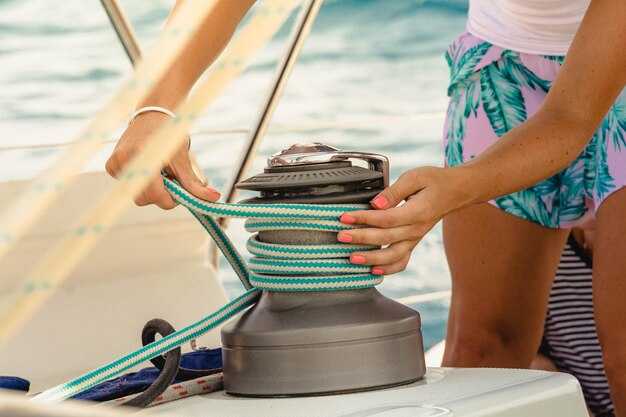
Use a real-time forecast feed and buoy data before you cast off to plot a route that keeps your watercraft safe and your summer sailing enjoyable.
First, check today’s wind, wave, and current updates for the area you’ll travel. If forecast shows light winds early, depart then to minimize risk. Overlay the data on a map, which helps you see relationships between wind, current, and depth, and steer toward the safest channels. Set your course to stay in water with stable depth and fewer shoals. Avoid downwind zones where chop worsens, and choose routes that feel smoother for you and your crew. Safer choices reduce risk and make the experience more rewarding. Consider the environmental impact of your route to preserve natural habitats for future trips.
Then examine buoy data along the path. Buoys report sea state, currents, water temperature, and any flagged hazards. If a buoy shows a stronger current or rising swell ahead, find an alternative course to stay clear of hazards. These adjustments pay off; theyre why you can stay safe and comfortable on longer trips.
dont rely on a single plan. If conditions shift, have an alternative harbor stop and a safe exit strategy. If you own your watercraft or you rent, this habit keeps you flexible. It matters whether you travel alone or with family, and it helps avoid stress in the moment. Your routing systems and offline maps are a good backup, so you wont get stuck without a plan. theyre robust tools that help you maintain safe operations today.
heres a quick checklist to implement today: first, ask these questions before departure; is weather stable for the planned run; are buoys showing a safe path; is there an alternative harbor? theyre designed to keep you safe and preserving the environment while enjoying your ride today. The resource also supports decisions about ownership vs rentals.
Noste záchranné vesty správne a dohliadajte na každého pasažiera na palube.
Noste záchrannú vestu pre každý človek na palube vždy, keď je čln v pohybe, a zapnite si všetky popruhy predtým, ako odrazíte.
Každá vesta je zariadenie schválené USCG a má správnu veľkosť pre nositeľa; uistite sa, že strih zostáva bezpečný, otestujte ho na mieste a zdvihnite osobu za ramená, aby ste sa uistili, že sa nevyhrnie. Tu je rýchla kontrola na potvrdenie strihu: uistite sa, že hrudný popruh prilieha, zips alebo pracka sa úplne zatvárajú a golier pohodlne sedí na krku. Pre deti vyberte model s rozkrokovým popruhom a priliehavým postrojom. Majte vesty blízko a na požiadanie dostupné v blízkosti kormidla a pozdĺž zábradlí a pred každou cestou sa uistite, že sú dobre označené a v dobrom stave, aby ste zaistili spoľahlivosť aj v rôznych poveternostných podmienkach. Ak niektorá pracka vykazuje zlomenie alebo opotrebovanie, okamžite ju vymeňte.
Dôkladne dohliadajte na každého pasažiera. Priraďte ku každému dieťaťu dospelú osobu, udržiavajte očný kontakt a dbajte na to, aby všetci sedeli alebo boli v stabilnej polohe, keď sa plavidlo pohybuje. Robte sčítanie pri odchode, po každej zmene kurzu a pred priblížením sa k brehu; v rozbúrenej vode, na nasledujúcom úseku cesty, opakovane preverujte častejšie. Tam, kde je obmedzená viditeľnosť, určite pozorovateľa, ktorý potvrdí, že bundy zostávajú zapnuté a zabezpečí, aby všetci zostali v bezpečných hraniciach. Majte tiež k dispozícii náhradnú suchú bundu na rýchlu výmenu, ak dôjde k zlomeniu spony alebo k stenčeniu švu.
Plánujte s ohľadom na morské počasie. Pred odchodom si overte predpovede NOAA a námorné upozornenia, najmä pri cestách na Aljašku alebo pri popoludňajších výletoch, keď sa odlesky a vietor rýchlo menia. Požiadajte posádku o spätnú väzbu a na začiatku plavby zahrňte krátky bezpečnostný plán. Uistite sa, že každý vie, ako požiadať o pomoc, ako signalizovať nebezpečenstvo a kde nájsť vesty. Nezabudnite si, ak je to možné, nacvičiť cvičenie "človek cez palubu" a uistite sa, že je lano pripravené na vytiahnutie. Pomôže to každému zostať pripravený. To by posilnilo dôveru pri ďalšej plavbe.
Dodržiavaním týchto krokov zostanete na vode v bezpečí, naplno si užijete plavbu a budete odmenení zachránenými životmi a istejšími plavbami.
Šetrite palivo a predĺžte si sezónu jednoduchou údržbou a inteligentnými návykmi pri tankovaní
Začnite s dôkladnou kontrolou pred odchodom systém paliva, motor a trup plavidla, a potom si veďte jednoduchý denník spotreby paliva, ktorý vám pomôže inteligentnejšie dopĺňať palivo a predĺžiť si každú plavbu predtým, ako vyplávate.
Čistý trup a správne nastavená lodná skrutka znižujú odpor a spotrebu paliva. A common Zlepšenie spočíva v odstránení lastúrnikov, kontrole ložísk a zabezpečení, aby vrtuľa bola bez preliačin; to môže znížiť spotrebu paliva o 5–12 % pri cestovných rýchlostiach pre mnohé plavidlá. Poukazuje to na dôležitosť pravidelných kontrol na zabezpečenie plynulej a predvídateľnej prevádzky.
Osvojte si inteligentné návyky dopĺňania paliva: používajte stabilizované palivo, ak je to možné, uprednostňujte možnosti bez obsahu etanolu a obmedzte dlhodobé skladovanie v nádrži. Ak máte posádku, prediskutujte si úlohy na zastávkach na doplnenie paliva a vyhľadajte spätnú väzbu od odborníkov na vylepšenie postupu, pričom zabezpečte, aby stabilizátor cirkuloval spustením motora na niekoľko minút po doplnení.
Zvážte modernizáciu na účinnejšiu lodnú skrutku, vyvažovacie klapky alebo alternatívny pohon, ako je napríklad kompaktný elektromotor na pokojné dni. Tieto vylepšenia spríjemňujú dobrodružstvá pre posádku a zároveň znižujú spotrebu paliva a zaťaženie hlavného motora.
Počas plavieb vykonávajte rýchle previerky funkčnosti ukazovateľov a systémov: kontrolujte teplotu a hladinu oleja, overte presnosť palivomera a hľadajte anomálie. Diskutujte o otázkach s ľuďmi na palube a vyžiadajte si ich názory, aby ste zaistili bezpečnú prevádzku a optimálnu efektívnosť okolo plavidla.
Vytvorte si praktický harmonogram: vykonávajte dôkladnú kontrolu mesačne a pred sezónou prevádzajte servis s filtrami, olejom a kontrolou palivového systému. Dáta ukazujú, že spotreba paliva sa môže pri správnej údržbe znížiť o 5–15 %, v závislosti od stavu trupu a zaťaženia. Veďte si jednoduchý denník a aktualizujte ho po každej ceste, aby ste sledovali pokrok na rôznych plavidlách a v rôznych obdobiach.
Vyhnite sa tiesni na mori udržiavaním palivovej rezervy a jasného plánu, plus stručného kontrolného zoznamu. Udržiavajte ostražitosť v okolí prístavu a udržujte svoju loď pripravenú na príjemné dobrodružstvá, pričom zachovajte rozpočet a čas na viac dní na vode.
Pripravte sa na núdzové situácie: palubné súpravy, cvičenia a kontrolný zoznam rýchlej reakcie
tu je praktické nastavenie, ktoré funguje pre väčšinu rozpočtov: majte chladenú, jasne označenú pohotovostnú súpravu na palube v suchej skrinke blízko kormidla, zahrňte triedu bezpečnostných predmetov, ktoré sa dajú ľahko chytiť a vymeniť. Vyberte si nádobu so zabudovaným indikátorom, ktorý vám pomôže sledovať doplnenia. Súprava by mala obsahovať základy prvej pomoci, signalizačné zariadenia, baterku, náhradnú batériu do rádia, píšťalku, multifunkčné náradie, protipožiarnu prikrývku, vodotesné zápalky, vodu, trvanlivé občerstvenie, plachtu a malú deku.
Kroky na implementáciu pripravenosti: 1) kontrolujte a obmieňajte položky každých 90 dní; 2) priraďte vedúceho nácviku pre každé ročné obdobie; 3) vyveste kontrolný zoznam rýchlej reakcie v kabíne; 4) pred odchodom otestujte rádio, satelitný telefón alebo pokrytie mobilným signálom. Priložte laminovanú kartu s podrobnými pokynmi pre bežné situácie. Časy odchodu alebo denné časy, kedy plánujete plavbu, ovplyvňujú, kedy budete cvičiť. Rotačná kadencia je lepšia ako spoliehanie sa na pamäť.
Cvičenia udržiavajú zručnosti bystré a znižujú paniku na vode. Ak ste nikdy nerobili cvičenia, začnite s dvojkrokovým cvičením a postupne naň nadväzujte. Precvičujte si cvičenia pre prípad muža cez palubu, obnovu po prevrátení, požiar motora a opustenie lode. Cvičenia vykonávajte, keď je pokojné počasie; v lete si môžete naplánovať rodinné sedenia po ľahkom jedle. Nezabudnete zabezpečiť, aby všetci účastníci mali na sebe záchranné vesty a vedeli, ako signalizovať pomoc. Mali by dokončiť každé cvičenie do 2–5 minút, v závislosti od skúseností.
Kontrolný zoznam pre rýchlu reakciu: nasaďte si záchranné vesty, identifikujte najbližší bezpečnostný východ, vyhľadajte zoznam posádky a kontaktné čísla, použite signalizačné zariadenia (píšťalku a svetlicu, ak je to povolené), skontrolujte vietor, prúd a hĺbku, naštartujte motor, ak je to bezpečné, zhromaždite sa na palube, priraďte záchranný plán a zaznamenajte čas. Uchovávajte kontrolný zoznam na palubnej doske a jeden v kabíne; aktualizujte ho po každom cvičení alebo skutočnej udalosti.
Bez jasného plánu situácie eskalujú, ale so špeciálnym kurzom bezpečnosti budú lodníci zvládať udalosti plynulejšie a s menšou panikou. Môžu nastať situácie, kedy môžete plán prispôsobiť v závislosti od počasia. Tento prístup udržuje cestovateľské dobrodružstvá príjemné a znižuje riziko v mnohých situáciách. Pozemné rutiny, podpora z pevniny a kontroly pred odchodom pomáhajú udržať pokojnú a uvoľnenú myseľ posádky.
Záleží na povedomí o životnom prostredí: skladujte vodu v opakovane použiteľných fľašiach, aby ste bojovali proti dehydratácii; plánujte trasy s ohľadom na environmentálne pravidlá; majte so sebou malý vrecúško na odpad, aby ste chránili pobrežie; ak je to možné, vyberajte si udržateľné vybavenie a recyklujte obaly. Rýchla kontrola pred odchodom vám pomôže vyhnúť sa zbytočným výletom na breh, čím ušetríte čas a znížite dopad na životné prostredie a zároveň zachováte zážitky pre vodákov.
Pamätajte: tento prístup podporuje pobyt na súši aj na mori; súpravu si môžete prispôsobiť na víkendový výlet alebo dlhšiu plavbu, zahrnúť základnú lekárničku a signalizačný maják pre cesty na otvorené more. Pomôžu vám zostať v pohode, uvoľnení a pripravení na čokoľvek, premenia letné dobrodružstvá na príjemné spomienky počas mnohých plavieb.