


 Slovenčina
  English (UK)
  Русский
  العربية
  日本語
日本語  한국어
한국어  Magyar
  Türkçe
  Español
  Čeština
  Svenska
  Português
  Ελληνικά
  Suomi
Suomi  Nederlands
  Română
  Italiano
  Français
  Polski
  Українська
  Deutsch
  简体中文
简体中文 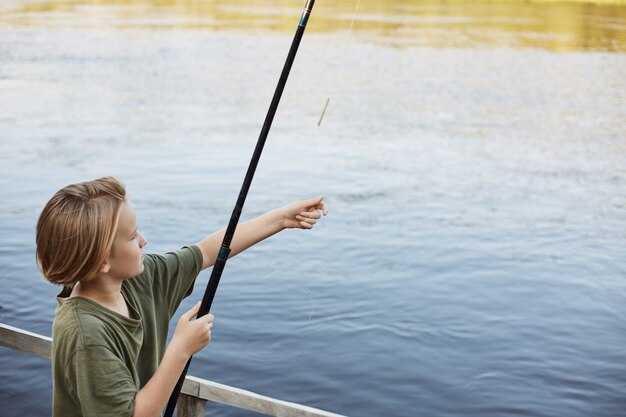 Boat Fishing Tips – How to Catch More from a Boat">

Začni s konkrétnym pokynom: Pláv smerom na východ pozdĺž prúdového koridoru a prechádzaj kanály, kde sa štruktúra sústreďuje na návnadu; spusti sondu a označ 18–27 metrov, aby si našiel húfy a nastavil prvé systémy. Tento plán šetrí čas nečinnosti a zvyšuje produktívne minúty počas dní strávených na mori.
Nastavte dva vlasce na rybára, jeden plytký a jeden hlboký; trolujte rýchlosťou 1,5–2,5 uzla s rotačkou alebo mäkkou plastovou návnadou a použite downriggery v hĺbke 60–100 stôp na dosiahnutie cieľov v strednom stĺpci. Ak záber zostáva pokojný aj po 25 minútach, prejdite na striedavé rozostupy s odlišnou farbou návnady a pomalším ťahaním rýchlosťou 0,5–1,0 uzla.
Na víkendové výlety si ich rodina môže rezervovať ubytovanie, ktoré vyvažuje pohodlie a užitočnosť: kompaktné plavidlo s dĺžkou 30–40 stôp s malým kokpitom alebo možnosti na pobreží, ktoré ponúkajú квартира alebo люкс apartmány. Ak sa zúčastníte, personál výbavy vám môže zabezpečiť brífing pri dokoch v blízkosti východných dokov s bazénom v blízkosti a spálňami v blízkej budove na odpočinok po dňoch strávených na vode. пожаловать do prístavu a začnite svoj itinerár a získajte skutočný pocit z kanálov ústiacich do frenchmans a whitby.
Tento svet odmeňuje disciplinované posádky. Tento prístup prináša spoľahlivé výsledky pre pobrežných rybárov na celom svete. Veďte si jednoduchý denník: zaznamenávajte hĺbku vody, zmeny farieb nástrah, zmeny vetra a vzdialenosť k dokom; údaje pomáhajú prispôsobiť rozloženia a udržať vašu posádku angažovanú celé dni.
Techniky priamo na palube pre zvýšenie vášho úlovku
Uložte náväzce, háčiky a návnady do označených priehradiek v strede kokpitu. Chladničku udržiavajte zásobenú ľadovou návnadou a živou návnadou v dosahu, aby ste ich mohli rýchlo vymeniť. Na utieranie rúk a sušenie povrchov po každom uviazaní alebo uvoľnení používajte ľanové vrecká.
tu sú spôsoby, ako optimalizovať akciu: umiestnite plavidlo tak, aby ste využili mierny južný vánok, ktorý udrží vlasce napnuté; nakloňte provu smerom k návršiu, aby ste zlepšili drift ponad oblasť kŕmenia; udržiavajte stálu rýchlosť okolo 1,5 – 2,0 uzlov počas ťahania nástrahy.
Umiestnite dva držiaky prútov na stredovú os pre vyváženie výstroja; pripevnite k prútu nápadnú návnadu a označte hĺbku malými plaváčikmi; sledujte hĺbkomer, aby ste sa zamerali na podmorské štruktúry, kde sa v pohľadoch zaliatych slnkom objavujú línie vodných rastlín a zlomy.
Naplánujte si skorý štvrtkový štart, aby ste si užili pokojnejšie more, znížený odlesk a vyššiu výnosnosť v rannom okne.
Udržujte výstroj usporiadanú podľa zóny: blízko stredu, na ľavej strane a na zadnej časti; to umožňuje rýchly dosah pri zábere. Usporiadané rozloženie zvyšuje vašu výhodu počas akcie na lodi.
Pozvite rodinu na palubu vďaka jednoduchej rutine: poverte jednu osobu návnadou, ďalšiu sledovaním vlascov a tretiu zaznamenávaním pamiatok z dňa.
Počas prestávok na jedlo využívajte jedálenský priestor na striedanie úloh; kompaktná kuchyňa vám umožní umyť si ruky, uložiť uteráky a zdieľať novinky, zatiaľ čo plavidlo udržiava kurz.
Medzi výhody organizovaného priestoru na palube patrí rýchlejšia výmena vlasca, lepšia kvalita návnady a jasnejšie poznámky o počasí. Sledujte vietor, hĺbku a výsledky nástrah v malom zápisníku.
Ukladajte údaje v centrálnom zápisníku o rýchlosti vetra, teplote vody a účinnosti návnad; takto si vytvoríte regionálny manuál o typoch štruktúr a hĺbkových rozsahoch.
Pre regionálne výlety vytvorte mapy trás do Sainte-Agathe-des-Monts, Sauveur a Saint-Émile, pričom zaznamenajte miesta štartu a blízke trhy na stravovanie a zásoby plátna.
Ak si prenajímate výstroj, pred spustením skontrolujte opotrebenie laniek, navijakov a návnad; uistite sa, že balenie je kompletné a bez korózie. Tým sa zabezpečí spoľahlivý výkon počas aktívnych období.
Udržujte domáce pohodlie na palube s náhradnými uterákmi, extra posteľnou bielizňou a kompaktným stolovaním; pomáha to posádke sústrediť sa počas dlhých dní.
Výhľady pozdĺž pobreží sa menia so slnkom; naplánujte si záverečný prelet blízko zátok, aby ste využili meniace sa termály a lokalizovali zóny kŕmenia.
Udržujte tempo aj tu kontrolou výstroja a trás pre ďalší beh.
Výstroj: Prút, Navijak, Šnúra a Koncová zostava pre lode
Začnite s grafitovým prútom s dĺžkou 2,13 m až 2,29 m, so stredne ťažkou akciou, dvojdielnym pre kompaktný priestor na palube, spárovaným s navijakom veľkosti 600–800, ktorý poskytuje plynulý chod brzdy, ideálny pre trollingové jazdy.
Hlavná šnúra: pletená 30–50 lb pre nízku rozťažnosť, v kombinácii s 12–20 lb fluorokarbónovým nadväzcom pre čisté zábery a spoľahlivú pevnosť v uzle.
Koncová výstroj zahŕňa obratlíky odolné voči korózii, pevné karabínky a fluorokarbónové nadväzce s nosnosťou 20 – 30 lb v dĺžkach 8 – 15 palcov; záťaže na troling majú rozsah 1 – 4 oz; nástrahy zahŕňajú lyžičky, plandavky a mäkké plasty; na viazanie uzlov použite uni alebo vylepšený clinch.
Úložný priestor a usporiadanie paluby uprednostňujú priestor: vyhradené bočné vrecko blízko kormy drží náhradné diely, dva držiaky prútov udržujú šnúry čisté a suchá skrinka ukladá cievky vo vnútri; kompaktná taška na náradie sedí blízko južných dokov a pohodlné stoličky pre posádku.
Pripravenosť a organizácia hostí kladú dôraz na poriadok: naplánujte rýchle nastavenie vybavenia, udržujte skrinky vnútri upratané a zabezpečte, aby návštevníci vedeli manipulovať s návnadami bez zamotania šnúr, kým sa pripravujete na ďalšiu jazdu.
Networking: záchranné kluby, pickering a jerome; navštívte kanály rhyc pre praktické rozloženia; ubytujte sa v airbnb s kuchynkou a chladničkou pre jednoduchú prípravu; hotel v blízkosti poskytuje priestor a plne vybavené pracovné zóny; jedálenské priestory a klasické stoličky lemujú palubu pozdĺž južných dokov; výstroj uložená vo vnútri skriniek udržiava poriadok, zatiaľ čo návštevníci študujú príliv a odliv a kanály v минутах.
Údržba po použití: skontrolujte uzly, vymeňte opotrebované nadväzce, otestujte brzdu navijaka a očistite výstroj po použití, aby ste predišli korózii, potom všetko vráťte na svoje miesto, aby bol priestor pripravený na ďalšiu výpravu.
Umiestnenie člna: Kotvenie a driftovanie pre zlepšenie hodov
Kotvite s 6:1 až 8:1 dĺžkou lana a orientujte trup do vetra a prúdu tak, aby vaše nahodenia dosiahli čistú vodu pozdĺž produktívneho okraja.
Adopt an elegant balance between static hold and controlled drift, using a precise technique to read the water column and execute each drop with discipline.
- Conditions and targets – Assess wind angle, current speed, depth, and bottom type. Mark productive zones along weed lines or edges of structure, and decide where to place the master anchor so arc reaches the core water layer. Follow abyc standards for gear setup, and document the plan on a short list to guide the crew around toronto-area waters.
- Anchor selection and setup – Choose an anchor type: plow for sandy bottoms, grapnel for rocky or weed-prone ground. Set scope at 5–7x depth in calm seas; extend to 7–10x depth when chop or gusts rise. Attach a snub line and secure a reliable stopper so the rode remains controlled. Position the bow toward the indicated drift path and verify a light tug confirms a solid hold. Consider woods- markers for reference in busy harbors.
- Drift management – If winds allow, use a second anchor across the stern to create a controlled cross-drift; this helps place the lure along the edge where fish are likely. In light air, let surface current set the course and use a pedal motor for micro-adjustments. This approach works across ages and aboard a yacht or guest craft, delivering a steadier arc and smoother recovery.
- Cast technique and geometry – Point the rod toward the target edge on the current, and release as the boat drifts into the desired water layer. Keep line tension steady, and maintain a 15°–30° arc as the lure descends toward the bottom structure. Focus on delivering the lure just beyond the edge to invite a clean drop-in with minimal line slack.
- Monitoring and adjustments – Track line bite, depth changes, and drift rate; if the water color shifts or the current stiffens, shuffle anchor rode or slightly reposition the vessel to preserve the intended arc. Use night lights and audible signals when operating after dusk; stay compliant with regulations and keep hazards visible for guests. If conditions tighten, drop a secondary anchor to hold position and continue the sequence with a renewed order.
For желающих to optimize angle control, the method relies on a disciplined routine: check gear after every set, maintain an elegant line, and keep a royal standard of handling aboard. If если wind shifts, adjust the spread and re-align to the next targeted pocket of water. In historic waters around hill and lenore landmarks, the practice remains a trusted guest-tested approach that offers reliable results and a calm, efficient accommodation for crews aboard. The trident of wind, water, and anchor line delivers consistent casts beyond the usual radius, and the night operations stay safe with proper equipment and a clear drop sequence, ensuring every cast marks progress in the order of successful attempts.
Depth and Structure: Reading Water from the Helm
Begin by configuring the sonar to display three depth bands: 0–5 m, 5–15 m, and 15–30 m. Move along structure lines at 2–3 knots to verify bottom texture–sand, rock, or weed–and mark productive pockets on the chart. This three-layer map becomes your core tool at the helm.
Read structure by scanning for drop-offs, saddles, and ledges that align with current direction. hudson area reveals tidal shifts; fresh currents sweep along a shelf toward the front of the keelboat, bringing conditions to feeding zones along the south flank.
Target three main edges where structure intersects flow: any break near frenchmans reef, a middle shelf, and a steep drop near the front of the area. Jerome notes these zones on his display and aligns the keelboat accordingly. On a keelboat, stay close to the rail; test depth changes by easing course toward the south edge, and log weed lines that extend across the space.
During thursday sessions, love of the calm hours shows: compare morning clarity with afternoon shifts; throughout the day, if wind drives turbidity, shift to shallower pockets where bottom texture changes abruptly.
Accommodation near the harbor is available at the lodge, with bathrooms and a shower; space for family and гости; если нужно, предоставляется дополнительная комната.
Lure and Bait Strategies: Choosing Presentations by Species
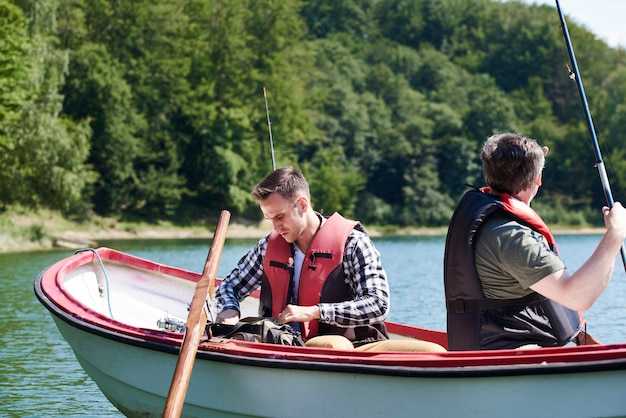
Use a 1/8–1/4 oz jig with a bright grub trailer to land walleye in lakes at dusk. Drop to 6–16 ft along point edges, then perform 2–3 slow hops followed by a 2 s pause; white, chartreuse, and orange tails give an advantage in mixed water clarity. A fluorocarbon leader keeps line bite-resilient, and you must keep line taut on the take. Because walleye respond to subtle movements, adjust depth in минутах and switch to deeper shelves if the bite remains quiet. Sailors and viking navigators understood patience and timing, which translates to angling discipline here.
For largemouth along weedlines in shallow bays, switch to a vibrating chatterbait or weedless swimbait; cast to 1–4 ft depth and reel with 1–2 s pauses. Greens, browns, and chartreuse combos work, with a 3-star lure pattern providing robust action in murky water. If a pedal-powered craft is available, use it to hold position along the edge, or rely on a motor to maintain line angle; both methods build an edge near structure and cover.
Pike respond to large, flashy offerings; cast spoons or spinnerbaits along weedlines and points; use 30–40 lb braid with a short steel leader; retrieve with long sweeps and occasional pauses, then lift to keep the lure above snags. A trident‑style spinnerbait or a big blade creates a strong cadence in shallower water, while deeper water calls for slower, steady retrieves.
In lakes with trout or rainbows, choose small spoons, inline spinners, or floating minnows; cast to shelves and submerged humps, then slow-troll at 1–2 mph or drift with the current. Light leaders (6–12 in) help when water is clear; olive, silver, and gold patterns perform best. Saint patience matters, and ashore setups let a family participate in aquaclub gatherings near dyouville park. October events at chalets draw dedicated anglers; недавно the approach yielded more bites as water cooled. Keep full towels handy for cleanup and hygiene, and consider a motor or pedal option to move between spots on larger lakes.
Bluegill and crappie respond to 1/16–1/8 oz jigs with marabou or plastic tails; fish near emergent vegetation and around structure; vertical jigging on pin-point spots yields steady landings. Keep a spare minnow in towels for quick swaps, and please participate in aquaclub events near dyouville park, often held at chalets in october; families share gear and build confidence in youngsters. A motor option or pedal-powered craft keeps teams moving, while park activity hours give scope to try new techniques amid lake scenery. The trident-like jig approach helps probe around stumps on breezy days.
Bite Timing and Retrieval: Reeling for More Bites
Start with a steady, 20–25 cm per second retrieve, plus 2–3 second pauses after every 4–5 turns of the handle to provoke subtle taps. Consistency early on beats rapid, erratic action.
In harbour channels and near pilings, bite timing often concentrates around dusk to the first hour after evening light, with activity sensitive to wind in the south. Use water depth and current as guides; when current slows, slow the cadence and shorten pauses. This plus disciplined approach keeps lures in strike zones.
Pattern: stop-and-go; perform 4–5 seconds of gentle lift, then hold 1–2 seconds, then resume. If a strike comes, switch to quicker, short pulls and a 0.5–1 second pause to reset.
Depth plan: deploy lures that sink to 3–5 m; sweep along structure such as historic pilings and sunken debris; adjust by water clarity. Monitor line tension for signs of a take and respond with speed uptick for the next 6–8 seconds.
Gear and setup: include a robust reel, 15–20 lb braid, a fluorocarbon leader 0.25–0.30 mm, and lures tuned for tight action. Have a spare battery and charging gear for sounders; keep equipment clean and ready.
Comfort and logistics: the harbour offers pleasant evenings; air-conditioned cabins for rest; wifi at the marina helps plan changes; гости (гости) can review the plan on the website while you learn cadence. If located near a historic Saint-area hotel or manoir, you gain better sleep and sharper timing. если wind shifts to south, adjust cadence modestly.
Self-help note: keep a small log, note depth, color, retrieve style, and reflect daily; plus a few tweaks based on weather and tides.
With consistent practice, you build a rhythm that reveals enough bites to improve your success rate.