


 Slovenčina
  English (UK)
  Русский
  العربية
  日本語
日本語  한국어
한국어  Magyar
  Türkçe
  Español
  Čeština
  Svenska
  Português
  Ελληνικά
  Suomi
Suomi  Nederlands
  Română
  Italiano
  Français
  Polski
  Українська
  Deutsch
  简体中文
简体中文 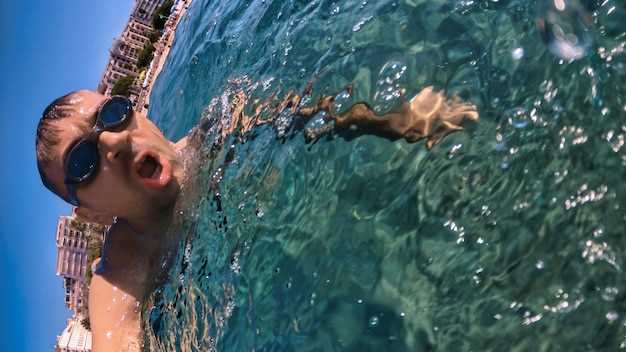 Best Snorkeling in California – 9 Top Spots to Explore">

Begin with a dawn session at La Jolla Cove, where calm conditions and clear water offer the most reliable start to a California coast itinerary. Hire a charter and rent equipment to focus on underwater sightseeing with guided services, tide knowledge, and modern technologies that help chart shallow routes through emerald shallows under ideal conditions.
Within the coast, nine areas stand out as accessible options: La Jolla Cove; Monterey Bay National Marine Sanctuary; Santa Cruz Island; Anacapa Island; Catalina Island (Avalon); Point Lobos State Reserve; Avila Beach; Morro Bay; Coronado Islands. Each area presents a different mix of currents, visibility, and wildlife. Common sightings include harbor seals and garibaldi; cetaceans and sea lions may affect planning at certain times. For inland travelers, day trips by charter boats or supported by local services keep logistics simple and flexible, with equipment available for rental and knowledgeable guides to tailor routes to the most favorable conditions.
For reliable planning, verify coastal conditions and tide knowledge before departure; a guided route keeps you within the most sheltered shallows and away from strong surge. Book services in advance and arrange a charter with a reputable operator; inland guidance helps you pick from various sheltered coves along the coast, and technologies like GPS and depth sensors improve safety, which makes planning easier for newcomers. Expect common sightings such as harbor seals and garibaldi; wind, swell, and currents may affect visibility and accessibility.
Wildlife spans harbor seals, garibaldi, and sea lions, with seasonal leopard sharks appearing in some shallower zones. Currents can shift quickly, so stay with a charter guide and use proper equipment; this popular approach keeps groups safe while you sample varied underwater habitats along the coast. For a secluded experience, target sheltered coves that are accessible from shore, or combine a couple of locations in a single outing using the latest technologies and services to plan transitions.
To maximize your trip, map a route that connects multiple destinations with a single charter, coordinating transport and on-board guidance; monitor conditions, obey protected zones, and practice low-impact sightseeing to preserve habitats. With the right balance of services, inland knowledge, and well-chosen equipment, you will enjoy a memorable journey along California’s coast.
California snorkeling practical guide: 9 standout spots
La Jolla Cove, San Diego – start here for a reliable, beginner-friendly introduction: bring a 3mm wetsuit, mask, fins, and a waterproof bag; access is straightforward from the coast with short stairs to the shallows. In the shallows and near kelp pockets you’ll see small fish and octopus, and deeper ledges host bigger schools. Dolphins sometimes surface nearby, providing encounters that bring memories and sharpen spotting, which helps your eyes adjust to movement just beneath the surface. For groups, keep a simple plan and stay within visual range; waves can hit the reef, so watch your footing. The value is clear: stunning underwater scenery that enhances confidence and overall experience.
Catalina Island, Avalon area – take the ferry from Long Beach or Dana Point and start at Emerald Bay or the coves near Avalon. Access is straightforward from the shore, with protected spots that hold kelp, garibaldi, and other schooling fish. Visibility here is often pristine, and you may spot dolphins riding the surface after a long dive; this would be a perfect warm-up for longer outings. Bring a modest wetsuit, fins, and a camera to capture color and movement; the experience offers value for groups and couples alike, with opportunities to just float and watch the reef patterns. If winds pick up, wait for calmer drift that makes spotting easier.
Crystal Cove State Park, Orange County – tucked near the Los Angeles city edge, Crystal Cove provides protected coves with reefs and peeled rock shelves that slope into the shallows. Access is straightforward from the beach or nearby stairs; visibility is typically good when winds stay light. You’ll see garibaldi, wrasse, and kelp, with dolphins occasionally passing by. Bring a 3mm suit and a camera to capture color; this area offers strong value for groups who want a relaxed, in-water experience, with encounters that deepen your sense of place about life beneath the surface.
Point Dume, Malibu – a headland site offering dramatic swells and clear water, best for intermediate snorkelers and up. Access is via a beach trail and entry; the shallows near the reef provide protection from current, while deeper sections host octopus, garibaldi, and bright fish. The coastline sweeps with cinematic scenery, which can deliver stunning views and a mood that feels just off the Los Angeles city coast. The site is highlighted by persistent visibility during calmer mornings; choose this if you’re after a scenic reef with a chance of dolphins in the surf and a strong sense of place for your group.
Channel Islands National Park – Santa Cruz Island offers longer, more remote trips with protected bays and clear channels. Access is boat-based from Ventura or Oxnard; swells can be sizable in winter, so pick calm days. You’ll find kelp forests, caves, and reef ledges where divers encounter seals, sea lions, and occasionally dolphins. The environment is stunning, with excellent spotting opportunities across wide distances; it’s ideal for groups wanting to escape the day-tripper crowd. The experiences would be memorable and can affect your overall sea-life knowledge. Bring water and a dry bag for the crossings.
Monterey Bay area near Cannery Row – this region hosts long kelp canopies and abundant life that attract divers from around the state. Access by boat from Monterey gives you the chance to explore deeper water and uncover pelagic life. Expect encounters with garibaldi, rockfish, and leopard sharks on deeper edges; the shallows around Lovers Point and the coast create dramatic lines. The Cannery Row history adds a cultural highlight to the day, which makes the experience memorable; save time for a second dive along the shelf that yields bright colors and hits of color on the reef. The group dynamic here adds value, letting everyone share the binoculars and eyes on the action.
Point Lobos Reserve, near Carmel-by-the-Sea – a rocky shoreline with protected coves, abundant life, and clear water. Entry is from parking lots along the headland; there are shallows that transition to kelp and rock outcrops, where you’ll see starfish, nudibranchs, and perhaps sea otters. The experience can be highlighted by the calm mornings and relatively low crowd. If you’re chasing encounters with larger pelagics, patience is required, but the color pops are stunning, and the eyes of passing fish are a treat. This site offers crisp visibility and solid value after the crowded urban sections.
Half Moon Bay and Montara coastline – the northern Bay Area offers cold water, abundant kelp, and swells that test your technique. Entry points along the coast provide shallow bays and deeper channels; visibility improves with lighter winds and morning tides. In these shallows you’ll find octopus, lingcod, and schooling fish; the life here hits with color, especially after longer swims. For groups, a shore dive from a protected cove can deliver multiple shorter sessions and maximize spotting opportunities. Just plan for a heavy wetsuit and a reserved exit route in case currents shift.
Davenport Cove, Santa Cruz County – a more secluded option with peeled rock shelves and cooler water, ideal for experienced divers. Access is via a narrow trail down to the rocky beach; calm morning sessions reveal kelp forests and colorful invertebrates before the crowd arrives. The location can deliver vivid underwater life while waves push a steady rhythm against the shore; you’ll want a partner and a plan to avoid surface hits. The group dynamic here matters: this site would enhance your itinerary with rugged, memorable encounters that leave you with lasting memories.
Seasonal windows and visibility for each California coast
Plan windows by coast: North coast October–February; Central coast May–June and September–November; Southern coast September–November. Whats most reliable is choosing these periods to maximize visibility and calmer seas. An expert guide and tripadvisor listings highlight that the most highlighted sights include kelp forests, harbor seals, and bright garibaldi, giving snorkelers witness to active underwater life. This approach suits city beaches with easy access, and many sites offer free tide data for planning purposes and to time your excursions. Public forecast pages provide updates about wave height and visibility.
North coast in the October–February window typically yields 6–12 m visibility, with occasional days reaching 15 m. Water runs about 10–15°C; winter storms and heavy rains reduce clarity. For snorkelers especially, a thick wetsuit or lightweight drysuit is necessary. Visibility is not guaranteed every day. Good excursions include Fort Bragg, Crescent City, and the Humboldt area; witness flourishing kelp stands and schools of rockfish when conditions align.
Central coast May–June and September–November offer the best chances near Monterey Bay, Santa Cruz, Morro Bay, and Pismo Beach. Visibility commonly 4–12 m; water 12–16°C. Currents near offshore banks can be strong, so cautious entries are necessary. The preferred gear ranges from 4/3 to 7 mm wetsuits or a drysuit on cooler days. The most highlighted sights are kelp canopies, sea otters in Monterey, and colorful reef life along the Morro Bay–Pismo corridor, giving snorkelers ample opportunities for underwater photography.
Southern coast September–November typically delivers the clearest days along Santa Barbara, Malibu, LA coast, Orange County, and San Diego; some springs offer good windows in March–April after storms subside. Visibility often 5–15 m; water 18–22°C with calmer seas in fall. Currents near Palos Verdes, La Jolla, and Catalina can be brisk, so plan with a leading local operator. Sights include La Jolla Cove seals, kelp beds off Catalina, and reef life along Dana Point and Santa Monica Bay; snorkelers witness dramatic reef life, sea lions, and leopard sharks in season, especially on guided excursions.
La Jolla Cove: best entry points, currents, and safety tips

Enter from the eastern public stairs during low morning tide for a calm start, then move to the rock shelf to acclimate before deeper sections.
Currents inside the cove are typically calm, but the mouth can pull with tidal exchange; although water there is often milder, if swells exceed two to three feet or whitewater forms against the rocks, pause and reassess conditions.
Two accessible routes dominate: the east Cove Beach stairs and the bluff path along the west side. From these points, you reach a habitat where common creatures often cluster around ledges and pockets; metridium blooms anchor in crevices, anemones cling to rock, and rays may glide near the edge. rock burial hollows and crevices provide shelter for small critters, and thats why the area rewards careful observation. Always stay in calm waters and avoid dense kelp zones when you’re new to the area.
Seeing wildlife requires distance and respect: keep a minimum body-length separation from corals and creatures, never touch the anemones or rays, and back away slowly if they approach your gear. If you see a seal or sea lion, give it space; these animals are protected and disturbed behavior can lead to fines. THEY come aboard only for safety drills or guided tours, not for close interaction with your gear.
Private belongings should go into a dry pouch or small storage–attach to your vest or belt to stay out of the spray; bring only essential gear and leave valuables in storage at the car if possible. For families, pick a shallow, sandy patch where kids can wade and observers can monitor from the water’s edge; a family-friendly approach reduces risk for everyone, and creates a warm, welcoming experience for beginners.
Safety checklist: verify wind and swell with the city marine forecast; snorkel with a buddy; stay within visible range of shore and exit points; avoid entering after heavy rainfall, which can bring runoff and reduce water quality; reef-safe sunscreen is a must; if currents pick up or visibility drops, retreat to shore.
Whats more, the cove hosts a rich habitat: calm waters showcase metridium and anemones, as well as common wildlife such as garibaldi, wrasses, and occasional rays; thats why many visitors come aboard with a plan to keep distance and observe. From alabama travelers to locals visiting from caspar, the experience remains accessible and memorable when you respect the rules and leave no trace. The warm, clear waters make seeing marine life feel intimate, and the city backdrop adds easy access for families and solo explorers alike.
Catalina Island: reefs, access from Avalon, and must-see marine life
Rent a comfortable mask and fins, then start from Avalon at Casino Point Marine Park and enter in the plytčiny along the coastline for a gentle, accessible introduction to Catalina’s underwater world, sure to reward you with vivid views.
The reef system here is diverse a scenic, with common residents such as garibaldi, wrasses, and opaleye; octopus often hides in crevices, while white urchins and starfish dot the shallows. Seeing these creatures up close is memorable, and a private, peaceful session is simply possible at the right moment.
Access from Avalon is straightforward: Casino Point offers ladder entries, clearly marked zones, and shallow-water depths that stay comfortable for first-timers; the maximum depth just beyond the reef edge provides an extra option for seeing väčšie formy bez toho, aby opustili chránenú oblasť.
For golden výhľady, navštívte ráno, keď je svetlo pokojné a viditeľnosť jasná; especially počas pokojných dní pobrežie odhaľuje scenic tónov a zážitok pôsobí rozsiahlo a živo.
Ak si subscriber, ja recommend poldenný výlet a ponechanie priestoru pre ostatných; to je najlepší spôsob, ako udržať plytčiny pokojné, vidieť chobotnice a biele ježovky a zabezpečiť vaše mask a plutvy zostali pohodlné, kým ste seeing podmorský život.
Okrem plytčín sa súkromné charterové lety z Avalonu môžu dostať k hlbším útesom, no hlavný zážitok zostáva pre väčšinu plavcov prístupný a jemný; cestovatelia na Diego si často spájajú návštevu Cataliny s víkendovým pobrežným itinerárom; overte si aktuálne podmienky, používajte ochranu pred slnkom a vrátite sa s golden spomienky a zoznam tvorov, ktoré ty simply nezabudnem.
Morský riasový les v Monterey Bay: prúdy, hĺbka a odporúčané vybavenie
Začnite s plytkým, krištáľovo čistým driftom pozdĺž riasového porastu v hĺbke 5–8 m, s priliehavou maskou na tvári a flexibilnými plutvami, ktoré pôsobia vo vode prirodzene.
Prúdy a bezpečnosť: Oblasť Monterey Bay zažíva príliv a odliv, ktoré spôsobujú variabilné prúdenie. Počas kulminácie je pohyb mierny; príliv a odliv prinášajú unášanie pozdĺž pieskových plytčín a útesových výbežkov pod korunami stromov. Bežné rýchlosti sa v pokojnejších obdobiach pohybujú zhruba od 0,5 do 1,5 uzla, s krátkymi nárazmi v blízkosti ústí kanálov. Držte sa s partnerom, majte so sebou plavák na povrch a dávajte pozor na tulene a raje, ktoré hliadkujú na okraji lesa. Ak s touto aktivitou začínate, začnite v blízkosti pokojnej zátoky, kde sú podmienky predvídateľné.
Hĺbka a biotop: Riasový les sa rozprestiera takmer od hladiny do hĺbky 12 – 20 m vo vybraných zónach, s korunami rias okolo 3 – 6 m a hlbšími miestami, kde sa útes zvažuje. Očakávajte sasanky, malé ryby a množstvo bezstavovcov pozdĺž listov rias a na piesočnatom dne. Obrovská rozmanitosť života napĺňa okraje útesu, vďaka čomu sú prechody medzi pieskom a lesom obzvlášť príjemné a relaxačné pre cestovateľov hľadajúcich pokojný let.
Výbava a príprava: Pre maximálnu bezpečnosť a pôžitok si pripravte ľahkú výbavu a vyhraďte si úložný priestor vo vozidle ešte pred odchodom na pobrežie. Pred každým použitím skontrolujte príliv, počasie a predpoveď prúdov; prineste si vybavenie, ktoré dobre sedí a je otestované nad vodou. Tu je kompaktný, praktický zoznam:
- Maska: s nízkym objemom, s dobrým tesnením okolo tváre; ošetrenie proti zahmlievaniu pomáha udržať si jasný výhľad.
- Šnorchel: model so suchým vrchom uprednostňovaný kvôli obmedzeniu vnikaniu vody počas splavovania.
- Plutvy: stredne dlhé s nastaviteľnými popruhmi pre stabilitu v prúdoch.
- Neoprén: 3/2 mm na neskorú jar až jeseň, 4/3 mm na chladnejšie mesiace; ak ti je zima, pridaj rukavice alebo topánky do vody.
- Bezpečnostné vybavenie: plavák na hladine alebo SMB, píšťalka a krátke lanko na navigáciu v riasach bez zachytenia.
- Úložný priestor: malý vodotesný vak na osobné veci, plus kompaktné puzdro na fotoaparát alebo telefón.
- Voliteľné doplnky: opaľovací krém bezpečný pre koralové útesy, uterák a ľahká taška na prenos vybavenia po skončení aktivity.
- Logistika: v blízkosti diego tours existujú možnosti uskladnenia pre cestovateľov, ktorí si chcú odložiť vybavenie medzi zastávkami pozdĺž pobrežia.
Tipy na vychutnanie si lesa: Pobrežie pri Monterey je obľúbené u cestovateľov a potápačov; prístupné štartovacie body pozdĺž pobrežia poskytujú príležitosti na pozorovanie rají a tuleňov vynárajúcich sa v blízkosti okrajov útesov. Pre niekoho, kto s touto aktivitou začína, začnite v pokojnej zátoke a potom prejdite na vyššie miesta pozdĺž pobrežia, aby ste videli množstvo útesov a rias. Ak chcete fotografovať, fotoaparát uchovávajte v suchom vrecku a potom opláchnite, aby ste chránili kryt. To má význam pre pochopenie prúdov, hĺbky a biotopu pozdĺž obrovského riasového lesa.
Šnorchlovanie na Normanských ostrovoch: najlepšie ostrovy, prístup loďou a divoká príroda
Začnite výletom za úsvitu na ostrov Santa Cruz z prístavu Ventura pre krištáľovo čistú vodu, smaragdový kelp a blízke stretnutia s tuleňmi – dokonalý začiatok pre šnorchlovacie výlety.
Medzi ostrovy, ktoré treba zvážiť pri podmorských výletoch, patria Santa Cruz, Santa Catalina, Anacapa, Santa Rosa a San Miguel. Dostanete sa k nim loďou cez verejné trajekty z Ventury, Oxnardu a Santa Barbary, plus súkromné charterové spoločnosti z viacerých prístavov. Typické prechody trvajú 1,0 – 2,0 hodiny a skoré odchody zmenšujú rozdiel medzi rozbúreným morom a lepšou viditeľnosťou, čím zaisťujú jasnejšie šance vidieť tulene a raje v blízkosti riasových porastov. V chránených zátokách môže voda pôsobiť ako sklo, čo zvyšuje možnosti pozorovania. Zmyslom týchto rozhodnutí je maximalizovať bezpečnosť a podmorské pozorovania. Tento plán maximalizuje váš čas na vode.
Fauna v okolí súostrovia je rozmanitá: veľké tulene sa vyťahujú na skaly, uškatce brázdia plytčiny a smaragdové vody v zálive Santa Barbara obývajú rôzne ryby. Z lode alebo počas krátkych prestávok na pevnine môžete vidieť garibaldi a iné útesové ryby. Pre extra dramatickosť majte oči otvorené pre delfíny, ktoré prenikajú vlnami za loďou, a v sezóne aj pre príležitostné sivé veľryby.
Výstroj je jednoduchá: prineste si masku, plutvy a šnorchel, ak ho máte; v chladnejších mesiacoch je bežné prenajať si neoprén. Ak sa pripojíte k sprievodcovi, exkurzie zvyčajne trvajú 2 – 4 hodiny a zahŕňajú inštruktáž o morskej interpretácii. Niektorí prevádzkovatelia ponúkajú súkromné prenájmy alebo zájazdy v malých skupinách s flexibilným harmonogramom. Verejné trajekty stoja približne 70 – 90 USD na osobu; súkromné cesty sa líšia v závislosti od veľkosti lode a trvania, takže s peniazmi treba počítať.
Voliteľný posledný tip: po prvom dni bohatom na druhy si zarezervujte možnosť druhého dňa, aby ste maximalizovali pozorovania; zoznámenie sa s týmto súostrovím odmeňuje skoré plánovanie pokojnejším stavom mora, vyššou šancou na videnie rají a tuleňov a niekoľkými blízkymi stretnutiami, vďaka ktorým sa táto cesta oplatí.
Súkromné prehliadky Orange Beach: kroky rezervácie a čo očakávať
Zarezervujte si súkromnú rannú prehliadku pozdĺž pobrežia Orange Beach, aby ste si zabezpečili pokojné vody a dokonalú rovnováhu medzi inštruktážou a časom stráveným vo vode. Vaša skupina získa popredného sprievodcu, prispôsobené tempo a kvalitnú výstroj, ktorá vyhovuje vašim potrebám, vrátane bundy, ak si to podmienky vyžadujú.
Vyberte si itinerár, ktorý zodpovedá vašim záujmom: plytké útesy, odľahlé zátoky a malebné rímsy, kde sú bežné pozorovania chobotníc a polia sasaniek. Tieto návštevy prinášajú nezabudnuteľné príbehy o prírode a pobrežnom živote pozdĺž mestského pobrežia.
Skupiny sú často malé pri súkromných prenájmoch, s približne maximálne 6 účastníkmi na loď, a ranné termíny sú preferované kvôli pokojnejším podmienkam. Vybavenie zahŕňa plutvy a masky; bundy sú k dispozícii pre chladnejšie dni, aby váš zážitok zo šnorchlovania bol pokojný a príjemný.
Počas výletu vám šnorchlovanie v plytkej, pokojnej vode umožní pozorovať porasty morskej trávy a ryby, zatiaľ čo váš odborný sprievodca vám ukáže okolité sasanky Metridium a príležitostnú chobotnicu obchádzajúcu okraje útesu, vďaka čomu sa budete cítiť ako na súkromnom úteku do pobrežnej prírody.
| Step | Details |
|---|---|
| 1. Skontrolujte dostupnosť | Vyberte si dátum a potvrďte súkromnú možnosť; maximálna veľkosť skupiny je zvyčajne 6 pre pohodlie a bezpečnosť. |
| 2. Informácie o účastníkovi | Poskytnite mená, vek, úroveň skúseností a akékoľvek bezpečnostné potreby na prispôsobenie trasy a tempa. |
| 3. Výstroj a bunda | Potvrďte veľkosti výstroja (plutvy, maska) a vesty; v prípade potreby sú k dispozícii požičovne, aby sme zaistili dokonalé prispôsobenie. |
| 4. Cena a platba | Agree on total, deposit requirements if any, accepted payment methods, and cancellation policy. |
| 5. Check-in briefing | Arrive 15 minutes early at the dock; safety briefing, life jackets provided, and route overview. |
| 6. On-water experience | Private guide leads you to shallow, secluded sites; snorkeling in calm waters with opportunities to discover octopus, metridium, and scenic reef life. |