


 Slovenčina
  English (UK)
  Русский
  العربية
  日本語
日本語  한국어
한국어  Magyar
  Türkçe
  Español
  Čeština
  Svenska
  Português
  Ελληνικά
  Suomi
Suomi  Nederlands
  Română
  Italiano
  Français
  Polski
  Українська
  Deutsch
  简体中文
简体中文 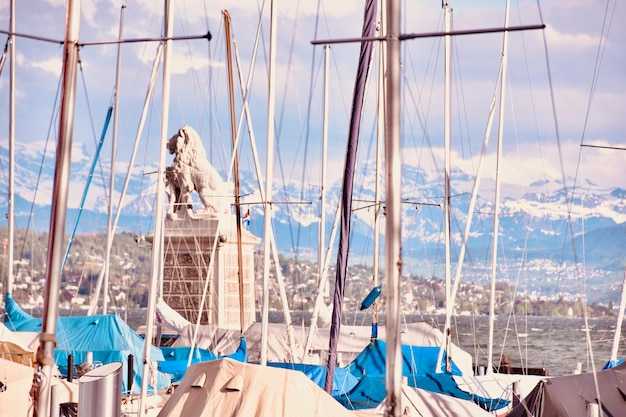 Best Sailing Destinations in Europe – Top Places to Explore">

Set course along croatia’s Dalmatian coast this late spring or early autumn, when crystal-clear bays and busy, bustling harbors align with a comfortable pace and reliable winds. This window offers a crisp initial experience for crews seeking a straightforward entry into coastal routes and sheltered anchorages.
Beyond croatia, map a sequence that links land and sea across bays and coves. The baixas shoreline, calm afternoon sails, and the flat water near markermeer provide varied practice for handling lines and buoyage. Choose prepared crews and anchorages that minimize risk during winter sessions and build confidence for longer hops.
For subscriber readers, a weekly briefing highlights wind windows, safe landings, and the routes that fit your pace and purposes, helping you time departures to maximize visibility and comfort on the water.
marys crews often trade notes from early-season hops, noting crystal-clear waters, busy ports, and the quieter coves tucked between islands. This adventure invites you to build experience, with a focus on safety, provisioning, and proper storm precautions.
Practical itineraries and sailing tips
Start with a 7–9 day Croatia loop: base Split, sail to Hvar, Korčula, Brač and Vis, then back to Split. Keep daily hops to 20–40 nautical miles, anchor in quaint coves, and enjoy promenades ashore in old towns. Choose those cheaper charters from smaller operators to curb costs, and time the trip for late spring or early autumn when weather and conditions are steadier. Check harbour fees and berthing rules on the website of local authorities, and use nautical centres for up-to-date information on moorings and fuel. During calmer mornings you can sail across sheltered bays, reserving marina nights for rest and provisioning. Ignore Titicaca-distance fantasies and keep hops practical to stay fresh for the next day’s breeze.
Another compact option runs along the Breton coast: Brest to Camaret-sur-Mer, Crozon, Douarnenez, and back in 4–5 days. Winds are typically Atlantic and can be fresh, so reef early and rely on nearby headlands for protection. Nights ashore in charming towns offer promenades, fresh seafood and a chance to refill supplies. This loop works well with a mid-size sailboat and allows free cruising through sheltered inlets, with shorter hops between coves during gusty spells. Use the website of port authorities and nautical centres to confirm weather windows, fuel availability, and mooring fees, then swap between protected harbours to preserve time and comfort, especially if you’re crossing between larger bays and smaller harbours.
Practical tips: monitor weather data every morning and plan the day’s leg around its forecasts; in all routes, have a backup plan for shelter when conditions sharpen. For those dipping into cross-country sailing, Elba can be a distant long weekend option if you extend across the Tyrrhenian, but keep Croatia routes within manageable distances to minimize fatigue. When choosing a base, look for centres with well-marked promenades, reliable maintenance crews, and on-site rental desks; book charters well in advance, especially in peak periods, and confirm exact pickup locations and handover procedures through the charter operator’s site or phone line. Fresh crews and flexible itineraries help maintain safety and momentum across days, while anchoring in coves that suit your plan reduces marina dependence and costs.
Croatia’s Dalmatian Coast – sheltered routes, island hopping, and charter tips
Base in Split and pursue a three-leg loop Split → Brač → Hvar → Split to keep sheltered routes while delivering island variety that fits diverse preferences.
Coastal coves around Brač (Milna and sheltering bays near Bol) and the Pakleni archipelago off Hvar provide easy berthing under lee from typical winds, reducing downwind stress. Winds typically run 10–25 knots in the afternoon, with calmer mornings, so plan short hops of roughly 15–25 nautical miles between stops and allow time for cliffside walks and seafood dinners.
Charter tips: work with official operators and confirm berth availability ahead of time; keep a flexible schedule to adapt to weather and port busy seasons. wang brokers and seasoned crews provide routes aligned with your preferences, from quiet mornings to bustling evenings, while ensuring safety briefings and compliant harbor procedures.
Three-leg routing between Split, Brač, and Hvar keeps the itinerary compact yet varied. From Split head to Brač for a cliffside coastline and the iconic Golden Horn in Milna; then sail to Hvar through the lee of Pakleni for tranquil bays or a bustling harbor feel, depending on mood. Local tavernas along the coast offer seafood feasts, while the island atmosphere remains authentic rather than polished–beauty that invites short, memorable stops with minimal long sails.
Seasonal conditions favor a cautious pace: typically short, manageable day sails allow time for berthing in small harbors, market visits, and the occasional shore excursion. Many routes are designed to provide safe passages while avoiding exposed channels, and you can confirm harbor dues and official requirements at each port prior to arrival. The three-leg plan offers a flexible framework to sail down the coast without overcommitting to stern-wasting days.
Local flavor comes with a side of mountain backdrops: the Velebit range and mainland cliffside towns frame the sea, enhancing the beauty of every anchorage. For a tasting menu, seek grilled seafood specialties, black risotto, and fresh squid in family-run eateries–short trips with big flavor that keep every day engaging for crews of all skill levels.
Greece’s Aegean Islands – best seasons, port calls, and must-visit routes
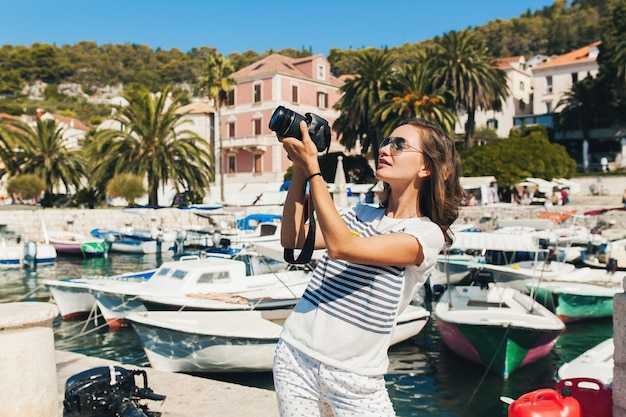
Begin late May for tranquil seas and dependable weather windows. Book berths early along Mykonos, Paros, and Naxos to secure sheltered harbors and dotted anchorages where needed, with a small buffer before the next hop.
From June through August, strong Meltemi winds can make longer hops less predictable; plan shorter legs, steady sail plans, and a well‑stocked budget for neccessities. Aim for light tides, smooth layovers, and relaxed on-board routines to keep adventures enjoyable even when weather shifts.
Port calls cluster along a handful of prized towns: Piraeus or Lavrio as starting points, then Mykonos, Paros, Naxos, Ios, Santorini, Milos, and Syros; ashore strolls reveal whitewashed lanes, tranquil tavernas, and views that glow under soft light as sunsets arrive. The turquoise seas frame every stop and the beauty is capricious in its clarity, inviting photo captures and a quick flickr session at dusk.
Coordinate with harbor masters and use VHF radio for slot timings, mooring, and fuel. This helps you keep schedule tight, especially during shoulder weeks when demand is moderate and most popular bays fill quickly. A handful of dependable harbors along this circuit provide steady services and reduced risk if a weather window narrows.
For budget ease, target a conservative route with 4–6 hour hops between islands where possible, and choose anchorages with ample water, dinghy docks, and shore facilities. On-board systems and crew routines can be streamlined by pre-planning mooring lines, lines of approach, and a clear plan for ashore time before sundown.
ischia
| Leg | Stops | Distance (nm) | Best window | Poznámky |
|---|---|---|---|---|
| Piraeus → Mykonos | Mykonos | ~84 | Late May–early July; September | Protected harbor near town; ideal for first-night check-in; dotted coastlines nearby for short sails |
| Mykonos → Paros | Paros | ~20 | May–June; Sept–Oct | Gentle hops, reliable ferries; coordinate with local radio for harbor slots |
| Paros → Naxos | Naxos | ~22 | May–Oct | Handful of coves; strong light for views; ashore tavernas popular at sunset |
| Naxos → Santorini | Santorini | ~60–70 | June–Sept | Caldera panoramas; busy peak, book moorings early |
| Santorini → Milos | Milos | ~60 | May–Sept | Quiet anchorages in the southern bays; excellent turquoise seas |
| Milos → Ios | Ios | ~25 | May–Sept | Vibrant nightlife outlets but many quiet bays available for daytime rest |
Spain’s Balearic Islands – Mallorca, Menorca, and Ibiza: anchorages and day sails
Book early for Mallorca’s sheltered anchorages around Palma Bay and Cala d’Or (east coast), then keep your schedule flexible to switch to Menorca’s sheltered coves if a sirocco arrives. For each leg, confirm your berth and maintain a buffer of extra time in case winds shift.
From Palma, plan shorter hops of 8–25 miles along the southeast and south coasts; hours at sea typically range from 4 to 6, with waters that stay calm in sheltered pockets and offer quick dips between anchorages. Read coastal pilot notes to locate natural havens and secure a steady position.
In Menorca, the south coast offers calmer, deeper bays with secluded anchorages and ancient watchtowers along the shore. Read pilot guides. This helps confirm mooring options and registration requirements with harbour centres before overnighting.
Ibiza presents modern marinas and secluded bays on the west and north coasts; day sails can loop from Ibiza Town to Cala Conta, Cala Bassa, and back, powered by steady trade winds, typically 4–5 hours depending on wind.
For longer itineraries, sardinia or croatia offer alternatives to extend the loop beyond the Balearics; bohinj remains inland, but under a broader plan you can compare distances and hours to develop a balanced route.
Registration when staying on moorings or visiting protected reserves is necessary in many centres; be sure to read notices and confirm hours of operation, especially in peak months. Mallorca, Menorca, and Ibiza provide dependable services, and the possibilities vary by island so plan with flexible targets for daily leg lengths and anchorages.
France’s Corsica and the Riviera – coast highlights, harbours, and sailing permissions
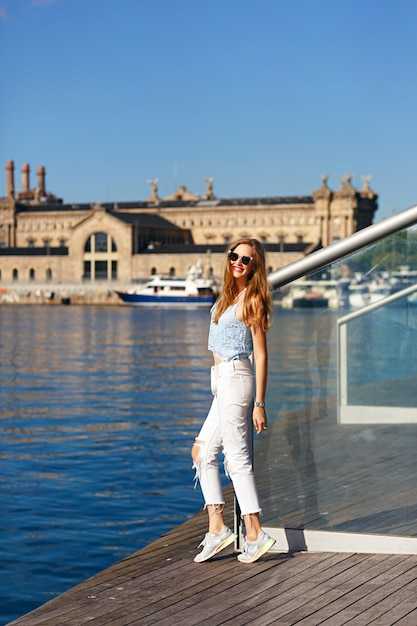
Recommendation: secure a dependable charter with local operators and lock in harbours, slips, and slots six to eight weeks ahead; confirm rates and required documents by email and keep a buffer for weather shifts.
Corsican coast highlights span rock and cliffside towns along Cap Corse and around Bonifacio, Calvi, and Ajaccio; Bastia’s harbour offers a brisk, bustling atmosphere, while sunsets over rocky coves are famous for postcard views.
On the Riviera, harbours near Nice, Antibes, Cannes, and Saint-Tropez are bustling with activity; plan early to secure slots and slips, and to understand rates charged by harbour authorities; use channel and radio to monitor weather, berth status, and official uses of each port.
Practicalities: bring essential gear and a complete safety kit; verify what permits or permissions are required and keep windows of berthing in mind for each stop; contact charter operators to confirm restrictions and sample short hops that balance sea miles with time in town.
Exclusively consider routes that balance cliffside hikes, cultural finds, and maritime rhythm; baixas, bohinj, vigo, and cyclades references can help benchmark itineraries, while a few hours of windward weather planning add value to every day on deck and around the harbours. Bring a buffer for weather, exchange emails with the port, and complete your plan with a flexible schedule for sunsets and town explorations.
Portugalské Algarve & Madeira – Atlantické plavebné okná a možnosti prístavov
Začnite v Lagos, Algarve, s pripraveným plánom pre pobrežné presuny koncom jari, využívajúc chránené zátoky a pokojnejšie rána na budovanie sebavedomia pred dlhšími etapami. Referencie na Brest pomáhajú načasovať priblíženie sa k otvorenému Atlantiku a skúsený kapitán so zohratou posádkou udržuje plavbu stabilnou. Udržiavajte pripravenosť vybavenia a jednoduché itineráre, aby ste si mohli dopriať odpočinok na pevnine v mestách na doplnenie zásob a spánok na brehu.
- Atlantické okná: Máj–jún a september–október prinášajú stabilný západný/severozápadný vietor a mierne more pre pobrežné presuny medzi Lagosom, Portimãom a Sagresom. Plánujte 20–40 námorných míľ za deň s chránenými nocami v marinách Lagos alebo Portimão, ak sa blížia fronty.
- Plavba na otvorenom mori na Madeiru: neskorá jar alebo skorá jeseň ponúkajú stabilnejšie pasáty na dlhý úsek z pevniny. Typické trvanie sa pohybuje od 3 do 6 dní na mori v závislosti od vetra; dodržiavajte 6-hodinové striedania hliadok a pravidelne si vyžiadajte aktuálne informácie o počasí. Príďte do Funchalu alebo Câmara de Lobos a vyberte si spánok na brehu alebo miesto v prístave, ak si to podmienky vyžadujú.
- Prístavy pozdĺž Algarve: Lagos Marina (hlboká, dobre chránená pred juhozápadnými vlnami); Portimão Marina (tichšia, prístup k rieke); Ferragudo a Albufeira ponúkajú krátke presuny s chránenými prístupmi; Olhão a Tavira sú praktické na zásobovanie a trhové dni s ľahkým prístupom na breh pre posádky a okoloidúcich.
- Možnosti prístavov Madeira: Funchal Marina (hlavné centrum, silné zásobovanie, spoľahlivé útočisko); Câmara de Lobos (rybársky prístav s pokojnejšími nocami); Calheta Marina (novšia, chránený vstup) a Porto Santo (dlhý prístav, ostrovné noci, dobrý odrazový mostík po okruhu Madeira).
Zvažované itineráre ponúkajú rozmanitosť v prístupe a tempe. Pobrežný oblúk v Algarve vám umožní otestovať lode a posádky jednoduchými plavbami, potom sa môžete posunúť smerom k súostroviu na dlhšiu plavbu s exponovanejšími úsekmi.
- Algarve okruh (4–6 dní): Lagos → Portimão → Albufeira → Tavira (pre nocľahy) → Lagos. Zamerajte sa na chránené večery, zásoby v prístavoch a spánok na pobreží pred prípadnou ďalšou etapou.
- Prechod z Algarve na Madeiru (7–12 dní): Príprava v Lagos alebo Portimão, priblíženie sa k mysu svätého Vincenta, plavba na otvorenom mori do Funchalu alebo Câmara de Lobos, možná zastávka v Calhete alebo Porto Santo, ak to počasie dovolí; rozhodnutia robí kapitán, posádky sa striedajú v službách a rozhodujú o vylodení na brehu, keď je to potrebné.
- Prejazd medzi ostrovmi Madeira (5 – 8 dní): Funchal → Porto Santo → Calheta alebo Porto Moniz → naspäť do Funchalu; využívajte kotvenie v štýle súostrovia, objavujte mestá a spite na palube po dlhých službách, potom si užívajte zásobovanie v meste.
Výstroj a pripravenosť na posilnenie dôvery: majte pripravenú súpravu s výstrojom do každého počasia, vrstvy do nepriaznivého počasia, náhradné laná a fendery, kotvy a reťaz, robustnú lekárničku a funkčné VHF s prenosnou zálohou. Zahrňte SART a EPIRB, plus extra palivo a vodu na dlhšie presuny. Jednoduchý prístup k príprave jedla na pevnine pomáha posádkam zostať ostré, zatiaľ čo pravidelné telefonáty kapitánovi počas stráží udržujú všetkých zosúladených.
Prístavné prvky a tipy pre prístup: v Algarve vplávajte do marín Lagos alebo Portimão počas prílivu, dávajte pozor na plytké vchody blízko ústí riek a zakotvite s pokojnou posádkou. Na Madeire sa k Funchalu priblížte z mora s mysom na pravoboku a pozorne sledujte vlnobitie zo SZ v nepokojnejších týždňoch; Câmara de Lobos ponúka pokojnejšiu noc, ak sa podmienky zhoršia, zatiaľ čo Porto Santo poskytuje predĺženú možnosť prenocovania medzi etapami.
Poznámky pre posádky a kapitánov: plavby na otvorenom mori vyžadujú pripravený systém stráženia, sebaistý prístup k predpovediam počasia a flexibilné plány, ktoré umožňujú prenocovať na brehu, keď sa prehnala vlna. Pre tých, ktorí majú radi orientačné body, pobrežie Algarve pripomína atmosférou niektoré zátoky v štýle Amalfi, zatiaľ čo súostrovie Madeira pridáva rôznorodosť možností prístavov. Palmy a trhy pozdĺž cesty odrážajú energiu, ktorú by ste očakávali na Mallorke, ale prístup je tu výrazne atlantický.