


 Slovenčina
  English (UK)
  Русский
  العربية
  日本語
日本語  한국어
한국어  Magyar
  Türkçe
  Español
  Čeština
  Svenska
  Português
  Ελληνικά
  Suomi
Suomi  Nederlands
  Română
  Italiano
  Français
  Polski
  Українська
  Deutsch
  简体中文
简体中文 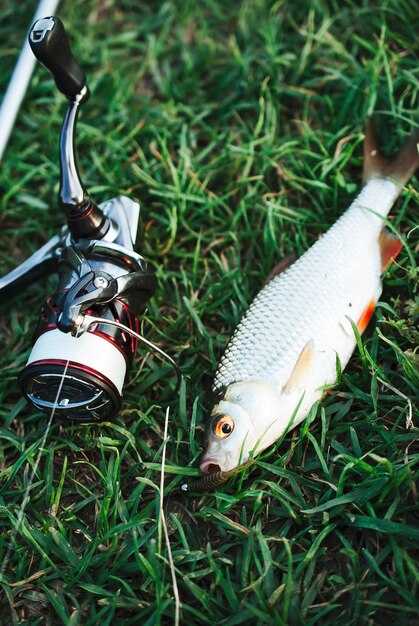 Bass Fishing for Smallmouth Bass – Techniques, Gear, and Lure Recommendations">

Begin with a deep, consistent presentation along edges where structure drops off. Cast parallel to the shelf line; that move comes before any chase into open water. smallmouth being active along shore, target place where rock or wood meet soft bottom.
Equipment recommendation: a spinning reel paired to a roughly 6.5–7 ft rod; opt a light line, 8–12 lb fluorocarbon or braided; this yields crisp hooksets, steady retrieves, better sensitivity in deep water.
Choose bait styles that match current conditions: topwaters; poppers; swimbaits; wacky-rigged rigs perform well in sparse cover, while punch setups shine in thick vegetation or along edges.
Reading the water demands the following discipline: keep the rod tip high, reel with a steady cadence, pause after a deep take; you come tight when the strike occurs. The tendency favors slow, methodical moves along the prime edges, with a calm sweep that rides the current; this offers a real advantage in clear water.
In written records, log place, depth, wind direction, light level; this helps refine the approach over time. A consistent reel cadence, close reads on structure, parallel sweeps across edges, along with switches to punch, swimbaits, topwaters, poppers, all produce an advantage on prime outings.
Bottom-oriented Smallmouth Bass: Tactics and Presentations
Begin with a 1.5–2.5 ft drop near stumps, humps, or bars; rig senkos wacky-rigged on fluorocarbon; let the bait settle, then subtle hops with a telegraphed sweep; release after a solid take to keep pressure low; tips: adjust weight by depth, test two colours, record outcomes.
Navigate shoreline edges where bottom transitions create pockets; search likely ambush spots where cover darkens the strike zone; use a finesse presentation during low light, switch to megabass jerkbaits when sun climbs; swap colours from bright to darker depending on water clarity.
Two rigs to test: a jigging setup with fluorocarbon leader for solid bottom contact; a drop-shot arrangement keeps your bait just above bottom when structure is tough; either approach works well along shoreline edges, or outer bars; megabass jerkbaits provide a tempo change when bites slow.
Colours matter: bright colours pop on pale substrates; darker colours blend with cover for stealth; maintain a quick list of cues: bottom contours, stumps, humps, shoreline transitions; senkos, baits, megabass jerkbaits deliver different speeds; wacky-rigged setups work well when line is light.
Learning moments accumulate, building competitive edge for smallmouth pursuits; fishermen note that rotation of presentations yields better results; reasons to rotate presentations include water clarity shifts, weather fronts, or fresh cover; your approach should remain flexible; once you locate active fish, a steady cadence yields multiple strikes; release promptly after harvest; keep rigs well maintained with fluorocarbon leaders; males patrol shallows at first light, signaling where to fish; use bright or darker hues depending on conditions.
Find bottom structure: contours, ledges, and cover that hold fish
Begin with a clear directive: map shallow-to-deep edges where a shelf drops 2–6 ft within 10–20 ft; these breaklines hold plenty of targets during low light post-frontal days, color shifts influence response; these lines reward the fisherman with clear returns when sunglasses ride high on the cheek.
Cover types include rock ledges, submerged timber, weed edges, sand pockets, mud transitions; search points where flow moves from main channels toward pockets along the lip, much emphasis on transition zones.
This list includes these options: rapala jointed minnow, bladebaits, spinnerbaits, magdraft, punch patterns; choose according to depth, current, cover.
rapala jointed minnow creates a subtle wobble near vertical faces; bladebaits produce loud vibration against rock; spinnerbaits flash in uncertain light; magdraft swimbaits mimic perch activity during flowages transitions; punch patterns work through heavily stained pockets.
Depth targets shift by season: 6–12 ft along edge lines in spring; 10–14 ft during summer thermocline; these ranges move between pockets, pools, saddles; while weather shifts, adapt accordingly, slowly.
Pattern recognition matters: during bright sun, fish hug deeper lips; during cloudy days, explore shallower lips; magnify observations with sunglasses, locate color shifts on bottom structure; use a reliable book to mark spots; apply a practical formula evaluating bottom structure; adjust lure action accordingly.
Flowages along lakes demand adjustments: largest profiles require heavier power setups; the largest fish hit pockets near current breaks; use magdraft or spinnerbaits to probe heavy cover; these tactics stay reliable.
Although conditions vary, choosing the right pattern yields reliable results; perch activity nearby confirms when to switch between flowages, sand, solid cover.
Line, leader, and rod setup for reliable bottom contact
begin with braided main line in the 20–30 lb class, paired to a fluorocarbon leader of 8–12 inches, 12–18 lb test; this combo delivers sensitivity, abrasion resistance in rocky locations. Either setup works if steady tension remains during casts, with a smooth knot such as double-uni or FG knot passing through guides to keep returns clean. Always verify knot seating before a full day on the water; this written check gives better confidence.
- Line options: option A uses braided 20–30 lb test; option B uses straight fluorocarbon 12–16 lb. Both pass through guides smoothly when tied with a reliable knot. This choice affects sensitivity, abrasion resistance, plus response to temperatures; return path stays round through guides.
- Leader lengths: 6–12 inches near open-water structure; extend to 14–18 inches near dense nests or cover; choose 12–18 lb tests to match main line weight; this arrangement tends to work in home-water locations.
- Rod specs: 7’0″–7’6″ length, medium-heavy power, fast action; graphite blank with a crisp tip to telegraph bottom contact; recoil-friendly guides; comfortable reel seat for long sessions.
- Rigs for bottom contact: football jig heads range 3/16–1/2 oz, paired with berkley plastic, powerbait, or other soft plastics; stand-up jigs for vertical drops; drop-shot with 1/8–3/16 oz weight near bottom; nail-weighted plastic rigs suitable for tight cover; use plastics with round tails to increase action; maintain a pace adjustable to depth location while keeping the rod tip near bottom.
- Presentations by bait type: crankbaits yield longer contacts in deeper water; spoons suit windy days or current; plastics deliver color variety; berkley powerbait improves scent, action; colors match water clarity, temperatures, light levels; poppers create surface activity as temperatures rise; near nests, use a slow lift, short pause to trigger a bite; movements tempo matters; begin with a moderate pace; later vary to track reaction; location, movements, speed determine success; the adaptable angler gains a better chance; twitching movements tend to excite bites; excited strikes happen when timing is right; many bites end in caught fish.
Bottom-hugging lure options: tube jigs, creature baits, and football jigs
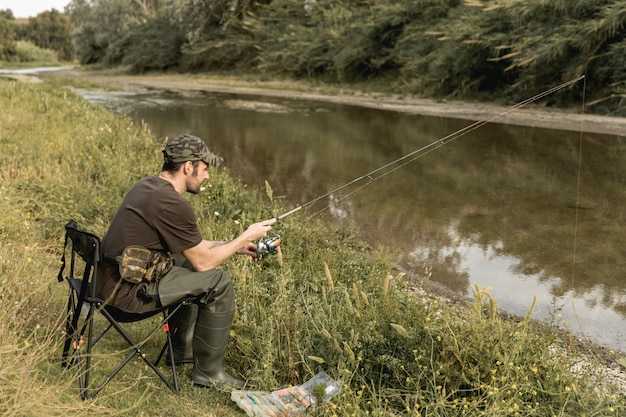
Begin with a 3/16 oz tube jig tipped with a compact trailer; crawl it along sand pockets where three rivers converge; execute quick drops, pause, short pops to keep the presentation touching bottom during the drift; the tight contact triggers strikes when minnows drift by; this method yields bites during years when water warmth reaches prime.
Tube jigs pair with a ball-head design; hollow core yields a compact, weed-resistant profile that moves through sand, gravel with minimal snag; the secret lies in maintaining a slow, near-bottom motion across points, transitions, ledges; reel to keep line tension; pause briefly to provoke a reaction.
Creature baits deliver bulk along the bottom; choose five-inch craws or lizards; rig with a light weed guard; pull to trigger a ticking strike; cast near cover where current slows.
Football jigs deliver near rock ledges; cast into current seams; opt for a 3/8 oz or 1/2 oz head; pair with a compact swimbait trailer or a minnow imitation to boost attraction; this pair works on rivers, along banks, points; adjust line to keep the presentation close to structure.
Five years of river roaming yield messages to a fisherman pursuing bottom-oriented options: focus on structure, keep presentation close above sand, gravel, rock; deploy three tactics, quick technique changes likely; jerkbaits, swimbaits, minnows widen opportunity; megabass equipment delivers features that improve balance above secret spots; prime windows arrive when smallmouth activity peaks on three rivers during spring.
Slow, deliberate retrieves along the bottom to provoke bites
Begin with a slow, deliberate sweep along the bottom at rocky banks; pause briefly on contact, then let the bait settle before the next lift. Electronics reveal spots where structure stacks above darker bottom; here, second, subtle activity hints at a held bite. A single stack of rocks forms a key place to check. Identify particular spots where cover stacks.
Choose a compact crayfish imitation jig, 1/4 to 3/8 ounce; pair this with a prosix line, a lightweight fluorocarbon leader, a slower swing near weeds. A shot of slack after contact can provoke that bite.
Delivery: swing along the bottom contour; second pause; then a deliberate descent back toward the bottom. Keep feet planted for stability; holding the line tight increases feel in the fingers. The same cadence reduces spook. Expect a higher number of bites. This approach can become a go-to routine.
smallmouths respond to forage cues to attract bites; also give the bait space to breathe. Here, senses sharpen when darker water touches the hard bottom. Test spots anywhere along the drop, including nests. This place can become a productive area.
Seasonal patterns and water conditions that influence bottom bites
Target weedline edges at first light using a downsized jig; presentation stays tight to the bottom.
Although water remains chilly early spring; baitfish cluster near current breaks; bottom bites tighten along cover edges within five feet of the bottom; roots, rock, timber create structure.
Use a pair of colors that mirror baitfish hues; in clear water choose natural tones like light brown or olive; in stained water switch toward high-contrast chartreuse or orange.
Seasonal shifts influence depth preferences: spring typically shallow five to eight feet; summer moves bottom work deeper as thermoclines form; fall bites gather around edges of flats or river channels within five to six feet; turnover brings baitfish near the largest schools; further adjustments arrive with wind, cloud cover, or water clarity shifts; water over sixty F invites deeper bites.
Bottom-oriented rigs yield high success; deploy a 1/8 oz jig, a 3–4 inch swimmer, a compact hook; when hooked, maintain steady pressure to keep contact; release after landing.
Rivers with secret cover near edges host minnows; swimmer profiles shift; baitfish movements concentrate along seams; boats cruising wakes reduce stealth; largest bites align with edges near cover.
Remember to adjust right depth by current speed; five feet provides a common starting point near edges to stay consistent.
Keep a repeatable order: depth first, cover second, baitfish size third; this discipline improves bottom bites.