


 Slovenčina
  English (UK)
  Русский
  العربية
  日本語
日本語  한국어
한국어  Magyar
  Türkçe
  Español
  Čeština
  Svenska
  Português
  Ελληνικά
  Suomi
Suomi  Nederlands
  Română
  Italiano
  Français
  Polski
  Українська
  Deutsch
  简体中文
简体中文 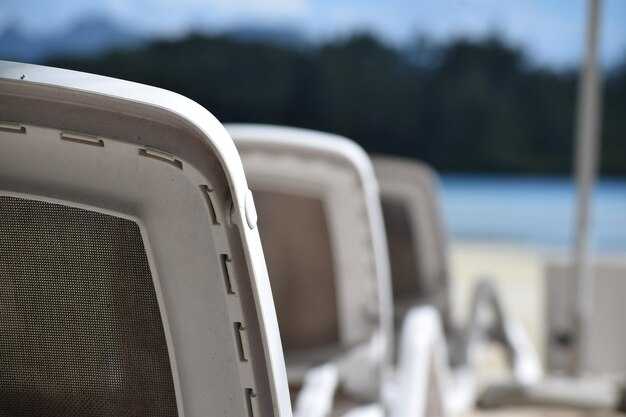 7 Types of Boat Seats and How to Select Your Seating">

Vyberte modulárne vyklápací konfigurácie stoličiek na maximalizáciu pohodlia na obmedzených palubách; prechádzajú zo stabilných stoličiek otočených dopredu do kompaktného uskladnenia s minimálnym úsilím, bez toho, aby pridávali neporiadok.
Sedem stoličiek variants pevný kryt podstavca, otočné, lavicové, penové, fazuľové, vyklápacie, konfigurácie montované na konzolu; každá možnosť zvýrazňuje funkcie, ako je rozloženie zaťaženia, odvodnenie, úložný priestor.
Výber materiálu ovplyvňuje čistenie; sivá tlmené tóny znižujú oslnenie; syntetické tkaniny sú odolné voči škvrnám.
Montážne detaily zahŕňajú koľajnice; inštaluje sa držiaky; postupujte podľa pokynov; niektoré modely vyžadujú vŕtanie; iné sa upínajú.
Investície do modulárnych zostáv gives skutočná adaptabilita; ochrana vankúšov počas pracích cyklov závisí od odnímateľných obalov; pokyny na starostlivosť sa nachádzajú v poznámkach výrobcu.
Bean-style jednotky by mohli nahradiť ťažké stoličky bez obetovania pohodlia; bean vankúše rozložia váhu po celom ráme, čím pomáhajú dlhým cestám pôsobiť menej únavne; mohli by ste ich umiestniť na paluby kajakov bez neporiadku.
Pri výbere v praxi rozhoduje kompatibilita s koľajnicami, trvácnosť, jednoduchosť čistenia a hodnota; zladenie s aktuálnym vybavením paluby; táto zostava ponúka pohodlie pri každej ceste a zlepšuje ovládanie kajaku alebo iného plavidla.
Sprievodca plánovaním sedadiel v člne
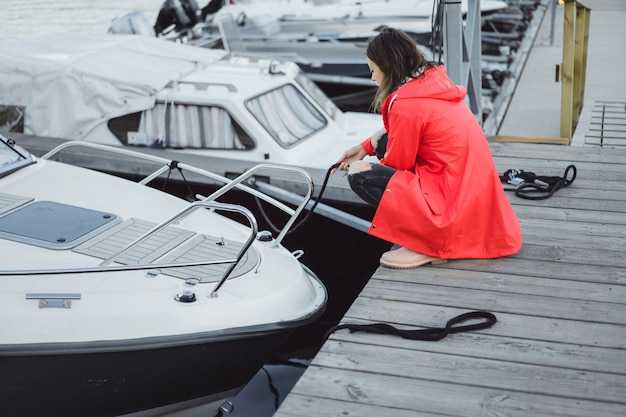
Odporúčanie: Začnite s premeranou mapou paluby; vytvorte modulárny výber, ktorý sa hodí do otvorených zón; tiež zabezpečuje plný pohyb; zodpovedá profilom použitia; tento prístup prináša predvídateľnejšie výsledky.
Ak prechádzate zo staršieho nábytku, použite tento plán na zachovanie rovnováhy hmotnosti pri zachovaní prístupu.
Kľúčové kroky:
- Profilovanie použitia: krátke výlety; dlhé plavby; rybárske výpravy; ťahanie nafukovacieho člna; každý scenár si vyžaduje inú hustotu polstrovania; usporiadanie sedenia.
- Stopa, voľný priestor: zmerajte šírku medzi hornými okrajmi; skontrolujte prístup k poklopu; udržujte otvorený priechod s minimálnou svetlosťou 600 mm; nechajte priestor pre chladiaci box v blízkosti; upratané usporiadanie zlepšuje cirkuláciu.
- Materiály, trvanlivosť: vinyl námornej kvality; penové jadro s uzavretou štruktúrou; odolnosť voči UV žiareniu; odolnosť voči plesniam; vlastnosti stálofarebnosti; ľahko sa čistí utretím; vankúše vyrobené tak, aby odolávali vlhkosti.
- Možnosti návrhu rozloženia: modulárne bloky nábytku; dvojmiestne jednotky; otvorený plán alebo kompaktné zoskupenia; každá konfigurácia by mala zodpovedať dĺžke plavidla; zohľadniť otvorený zadný panel alebo potreby zadnej paluby; zabezpečiť plný rozsah pohybu okolo uličiek.
- Montáž, kompatibilita: podstavcové základne; montáže na koľajnice; zacvakávacie konzoly; skontrolujte nosnosť; kompatibilita s nafukovacími plavidlami; uistite sa, že blízky hardvér pozdĺž koľajníc zvládne presuny hmotnosti; otestujte kývanie; pevne zaistite.
- Údržba, starostlivosť: pravidelné umývanie sladkou vodou; vyhnite sa čistiacim prostriedkom s rozpúšťadlami; nechajte úplne vyschnúť na vzduchu; kontrolujte švy; otáčajte vankúše pre rovnomerné opotrebovanie; pri pravidelnej údržbe vydržia dlhšie.
- Zdroj: zdroj poznamenáva, že praktický prístup kombinuje funkciu s minimálnou zložitosťou; viesť záznam o výmenách; dostupné náhradné diely; výber sa môže rozšíriť prostredníctvom blízkych predajcov; skontrolujte záručné podmienky pre komponenty určené pre námorné prostredie.
Podstavce verzus naklápacie stĺpiky: Hlavné rozdiely, možnosti montáže a využitie vertikálneho priestoru
Vyberte si stoličku na podstavci pre kompaktné usporiadanie kokpitu: šetrí miesto, stabilita, jednoduché pripevnenie.
Zásadné rozdiely: stolička s podstavcom využíva jediný centrálny stĺpik pripevnený k základni; oporná stolička využíva zvislý stĺpik podopretý konzolami k rámu.
Možnosti montáže: sedadlo na podstavci sa dá pripevniť k doske paluby alebo podstavcu na podlahe pomocou skrutiek; oporný stĺpik sa montuje pomocou súprav konzol, zábradlí alebo vodiacich líšt.
Využitie vertikálneho priestoru: podstavec stoličky má kompaktné rozmery, ponechávajúc dostatočný priestor pre nohy; výška vankúša je zvyčajne nižšia, čo umožňuje dostatočný priestor pre hlavu v stiesnených kokpitoch; opierka umožňuje dlhšie vankúše a vyšší postoj, čím sa zlepšuje dosah.
Materiály a konštrukcia: hliníkové rámy s antikoróznymi nátermi; tieto stoličky sú skonštruované tak, aby odolávali pôsobeniu slanej vody na motorovom člne; pevné podstavce znižujú nároky na údržbu.
Praktickosť: pevné stoličky s podstavcom poskytujú väčšiu stabilitu; oporné tyče umožňujú nastaviteľné polohovanie; možnosti nastavenia umožňujú lepšie umiestnenie v rámci obmedzených priestorov; vzorce používania určujú výber.
Pokyny pre výber: posúďte pôdorys, výšku sedadla, hrúbku vankúša, spôsob pripevnenia; zmerajte vertikálny priestor; overte nosnosť; zabezpečte kompatibilitu s existujúcimi lištami; spomedzi nich sa objaví najlepšia zhoda.
Záver: podstavce šetria miesto, zatiaľ čo oporné tyče maximalizujú využitie člna typu runabout; oba sú vyrobené z hliníka, so základnými funkciami; kvalitný dizajn zvyšuje praktickosť.
Lavice s úložným priestorom a sklopnými/konvertibilnými sedadlami: Konfigurácie, prístup a tipy na úsporu miesta
Odporúčanie: Inštalujte zapustené lavice so sklopným vekom a bezpečnými západkami. Umiestnite ich pozdĺž hlavnej hrany, aby ste udržali priechody voľné. Vyberte si odolné rámy s námorným čalúnením, ktoré vydržia každodenné používanie; plynom tlmené pánty zabezpečujú veľmi hladké otváranie; uistite sa, že nosnosť presahuje 150 kg na jednotku; zarovnajte rozmery s hrúbkou paluby, aby ste dosiahli rovný vzhľad; nechajte priestor na uloženie výbavy za vekom; to zvyšuje užitočnosť pri presúvacích cestách.
Konfigurácie: Lavice s úložným priestorom majú výklopné veká, ktoré odhaľujú suché vybavenie, ako sú záchranné vesty, laná, náradie; skladacie/konvertibilné moduly poskytujú kompaktné sedadlo v zloženom stave a zároveň ležadlo na opaľovanie po rozložení. Tento prístup ponúka všestrannosť pre vodákov, hostí a posádku a zároveň udržuje neporiadok uprataný.
Tipy pre prístup: Montujte pozdĺž centrálnej osi pre ľahší dosah; umiestnenie závesu na vnútornej strane znižuje riziko zachytenia; otvárajte veká smerom do kabíny, aby ste udržali priechody voľné; použite jemné pomocné zariadenie pre pokojnejšiu prevádzku. Pre námorníkov s nafukovacími člnmi, otvorte prístup bez ťažkého zdvíhania.
Taktiky na úsporu miesta: Vyberte si modulárne jednotky; zosúlaďte dĺžky v rámci dostupných rozsahov; ponechajte okolo každej lavice otvorený priestor aspoň 40 – 50 cm; určite pohyblivú sieťovanú vložku na uloženie malých dielov; čalúňte farbami v tlmených tónoch, aby ste udržali hodnotu pri opätovnom predaji. Pre sťahovacie operácie vyberte možnosti vhodné na prepravu; neutrálna farebná paleta zjednodušuje rozhodovanie pri nakupovaní.
Video návody podporujú rozhodovanie o nákupe pre používateľov lodí; miery, možnosti farieb, montážne úlohy sa zobrazujú v stručnom klipe.
| Konfigurácia | Access | Najlepšie spôsoby využitia | Montáž/Materiály |
|---|---|---|---|
| Úložná lavica so zapustenou montážou a výklopným vekom | Veko sa zdvíha a otvára, zostáva v jednej rovine s palubou. | Suché vybavenie ako bundy, laná, náradie | Morské vinylové čalúnenie; nerezové pánty; vysoká nosnosť |
| Skladacia/Konvertibilná lavica | Sedadlo sa dá sklopiť a vytvoriť tak ležadlo; uhol operadla je nastaviteľný | Crew seating; sun lounge; open deck space | Gas struts; marine plywood core |
| Removable-back bench with storage | Backrest removed; lid exposes compartments | Ropes, fenders, small parts | Mesh pocket; clip-in dividers |
| Modular clip-together bench | Modular pieces align; secure connections | Small craft; flexible layouts | Lightweight aluminum frame; flush-mount hardware |
Captain’s Chairs, Premium Swivel Seats, and Budget Alternates: Comfort level, features, and price contrasts
Recommendation: Install Captain’s Chair as baseline for longer cruises; plush cushions; secure mounting; durable fabric; aluminum frame keeps weight low; marine standards ensure reliability; installed among popular options at retailers; Capri model lines deliver extra lumbar support for occupants; duty cycle remains balanced across extended routines.
The Premium swivel option offers 360-degree rotation, gas-assisted height adjustment, cushioned armrests; sturdy base; corrosion-resistant construction; screws secure attachment to rails; corrosion resistance against salt exposure.
Budget alternates keep price low; these units trade durability for value; cushions remain practical; fabrics may be marine-grade vinyl or fabric; installation times measured in minutes; retailers vary widely; Torque guidelines apply to screws; mounting remains robust; these models suit limited duty use or secondary positions.
Prices vary among retailers; Captain’s Chair typically ranges from $400 to $950 per unit; Premium swivels from $300 to $800; Budget options from $150 to $300; longer warranties accompany higher tier; check included accessories such as headrests, cup holders, nylon sliders; major retailers include popular channels; variation in upholstery materials drives differences in comfort; upkeep; resale value; These options offer great value.
Practicality hinges on maintenance; mounting typically takes minutes; aluminum construction keeps weight manageable; polyurethane cushions retain shape longer; fabric choices influence durability against sun, salt, moisture; Capri line offers popular options; retailers supply a wide range of accessories to customize comfort; ensuring compatibility with helm layout matters for stability; the difference in price reflects upholstery, frame thickness, duty ratings; these details let you tailor to budget while meeting practical requirements.
To maximize comfort for occupants, start with Captain’s Chair; for flexible layouts, Premium swivel units deliver great versatility; Budget alternates provide essential value with lower upkeep; compare across retailers; installed securely using resilient screws to maintain stability during duty cycles; these choices suit various vessels, budgets, crew sizes.
Modular Seating Systems, Cooler Seats, and Specialty Options: Customization paths and upgrade ideas
Start with a modular base that accepts flush-mount seat blocks; rail mounts integrate smoothly.
Seat heights range 14–18 inches above surface; this gives visibility high while reducing spray exposure.
Constructed from marine-grade aluminum or rotomolded plastic; compatibility with most tinnies is assured, providing consistent performance.
Backrests offer adjustable heights; pads provide extra comfort; bean cushions fill awkward gaps near rails.
Cooler seats replace one block with an ice chest; flush-mount lid seals against spray; capacity ranges 15 to 25 quarts; drain plug simplifies cleaning.
Portable configurations let you move sections between hours of use; youre upgrade path remains flexible; the popular setups place shorter modules toward the bow to improve visibility.
Upgrade path includes adding backrests; raising heights; introducing additional mounts; performance grade finishes.
Video guides shorten installation time to hours rather than days; the flush-mount surface stays clean; surface cleaning pads help maintenance.
Understanding compatibility ranges makes making the best investment clearer; this section guides choices for compact tinnies; youre upgrade path becomes straightforward.
Practical Buying Guide: Compatibility checks, installation steps, and care routines
Begin with compatibility check: measure rail width; confirm weight capacity; verify backrest clearance. Choose models designed for smaller vessels; this helps ensure secure fit. Known retailers offer stainless hardware, typically with weight ratings; prefer corrosion-resistant stainless for harsh conditions. Materials used in cushions, pads influence durability; luxurious padding yields comfort. If youre upgrading, this plan helps. Plus, consider dual-purpose cushions for easy storage.
Installation steps: mark positions using a template; drill pilot holes; secure base with stainless fasteners; attach backrests; install pads; verify alignment with a level; torque to manufacturer spec. For smaller tinnies, consider a modular arrangement that keeps weight centered; this helps stability. In this section, youre thinking through the application; like choosing location that reduces movement; very easy to tighten screws when you use correct bit. For selecting systems, compare rail compatibility, padding materials, mounting layouts.
Care routines: rinse after saltwater use; wipe with microfiber; re-cover cushions when sun fades color; inspect wear on pads, backrests, mounting points; check corrosion on stainless hardware; apply marine-grade lubricant to joints; replace worn items promptly. Video resources from retailers offer visual guidance; follow the manufacturer’s application notes; keep maintenance aligned with their schedule. This checklist will help you avoid selecting a mismatched setup. Enthusiast tip: a routine like this reduces failures.