


 Slovenčina
  English (UK)
  Русский
  العربية
  日本語
日本語  한국어
한국어  Magyar
  Türkçe
  Español
  Čeština
  Svenska
  Português
  Ελληνικά
  Suomi
Suomi  Nederlands
  Română
  Italiano
  Français
  Polski
  Українська
  Deutsch
  简体中文
简体中文 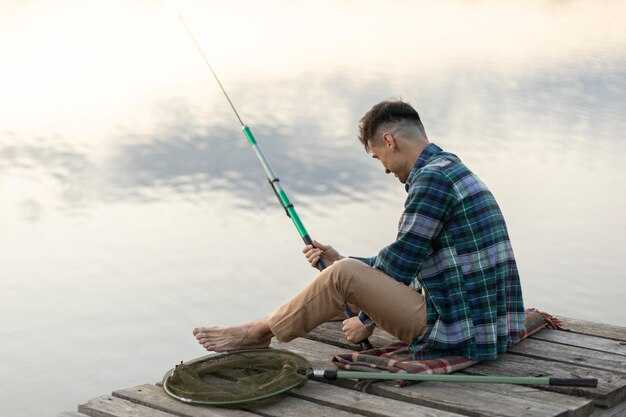 6 Pro Fishing Tips – How to Become a Better Fisherman">

There is one concrete recommendation to jump-start your progress: set up a dependable, compact rig and test it on the water. For an adult angler aiming to improve quickly, use a 6’6″–7’0″ medium-light rod, 8–12 lb test line, and a diameter 0.28–0.30 mm line. Pair with a size 6–8 hook and a small slip-float or light jig. This combo will provide consistent feel and fewer tangles, so you can practice timing and line control more effectively and allow quicker feedback.
Použiť a clean casting rhythm: stand with feet shoulder-width apart, keep your shoulder aligned to the target, and use a controlled wrist flick backed by hip rotation. This definitely builds strength and accuracy, and you can study images from local events to refine your form.
Read the water by watching weed edges, sunfish haunts, and the first drop-offs near the woods. Identify place where currents converge and baitfish swirl; these spots work well, especially early morning.
Keep a simple kit with extra jigs, hooks, and a spare bobber. If you spot sunfish showing quick movements, try a bright jig on a short line and a slow, irregular rhythm. This approach lets you test different lures quickly and learn what can happen under changing light.
Keep a compact log: date, location, wind, water clarity, lure tried, and result. Review images from your sessions to spot patterns, then apply what you learned next time. A few focused sessions raise your bites per hour and help you place consistent catches.
Advanced Angling Mastery: Practical Steps for Real Results
Start with a precise line diameter check and re-tie all critical knots to prevent failures; this gives you instant reliability on every cast and builds a sturdy platform for training, something you can count on.
Understand water structure by mapping current seams, depth changes, and forage zones where fish concentrate, especially in morning light. Note the colour of the water and bottom, then choose lures and leaders that match the forage and the pattern you expect. For brook and other species, adjust diameter and leader length to the target size; use a 0.12–0.18 mm leader in tight brooks and a 0.20–0.25 mm leader where clarity is higher. Cast unto the bank near weed edges to test how the current influences bait presentation.
Try special, uncommon rigs for shallow, calm runs; a dropper setup with a small bead and a light fluorocarbon leader keeps the presentation natural and reduces line glare, helping fish take easily. In beattie Brook, locals call the stretch beattie, a place to test subtle actions. The brook tests the method under changing light. Channel a superman mindset. Hold the rod with a steady, confident grip, and if a take occurs, lift smoothly and relax your grip. Maintain a deliberate cadence; this approach shines in green weed edges where hides are tight.
At events across various waters, compare results and log what works. Track bite windows as light shifts and adjust your cast angle to keep line quiet; short, controlled sweeps win in tight cover. Understand when to switch from broad presentations to subtle taps; this adaptation reduces the problem of missed takes and improves consistency.
Maintain gear care and place discipline into daily routine: clean reels, examine drag, and replace worn lines or beads. The habit gives training value and translates to real results, with the performance becoming smoother each week. After each session, store gear in a dry place and check knots once more; this simple step prevents surprises and keeps you on track for future catches. This approach has been tested by guides and pros, and it continues to yield reliable outcomes.
Choose the Right Rod and Reel for Your Target Species
Begin with a versatile setup: a 6 ft 6 in to 7 ft rod, medium-light power, fast action, paired with a 2500 reel. This answer gives you sensitivity for shy bites along brush and in brook pockets, plus enough backbone to handle adult fish in moderate current. Ask staff for guidance on line diameter and reel size for your local conditions, but start with 6–8 lb test in clear water or 10–14 lb in stained water. A small fluorocarbon leader (2–4 ft) helps you stay stealthy and keep everything presenting cleanly.
-
Trout, brook trout, and panfish: 6 ft 6 in to 7 ft, medium-light, fast action; reel 1000–2500; line 4–8 lb test; line diameter kept minimal for quiet presentations in shade. Fish near brush and along the bank to locate likely bites; you should be able to lodge the rod in a holder during pauses. This setup is nice for small jigs, live bait, and light lures on clear streams.
-
Bass and larger open-water fish: 7 ft to 7 ft 4 in, medium-heavy, fast action; reel 3000–4000; line 12–20 lb test; consider black braided line with a fluorocarbon leader. This tactic handles cover and be reached through weed edges and open water alike, where you need steady backbone. Use a larger spool to avoid line twist and keep pressure on the fish without overtaxing your shoulder.
-
Walleye and river species: 7 ft to 7 ft 6 in, medium, moderate action; reel 2500–3000; line 6–14 lb test; use a fluoro leader for subtle presentations in clear water. Its diameter is a compromise between sensitivity and abrasion resistance, and you can easily adjust to stealthy, accurate casts to structure and lanes where fish hide.
-
Large predators or heavy cover: 7 ft 6 in to 8 ft, medium-heavy, fast action; reel 5000+, line 20–30 lb test; consider a strong, dark braid for abrasion resistance. In thick brush or fallen timber, a longer rod helps you keep pressure on the fish while you lodge the line and keep the presentation tight. This setup is ideal when you expect big bites after a long beat along bank and rock, and it gives you control where the fish are likely to sit.
Read Water: Identify Structure, Currents, and Likely Hangouts
Start by reading water in three steps: identify structure, pinpoint currents, and mark likely hangouts. For beginners this quick read yields immediate targets and boosts confidence on the water. Note the opportunity to move to better angles; the easier you see early structure, the sooner you can target key spots with precision. Throughout the day, many guides taught this three-zone read as a simple, repeatable routine – and the beauty of it is how fast you can gain confidence and make smarter calls. Never underestimate the clarity a few minutes of water reading gives you.
Identify structure quickly. Scan the shoreline and water column for sunken cover (trees, limbs), rock piles, and abrupt depth changes. Use your eyes to trace weed edges and edge transitions. When you find a point or bend that turns toward deeper water, mark it as a target. Move your boat or adjust your approach so your cast travels along the edge, not across it–this puts the lure into the hold zones where fish sit. Elite anglers and bassmaster competitors stress structure first; regardless of lake or season, structure holds more bites than open water. Note the location of cover that breaks the current and creates an ambush zone. For coaches who teach clients, the structure read builds confidence and speed. The leader mindset follows this rule: structure first, every time. Three cues to watch: cover, ledge, and edge.
Read currents to locate seams. Look for fast water meeting slower pockets, places where a point creates a seam, and eddies behind rocks or brush. These seams concentrate bait and increase your chance to get a bite. Cast up current and drift your lure along the edge, pausing to let the bait sink into the target depth. Use a steady speed on the retrieve; speed up slightly in faster seams and slow down in slow sections. Three-second counts to depth work well for moderate water; in clear lakes you can see depth transitions with your depth finder, if you have one. What happens next often hinges on timing, so keep a mental clock and adjust accordingly. Reels should run smooth to maximize feel and efficiency.
Target likely hangouts and apply a targeted plan. Inside bends, outside bends, and points that drop into deeper water are your primary hangouts. Inside bends hold fish that feed under varying light conditions; outside bends hold cruising fish that ambush from the current edge; points offer a funnel and a quick drop to deeper holds. Regardless of lake clarity, weed lines and timber edges attract prey and bass alike. Use targeting to pick three spots on your map and run through them in order before moving to the next area. Note how many bites you get at each spot and whether your lure should run shallower or deeper to keep pace with depth change. Many followers and coaching clients see more success when they stay disciplined and targeting the obvious ambush zones.
Practical moves you can apply now. Keep reels silky; a smooth retrieve helps you feel subtle bites. Place three casts per structure to verify depth and reaction, then shift downstream to the next structure. Build confidence by repeating this pattern with different lures: a spinnerbait or swimbait on windy days, and a soft jerkbait on calm mornings. The founder of many local clubs and the sport’s leaders would tell you that consistency beats flashes; practice the same routine across three spots per lake, regardless of mood. This habit creates more opportunities, moves your average catch upward, and trains you to read water with elite-level discipline.
Set Up Your Tackle: Hooks, Lines, and Weights to Match Your Lure
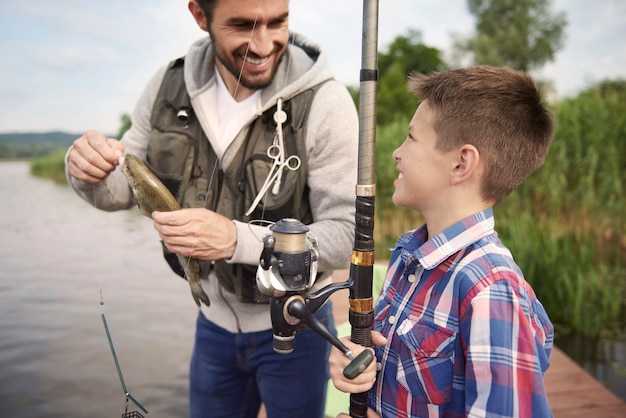
Always start with a braided main line in the 60–80 lb range and a 60–100 lb fluorocarbon leader; match hooks and weights to lure size for the conditions and the windows of opportunity you’re pursuing. For muskies, use bigger gear to handle heavy plugs and aggressive hits, and keep the setup balanced so you can learn quickly and stay confident on the water.
Hooks, not leaders, set the hook. For muskies choose heavy-wire trebles in the 8/0–12/0 range or dependable singles in the 9/0–11/0 range when the lure calls for a stout bite. For smaller lures aimed at smallmouths chasing in lakes, 2/0–4/0 trebles or offset singles keep action clean and reduce missed grabs. Pick rust-resistant finishes (black nickel or mega-strong stainless) and keep gaps matched to lure mouth size; making this fit is the simple step that boosts hookups every time you swing for the front edge of weedbeds or rocky shoals.
Line choice matters as much as the hook. Use braided main line in the 60–100 lb class for muskies, paired with a leader in the 60–120 lb range when you fish through timber or rough rock. If you target smallmouths in clear lakes, a 10–20 lb fluorocarbon leader pairs well with mid-weight plugs. Wire leaders are an option for razor-sharp teeth or heavy cover, but they reduce feel; test both in local waters to see what gives you the best balance. After tying, run a quick patrol of the knot to verify security.
Weights must match lure weight and technique. Start with jig heads around 1/4–3/8 oz for finesse presentations; switch to 1/2–2 oz for mid-size swimbaits; for big musky baits, 3–6 oz or more keeps your lure deep and lively in current or wind. In backcountry lakes with deeper structure, use the heavier end; in calm, shallow bays, lower the weight to improve the lure’s action and sound.
A simple rule: heavier gear for bigger, louder lures; lighter gear for smaller, more subtle baits. This approach makes it easier to control the drop and anticipate the hit, which improves your learning and confidence over multiple sessions, last season on the water highlighted how small changes added up. If you fish with a buddy like mike or a lady angler on a local lake, share notes after each outing; multiple small changes add up to a big gain over the season.
Keep a quick-change kit ready: extra hooks, spare leaders in multiple lengths, and weights in varied sizes. This setup minimizes gaps in your tackle, keeps you safe on the water, and helps you stay focused on improving every outing–whether you’re chasing muskies in backcountry lakes or smallmouths along Brook streams. Continuous adjustment makes you faster, more precise, and ready for whatever the day brings.
Match Baits and Lures to Water Temperature and Season
Používajte teplotný rebrík: studená voda si vyžaduje hlbšie a pomalšie zostavy; ako teploty stúpajú na jar, prejdite na stredne veľké swimbaity a univerzálne woblery; horúce dni uprednostňujú rýchlosť a prepady na línii buriny. Tento prístup vám dáva okamžitú výhodu tým, že zosúlaďuje nástrahy s ich pravdepodobnými obdobiami kŕmenia.
- Chladná voda (pod 10 °C / 50 °F)
- návnady a umelé nástrahy: jigy s craw trailermi, jemné swimbaity (7,5 – 10 cm), drop-shot zostavy a hlboko potápavé crankbaity, všetky s kompaktnými rozmermi
- montáže: používajte fluorokarbónové alebo šnúrové nadväzce, 6–12 lb vlasec na jemné techniky a 1/8–3/8 oz jigové hlavičky; lovte v blízkosti krovísk a hlbších sediel za okrajmi tráv.
- Kde loviť ryby: hlbšie pláne, pomaly sa zvažujúce pobrežia a štruktúry v blízkosti zlomu; najproduktívnejšie sú skoré ranné alebo neskoré večerné okienka na jar
- vzory: hľadajte pomalý, hmatový pocit na dne; neustále sa učte čítať jemné zábery v chladnej vode, pretože ryby sú letargickejšie
- Prechod (10–16°C / 50–60°F)
- návnady a umelé nástrahy: bezlopatkové woblery, stredne veľké swimbaity (4–5 palcov), kreatúrne nástrahy a rotačné trblietky s kompaktnými listami
- nastavenia: jigy s hmotnosťou 3/16–1/2 oz s craw prívesmi, vlasec s nosnosťou 12–14 lb a univerzálnosť na pokrytie kefového porastu aj otvorenej vody; prispôsobte farbu prírodným zeleným a hnedým odtieňom
- kde loviť: okraje línií vodných rastlín, kroviny 50 – 150 cm pod povrchom a prechodné zóny medzi plytkými zátokami a hlbšími panvami
- vzorce: sledujte posun aktivity húfov rýb a zvyšujúcu sa priezračnosť vody; obdobia čistejšej vody často zodpovedajú agresívnejším záberom
- Teplá voda (16 – 21 °C)
- návnady a umelé nástrahy: väčšie swimbaity (5 – 7 palcov) a vibrujúce jigy, chatterbaity a stredne až rýchlo sa pohybujúce crankbaity
- náčinia: používajte jigy s hmotnosťou 1/2–3/4 oz alebo swimbaity s ťažšími hlavami; vlasec s nosnosťou 12–20 lb pre dlhšie hody; lovte na líniách vodných rastlín a výbežkoch rovnomerným, miernym tempom
- kde loviť ryby: okraje porastov, slnkom zaliate plytčiny a miesta okolo krovín a trstiny; ontárijské jazerá vykazujú silné kŕmenie po prechode frontu v jarnej teplote
- vzorce: skoré rána a neskoré večery sa rozjasnia výbuchmi na hladine; úlovky na obed sa presúvajú do úkrytov v stredných hĺbkach, ako slnko ohrieva vodu
- Horúce dni (>21°C / >70°F)
- návnady a umelé nástrahy: rýchle plávajúce nástrahy, crankbaity so štvorcovým profilom/crankbaity a chatterbaity; hladinové nástrahy v prvej hodine po východe slnka
- výbava: používajte ľahšie hlavy pre rýchlosť a agilitu, vlasec s nosnosťou 6–9 kg a majte náhradnú ľahšiu výbavu na rýchle výmeny; zamerajte sa na plytké, slnkom zaliate pláne a trávnaté vrecká
- kde loviť: plytké štruktúry pri okrajoch porastov, okraje línií zelenej vegetácie a výbežky priľahlé k miestam s prúdom
- Vzorce: hľadaj húfy rýb v jasnom svetle; skracujú sa okná kŕmenia, takže buď pripravený na rýchly presun medzi hotspotmi
Počas celého obdobia si udržujte flexibilnú hlavu a sledujte ich cit pre vodu. Na jar rybári v oblasti Ontária často pozorujú dva jasné posuny: aktivitu v húštinách a pozdĺž línií buriny na začiatku sezóny a potom presun do hlbších, chladnejších miest v polovici sezóny. Majte kompaktnú sadu zostáv v klientskom štýle, aby ste sa mohli prispôsobiť bez prestávky, a praktizujte krátky učenlivý cyklus medzi nahodeniami, aby ste si zdokonalili rozpoznávanie vzorov. Prispôsobením návnad teplote a sezóne získate citeľnú výhodu a udržíte si hlavu v hre namiesto toho, aby ste sa naháňali za odhadmi.
Majstrovské nahadzovanie a navíjanie: Tempo, prestávky a zasekávanie
Pravidlo: prispôsobte tempo navíjania hĺbke a záberom, ktoré očakávate. Zlaďte rytmus s hĺbkou, udržujte napnuté vlasce pri špičke prúta a sústreďte sa na záber. Urobte čistý hod, potom zámernú 0,5-sekundovú pauzu, po ktorej nasleduje 2 až 3 stopy dlhý ťah navijakom; opakujte 6 až 8-krát na jedno prejdenie, aby ste si upevnili načasovanie. Tento prístup sprehľadní prvé spojenie a zníži počet premeškaných záberov.
Berte ohľad na celoročný rybolov a prispôsobte rýchlosť teplote a viditeľnosti vody. Za chladných, sviežich rán nechajte návnadu klesnúť hlbšie a predĺžte prestávky; za jasných, teplých popoludní skráťte prestávky a navíjajte agresívnejšie. Oči na vlasci vám pomôžu odhaliť slabé zábery, ktoré nemusia byť zjavné. Existuje jemná rovnováha medzi tlakom na vlasec a nutkaním udržať návnadu v zóne záberu.
Z prieskumu priemeru vlasca a akcie nástrahy vyplýva, že najúspešnejší rybári prispôsobujú výstroj danej situácii. V čistej vode jemnejší priemer vlasca zlepšuje citlivosť; v hustom poraste hrubší priemer odoláva zachytávaniu a pomáha vám pretiahnuť sa cez prekážky. Ak budete cvičiť s rôznymi kombináciami, uvidíte úspešný nárast záberov.
Spincast navijaky ponúkajú plynulý postup učenia, ale mali by ste si všímať poruchy a ladiť ich podľa toho. Ak spozorujete veci ako vôľu pri nahadzovaní alebo drsný chod, mierne dotiahnite brzdu a otestujte ľahšiu nástrahu. Potom prejdite na prívlačové vybavenie pre lepšiu kontrolu, keď to podmienky dovolia, čo zlepší celkovú presnosť.
Zásek si vyžaduje zámerný a sebavedomý pohyb. Keď ucítite záber, trhnite prútom cez rameno a zaseknite háčik do tlamy; potom udržujte stály tlak, aby ste dokončili záber. Zamerajte sa na rýchlu a čistú reakciu v momentoch, keď cítite záber, a vyhnite sa trhavým pohybom zápästia, ktoré mrzačia energiu a míňajú pointu záseku.
Rozdelené tréningové sedenia vám pomôžu vybudovať potrebné inštinkty. Striedajte cvičenia zamerané na tempo a prestávky so sedeniami zameranými na presné zasekávanie. Dokázalo sa, že konzistentné, krátke sedenia prekonávajú sporadické, dlhé úsilie; zlepšenie sa prejavuje v každom jazere a rieke, kde lovíte. Táto metóda si už získala dôveru sprievodcov aj rybárov.
| Rýchly prehľad podľa stavu | |
| Condition | Tip |
|---|---|
| Plytká, čistá voda | Krátke pauzy, rýchlejšie prírastky navijaka, tenká šnúra pre citlivosť |
| Hlboká voda alebo hustý porast | Dlhšie pauzy, pomalšie navíjanie, hrubšia šnúra odolná voči zachyteniu |
| Svieže, chladné rána | Hádž ďalej, predĺž čas podržania v najvyššom bode, v prípade potreby sa prikláňaj k ťažšej návnade |
| Celoročná prax | Udržiavajte konzistentný rytmus; zaznamenávajte časy a pokusy na vylepšenie rozhodnutí založených na pravidlách |
Praktizujte rýchle, humánne vypúšťanie, aby ste zachovali ryby a biotop
Rýchlo a humánne uvoľnite: držte rybu vo vode počas odháčkovania, uvoľnenie dokončite v zlomku sekundy, ideálne do 30 sekúnd, a používajte háčiky bez protihrotu; tento zlomok sekundy šetrí čas a znižuje stres.
Mokré ruky, kolíska tiel a vyhýbajte sa dotyku žiabrov alebo očí. Podoprite pod bruchom, držte rybu vodorovne a jemne ju presuňte späť do prúdu na oživenie; pred vypustením sa snažte na zlomok sekundy pozastaviť, aby ste sa uistili, že ryba opäť dýcha.
Minimalizujte vystavenie vzduchu tým, že sa budete držať nad dnom pri manipulácii z lode v ontárijských vodách a vráťte rybu naspäť chrbtom nahor, najmä na jeseň, keď sa aktivita a reakcia žiabier menia. Ak musíte rybu zdvihnúť, držte hlavu nad chvostom a vyhýbajte sa krúteniu; to pomáha urýchliť zotavenie a udržať telo neporušené.
Vedzte, čo prenasledujete a čo môžete urobiť: vo vodách Ontária, kruhové háčiky alebo jednoháčiky bez protihrotu znižujú poranenia vnútorností a urýchľujú uvoľnenie. Pochopte druhy, na ktoré sa zameriavate – zubáč, ostriež, pakambala – a ako ich vzorce ovplyvňujú úspešnosť cieleného lovu, a ako modriny reagujú na rýchlu manipuláciu. Nedávno pomohli taktické tipy Ellisa iným udržiavať kvalitu biotopov v jazerách a riekach Ontária.
Osvojenie si zručnosti rýchleho vrátenia začína peknou rutinou: pripravte si výstroj, precvičujte si odopínanie a venujte pozornosť pocitom ryby. Trocha skúšania vám pomôže správne načasovať, čo urýchľuje proces a chráni biotop. Keď fúka vietor alebo je voda rozbúrená, zachovanie pokojného a rozvážneho rytmu sa spočiatku zdá ťažké, ale v momente, keď sa do tempa dostanete, počujete, ako špliechanie mizne, keď rybu vraciate do vody a sledujete ju, ako sa zotavuje; táto sekunda pokoja môže udržať veľké populácie v rozkvete.