


 Slovenčina
  English (UK)
  Русский
  العربية
  日本語
日本語  한국어
한국어  Magyar
  Türkçe
  Español
  Čeština
  Svenska
  Português
  Ελληνικά
  Suomi
Suomi  Nederlands
  Română
  Italiano
  Français
  Polski
  Українська
  Deutsch
  简体中文
简体中文 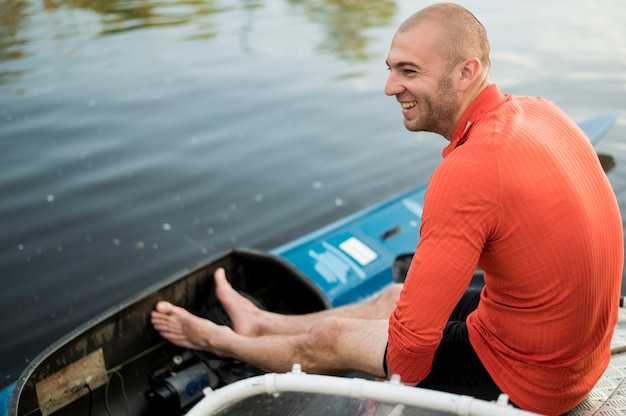 6 Essential Tips for Renting a Personal Watercraft (PWC)">

Begin with a concrete recommendation: complete the safety briefing a read the rental agreement at the dock so your responsibilities are clear from the front.
On arrival, inspect the equipment a obuv; verify the meter, lanyard, and life jackets fit all participants, including you and your crew. Ask which safety features are active. If you anticipate multiple rentals this season, check packages or discounts.
Set your driving style and rýchlosti to conditions; this will help you stay in control, test forward motion in a calm zone, keep a safe distance, and avoid riding near sunset when visibility drops.
From the fleet, choose a model from a variety of sizes aligned with your purpose and your familiar levels of experience; if a larger option is requested, confirm availability or choose a smaller alternative.
Safety gear is ready; including life jackets, signaling devices, and protective obuv; confirm fuel policy, deposits, and insurance.
Plan your session around daylight and weather windows, noting the dock availability and local conditions. Schedule at suitable times to avoid crowds, and anticipate beautiful scenery as you learn to ride safely.
6 Practical Tips for Renting a Personal Watercraft (PWC); What Makes Personal Watercraft Safety So Important
1) Check laws and safety requirements before you ride PWCs on the water. Laws dictate operator responsibilities, minimum age, and required gear. Upon arriving, staff will confirm the craft’s shut-off works with a quick pull of the lanyard; this ensures you and the team stay safe if they fall behind the controls. Bring necessary documents; this will speed the rental at the store desk, making arrival smooth and predictable.
2) Inspect PWCs before departure, test basic controls, and confirm the running status. Visually check the hull for damage, verify the throttle turns smoothly, and ensure the shut-off activates when pulled. Have staff demonstrate how to turn and brake; a firm grip with hands is essential for stability, especially on slippery ramps or when docks are busy.
3) Wear a life jacket and protective gear; keep visibility high at all times. A strong vest labeled USCG-equivalent reduces injury in an upset. Choose bright colors to improve visibility; keep hands free to manage the controls. Prioritize quality gear as an investment in safety. Some inboard units may require additional protection; such options include jackets, gloves, andor pads.
4) Learn handling basics: throttle control, turning, and safe stopping. Practice at slow speeds, then progress when skills improve. Use the callouts to keep a safe distance; turning should be smooth and gradual to avoid a sharp move that may throw you from the seat. Always keep a strong stance to stay balanced; this reduces the risk of being thrown by waves. When conditions are poor, slow down and avoid pushing limits; you will gain confidence with patience.
5) Respect space and conditions: know wind, current, and waves; maintain the same distance from others. When visibility is limited, slow down and pass with care; if other vessels are in the same traffic area, yield and stay clear. If the water surface is rough, postpone a ride until conditions improve; even a small change in wind can affect control. Whether conditions will ease, wait if you are unsure. Avoid fast passes in crowded areas; skills grow with experience.
6) Arrive ready to store pwcs properly and use shut-off at session end; report damage. After return, place the craft in a safe location, turn off the power, and secure it; this ensures upcoming renters find a safe setup. Track maintenance notes and keep a log at the store so they know what to inspect next. By following these steps, pwcs stay running and ready to hand over to the next person, with safety as the top priority.
Assess Your Riding Needs and Skill Level
Start with a concrete step: map where you ride and trips you plan, then define your need by purpose–calm cruises, sightseeing, or quick hops. Your user profile, including height and weight, informs machine size and weight rating. If your trips stay near shore, choose a compact, stable craft with easy handling and gentle turning. Also include a slow, precise turn drill.
Evaluate your skill level via a controlled trial with a trainer or staff. Check controls–can you operate them without twisting behind your back? Sit tall, keep a firm grip, and maintain a straight line when accelerating. An experienced rider can ride ahead of the shore break with caution; a rookie isnt ready to chase rough water, stay behind the line, and stick to gentle speed. Add a simple turn drill to build grip and confidence.
Plan guidelines around trips, weather, wind, current, and visibility. Wearing a proper vest and shoes with grip increases staying power and safety. Keep behind the wheel with a clear plan; if wildlife such as dolphins appears, slow, stay safely away, and avoid sharp turns. Resist speeding in busy zones and practise small, controlled roll maneuvers to keep balance. Practice a calm turn drill.
Compare models from Knaus; assess certain factors–weight, control geometry, seat height, and service network. Use these guidelines to pick a craft that matches your staying pace and your preference to return to shore when needed. The right choice lets you enjoy yourself on the water and trips without unnecessary stress.
Verify Insurance, Liability, and Security Deposit Terms
Obtain a written policy copy immediately, and verify guard-approved liability terms plus a clear security deposit schedule. Note who is insured, who may ride, and what happens if a claim arises; they should provide contact details for the insurer. This empowers you to rent a craft with confidence.
Insurance terms must specify minimum liability limits, such as 300,000 USD per incident, including medical payments and property damage coverage, plus hull or collision protection when you are responsible for a crash. Ensure the policy names you as an operator, includes a rider and others who may ride, and remains in effect under different winds while you rent a craft with strong coverage. This clause ensures you are protected when conditions shift.
Security deposit terms must be explicit: amount typically ranging from 200 to 1,000 USD depending on boat value, hold method, return timeline, and how damage is assessed. Note that deposits cover items such as dings, scratches, or missing equipment like life vests, lanyards, or safety gear; larger crafts may require a higher hold.
Before operating, inspect the craft: check throttle response, steering, and rear buoyant deck; ensure life jackets are the appropriate size; carry the kill switch and other safety gear; explain how to engage forward, reverse, and operate at varying speeds; practice staying balanced during stronger winds; courses or refresher training may be included to improve handling; this helps prevent mishaps and keeps riders safe.
On return, compare the final condition to the initial inventory, note any new damage, and obtain consent to deduct from the security deposit if needed. Ensure an inspector signs off, and seek a transparent explanation of charges with a clear deadline to resolve disputes. If plans include sunset on the water or multiple riders, confirm who will operate each craft and how charges apply to others; this protects your budget while keeping everyone safe. If you want to rent again with predictable costs, review all terms carefully, including the refund window and any processing fees.
Skontrolujte PWC pred použitím: Vizuálne prvky, kvapaliny a bezpečnostné vybavenie
Pred vstupom do vody vykonajte dôkladnú kontrolu odhora nadol: získajte súhlas vlastníka alebo personálu miesta, potvrďte pripravenosť svojho vybavenia a miesto ponúka bezpečnostný brífing spolu s nasledujúcimi kontrolami priamo na plavidle.
- Vizualizácie
- Trup a paluba: skontrolujte praskliny, škvrny, opotrebovanie gélového náteru a eróziu pozdĺž kýla; ochranné lišty (gumové) neporušené a pevne namontované.
- Loďarské vybavenie: potvrďte, či nešmykľavý povrch zostáva účinný; západky a kľučky bezpečné.
- Nafukovacie komponenty: ak existujú trubice, skontrolujte ich na diery alebo vyfukované oblasti; ventily tesnia bez úniku.
- Rozmanitosť značiek: jednotky Yamaha vyžadujú kontroly špecifické pre model; overte servisné štítky na kapote, potvrďte, či sú chladiace hadice a upevňovacie prvky krytu bezpečné; iné značky sa v kontrolách líšia.
- Oblasť pohonu a sanie: ručne otoččte vrtuľu alebo obežné koleso, pokiaľ je to bezpečné; odstráňte nečistoty z mriežky sania; žiadne lanká navinuté okolo hriadeľa.
- Poklop motora a upevnenie: hľadajte praskliny alebo uvoľnené skrutky; uistite sa, že upevňovacie prvky sú pevné a pánty fungujú hladko.
- Environmentálne prostredie: všímajte si blízkou eróziou brehov; vyhnite sa vstupu do plytkých zátok v blízkosti chránených miestnych druhov; udržujte priamu vizuálnu líniu k miestu pre okamžitú pomoc; zabezpečte zákaz vstupu do obmedzených zón.
- Tekutiny a mechanický stav
- Palivo: potvrďte, že hladina je nad 1/4 nádrže; skontrolujte tesnenie viečka; vyhnite sa zastávajúcemu sa palivu; skontrolujte potrubie, či nie je popraskané; zaznamenajte akúkoľvek lesklosť alebo paru indikujúcu úniky.
- Olej a chladiaca kvapalina: skontrolujte hladinu oleja na mierke alebo skrze kukátko; farba by mala byť číry odtieň medenej farby; vyhnite sa spálenému zápachu; hladina chladiacej kvapaliny by mala byť v nádržke, ak sa to vzťahuje.
- Oddeľovanie vody: ak model používa oddeľovač vody, potvrďte, že je čistý od vody a nečistôt.
- Bilge a vetrania: zabezpečiť sucho v bilge; skontrolovať, či sú vetrania čisté a neblokované; nasávacia oblasť bez nečistôt.
- Bezpečnostné vybavenie a nastavenie
- Vypínčacia brzda: vźdy ju otestujte odpojením retiazky pri zľčazůůom motora; motor by sa mal okamžite zastaviň.
- PFD readiness: ensure life jackets are ready to wear; inflatable options can inflate manual andor auto; test each unit’s function with a quick inflation check.
- Hasák: uistite sa, že je prítomné, namontované a v platnom stave jednotku morskú kvalitu; overte dostupnosť.
- Signalizačné zariadenia: píšťalka alebo roh fungujú; tiesňové signály platné, ak si to vyžaduje poloha; skontrolujte dátumy expirácie na zábleskových granátoch.
- Osvetlenie: ak sa prevádzkuje po zotme, skontrolujte funkčnosť navigačných svetiel a stav batérie.
- Základná súprava: zahŕňať kompaktnú súpravu nástrojov a/alebo náhradné diely na riešenie drobných problémov; zabezpečiť, aby boli zodpovednosti majiteľa alebo obsluhovateľa jasné.
- Požiadavky na umiestnenie: dodržiavať pravidlá stránky a bezpečnostné postupy.
Poznajte miesta, obmedzenia rýchlosti a zóny bez vlniek
Skôr ako sa pustíte do jazdy, overte si miestne predpisy, stanovené časy a zóny bez vln. Výstražné tabule v prístave, kancelárie morských prístavov a oficiálne stránky stanovujú limity, požadované registrácie a bezpečnostné povinnosti. Podľa zdroje sa pravidlá líšia podľa pobrežia, štátu a obce, dokonca aj v zálive.
Rýchlostné limity sa líšia podľa zóny; v zónach bez vĺn musí byť rýchlosť nulová; v blízkosti pobrežia udržiavajte 5–10 mph; v hlavných kanáloch dodržiavajte umiestnené značky, často 10–25 mph. Čas dňa mení dopravné vzorce, preto si overte miesta vstupu v lokálnom čase.
Jazdci majú povinnosti: nosiť perfektné vesty, udržiavať vysokú viditeľnosť pomocou jasných farieb a udržiavať bezpečnú vzdialenosť od pobrežia a plavidiel, aby ste si mohli užívať jazdu. Sledujte lode, plavcov, rybárov a delfínov; vyhýbajte sa frekventovaným ramenám, marinám a kanálom. Nehody sa stávajú, keď unikne pozornosť. V preplnených obdobiach spomaľte, plánujte pohyby a udržiavajte si rezervný priestor.
Jazdci by mali monitorovať zmeny vo vetre, prúde a viditeľnosti; zálivové trasy si vyžadujú povedomie o sezónnej premávke a typických rýchlostiach plavidiel. Vždy ustúpte väčším plavidlám; zachovávajte predvídateľný štýl jazdy, držte sa pravého jazdného pruhu a sledujte pobrežie pri vystupovaní z kanálov. Noste jasnú vestu a signalizačný prostriedok a sledujte časy, kedy sa pobrežie zapĺňa jachtármi.
Noste záchrannú vestu a noste komunikačné prostriedky.
Noste záchranovú vestu predtým, ako začnete s loďou, a uistite sa, že je vždy dobre zapnutá, keď sa voda pohybuje prúdmi a vlnami.
Noste vodotesné VHF rádio alebo plne nabitý telefón v uzatvorenom obale, plus píšťalku; sú to základné komunikačné prostriedky, ktoré zlepšujú reakciu počas núdzových situácií.
Definujte svoj účel a potvrďte bezpečnosť so zamestnancami a obsluhou; uistite sa, že majiteľský briefing je dokončený a štítok na plavidle je viditeľný.
Ak máte prehľad o delfínoch alebo inom vodnom živote, zvoľnite plyn, spomaľte a držte sa dobre od lode vpredu.
Striekajúca voda z lámajúcich sa vĺn, vrátane rozstrieľavania, môže znižovať viditeľnosť; spomaľte a otáčajte sa postupne, aby ste si udržali kontrolu nad vnútornými strojmi.
Pri prenájme plavidla, potvrďte, že personál vie o vašom pláne a majiteľ je informovaný; skontrolujte, či je vaša trasa zbavená nečistôt a či je možné bezpečne prevádzkovať v kokpite. Je to dôležité pre zabezpečenie bezpečnosti všetkých na palube.
Zistite, ako reagovať na náhle zmeny vodných podmienok a udržiavať bezpečné vzdialenosti; dokonca aj malé chyby sa môžu rýchlo zhoršiť.
Bezpečnostná tabuľka:
| Položka | Poznámky |
|---|---|
| Life jacket | Upevnené, primeranej veľkosti |
| Komunikačný nářadok | Vodotesné zariadenie + píšťalka |
| Visibility | Monitor počiastie, sprej, nečistoty |
| Decal | Viditeľné na trupe |
| V kokpite | Pokojne ovládajte ovládacie prvky. |