


 Slovenčina
  English (UK)
  Русский
  العربية
  日本語
日本語  한국어
한국어  Magyar
  Türkçe
  Español
  Čeština
  Svenska
  Português
  Ελληνικά
  Suomi
Suomi  Nederlands
  Română
  Italiano
  Français
  Polski
  Українська
  Deutsch
  简体中文
简体中文  10 Tips for Choosing a Wakeboard – The Ultimate Guide">

Begin with soft, 134–139 cm board; it suits young riders looking to master transitions.
Durability matters; arms have strength, hands, and wrists absorb impact, so choose a model with reinforced core and rugged decking to support performing.
Using maddox sizes chart at centre helps pick length; typical options include 132, 135, 139 cm, with 135–139 cm fitting riders around 155–175 cm tall.
In cable parks, removable fins help stability; such a setup aids early presses, helping transitions, and reducing grinds.
Riders understand theyre not merely gear; progress makes skill, driven by stance, a stable centre, and controlled force, while looking into each bend accelerates performing.
Wakeboard Selection and Maintenance: Practical Tips
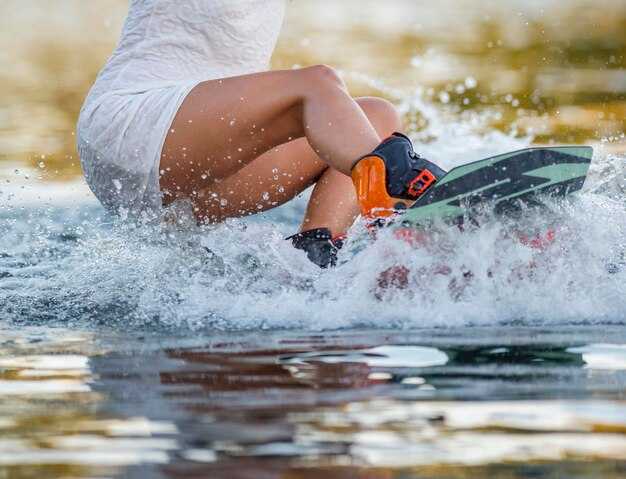
Begin with a twin-tip board, 135–139 cm, weight range 60–95 kg. This sizing yields balanced handling, easier carving, and steadier starts. Heavier riders step up 2–4 cm; becoming a confident rider and boarder begins with correct sizing, round edges, and a forgiving deck. A rockered profile in the mid range helps water starts and jumps, and feels great when you throw into the wake. Although progress is gradual, the right board speeds learning.
- Board shape: twin-tip with round nose and tail supports most styles and reduces catching during early carves, while keeping balance where you need it most.
- Sizing guidance: use weight-based sizing, not height; most riders fit 135–139 cm; adjust by 2–4 cm if you’re toward the upper or lower end of the range.
- Bindings and setup: bindings suited to boot size, with direct mounting to minimize deck play; choose softer bindings for ease of entry and less ankle wear.
- Stance considerations: start with a neutral stance, then fine-tune toe-in (0–15 degrees) and width (18–22 inches) to match comfort and carving feel.
Maintenance routine protects this investment. After sessions on water, rinse the board with fresh water and dry completely. Remove bindings if storing long term to avoid compression and strap wear; re-torque binding screws after initial rides and at the start of each season. Inspect edges and fins for chips or cracks; replace damaged parts before riding again. Store away from direct sun in a cool, ventilated area; keep in a padded bag to prevent dings.
- Cleaning schedule: rinse after salt water or chlorinated water, then dry; avoid leaving damp in storage.
- Hardware check: tighten binding screws to factory torque; replace stripped screws.
- Edge care: inspect bevels and fins; file or replace if chipped.
- Storage conditions: keep out of sun, lay flat or store upright in a supported rack.
- Stance setup: width 18–22 inches; toe-in degrees 0–15; hips aligned with the wake to improve balance during turns.
- Carve technique: start with a light edge, then deepen to carry speed into the wake; rotate hips and shoulders together to direct the board and carve into the wake.
- Jump readiness: gain balance on straight runs, then add a controlled jump into the wake; maintain soft knees and a smooth throw to land softly on the balls of feet.
- Styles and progression: most progress comes from practicing forward momentum across different environments; adapt stance to park, cable, or lake riding as needed.
Buyers should check warranty coverage, service access, and parts availability. Look for signals of a solid choice: consistent support, clear specs on sizing and rocker, and a history of reliable replacement parts. If a board feels undersized, overly stiff, or lacks confidence under your weight, switch to a setup suited to your skill level, water conditions, and growth trajectory. Wakeboarding is towed behind a boat, so coordinate signals with the operator; with the right combination, you’ll reach great balance and confidence quickly.
Define riding style and rider metrics to select board length
Picking right length begins with precise view of riding style and rider metrics available. Beginner learning riders gain extra stability, while riders becoming more confident seek different lengths. Thing here is balancing main stability with control.
- Weight and height: map to length ranges. 125–131 cm (<60 kg); 130–136 cm (60–75 kg); 134–140 cm (75–90 kg); 139–145 cm (90+ kg). Heights above 188 cm tend toward upper end of bands.
- Skill level: beginner and learning benefit from longer length, which increases stability; as you become comfortable, pick shorter within the band to gain quicker edge control.
- Riding style and environment: cruising in shallow water with angled stance benefits from longer length offering main stability; jumps and tricks demand shorter length within band to increase rotations. Boards featuring soft edges plus stiffness ratings align with rider preference.
- Starts and height: longer length increases surface area, aiding starts; break height underfoot matters in shallow water, making length a key stability factor.
- Available options and ratings: review models offering different stiffness and rocker shapes within your weight band; pay attention to ratings indicating forgiveness and durability.
- Ideal and specific guidance: if you sit between bands, choose the longer end to maintain learning continuity; although quick starts appeal, main priority remains balance and control.
- Progression path: as rider becomes more comfortable, shift toward shorter within band to improve control and transitions; really helps edging precision.
- Rider stance and sit alignment: preferred stance width influences length. A longer board sits securely under a wide stance; a shorter board sits higher under a narrow stance.
Choose rocker profile and deck shape to match your goals
Pick a three-stage rocker to maximize jumps and keep landings soft during learning new tricks. That setup delivers stronger control through turns, and these features translate into steadier passes through water. There are price ranges to compare, and this selection can give lasting reliability behind your boat.
Typically, degrees matter: a low-degree rocker planes quickly and maintains speed, while higher degrees push more lift, supporting bigger jumps. If learning edge control, pick a softer deck with forgiving edges; arms stay relaxed, and you retain balance through turns.
Deck shape parity: combined features such as rounded tips and softer rails increase stability behind the boat, especially when you keep arms close and wrists loose. In setups with a tower, stable rods help maintain line through turns, boosting overall control.
Chart your priorities: control, speed, pop, and learning curve; there are many rockers and deck shapes to compare, so picking a model becomes practical. Consider price, weight, and how these rockers perform through chop; a soft deck typically weighs less and costs less than stiff wood composites, yet many combined options deliver durable life.
Story from riders shows how a soft deck with a moderate three-stage rocker suits beginners, while stiffer combinations deliver speed at the expense of balance; once you know your goals, you can pick between models that fit your skill path.
Bindings: boot size, binding type, stance width and setback
Veľkosť topánky musí zodpovedať vašej nohe; pevne zapnite zapínanie, aby ste zaistili aretáciu päty, a ponechajte 1–2 mm priestoru na prednej časti chodidla, keď je zapnuté. Toto nastavenie udržuje wakeboardistov stabilných pri štarte a na zemi a zabraňuje zmenám počas jazdy.
Typy viazania zahŕňajú varianty s uzavretou špičkou, otvorenou špičkou a hybridné dizajny. Viazenia s uzavretou špičkou zabezpečujú konzistentnú kontrolu počas rozbehu, s funkciami ako bezpečné remienky na členky; viazania s otvorenou špičkou ponúkajú priestor na rast pre mladých jazdcov, s nastaviteľným šnúrovaním, ktoré sa prispôsobí rôznym šírkam. Takéto dizajny založené na tvare nohy poskytujú jazdcom presné prispôsobenie a pocit.
Šírka postojov ovplyvňuje rovnováhu počas rozsahu pohybu. Praktický rozsah je 18–22 palcov (46–56 cm) pre väčšinu jazdcov; vyšší športovci sa môžu posunúť k 23–24 palcom (58–61 cm). Začnite pri šírke ramien, testujte v 1 cm prírastkoch. Širší postoj znamená väčšiu stabilitu počas ťahov a pohybu zo strany na okraj; užší postoj zlepšuje kontrolu hrany pri skokoch a jazde po pokojnej vode.
Setback znamená spojovacie miesto za stredovú čiara. Neutrálna pozícia je na 0 palcov; posunutie o 1–2 palce smerom k chvostu posúva váhu smerom k zadnej nohe, čo ovplyvňuje, kde pristaneš a ako zvládneš prechody hrany na boku. Táto rovnováha pripomína dve kolesá pod zaťažením, ktoré udržiavajú stabilitu počas zákrut.
Premyšľanie zahŕňa váhu, výšku a zručnosť; musíte prispôsobiť výstroj svojmu štýlu jazdy, či už prenasledujete skoky, jazdy alebo rýchle rozbehy. Zahrnuje to signály z tela a výstroja: skontrolujte utiahnutie topánky, napätie viazania a pohodlie postoja po každej jazde. Udržiavanie poznámok pomáha; niektorí wakeboardisti upravujú veľkosť topánky, typ viazania, posun dozadu a šírku postoja, aby zodpovedali ich oblasti pohybu, ako športový systém založený na zabezpečení kontroly počas rozbehov a pristávacích manévrov.
Materiály a hardvér dosky: typ jadra, plutvy, hrany a odolnosť.
Vyberte drevenú jadrovú dosku s kompozitom s vysokou hustotou a zosilneným spodkom; táto voľba zvyšuje konzistenciu rozloženia hmotnosti, zlepšuje stabilitu pri pristávaní a ponúka dlhodobú trvanlivosť. Hoci je ťažšia, drevené jadro poskytuje spoľahlivý pocit a odolnosť pri namáhaní. Geometria Vertex v kombinácii s hustou vonkajšou vrstvou zvyšuje trvanlivosť a pomáha s komunikáciou medzi vstupmi jazdca a odpoveďou dosky.
Typy výpletov ovplyvňujú jazdné pocity: tento druh informácií pomáha jazdcom vybrať si; drevené výplety ponúkajú predný pop a tuhosť; pena znižuje váhu, ale opotrebováva sa rýchlejšie; niektoré hybridy kombinujú drevenú dosku s penou, aby vyvážili váhu, bezpečnosť a trvanlivosť. Veľkosť by mala zodpovedať hmotnosti a štýlu jazdy; väčšie dosky stabilizujú, zatiaľ čo menšie reagujú rýchlejšie. Výber dreva nie je povinný; pena má svoje miesto a preto existujú hybridné možnosti.
Odnímateľné plutvy sa upevňujú jednoduchým hardvérom, čo umožňuje rýchle doladenie medzi jednotlivými sessionami. Máte možnosti nastaviť priľnavosť alebo voľnosť v závislosti od vodných podmienok. Dizajn hrany je dôležitý: rovné hrany poskytujú predný záber a rýchle nastavenie hrany; zaoblené hrany zmäkkujú kontakt pri dopadoch; fazety môžu zvýšiť bezpečnosť a skorý uvoľnenie. Výrezový kontúr pozdĺž strednej časti a spodné kanály zlepšujú stabilitu počas jazdy a znižujú nežiaduce zachytenie na vodnom povrchu. Keď je hardvér pevne pripevnený a prispôsobený šírke dosky, bezpečnosť sa zvyšuje a údržba sa dokončí minimálnym úsilím.
| Jadrový typ | Pros | Cons |
|---|---|---|
| Wood | odolné, silný prenos energie, predvídateľná reakcia | ťažší, vyššie náklady |
| Foam | ľahký, nízka cena, ľahké tvarovanie | nižšia odolnosť, rýchlejšie opotrebovanie |
| Hybrid | vyvážená váha, pevný pocit, dobrá odolnosť | vyššia cena, zložitejšia konštrukcia |
Starostlivosť po jazde a skladovanie: opláchnutie, vysušenie, kontrola a ochrana
Opláchnite wakeboardy čerstvou vodou do 15 minút po každej plavbe, aby ste odstránili soľ, piesok a chlór. Držte dosku v strede, opierajte nos a chvost a striekajte jemným prúdom, ktorý umožní voľný odtok zvyškových kvapôčok pred sušením.
Dôkladne vysušte mikrovláknovou utierkou, potom nechajte vo vzdušnom a tienistom mieste uschnúť na vzduchu. Uistite sa, že väzby a výplne sú úplne suché; nevyhadzujte vlhké remienky alebo podšívku, pretože pri celoročnom používaní sa môže tvoriť pleseň. Tieto kroky pomáhajú začiatočníkom udržiavať konzistentný jazdu a znižovať stratu priľnavosti, keď sa rýchlosť líši počas skokanských sekvencií.
Skontrolujte bežné problémy: oškrabance na hranách, praskliny v dekingu, mäkké miesta v blízkosti vložiek alebo príznaky delaminácie okolo railov. Vykonajte rýchlu sériu kontrol podlažnej hrany pre opotrebovanie; uistite sa, že skrutky a spojovací materiál sú bezpečné; vymeňte chýbajúce alebo poškodené upevňovacie prvky. Vykonajte rýchlu kontrolu klznúceho povrchu tým, že položíte prst po railu, aby ste zistili akýkoľvek dutý pocit indikujúci poškodenie jadra. Ak výsledky indikujú poškodenie, nejazdite na doske; dohodnite si odborné posúdenie na určenie potreby opravy.
Ochranné a uskladňovacie pokyny: opláchnite a vysušte, potom umiestnite wakeboardy na chladné, suché miesto mimo priameho slnečného žiarenia. Na ochranu pred prachom a odreninami použite vypchatú tašku alebo kryt; umiestnite ich na stojan alebo podstavu, aby váha netlačila na jedno miesto. Udržiavajte stabilnú teplotu v miestnosti; vyhýbajte sa extrémnemu teplu alebo chladu, ktoré môžu ovplyvniť živicu a tvary. Zkušený jazdci, ako aj začiatočníči, profitujú z týchto opatrení na udržanie rýchlosti, klzania a priľnavosti dosky v nasledujúcej sezóne. Pri umiestňovaní na seba majte dosky oddelené jemnými rozstupníkmi, aby sa predišlo spätnému kontaktu; ak používate viac dosiek, rotujte pozície tak, aby zaoblené nosy alebo chvosty dlhodobo netlačili na seba.