


 Slovenčina
  English (UK)
  Русский
  العربية
  日本語
日本語  한국어
한국어  Magyar
  Türkçe
  Español
  Čeština
  Svenska
  Português
  Ελληνικά
  Suomi
Suomi  Nederlands
  Română
  Italiano
  Français
  Polski
  Українська
  Deutsch
  简体中文
简体中文 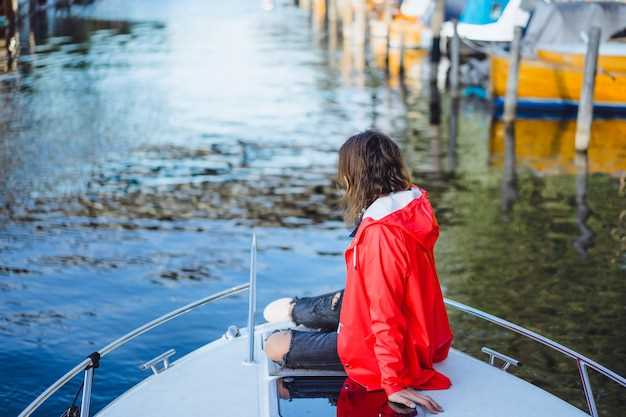 10 Zábavných Vecí, Ktoré Môžete Robiť Na Lodi – Aktivity a Tipy">

Začnite s jedným receptom: štyri 15-minútové sedenia na palube za hodinu od východu do západu slnka; striedajte práce; užívajte si krátke prestávky, občerstvenie, výhľady.
zamračená obloha presúva priority smerom k hmatovému učeniu základné uzly, kontrola počasia, jednoduché mapy, bezpečný pohyb po palube na pokojnejšie hodiny.
Na víkend na Gotlande, skús a unikátny mix: palubné hry, základy uzlov, jednoduché čítanie máp; pobrežná hra na hľadanie predmetov, ktorá učí bezpečnosť najmenších, zvyšuje morálku spoločnosti, zahŕňa rýchlu rotáciu úloh.
Doma, ste pripravení na rozsiahlejšiu plavbu; môžete naučiť základný rytmus, zbierajú sa spomienky na celý život; spolu je to lepšie. Posádka skúša tímoteamwork, zdieľanie zručností, môžete sa navzájom učiť; atmosféra je úžasná, jedinečná, ktorá zaručene posilní súdržnosť počas budúcich ciest. Z paluby sa stáva učebňa, praktická, pokojná, aj počas zamračených rán.
Dobrodružstvá na palube: Praktické aktivity a návody
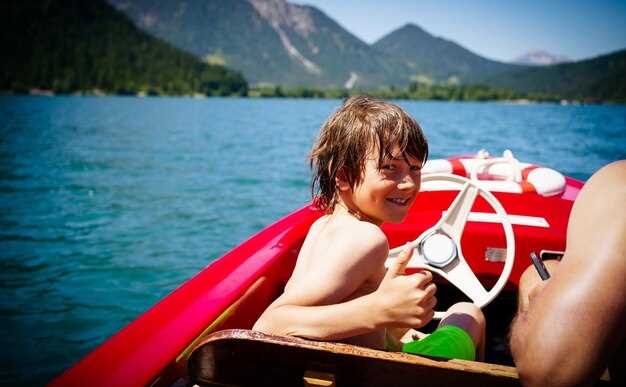
Pripevnite vyhradené ťažné lano k bezpečnému zadnému posedeniu, dĺžka 60–70 stôp pre wakeboardové jazdy; 40–50 stôp funguje pre tubing s deťmi. Uistite sa, že každý jazdec má správne nasadenú PFD; umiestnite pozorovateľa na prove, aby sledoval každú stranu a udržiaval jasnú komunikáciu. Náhradná ťažná svorka urýchli nastavenie, ste pripravení vyraziť.
- Wakeboard progres – Skontrolujte dĺžku lana (18–21 m), viazanie a postoj. Začnite pri 29–40 km/h, aby ste si osvojili kontrolu; pri zlepšovaní zručností prejdite na 35–45 km/h. Majte pokrčené kolená, hrudník hore, oči vpred a váhu vycentrovanú nad doskou. Precvičujte si hranenie na vykrojenie vlny a potom sa zotavte kontrolovaným pádom. Udržujte pozíciu vo vyhradenej dráhe a používajte ručné signály s pozorovateľom. Vďaka týmto krokom sú výlety čoraz vzrušujúcejšie a pomáhajú vám stať sa stabilnejším jazdcom, čím sa vytvárajú celoživotné spomienky.
- Technika tubingu – Vyberte si okrúhly alebo dvojitý plavák. Pre deti použite 12–15 m; pre dospelých 15–18 m. Plyn pridávajte jemne, snažte sa dosiahnuť 19–29 km/h; jazdci by mali držať rukoväte oboma rukami a sedieť s mierne pokrčenými kolenami. Udržujte ploché, stabilné telo, aby ste znížili riziko prevrátenia a udržiavajte bezpečnú vzdialenosť od ostatných plavidiel. V slanej vode sledujte prúdy a vyhýbajte sa skalnatým oblastiam; pred každou jazdou skontrolujte integritu lana a svoriek. Toto nastavenie zostáva plynulé a príjemné pri každej jazde.
- Sólo jazdy – Pri jazde osamote si vyberte dlhšie lano (18–21 m), aby ste vytvorili väčšiu vlnu. Zostaňte v dohľade pozorovateľa, používajte jasné signály rukami a vyberajte si pokojné, chránené miesta s rovnou vodou. Udržujte polohu plavidla blízko zadnej časti a dávajte pozor na iné plavidlá. Učíte sa samostatne zvládať rovnováhu a kontrolu, čo zvyšuje sebavedomie na každej plavbe.
- Detská zóna Family – Navrhnite bezpečnú oblasť na učenie blízko prove alebo na chránenej strane s plytkou vodou. Poverte vyhradeného pozorovateľa, obmedzte jazdy na krátke intervaly a ponúkajte časté prestávky na hydratáciu. Poskytnite jednoduché aktivity vhodné pre deti, ako sú riadené pádlovania alebo plávanie v plytkej vode pod dohľadom. Príjemné, pokojné sedenia znižujú stres a vytvárajú pozitívne spomienky pre celú posádku.
- Destinácie a trasy – Zmapujte si jednoduché výlety do chránených zátok a pekných kotvísk pozdĺž pobrežia slanej vody. Skontrolujte prílivové prúdy, predpovede vetra a hĺbku vody v každej lokalite. Naplánujte si alternatívne možnosti pre prípad zmeny vetra. Plavby existujú pozdĺž mnohých pobreží; môžete sa plaviť do viacerých destinácií za jediný deň alebo rozložiť výlety na niekoľko dní, rozšíriť svoj repertoár a udržať harmonogram svieži.
- Starostlivosť a bezpečnosť v slanej vode – Po použití opláchnite wakeboardy, spoje hadíc a kovania. Dôkladne ich osušte, skontrolujte spoje, či nie sú skorodované, a uskladnite ich na suchom mieste. Noste so sebou náhradné diely, svorky a sťahovacie pásky na rýchle opravy na mieste. Pravidelné kontroly pomáhajú predĺžiť životnosť výstroja a udržať ho pripevnený k plavidlu, keď je to najviac potrebné.
- Zábava medzi jazdami – V pokojných kotvách premietnite krátky film v kajute alebo na prenosnom plátne. Hlasitosť udržujte primeranú pre susedov a uistite sa, že sedenie je bezpečné. Relaxačné posedenie medzi výletmi dodáva peknú rovnováhu vysokoenergetickým rutinám a pomáha posádke dobiť energiu.
- Občerstvenie a moderovanie – Udržiavajte hydratačnú stanicu s vodou, džúsmi v krabiciach a elektrolytovými nápojmi. Ak je to povolené, chladené pivo vo vyhradenej časti je v poriadku, keď je plavidlo zakotvené a nikto neobsluhuje plavidlo pod vplyvom. Zdôraznite zodpovedné rozhodnutia a rehydratáciu, aby ste zostali svieži na ďalšiu etapu vašej plavby.
Vďaka týmto štruktúrovaným cyklom plavby máte možnosť s istotou preskúmavať destinácie. Každá plavba predstavuje šancu zdokonaliť techniku, užiť si scenérie slanej vody a vytvoriť si celoživotné spomienky, ktoré pochádzajú zo spoločných, praktických dobrodružstiev na vode.
Bezpečné spustenie kajaku z lode: Výbava, priestor a komunikácia
Plán spustenia pre plavby: udržujte 2 m kruh okolo zadnej časti voľný; položte polstrovanú podložku; uviažte 6 stôp dlhé lano o úväzník; určte hostiteľa; spúšťajte kajak pomaly pomocou jedného plynulého ťahu.
Gear checklist
| Položka | Purpose | Poznámky |
|---|---|---|
| PFD | Záchranná vesta | Noste počas manipulácie v blízkosti vody |
| Paddle | Propulsion | Jeden na osobu; majte na dosah |
| Hádzacia šnúra / suchý vak | Záchranná pomoc; ochrana cenností | Zabezpečené na palube |
| Dry bag | Keep valuables dry | Vodoodolné; obsah uvedený |
| Whistle | Signaling | Attach to PFD |
| Maska | Ochrana tváre | Udržiavajte ľahkú dostupnosť |
| Kajakové vodítko | Predchádzanie driftu | Pripevnite blízko k zadnej časti |
| First aid kit | Reakcia na zranenie | Základné potreby; vodeodolné puzdro |
| Vodotesné puzdro na telefón | Komunikácia | Nabite pred spustením |
| stolička / kľakadlo | Komfort v štýle "prep" | Foldable option; place near host |
Stability aid: snowboard can serve as low-profile deck surface; position near stern; improves balance during prep
Space planning: maintain 2 m clearance around the stern; move bags to aft compartments; bring bags away from the launch path; place a padded mat under the launch zone; position a foldable chair for the host; keep yourself balanced during lowering; maintain steady stance; ensure deck remains stable; restrict crowding; time the sequence with a calm, controlled lift.
Communication protocol: assign host; appoint speaker; run a quick PPE check; predefine signals: two taps on hull = hold; long horn = proceed; youve got to maintain eye contact; when weather shifts, pause; use whistle as backup; if hesitation arises, stop; recheck rigging; during launch, keep crew in line; after contact with kayak, move together; reading wind patterns; For yachting routines, maintain standard signals; track number of steps; refer to the boat manual for step sequence; track number of steps; time actions to minimize deck load; Adrenaline spike control: pause; breathe; when a complication comes, pause; assess; Once aboard, monitor wind; prefer measured motions; ideas for staying calm include breathing; practice plan on dock prior to trip; Together with the crew, maintain calm.
Deckside Fishing for Beginners: Setup, Tackle, and Regulations
Attach onto a rail a compact fly-fishing setup; keep line tight, leader short, and rod secured. This setup doesnt require heavy gear and lets you remain calm while delivering adrenaline, which might be your favorite routine on offshore vessels. However, stay mindful of other water users and conditions at hand.
- Setup essentials: a 7-9 ft fly rod, 4-6 wt, a light reel, and a rail-mounted holder attached to the back or gunnel. Lets you stay in control and makes every cast predictable.
- Line, leader, and tippet: floating line, 9-12 ft leader, 12-20 lb backing; 2-4 lb tippet for delicate patterns; sizes should match the target species and water clarity, including offshore depths.
- Fly-fishing list: carry a focused selection including shrimp patterns, baitfish patterns, and clouser-minnow variants; sizes from #4 to #10 cover most deckside needs, having minute color tweaks for different water tones.
- Mounting and security: use a strap or clamp to keep the rod steady; towable platforms or small tenders nearby require extra restraint to avoid tangles or backlashes.
- Technique on deck: think about wind direction, keep line off the deck, and practice single-cylinder casts; this approach minimizes crowding and raises success rate, even when adrenaline is high.
Regulations and compliance: know local rules before casting, including licensing, zones, and gear restrictions. This section covers the basics every deck angler should confirm with the crew or local authorities.
- Licensing and permits: obtain the appropriate saltwater or freshwater license for your location, and verify whether the vessel requires additional permissions for deck fishing.
- Targets and sizes: sizes and bag limits apply; offshore targets may differ from nearshore species, so check current charts and local fishery notices (F notices) before each trip.
- Gear rules: some areas require barbless hooks or single hooks; fly patterns and leader lengths may have limits–confirm on board or with the port authority.
- Safety and etiquette: wear PFDs, keep lines clear of passengers, and respect propellers and roaming watersports activity; maintain a safe distance from crew operations and other vessels.
- Location and timing: certain decks restrict fishing in designated zones or during specific hours; there there is often a marked fishing area on the vessel, so stay within it.
Water Play for All Ages: Games, Floatation Devices, and Safety Tips
Fit everyone with a Coast Guard–approved PFD before departure, then perform a quick float test in shallow water to verify snug straps and buoyancy for yourself and everyone nearby.
Choose inclusive, deck-friendly play options that require minimal gear: floating ring toss using a buoy ring and pool noodles, a lightweight water basketball setup, and a treasure hunt with waterproof markers. Keep distance between participants to prevent collisions, rotate turns so everyone has a moment to shine; this might reduce crowding, and allow everyone to participate together to meet what everyone wants.
Offer a range of flotation devices: towable tubes in two sizes, age-appropriate life vests, kneeling boards, and foam kickboards. Store gear in a dry bag near the stern to keep items dry and easy to grab, helping every person stay comfortable during a long weekending.
Safety measures: tether loose items to the railing, tying knots to secure lines, designate a shaded rest area, and place a beverage within reach. Important: this isn’t the usual routine; stay vigilant in sunshine, hydrate often, and supervise every child. When retrieving gear, step back from the rail.
Older participants might enjoy a quiet corner for fly-fishing from a stable platform when anchored; bring a compact rod, a hat for sun protection, and a small tackle box, enjoying exploring views of the horizon.
Weekending gatherings can include a barbeque on deck with a dedicated grill zone away from splash zones; provide portable shade, a single beverage station, and separate cups for hydration; schedule rotating roles so the crew sails together. This setup offers best and unique ways to keep everyone engaged.
Other practical steps: confirm weather and wind, recheck life-jacket fit after a short ride, keep a throw rope in a reachable pocket, and rehearse a simple rescue sequence; this keeps everyone prepared and highlights different ways to stay safe.
Onboard Cooking Hacks: Quick Meals, Snacks, and Easy Cleanup
youll want to start with a 15-minute meal plan for each leg, pre-portion ingredients, and store them in a small cooler on the deck to catch the sunshine.
Use a compact, single-burner stove secured to a non-slip surface; preheat about 2 minutes, then seal meals in foil packets or cook in a pan with a lid for less mess.
Quick meals: foil packets with cod or tilapia, cherry tomatoes, lemon, olive oil, and herbs; add instant couscous with boiling water for a 10-minute main.
Snacks and small bites: trail mix, apple slices, cheese sticks, yogurt tubes, crackers; keep everything in waterproof bags within arm’s reach during sunny stretches on the waters, and drop a small ice ball into drinks for refreshment.
Cleanup workflow: wipe surfaces with a damp cloth, rinse utensils in a portable tub of water, then use a two-bucket system–soapy wash and clear rinse–to keep the deck less slippery; a tubing kit helps with ice-water transfers.
Gear list: small cutting board, knife with sheath, spatula, tongs, and sealable containers for leftovers; pack a mask and snorkel in a dry bag so they stay clean after exploring underwater, dont forget to dry gear before stowing.
For ambiance and safety, bring a compact speaker for your music, choose a scenic corner on deck, and keep sessions short to avoid fatigue; during exploring, swap into a light suit for sun protection.
Evening routine: pack leftovers in airtight containers, label the ones with dates, and store in shade or cooler; reading recipe notes by dim light helps keep portions accurate when the deck rocks.
Trip readiness: pick quick sauces or dressings that stay stable in heat, and dont forget to practice tying secure knots for gear during trips; keep a guide nearby to read instructions if you need to adjust on the move.
Sunrise to Sunset: Photo Spots, Relaxation, and Lighting Tips
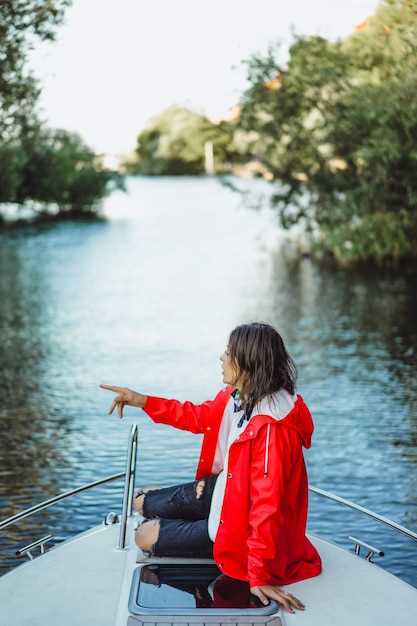
Set the bow rail as the sunrise photo point; arrive 30 minutes before first light to catch the blue hour. Use exposure compensation to preserve sky color; lower ISO for clean texture on calm water. This moment creates a lifetime memory for crew, guests; this simple setup can teach one where light arrives.
Open deck provides multiple compositions: horizon from stern for silhouettes; beams of light on rigging offer contrast; flybridge yields panoramic shots of destinations during the tour; exploring different types of shots becomes easy when bringing a zoom lens.
Evening lighting strategy: set white balance to 3200 K for dusk; shift to 4000–4500 K as lamps glow; listen to the waves, a calm cadence guiding each frame.
Night photography: keep horizon level, shoot RAW, bracket exposure; which settings yield best mood depends on moon phase, city glow; sea conditions.
Lay a sleeping mat on open deck; listen to waves; enjoy a calm breeze; tying small lines for safety; bringing a ball for a light toss; galley can run a cooking demo to amuse guests; a compact projector shows a movie for a cozy vibe; lifetime memories form from such simple rituals.
Exploring different routes: whether mellow day cruise or bold night tour, each destination offers a distinct mood; bringing spare battery, weatherproof jacket expands options; wakeboarding opportunities arise when water conditions permit, which suits active ones aboard.