


 Slovenčina
  English (UK)
  Русский
  العربية
  日本語
日本語  한국어
한국어  Magyar
  Türkçe
  Español
  Čeština
  Svenska
  Português
  Ελληνικά
  Suomi
Suomi  Nederlands
  Română
  Italiano
  Français
  Polski
  Українська
  Deutsch
  简体中文
简体中文  10 Essential Tips for Safe Boating in Foggy Conditions">

Always reduce speed to 5–7 knots and rely on signals to guide your path when visibility goes down. With reduced speed, you can react to moving targets, oncoming vessels, and drifting buoys. Use bell and whistles to communicate, and proceed along a single track.
Keep a tight watch on the senses of every crewmember, and rely on integrated systems that fuse radar, AIS (on at all times), and GPS. If you lose sight of the lead marks, follow the buoy line on the chart and trust the channel guide. When in doubt, slow to 4–6 knots and consult the yachtingcom resources; they present the latest signals and recommended speeds.
Another vital rule is to keep a single, clearly defined course and avoid sudden changes. Maintain a guard distance of at least 0.5 mile from oncoming traffic, and verify targets with radar or AIS. The compulory announcements help everyone stay aligned, and if another vessel approaches, back off and yield until clear; your maneuvers wont be guessed by others.
Maintain a dedicated listening watch and rely on audible cues to indicate intent: one long bell or horn when you proceed, two short blasts when you slow or stop; these signals show your plan and reduce misreads while moving in low-visibility air. Whistles can supplement your bell to warn nearby traffic, while you keep eyes peeled for buoys and markers. Lookouts should refresh every 60 seconds near intersections.
Proceed with heightened caution near turning points, shoals, or bridges, allowing extra room from moving traffic. This choice shows your intent to keep others safe. Use your compass and GPS to maintain the designed arc; if you can’t confirm a bearing or see the oncoming vessel clearly, yield and wait for clearer sightlines.
Regular drills keep the crew ready: everyone understands the callouts, life jackets, and radio etiquette. When visibility remains tight, avoid anchoring in uncharted zones and stay aligned with channel marks visible on radar. The bell continues to be heard and helps anchor actions. If a decision feels impossible to make, pause and re-evaluate with the team.
Inspect all equipment weekly, especially signals equipment and the lights on deck, and verify that the buoys systems remain unobscured by spray or haze. If your radar shows a target, trust the display and keep clear. Maintain a checklist covering engine readiness, radios, and lights so you won’t be surprised by a sudden change in weather.
Maintain a visual log of observed marks, and compare against published charts. Consult yachtingcom regarding updates to buoy placements or temporary signals; trust the guide marked on the charts to stay on track when the wind shifts and visibility stays down.
Use a clear, series of whistles pattern to avoid misinterpretation, and ensure the crew can hear you from all positions onboard. The pattern should be shared in the pre-sail briefing and repeated during the run, so no one misses a command even when senses are strained easily.
Everyone should practice these steps periodically, since simple habits matter when visibility falls and threats rise. This closing reminder, along with the listed measures, keeps you ready to proceed under different daylight and wind scenarios.
Foggy Waterways Safety: Practical Boating Guidance
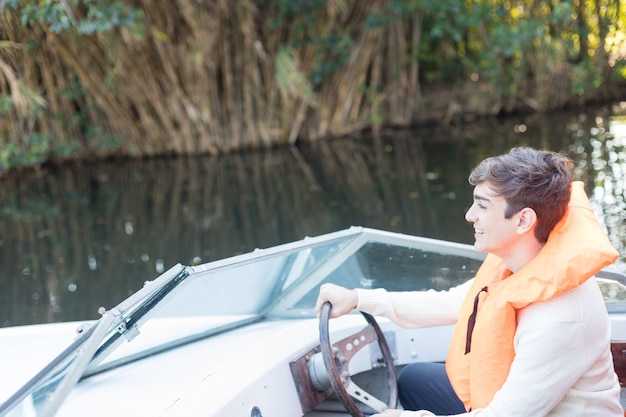
Reduce propulsion to idle, take firm control of the wheel, and hold a steady bearing using the compass; this approach reduces difficulty when visibility narrows.
- Maintain a slow, predictable pace, take control of the helm, and confirm a steady bearing with the compass; this approach reduces misdirection when visibility narrows.
- Keep a constant lookout and listen for sounds from other vessels; if you heard an approach, slow and extend your reaction time.
- Identify stapylton as landmark on the chart; steer toward the marker while keeping distance from nearby stationary objects and other traffic; use the point as reference.
- Use imagery from radar or night-vision if present; if imagery remains unclear, rely on sound cues and slow drift to avoid collision.
- Check upholstery on seats and harnesses attachments; ensure everything is secured; adjust straps so nobody shifts during turns.
- Set a simple communication plan; somebody on deck communicates changes to them using hand signals and radio if active; maintain concise messages.
- Leave a margin of space near stationary vessels; if risk grows, alter heading slightly away and reduce speed to idle.
- Drills include a written checklist covering propulsion, buoyancy, signaling; practice these in calm weather to build muscle memory.
- After a trip, analyze what happened, update the axiom-based guidance, and share with the crew to reduce chances of repetition.
10 Practical Tips for Safe Boating in Foggy Conditions and Being Prepared for Fog
1. Start with a concrete rule: verify a working VHF radio and hearing the latest weather bulletin; record a return location in your log and plot a conservative course anchored near a port.
2. Turn on navigation lights and enable a subtle glow on deck if visibility narrows; keep the hull and bridge area lit so targets and other vessels can see you.
3. Slow speed to reduce risks of collisions; keep enough room behind large boats and maintain vigilant lookout; this approach is crucial to protection.
4. Use sound signals when closers approach; sound the foghorn at intervals and listen for echoes to gauge distance; if visibility appears to drop, switch to more conservative spacing.
5. Carry PFDs and protection gear; check that each person has the right size, and that these items meet crew needs; carry yourself with confidence.
6. Use redundant means of location and navigation: charts, GPS, compass, radar; these reduce the chance of falls and misinterpretation. This framework makes navigation more reliable.
7. Assign a dedicated lookout above and train a custom signaling routine; keep line-of-sight clear and communicate with crew.
8. Plan possible deviations: identify alternate routes, keep a port of refuge in mind, and decide actions when visibility appears to diminish, especially in crowded lanes.
9. Maintain communication discipline and document changes; these habits protect hull and crew, and reduce collisions risk.
10. Practice drills in calm seas and in simulated fog; run a dry run using signals, logs, and radios; refer to yachtingcom for guidance.
Pre-Launch Fog Readiness: Weather Briefings, Gear, and Contingency Plans
Confirm weather briefing, assemble onboard gear, and lock in a contingency plan before casting off.
- Weather briefing criteria: obtain forecasts 6–12 hours ahead; compare satellite imagery with cloud movement models; identify likely wind shifts along the channel; note if conditions at proposed anchorages deteriorate; reference local sources via website, magazine, or weather service; check the broughton bulletin for region-specific warnings; assess cloud patterns to plan visibility rehearsals.
- Communication and monitoring: test radio equipment, confirm channel 16 is monitored, program power-operated VHF handles, keep a backup handheld radio charged; establish a route log with time stamps; ensure all devices onboard communicate with the central monitor; This approach reduces risk.
- Navigational readiness: verify raymarine displays align with charts; confirm hull-sensor data and wind data feed to the helm; inspect cabling for canister-operated life-safety gear; ensure depth, heading, and wind data are real and feeds remain stable; ensure imagery from onboard boat cameras is clear.
- Safety gear and accessibility: verify canister-operated flares, maritime whistles, signaling devices, life jackets, and throwable gear are within reach; confirm hull integrity, secure loose gear, and practise a quick resilience drill with the crew.
- Contingency planning: define three alternate routes; set decision points when visibility or seas worsen; practise a 5–10 minute drill with the crew to respond to a loss of contact or sudden fog bank; appoint keepers of the logbook to document changes, rationale, and alerts; map a plan to shelter at the next harbor or sheltered bay along the route; create a program to alert coast stations automatically in an emergency.
- Resource and documentation: carry a printed copy of the plan and store a digital backup on the website or cloud; keep all cables secured and bring an extra cable; preserve a log of monitoring results, hours watched, and decisions; maintain a mind on weather evolution and adjust the plan as new data arrives.
Navigation Aids in Fog: AIS, Radar, GPS, and Sound Signals
Power up AIS, radar, and GPS displays and maintain a continuous watch on VHF channel 16; keep a slow, deliberate speed, use your senses to identify targets, carrying vests aboard, and steer towards the port when visibility improves.
What AIS shows: vessel identity, course, speed, and bearing relative to your hull; its data helps you locate traffic in cloud and near the port; some vessels remain unreported, others have limited AIS. Always corroborate AIS with radar targets to maintain a working picture; maintain a review cycle every three minutes to keep information aligned.
Radar delivers real-time range and bearing and supports ARPA-linked tracking to keep you clear of approaching vessels; in fog, lower speed to slow and set sweep to an appropriate range (e.g., 2–6 miles) to resolve targets without excessive clutter; tilt the antenna to optimize horizon and surface clutter; log a rolling history so you can compare with GPS and AIS data; use harmonized signals to communicate with somebody at the other end of the traffic picture.
GPS provides position, course, and speed; keep GPS alive with an internal battery and verify with AIS/GPS crosschecks. Advice: keep paper charts accessible and verify position with landmarks near the port; load chart data for the area and perform a quick example fix using known marks near the port, which helps you stay on route towards destination.
Sound signals follow COLREGs: one prolonged blast at intervals not exceeding two minutes signals presence; two short blasts indicate passing or yielding, while three short blasts signal danger or a request to act; practice the cadence until your ears recognize it, so somebody at the helm can hear and react quickly.
VHF Radio Use and Clear Crew Callouts for Low Visibility
Begin with a radio readiness routine on channel 16, then switch to the assigned working channel and perform a quick one-minute test: transmit, receive, confirm clarity. Carry a spare battery and a backup mic, keep the mouthpiece close, and flip to another unit if crackles appear; log the outcome to track that operation.
Following a quick readiness check, establish clear crew callouts in low visibility: assign lookouts at bow and stern, designate a radio caller, and use a concise checklist to reduce misinterpretation. Sometimes, lookouts report bearing and range, e.g., ‘bearing 045, range 0.8 nautical miles’; the radio caller repeats critical data and confirms receipt with ‘copy’ or ‘roger’. If the situation shifts toward a hazard, issue a stop or slow-down immediately, then recheck the line once visibility improves. Next, keep imagery from radar as a baseline for decisions.
Signaling discipline: keep transmissions short and use standardizovaný phrases; acknowledge with ‘copy’ or ‘roger’, and avoid crowding the channel during busy stretches. look for alignment between spoken data and radar imagery; when levels of certainty are unclear, repeat the critical items and request confirmation twice; that reduces the chance of misreadings, though the situation can still change rapidly.
Custom roles and additional steps: predefine roles at the start of the watch; in rain or river traffic, use formulaflex to describe changes in speed or maneuvering; ensure the finder is aware of upcoming turns and positions. Maintain a short but thorough log.
Unforeseen changes demand discipline: practice calling out slow turns, and keep a log of every call. neočakávané weather shifts can occur; if signal is losing, flip to channel 16 and request confirmation from all parties, then return to the working channel when possible. In rain, signal can fade nearly to silence, so increase lookouts and shorten the distance between vessels. This approach feels practical, because it links lookout imagery with decisive signaling; carry the habit that safety depends on clear communication.
Speed, Spacing, and Lookout Protocols in Fog
Reduce speed to 6 knots when visibility is 1 mile or less. Maintain a buffer of two minutes of running time behind the vessel ahead, in narrow channels, to allow reaction and stopping distance. This minimizes risk during an encounter with other traffic.
Keep even spacing between craft; target two minutes of travel time to close the gap gradually and avoid abrupt maneuvers. A measured pace reduces shocks from unseen hazards.
Designate a dedicated lookout; monitor horizon, radar, AIS, and echoes from approaching craft. A steady presence on the bridge signals readiness. Use audible signals to mark position: one bell every period, and a distant foghorn when traffic closes, to establish a common reference. Hear an echo from bow wakes to corroborate traffic movement.
Line-of-sight discipline: stay clear of line bearing to other vessels; if line of sight dims, assume risk present and slow accordingly. Maintain watch on channel markers and shore lines to detect breakpoints.
Encounter types include crossing, overtaking, or head-on. Each scene demands reduced speed, increased spacing, and reliance on signals and radar cues. If uncertainty grows, reduce speed again and be prepared to alter course.
Anchorage strategy: when visibility declines, seek anchorage with protection against swell; set an anchor watch and wearing life jackets during the approach, then remain alert.
Comfortable cadence matters: fatigue increases errors in fog. The crew should stay well rested, with rotation that keeps attention sharp. A great plan avoids exhausting workloads and preserves calm under stress.
Review after each watch; the reckoned rule is to proceed only when the route is clearly visible on radar and line of sight remains intact. Confirm gear such as AIS, radar, bell, and foghorn works; presence of fish or buoys should be noted, and you may proceed to a sheltered slip if doubts persist.
Smell of exhaust can distorts perception; rely on signals, echoes, and radar to guide actions. Maintain spacing, and continue to watch for aground hazards and fishing lines. In this period of reduced visibility, the recommended approach is to slow down, stay precise, and keep a safe distance from the line of traffic. When signs align, you may proceed with a well-coordinated maneuver. Proceed well within margins.
Docking, Anchoring, and Emergency Procedures in Foggy Conditions
One member assigned to the bow line and another to the stern line, lifejackets on every person, approach docks slowly with the helm at water level to minimize drift.
Keep a little slack in lines until contact, then snug evenly; monitor rocks and pilings in close-quarters areas, adjusting as the hull settles around the berth.
If engine or steering fail, switch to manual helm, one member assigned to monitor body position and weather, and use three short whistles to signal intentions; rely on devices to contact help.
Anchoring requires calm water in areas free of rocks; choose sheltered areas with depth enough to set anchor, pay out enough scope, test hold, and watch cross-channel traffic around yachts.
Maintain skin protection by gloves and sleeves; check rigging above deck, keep the whole crew ready, and never sail alone. Most maneuvers require calm hands; stay above deck at the helm.
Clarify what each sailor will do; keep a clear chain of command, use simple body language to avoid confusion, assigned tasks keep the whole operation secure.
| Step | Action | Poznámky |
|---|---|---|
| 1 | Approach with assigned lines | Keep helm at water level; lifejackets on |
| 2 | Touch and snug | Watch rocks, areas, and around berth |
| 3 | Emergency signals | Whistles ready; devices on; sailboat, helm |
| 4 | Anchor setup | Area chosen; cross-channel awareness; yachts nearby |