


 Slovenčina
  English (UK)
  Русский
  العربية
  日本語
日本語  한국어
한국어  Magyar
  Türkçe
  Español
  Čeština
  Svenska
  Português
  Ελληνικά
  Suomi
Suomi  Nederlands
  Română
  Italiano
  Français
  Polski
  Українська
  Deutsch
  简体中文
简体中文 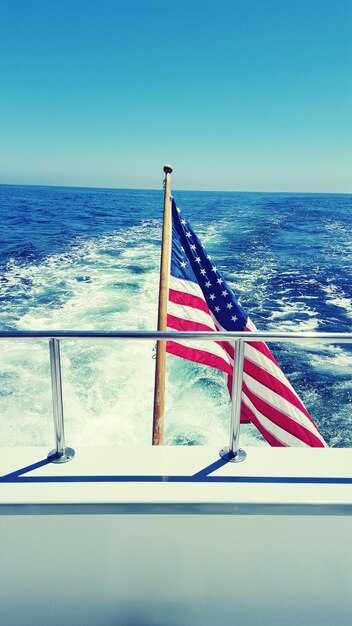 10 tipov pre bezpečnosť na vodách na Šťastné 4. júla">

Always wear a life jacket as you depart the dock. That simple move anchors everything you do that day and builds the foundation for a safe celebration on the water. Keep weight and balance in mind; even a gust can shift your course, so stay aware and move with the wind.
Before leaving the dock, confirm gear: a life jacket on each person; a throwable device secured; a charged radio; and lights that work. Weight distribution matters; keep heavier items low and toward the center along the hull. Salt spray can corrode contacts, so rinse and dry connectors after use and store them away from electronics. If your outing runs into night hours, youll rely on properly powered lights and a visible profile. Take a moment to inspect yourself and the crew for any snag or loose strap.
Education resources and courses cover man-overboard drills, navigation basics, and weather interpretation. Review a recent report on near-misses and practice accordingly. Rehearse recovery with a teammate in calm water; if someone goes overboard, shout the call and respond quickly with a ladder or floating device. weve learned that quick practice builds muscle memory and reduces risk.
During Independence Day celebrations, the scene on the water grows busier; youll need to stay aware of wind, currents, and the boats along their routes. Keep a safe distance, slow your speed in high-traffic zones, and avoid alcohol or distractions that dull judgment. If the crowd swells, be careful around swimmers and personal watercraft, along the shoreline and near docks.
Maintain a simple pre- and post-trip routine across days; keep a log so you can track changes and improvements. weve found that consistent checks and clear communication keep everyone safe. When you return, youll share what you learned with your crew, noting any equipment that needs service and planning education opportunities to raise the next outing.
Safety Briefing for Everyone Onboard: Key Guidelines
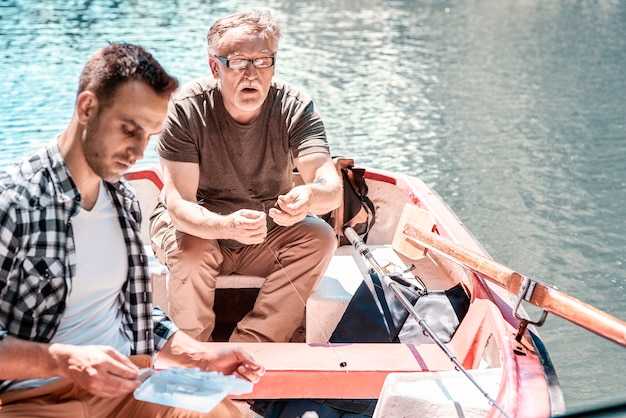
Wear a PFD immediately and keep it on while underway or near crowds. At first departure, confirm everyone is accounted by a headcount, then recheck after each leg. Maintain a registered guest list and designate a call-out person to alert if someone is missing or conditions shift. If you would challenge readiness, youve a quick call to the skipper for clarification.
- Predeparture checks: ensure every passenger has a properly sized PFD; confirm at least one auxiliary device is available; verify night navigation lights if night operation is expected; have a marine radio and spare batteries accessible; keep decks clear to prevent trips.
- Lookout and communication: designate a single caller to issue commands; maintain a 360-degree watch; keep voices calm; use clear hand signals when engines are engaged; ensure access to enforcement or the commission if required.
- Collision avoidance near crowds: slow to safe speed; maintain a distance of at least three boat lengths from others; avoid abrupt maneuvers; in dark or low-light conditions, increase alertness and reduce the chance of a collision.
- Overboard response: if someone goes overboard, shout overboard and throw a float immediately; keep eyes on the person until recovery; never leave a person in water; call emergency services if needed.
- Anchoring and night operation: select anchoring sites with certain depth and bottom conditions; set anchor with ample rode and check swing radius; switch to running lights and keep a lookout; avoid anchoring in zones with crowds or heavy traffic.
- Fuel handling and power: shut power down before fueling; avoid smoking near fuel; store fuel away from heat sources; ventilate compartments; some vessels require leak checks; never top off when the tank is hot.
- Post-cruise and records: verify gear is stowed; leave dock with everyone accounted; carry registration documents; report any incident to enforcement or the commission.
Some days demand extra vigilance; if conditions change, head count and call discipline rise in importance to prevent mishaps.
Tip 1-2: Verify Boat Capacity and Ensure PFD Accessibility
Check the vessel’s capacity plate immediately; ensure each occupant has a PFD within quick reach. Each person should also have a jacket within quick reach. Fully read the phrase on the label; these limits dictate how many can ride and how much gear can float. Also clarify what counts toward limits.
In july weekends, crowds at locations along waters often exceed the most conservative estimates; observers and others nearby might overlook small gaps in gear, while anchoring and watch efforts stay inconsistent. These gaps are smaller than you think; boat-ed hulls can shift more than expected, so you wont be surprised. Each PFD should fit the body of wearer.
Jackets should float near seating areas and be accessible without crossing aisles; avoid burying them in lockers.
During fall or high wind conditions, watch line tension and speed changes; if you encounter a sudden acceleration, use the PFDs and stay anchored. youll be glad you prepared.
| Položka | Guidance | Poznámky |
|---|---|---|
| Max occupancy | Capacity plate shows most people and weight limits; stay under to prevent failure. | Visible on dash |
| PFD accessibility | Ensure each body has a jacket within reach; jackets should be USCG-approved. | Keep extra sizes available |
| Gear storage & access | Store items so float jackets stay within line of sight; avoid clutter blocking exits | these steps reduce delays |
| Observers & anchoring | Designate a line watch; verify anchoring and review locations on waters | recreational use varies |
Tip 3-4: Require and Fit Coast Guard-Approved Life Jackets for All
Coast Guard-Approved life jackets worn by everyone on board; confirm each one fits snugly, with straps tightened and no slack at the shoulders, and have them secure. Maintain a complete range of sizes so ones match every body type; adjust before leaving the dock and recheck after every move between location and above water. The jacket stays in place when being tugged, and the chin strap is fastened. Also check that jacket fit allows full mobility, so the wearer can reach controls without restriction.
Store jackets in an accessible location and ensure everyone can reach one quickly; nobody should search when a wave hits. Before departure, inspect each piece: torn seams, faded colors, or stiff closures. If a defect is reported, swap immediately, and youll spot wear early and order replacements to keep a ready supply; it takes just moments. In summer, keep jackets free of dirt so they fit smoothly and revert to position quickly. If any jackets were damaged, replace them immediately.
During boating season, apply this standard consistently. This approach raises safety by ensuring everyone stays equipped and mindful. Maintain awareness of surroundings, location, weather, and traffic; keep a lookout on the horizon. Follow the rules with everyone aboard; nearly all injuries are avoidable when people wear the right ones and stay alert. Never assume conditions are stable; Avoid jacket looseness, which can amplify the effects of rough water; reported changes can alter speed, wind, and currents, like wind shifts, so adjust course and distance to prevent incidents.
Tip 5-6: Conduct a Pre-Departure Safety Briefing and Assign Roles
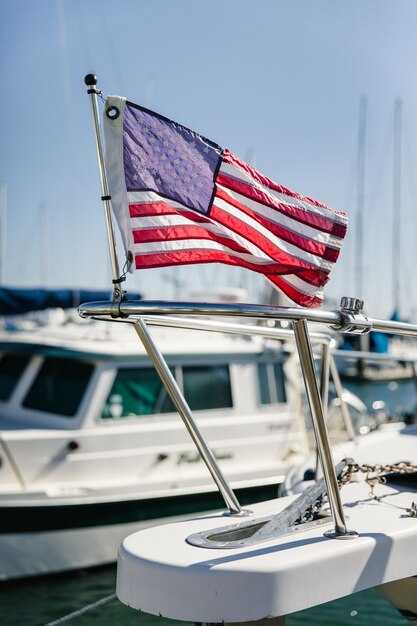
Begin with a 5-minute pre-departure briefing that confirms roles, checks gear, and clarifies emergency procedures. weve found this keeps people focused when going underway and reduces miscommunication if conditions shift, and carefully reviews equipment.
Assign explicit roles and lock in the plan: who guards the helm, who manages anchoring, who monitors the weather, and who handles communications. The captain commissions tasks to ensure each person knows their duty.
Use a simple phrase to confirm actions; cover the key things and what each person will do, and require everyone to respond with the same meaning, not just a nod. Give a clear order and check understanding; if someone hesitates, repeat.
Checklist item: lifejackets checked and within reach; confirm they’re registered to each person and assigned to those on board. Confirm kill switch is accessible and engines are ready to start. Include ongoing checking of lifejackets and rescue gear.
Briefing adds risk awareness: review causes of capsizing, entanglement, and propeller injuries; plan steps to avoid those.
Plan execution: designate a go-to person, take control of the vessel, and ensure critical tasks and assistance availability if a crew member needs help.
Close by listing the expected timeline and party responsibilities; keep the chain of command tight and ready to adapt.
Documentation: record the roles, checklists, and any changes; post-briefing notes stay within the vessel until departure.
Tip 7-8: Skontrolujte záchranné vybavenie (hasiaci prístroj, roh, svetlá) a signalizačné prostriedky
Uistite sa, že je pripravená každá pohotovostná položka: hasiaci prístroj nabitý, indikátor v zelenej farbe, dátum hydrostatickej skúšky aktuálny; štítok prítomný a prístup voľný. Otestujte klaksón stlačením, potvrďte zvukový tón v okolí. Skontrolujte svetlá: palubné a kokpitové lampy jasné, záložné batérie dostupné, šošovky čisté a spínač otestovaný. Udržiavajte signalizačné vybavenie v jednoduchej, vodotesnej nádobe na dosah; overte, či sú píšťalka, zrkadlo a sada zábleskových granátov neporušené a pripravené, pričom všetko je jasne označené.
Počas prevádzky pripomenieme hosťom a rodine, že alkohol nie je povolený v blízkosti tohto zariadenia; alkohol a rekreačné aktivity vrátane športov na palube vyžadujú triezve ovládanie a ochranu pred rozptýlením. Hostia nenechávajú základy na pokoji. Niektoré veľké zhromaždenia ukazujú, ako rozptýlenie rastie; vymáhanie na určitých prístavoch objasňuje, že čistá prezentácia znižuje riziko. Tam, spoločné kontrolovanie položiek dokazuje, že ste opatrní; existuje jednoduchná ukážka pripravenosti, ktorej dokáže takmer každý nasledovať. Ak je o ktorejkoľvek položke hlásená závada, okamžite podniknite opatrenia a vymeňte alebo opravte pred pokračovaním.
Zmeny počasia môžu ovplyvniť čitateľnosť; udržujte funkčné osvetlenie počas hmlistého počasia alebo súmraku; zabezpečte, aby bolo prostredie viditeľné z kormidla. Keď sa deti alebo hostia zhromažďujú, udržujte okolo vybavenia ochranný priestor, aby sa veľké poháre s nápojmi nevysypali; venujte chvíľu utretiu vlhkosti, skontrolujte, či je všetko suché, a uložte náhradné batérie. Jednoduché kontroly trvajú menej ako päť minút: potvrďte, že štítok hasiaceho prístroja je aktuálny, otestujte klaksón, overte svetlá a precvičte signalizáciu píšťalkou. Táto rutina vám pomáha zostať v bezpečí, stať sa sebavedomejšími a udržať domáce dobrodružstvá stabilné a veselé.
Tip 9-10: Skontrolujte poveternostné a vodné podmienky a naplánujte bezpečné trasy
Skontrolujte najnovšiu predpoveď, vietor a vlny; preštudujte informácie zverejnené prístavnou správou; potom naplánujte dve bezpečné trasy, ktoré minimalizujú dopravnú prekážku a riziko kolízie, pričom udržíte tieto osoby a posádku spolu a pohyb stabilný.
- Počasnostná inteligencia: stiahnite si predpoveď na 0–12 hodín z dôveryhodného zdroja; skontrolujte najnovšie informácie o počasí; zaznamenajte vietor 8–18 uzlov s nárazmi do 22, more 2–4 stopy, viditeľnosť 5+ míľ a akékoľvek prichádzajúce fronty alebo búrky do 6 hodín; skontrolujte oznámenia vydané tento mesiac; ak sa podmienky zhoršia, neváhajte s premeraním trasy alebo odložením odletu; tieto zmeny si vyžiadajú úpravu rýchlosti, aby ste zostali bezpečne v medziach.
- Stav vodných ciest: skontrolujte výstrahy pre námorníkov týkajúce sa obmedzení, prehlbovania, plytčín a pobrežných nebezpečenstiev; identifikujte zóny s veľkým množstvom premávky počas víkendových osláv; vyhnite sa oblastiam, kde sa ľudia zhromažďujú na prístavoch alebo plážach; uistite sa, že vaša trasa zostáva v hlbokých kanáloch a ďalej od plytčín.
- Preplnenosť a povedomie o riziku: posúďte prístavy, vchody do máriň a obľúbené kotviská; títo ľudia na brehu môžu vytvárať nepredvídateľné vlny; lístie od prechádzajúcich plavidiel môže narušiť pohyb, preto dodržiavajte bezpečnú vzdialenosť a znížte rýchlosť pri príchode k zaneprázdneným úsekom.
- Plánovanie trasy: hlavná trasa zostáva v hlbších kanáloch; druhá trasa ako záloha, ktorá sa vyhýba frekventovaným jazdným pruhom; máme tieto možnosti zmapované a zahrnuli sme vzdialenosť, očakávaný čas príchodu a dostupnosť kotviaceho/prístavného miesta; ak je potrebná zmena, prepnite rýchlo a informujte posádku.
- Role posádky a komunikácia: určiť vyhradzného pozornejšieho, obsluhovať kormidlo a priradiť rádiooperátora; používať jednoduché signály a kadencu 1–2 minútovej kontroly, aby všetci zostali zosúladení; skontrolovať čo sa deje okolo vás pred vstupom do akékoľvek preplnené oblasti a o veciach, ktoré potrebujete monitorovať.
- Disciplína rozhodovania: ak vetry alebo zornosť presiahnu bezpečné limity, skontrolujte, čo sa nachádza v okolí, a vyhnite sa nevhodným manévrom iných plavidiel; radšej vyhľadajte bezpečnú prístav, ako sa prebíjať cez riskantný úsek; nezáleží na tom, že to zasiahne oslavy, priorita vás udrží v bezpečí pred nebezpečenstvom a zabráni kolízii.