


 English (UK)
  Русский
  العربية
  日本語
日本語  한국어
한국어  Magyar
  Türkçe
  Español
  Čeština
  Svenska
  Português
  Ελληνικά
  Suomi
Suomi  Nederlands
  Română
  Italiano
  Français
  Polski
  Українська
  Deutsch
  简体中文
简体中文  Slovenčina

Reserve an early morning scuba outing along Grande Antigua’s shallower coasts, which keeps currents mild and visibility high. Pack a 3–5 mm wetsuit, reef-safe sunscreen, a mask with anti-fog, and a surface signaling device; you’ll be ready for the first clean, serene moments under water.
Water temperatures hover around 26–29°C year-round, with visibility often 20–30 meters, depending on winds and currents. Depths range from about 6–12 meters on near-shore sites to 18–25 meters on sheltered reefs, while currents stay decent at most sites. Early departures maximize calm water and clearer panoramas of the coasts.
Antigua offers many reefs that showcase sights for every kinds of explorer: coral gardens, schools of reef fish, and occasional rays. For fans of underwater life, you’ll find adventures that suit your level, from gentle slopes to graceful walls. If you travel with someone new to undersea outings, request a guided session that covers the main sights you want to revisit, which helps you build confidence.
Plan your gear and schedule around practical tips: bring a reef-safe sunscreen, a small towel, a dry bag, and a camera case that stays watertight. Choose a suited wetsuit and a well-fitting mask; talk to your operator about the best approach for adventures near the reefs. After the session, head to a nearby restaurant for a meal and rest; if you travel with someone new to the sport, ask for a guided option that covers sights you want to revisit.
Antigua’s coasts offer several kinds of underwater experiences, from serene lagoon zones to graceful reefs that are shallow enough for comfortable exploration with your buddy. On grande reefs along the west coast you can spot larger schools and dramatic drop-offs, which suits ready travelers; the coastlines of Grande Antigua deliver consistent visibility, friendly operators, and a straightforward program of non-technical guidance suitable for early starts and adventures you can tailor to your pace and interests.
Typical depth, visibility, and current patterns at Half Moon Bay
Plan a morning session in the dry season to maximize visibility. Near the shore, depths sit around 5–12 m, which makes it easier for beginners to explore the reef and observe life. Outside the mouth of the reef, you’ll find 15–25 m, where walls and drop-offs open up for more experienced observers and clearer views. Use the boat moorings to board smoothly, and if anything feels uncertain, stay closer to the reef edge.
-
Depth: 5–12 m inshore; 15–25 m just outside the reef edge. Known patterns show a steady slope from the shoreline toward the wall, with more relief and structure beyond the reef.
-
Visibility: typical 20–30 m during the caribbeans’ dry season (roughly Nov–Apr); 12–20 m on average in the wetter months, with occasional reductions to 5–10 m after heavy rain or strong winds.
-
Current patterns: surface flows are usually mild to moderate, driven by northeast trade winds. Inside the reef, currents stay calmer; outside, especially near the mouth and along the wall, you may encounter stronger movement. Tides and moon phase can reverse currents by roughly 0.5–1.5 knots–plan for a cautious approach if you’re spotting or photographing life.
-
Life and opportunities to see: lobsters hide along crevices in 5–15 m zones; eagle rays and other larger species are more likely to appear near the outer edge and along drop-offs. You’ll also spot parrotfish, snappers, and spotted moray eels on reef structures and in gullies between vistas.
-
Practical notes for easier sessions: use the moorings for a stable entry, keep a light hand on the mouth of channels, and stay inside the safer shallow zones if you’re new. For those on a board, plan gradual depth changes and move slowly to avoid stirring sediment that can reduce visibility.
-
What to bring and watch for: a small amount of sunscreen that won’t wash into the water, a mask that fits well, and a camera or snorkel gear. In the known conditions, spotting life is easier when you move between 6–15 m and maintain a relaxed pace.
Best tide windows, times of day, and sea conditions for Antigua dives
Start with a concrete tip: plan your first underwater session on slack tide in the harbour area, roughly 10:00–11:30 local time, to minimize currents and maximize visibility. Embrace the caribbean calm: on pristine days, visibility reaches 20–30 m, making boulders and reef bars stand out and inviting sightings of reef life. The lone rock formation resembles a sculpture. For divers and guests alike, mornings deliver longer light and gentler winds, while late afternoons often bring calmer currents at outer sites. Some days you will contend with busy boat traffic; choose routes that start near the harbour ends when crowds thin, and you’ll have more time to admire the underwater treasures. Always check with your professional guide; this quick check marks a safer plan and helps you align the surrounding conditions with your goals. The balance between time, light, and current is your ally, so embrace a flexible schedule and you’ll avoid wasting spending energy on rough sections.
Timing windows and day parts
In Carlisle Bay and the surrounding reefs, slack water occurs around the transition from incoming to outgoing currents; plan to start roughly 9:45–11:15 in the morning and 15:00–16:45 in the afternoon. For the harbour approaches near Nelson’s Dockyard, target 11:15–12:30 or 16:00–17:30 when seas tend to be calmer and visibility stays high. On exposed outer sites such as Long Bay, expect modest chop at midday; mornings before 10:30 and late afternoons after 16:00 usually offer the safest balance between wind, swell, and clarity. Though conditions can shift quickly, always verify current and visibility with your professional crew on the day of the outing, because even a small tide change can alter how water flows around bars and boulders. Be mindful that some slots end with a stronger current if the moon is near full, so mark your plan accordingly and be ready to adjust if needed.
Site tips and practicalities
Choosing days with shorter trips from the harbour improves your time for exploring the surrounding reefs and the treasures below. Some routes run long, and divers enjoy the chance to see pristine life and a variety of sightings. Sea scooters help you cover more ground when currents allow, while guides can tailor routes for beginners and experienced divers alike. If winds pick up, switch to sheltered sites with calmer water and lower surge, so you still have a comfortable session. Always respect fishermen and busy boat lanes; keep distance and follow local signals. Each outing presents different treasures: from tiny crustaceans among the bars to large rays gliding past the boulders. Tours with a professional crew can maximize the experience, ending with a relaxed drift near the harbour and a plan for the next visit.
Gear checklist for reef and wreck dives around Antigua
Choose a low-volume mask and a balanced regulator, then test the seal and breathe normally in shallow water before you arrive for deeper sessions. However, keep a spare mask in your bag in case of fog or strap failure.
Wear a 3-5 mm wetsuit with booties; Antigua’s water typically sits 26-29 C, but wind and current can shift temps. During the season with stronger trades, a 5 mm adds comfort for longer exposures. If you love chilly days, bring a hood or gloves for wreck interiors at greater depths.
Pack a sturdy BCD with weight pockets, a redundant gas source (octopus), a reliable first stage, a durable reel and line, a bright SMB, and a compact underwater light for dim interiors; include a knife or line cutter for snag prevention as you touch hulls and move around boulders near dickenson and freemans sites. Explore between reef columns and wrecks with care to protect coral and avoid snagging lines.
Spending on quality gear upfront pays off; if you rent, inspect hoses, regulators, and tanks for service dates; used gear can offer value, but verify the service history before you commit. A wise choice is to compare offerings from a few shops and ask about return policies in case you need to switch gear mid-trip.
Learn buoyancy with a buddy in calm shallows, then practice efficient finning so you touch nothing you shouldn’t and keep currents from pushing you toward wrecks or coral; creole-speaking crews at local shops often tailor routes to the Diverse Caribbeans coast, including sites by name such as south coast reefs and nearby channels. Arrive with a wise plan and like-minded partners to maximize your adventure.
Adding a compact touch-light or small LED for interiors helps capture images; a diminutive SMB with line gives you surface control when visibility changes; bring an extra battery and spare O-ring for your regulator and camera housing. For exploration around wrecks, check the site briefings and follow the guide’s local rules to protect fragile structures and nearby life.
To wrap, keep your kit simple, smart, and loving the sea: a well-fitting mask, a reliable regulator, a warm yet flexible exposure suit, a bright light, and a spool with SMB. This setup supports reef and wreck explorations around Antigua and offers a smooth experience for adventure-seekers heading to dickenson and freemans sites this season.
Safety routines: buddy checks, emergency signals, and standard procedures
Always perform a full buddy check at the jetty before entering the water. Verify mask seal, regulator airflow, BCD inflation, weights, and confirm your buddy’s gear is secure; ensure signals are known and agreed, and set a simple ascent plan that both understand.
For snorkelling and ocean travel, keep the plan tight: stay within arm’s reach, monitor air and depth, and move with a graceful rhythm along the surrounding coasts and harbour approaches. If you see hazards, pause and discuss a safe path; if a barracuda is spotted, slow your movements, maintain distance, and communicate before changing course. Moonlight or bright sun can help signals be seen, so keep your lights handy and eyes on your buddy. In harbour areas, a distant galleon or boat may be seen, but it remains background while you stay focused on your group.
Before descent: gear, signals, and travel plan
Pair with a trusted buddy or sailors partner on the boat or at the jetty; check air pressure, SPG readability, buoyancy control device status, hoses, and masks. Agree on universal signals, confirm contact points, and outline a travel plan that keeps you within sight of the harbour and jetty links. If anything looks off, pause and fix it before entering the water.
Emergency signals and standard procedures
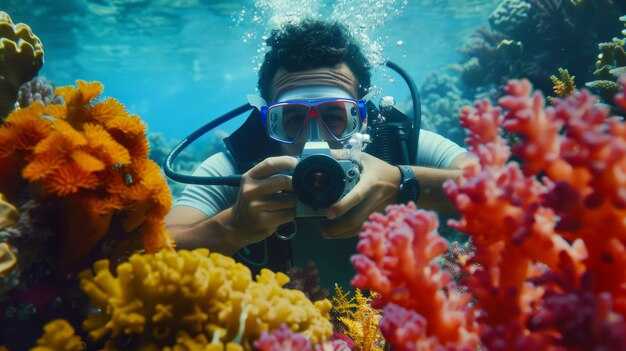
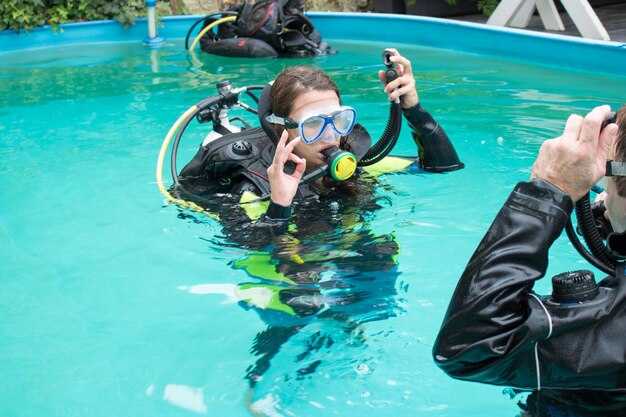
Agree on underwater and surface signals: a clear signal for OK, a distinct cue for low on air or out of air, and a plan for ascent. Practice the drill on the surface and at shallow depth; maintain contact, and adjust pace to the slower buddy. In night sessions, use a light so signals are seen under the moon. If danger is seen or currents change, stop, reassess, then execute the plan calmly and gracefully. The ultimate aim is a calm, safe ascent and surfacing. After surfacing, complete a quick debrief, secure gear, and enjoy a pineapple while linking the experience to the next travel.
Entry points, boat vs. shore approaches, and planning a Half Moon Bay day
youre ready for a practical Half Moon Bay day: plan a morning shore entry to wake up the kit and get the first sights, then switch to a boat hop for deeper depths and teeming life.
Entry points: the sandy beach at the main stretch offers a serene, easy access with a gradual slope, while the west side provides a rugged line where you can reach reefs alongside black coral and flounders along the sand. If you prefer a boat start, certified operators meet you offshore and ferry you to the deeper ledges in minutes, with calmer surface, sound of waves, and an abundance of sights.
Boat vs shore strategy: shore entries minimize gear time and suit when wind and swell allow, while a boat transfer opens depths beyond the reef, offering sights like bigger fish and rays. In november mornings, the sea is often flatter, making the shift between modes smoother. Some visitors combine both, exploring lesser-known spots alongside the main reef and sometimes spotting flounders in the sand patches.
Planning a Half Moon Bay day: allocate about 60-75 minutes for shore time, including mask, fins, and a short swim to the edge, then schedule a 30-45 minute boat leg to reach depths around 12-18 meters. Bring certified gear, sunscreen, and a shop for any last-minute equipment; consider a few minutes to check currents and plan the return, using links from your operator for tide windows and safety notes. If someone asks what to look for, tell them to explore coral, schools of fish, and serene ledges where a calm sound fills the surface. After the outing, head back along the beach and unwind, with the memory of an abundance of sights and a safe, well-planned day.