


 English (UK)
  Русский
  العربية
  日本語
日本語  한국어
한국어  Magyar
  Türkçe
  Español
  Čeština
  Svenska
  Português
  Ελληνικά
  Suomi
Suomi  Nederlands
  Română
  Italiano
  Français
  Polski
  Українська
  Deutsch
  简体中文
简体中文  Slovenčina

First, pick a versatile rod-and-reel pairing that can handle both environments. A 6’6″–7′ medium-light rod, 20–30 lb braided line, and a durable reel with reliable drag form a solid starting point. Keep a compact kit with lures and worms to cover common catches such as fish and flounder. This setup gives you flexibility as you learn currents and structure you’ll encounter on the water.
Saltwater gear endures harsher currents and greater abrasion. Use a heavier leader and a thicker line for protection, and consider corrosion-resistant components to extend life. A pair of reels or an extra spool helps manage expensive gear in rough conditions. For wade fishing in shallow bays, a lightweight vest and boots keep mobility high, while a small selection of lures targets larger fish such as spotted bass and nearshore species. Local guides share patterns that perform well in your area, and you can add squid jigs when trips take you offshore.
Freshwater setups lean toward lighter gear for early seasons and species like bass, panfish, and worm-bite targets. A pair of rods–one medium for lures and one heavier for larger fish–lets you switch quickly. Practice wade casting in calm streams and ponds to read bite and identify productive spots. Simple baits like worms paired with small jigs frequently outfish fancy rigs in slower water, especially around weed beds where spotted sunfish gather.
Below are practical tips to optimize gear for both worlds: maintain lines and reels, replace worn components, and carry a compact kit for quick changes. Include pliers, a knife, spare leaders, and a lightweight reel-case. A small set of waders helps you reach promising margins without exhausting yourself, and a robust lure collection ensures you’re equipped when the bite hits.
Finally, building a rewarding routine means testing setups and leaning on guides and local anglers for feedback. Track what patterns produce bites, whether you drift with currents or wade along a weed line, and adapt quickly. With a solid pair of rods, a handful of lures, and a dependable leader, you’ll cover more productive water and see results sooner.
Practical Fishing Gear Guide
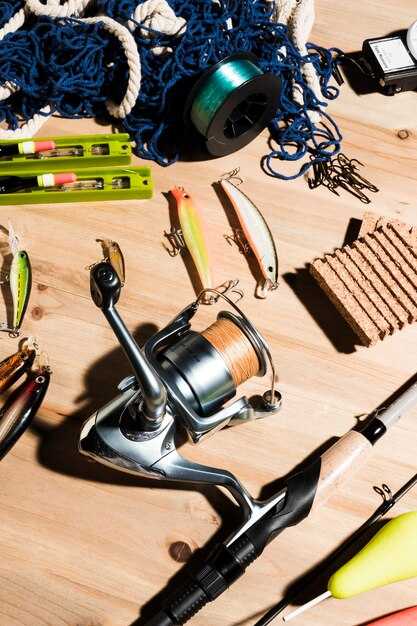
Begin with a versatile starter rig: fluorocarbon leader, 30-40 lb test, a sturdy head, swivels, and a 2/0 circle hook with soft bait or worms; this setup is better for landing grouper and snapper and stays working from lake coves to protected reefs, which makes it adaptable across saltwater and freshwater.
Line choice and tackle: use 20-25 pound test for local lake species and 30-60 pound for offshore; a medium-action rod around 6-7 feet pairs with a smooth spinning reel for flexibility, going from bank to land to boat trips.
Leaders and mainline: keep fluorocarbon leaders for abrasion resistance and stealth in clear water; 15-20 pound fluorocarbon works well in lake coves, while 30-40 pound handles heavier structure offshore; this keeps your line protected when fish head for cover.
Swivels and rigs: use ball-bearing swivels when casting; these protect knots and reduce line twist; good practice to use them with jig heads and live bait.
Bait and hooks: dont rely solely on color; worms attract a wide range of species; soft plastics imitate natural prey; choose a 2/0 to 3/0 hook for grouper and snapper; adjust weight to keep bait working on the bottom in deeper water.
Local rules and land handling: check local rules before fishing; practice catch-and-release under protected zones; land and release fish carefully.
Care and maintenance: rinse gear after saltwater, dry, and store; inspect lines for nicks, test knots, and replace worn fluorocarbon; this keeps head and swivels reliable for seasons.
Saltwater vs Freshwater: Core Gear Differences
For core gear, start with a saltwater-ready setup: a medium-heavy rod, a corrosion-resistant reel, braided line with a mono leader, and a rugged storage case you can bring on board or in a vehicle. If you’re interested in both environments, this combo handles tarpon and other larger saltwater targets while remaining effective in calmer freshwater.
Line choices hinge on environment. In saltwater, use a main line in the 30–50 lb braided range with a 20–40 lb mono or fluorocarbon leader, and pick a rod rated for heavier leads and bigger hooks. For freshwater, a lighter 6–14 lb test with a clear leader keeps casts smooth and accurate. Always consider weight class and how you’ll handle the setup on local waters, with options for spare spools and leaders. If you need to decide, choose a versatile setup that covers both environments.
Reels demand corrosion resistance and a smooth, quiet drag. Rinse gear after salt exposure, dry thoroughly, and store in a dry cabinet or box to extend life. A quiet, reliable reel reduces fatigue on long days; match it to the rod length and whether you’ll fish from a boat standing on a deck or from shore. Pack polarized glasses to spot line movement and protect your eyes, and keep spare line spools down in a compact storage bag with a mono or fluorocarbon leader.
Target choices drive your options. Whether they target tarpon or other fishs, a larger tarpon-focused kit needs strong, durable components–a super-strong line, a sturdy reel, and heavy drag settings–while other fishs may fit a regular or mid-weight build. For standing platforms, larger gear can improve control; on quiet ponds or streams, lighter options often suffice. Always balance weight with handling comfort and storage space, and last, consider two complete rigs if you fish both local waters frequently.
Line, Leaders, and Tackle: Environment-based Picks
Go braided line with a heavy fluorocarbon leader for saltwater; for lakes, switch to lighter mono or fluorocarbon to keep a quiet, sight-friendly presentation.
Saltwater setup: line class 80–130 lb braided line with a 60–100 lb fluorocarbon leader gives you the capacity to handle marlin and heavy targets. Use a metal leader when reefs and structure demand extra protection. Baited rigs stay stealthy at distance, and a well-tuned drag lets you stay in control as the fish runs. For bigger fish, pair with heavier leaders and a line class that matches reel capacity. This setup will be more successful and gives you control when the fight goes tougher and the fish goes deeper, effectively reducing wasted energy.
Freshwater picks focus on lakes and calm rivers. Choose 6–12 lb test line for bass, stepping to 15–20 lb for bigger pike or muskies. Use 6–12 lb fluorocarbon leaders for sight fishing in clear standing water, and switch to 14–20 lb leaders when weed beds or snaggy structure are a factor. Keep line capacity on reels in mind and avoid overloading spools; a balanced load improves casting distance and drag performance. A quick change in leader length can tune presentation to wind or glare.
Storage and gear management: keep line dry and inside storage compartments when not in use; spool memory and sun exposure degrade line over time. Carry spare leaders and gears in a waterproof box so you can swap quickly. Guides and tournaments often suggest trying different leader lengths; email your questions to guides after trips to tailor setups to local water and fish behavior. Being compact and organized helps storage and keeps your setups ready for action.
Over time, sun and salt degrade line; replace when you notice stiffness, fraying, or color loss.
Reel Types: Spinning vs Conventional and When to Use Them
Choose spinning reels for most lake and shore casting; switch to conventional when you need heavy line capacity and strong, reliable drag for deep-water targets like grouper. This keeps your kit flexible and ready for quick changes on the water.
Spinning reels excel for smooth casts with light lures and are forgiving of line twists, which helps when you wade or cast from a rocky bank. There, you can cover a lot of water with steady presentation. Use 6-20 lb test for freshwater, stepping up to 15-40 lb for saltwater flats or reef edges when you’re chasing bigger fish. Look for an anodized frame and spool to resist corrosion, and pick a reel size around 2500-4000 for versatility. A lighter rod in the 6’6″ to 7’6″ range balances the setup for better take-offs and longer, accurate casts. For pike in clear lakes, spinning gear handles big spinners and soft plastics with a smooth drag, making the fight great and rewarding. Don’t forget polarised glasses to spot structure and fish through clear water.
Conventional reels are built for power. They haul heavy lines and deliver steady control for deep-water jigging, bottom fishing, and trolling. For target species like black grouper or large pike, run 40-100 lb test line (braid handles bigger bites) and match to a stout rod (7’6″-8’6″). Spool capacity and a strong, smooth drag let you take control during the fight. Conventional reels require more setup and practice to avoid backlash, but the reward is a longer fight with a confident take. In saltwater, look for sealed bearings and an anodized frame to protect against corrosion. If you’re fishing with live bait or big jigs, these reel types can be a great match for the job.
First, consider conditions and species. For shore or wade fishing with lighter lures, spinning is the go-to; for deep-water bottom fishing or jigging near reefs, conventional shines. When you use live bait, conventional gear often gives you better control and longer, steadier runs. Price-wise, spinning outfits are typically lighter on the wallet, while conventional gear tends to be expensive upfront but durable below deck, which can save you money over time. Talk to local anglers and check below for setups that work in your lake or saltwater region. The bottom line: spinning handles moving lures with ease; conventional handles heavy lures and big fish, thats calm, steady power. After a day on the water, protect reels by rinsing, drying, and storing them out of direct sun; your gear will live longer and perform better.
Rods and Actions: Finding the Right Feel for Your Target
Start with a medium-fast action rod around 6 to 7 feet, paired with braided lines and a fluorocarbon leader; this setup delivers quick tip response, strong hook sets, and reliable sensitivity across waters and currents.
Knowing their target and technique helps you choose gear. Since sensitivity matters, a fast action helps control fighting fish and keep the line tight, while a slower action gives more forgiveness when casting lighter lures or reading subtle taps. There’s something to feel in every cast–an extra twitch on the line or a subtle load as the lure sinks.
Below is a practical guide to align your gear with your target:
- Rods and lengths: spinning setups prefer 6’6″ to 7’0″; open-water or longer casts benefit from 7′ to 7’6″; in general, 6 to 7 feet covers most situations.
- Actions and feel: fast actions react instantly to strikes; regular or moderate actions balance casting ease with feel; slow actions maximize lure feedback and give better feel for finesse presentations.
- Lines and materials: braided lines give high strength per diameter and clear sensitivity; for durability, choose a reel with stainless or anodized metal components and a durable silver finish for corrosion resistance.
- Reels and setup: spinning reels paired with braided lines give smooth retrieves; consider their reel frame and guides made from anodized aluminum or stainless steel to resist wear; keep the tackle regular and tidy for best performance.
- Technique and practice: start with a simple, repeatable motion, then refine your timing; patience helps you read current shifts and adjust your presentation accordingly.
Pros and cons: Fast action reduces the risk of losing a fish during tough fights but can shorten casts; slower actions extend lure feel and stability in currents but require more deliberate timing. The best approach blends quick response for the strike with enough sag to absorb pulling forces, so you can take control when the fight begins and turn the fish toward your net. This kind of setup will likely give you more confidence, and hope for steady success in both regular and challenging conditions.
Gear for Popular Species: Short Guides

Get a versatile two-rod setup: a 7’2″ medium-heavy rod and a 7’0″ medium rod on 3000–4000 reels, spooled with 20–30 lb braided line and a 15–25 lb fluorocarbon leader; polarized sunglasses protect your eyes, and a compact storage box keeps tackle within reach on florida mangrove shores.
Snook (florida mangrove edges) bite best on spoons or soft plastics cast to root lines. Use a 2/0–3/0 hook, plus a small swivel and a 20–24″ leader; work the lure with a steady pull at dawn or dusk; kayak anglers can approach quietly and keep gear compact for quick moves. theyyll adapt to tide times and weather.
Redfish (red drum) on flats respond to chartreuse spoons or live worms rigged on a light jig head; try 1/8–1/4 oz heads and a 20–30″ leader; cast along troughs, then drag the lure with a steady cadence to attract a bite; if you spot schools, stay steady and avoid spooking them.
Tarpon offshore demand power: go with 60–80 lb braid on a 7’6″–8′ heavy rod and a 50–80 lb leader; large spoons or metal jigs entice big takes; use robust swivels and a strong reel to handle long runs; be ready to adjust line during a fight and stay aware of kayakers and boats nearby.
Speckled trout and flounder bite well on small spoons or jigs paired with soft plastics; keep a 12–20 lb setup handy and a backup worm rig for bottoms with crab or shrimp; position near grass edges during rising tides and keep your hands dry to improve hook-set accuracy.
| Species | Gear Focus | Notes |
|---|---|---|
| Snook (florida mangrove) | 7’2″–7’6″ rods, 20–40 lb braid, 20–24″ leader, spoons or plastics, swivels | Cast to root lines; kayak-friendly; target dawn/dusk |
| Redfish (Red Drum) | 1/8–1/4 oz jig heads, chartreuse spoons, live worms | Drift along flats; watch for schools; use swivels |
| Tarpon (offshore) | 7’6″–8′ heavy rods, 60–80 lb braid, 60–80 lb leader, large spoons | Powerful takes; long runs; robust gear |
| Speckled Trout / Flounder | 12–20 lb line, small spoons or jigs, optional worm rigs | Edge of grass, shallows; quick rig changes |