


 English (UK)
  Русский
  العربية
  日本語
日本語  한국어
한국어  Magyar
  Türkçe
  Español
  Čeština
  Svenska
  Português
  Ελληνικά
  Suomi
Suomi  Nederlands
  Română
  Italiano
  Français
  Polski
  Українська
  Deutsch
  简体中文
简体中文  Slovenčina

Plan a daily routine that assigns simple duties to each child and keeps them safe and curious. As you sail with kids, use a clear schedule: a morning check of lines, an afternoon chart update, and a post-dinner chores round. Over the years, families lived aboard with enthusiasm, blending responsibilities with plenty of wonder about the sea and stars amidst changing conditions.
Assign the oldest child a rotating set of tasks to grow independence and relieve parental duties. These speed adjustments keep the crew focused, and every small win builds a personal sense of responsibility. In our notes from several years at sea, the operations behind a safe passage relied on calm routines, clear signals, and a habit of recording the day’s events, not just the weather.
To avoid boredom, mix practical ingredients of learning and play. For example, create a simple weaving of chores and storytelling: each rule becomes a thread in a wonder map of the sea. Have a compact kit with first-aid, spare parts, and items like flares, torches, and a compact flashlight; keep a dedicated container for safety duties and personal gear. Put a personal list on the bulkhead so kids can check what to take and when to return it, fostering responsible habits.
Keep accidents to a minimum with quick checks and safe zones for risky areas. Define a safe space on deck and a no-go area off the hull. Review the ingredients of the safety kit: life jackets, whistle, flashlight, spare batteries, basic toolset, and a small medical guide. Teach kids to recognize weather signs, stay hydrated, and know when to take shelter or slow down if clouds gather. Remind them that safe operation is responsible for everyone aboard.
Use practical routines to build camaraderie among people aboard: rotate lookout shifts, plan meals with simple ingredients that kids can assemble, and let each child contribute a short report on the day. When you dock or anchor, involve the children in tidying and stowing gear, keeping the crew engaged and ready for the next leg. Keep notes on what works and what to adjust for future years at sea. Take time to celebrate small wonder moments and recognize effort: even the morning chores can feel like a shared achievement when you see the table ready and the deck cleared.
Review the day with kids and log notes for more ideas before your next leg. A simple recap helps you adjust gear, routes, and routines and keeps safety at the center. When you finish, celebrate the day with a quick family chat and plan the oldest child’s role for the next leg, reinforcing personal growth and shared pride.
Family-ready voyage framework: safety, learning, and on-board routines
There’s a tailored framework you can apply on every sail to keep safety tight, learning active, and routines smooth for kids on a sailboat. Begin with a 15-minute pre-sail deck briefing that assigns roles for adults and kids, checks life jackets, and marks safe zones along the deck. Use a fixed rope path and keep a present, calm tone to prevent needless worry; this structure turns the deck into a clear space where each child understands their role and the lead adult becomes a steady guide.
Learning components are built into every outing: take advantage of the changing sea to explore science and language. Create on-board class moments: 10-minute language practice using ship terminology, a quick fish-watching exercise, and a wonder-filled observation log. The idea is to present small challenges that grow potential: identify wind direction, name colors of sails, track knots, and describe wave motion. Tailored activities keep ones engaged, and swim and kayak time become opportunities to practice water safety while they explore space and movement.
On-board routines translate safety into habit. Map a daily rhythm: wake, deck check, quick yoga or stretch, breakfast, learning blocks, one-on-one reading or language practice, then praise for effort. A 20-minute on-water time with certified supervision for kayaking or snorkeling, plus a quick rope-check drill after any sail change, makes the day even-paced and lively. Even when seas turn choppy, routines stay steady: keep the deck clean by designating a specific place for gear and a handy page with chores so no step feels needless or left undone.
The lead role rotates so each child can grow confidence: a captain in training, an observer, a note-taker for the learning log. This approach makes safety a shared responsibility and invites kids to contribute ideas. Praise specific actions: how they help with the rope, how they swim with buoyancy aids, or how they respond to a command. When they see progress, learning becomes more exciting and they become more eager to participate in every class and activity.
Practical tools support routines: a compact, kid-friendly page with quick checklists, a deck-safe poster, and a small wonder box where you drop ideas for future learning. Use tangible items: fish jar for observations, a small logbook for language practice, and a 2-step safety ladder for deck access. The space aboard a sailboat offers endless opportunities to lead, present, and develop language skills while exploring the sea; the kid’s learning becomes more meaningful when you tailor tasks to their age and interest.
Pre-sail safety checklist for kids: life jackets, harnesses, and weather gear
Fit life jackets properly before you cast off. Choose a Coast Guard–approved Type III or equivalent, with a snug collar and adjustable straps. Have the child test a quick lift to feel that the devices on the jacket stay in place when they move, and verify the crotch strap is secure. Make this part of your pre-sail operations, and keep spare jackets in a dry, accessible bag. Note the left strap and ensure quick release in an emergency.
Harnesses and tethers: Use full-body harnesses designed for maritime use, with solid D-rings and bright colors. Clip to a jackline or secured deck-point at a distance that keeps the child close but safe. Practice the clip-in and move sequence in a calm harbor setting so childs build confidence. Assign a supervising adult to supervise throughout, and maintain a simple talk routine so the child understands what to expect.
Weather gear: Pack waterproof jackets, pants, and windproof layers; add sun protection and gloves. Include rain gear and a sealed dry bag for devices like a VHF, GPS, or emergency beacon. Test the engine start/shut-off sequence in calm waters before you cruise farther, and instruct the group to stay within the marked safety zone. Dress kids in layers and keep a spare set of clothes in a sealed bag for a distant squall.
Documentation and part of the plan: Store passports in a dry, clearly labeled pouch; verify each child’s identity documents are current. Create a short safety talk that covers where to go on deck, how to call for help, and what to do if someone goes overboard. Include a simple signal sheet and assign roles for the group (navigator, lookout, communicator) as part of the operations. Practice calling the engine off and the crew into action, and ensure every child understands to stay within view and avoid leaning over the left rail.
Onboard practice and supervision: Run a dry-run on deck, simulate tightening harnesses, clipping in, and stepping through a safety routine while in harbor. Then a quick recap to reinforce the steps. A dedicated adult supervises, and you check that the engine room is clear of loose gear. Throughout the drill, maintain clear communication with the childs and keep the group focused on safe steps. This approach makes everyone more confident and helps them become part of the yacht crew. Intricate safety checks ensure nothing is overlooked. The repeated practice builds your group’s skills so kids feel ready for real conditions.
Spot hazards and response: Teach kids to spot hazards like loose lines, slippery decks, and open hatches. Practice the man-overboard procedure with a dummy rope, and rehearse the signal for help. If something goes wrong, navigate toward the target area and lead the person back to safe ground, then rejoin the group. Keep the plan in mind and stay vigilant throughout the cruise.
Marine life passport: how to create, track, and stamp young explorers
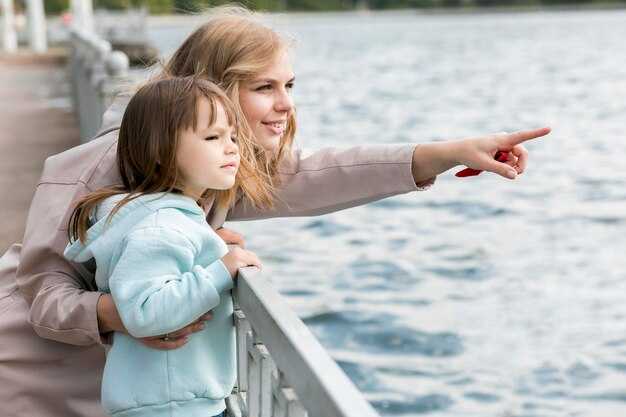
Begin with a ready-to-use marine life passport kit: print a kid-friendly template, laminate pages, and assign each child a personal passport. This setup creates a navigation-friendly, clear engine for learning that boosts confidence on the whole cruise.
How to create the passport
- Design a compact template with fields: Explorer name, date, location, species seen, habitat clues, behavior notes, and a stamp box for each sighting.
- Decide on a color code by marine zone (reef, coast, open water) and let children pick their favorite design accent to enhance involvement and begin ownership.
- Choose durable materials: 3–4 laminated pages, a waterproof ink pen, and a small set of stamps or stickers; reserve space for at least five entries per trip and keep the prepared kit within easy reach aboard.
- Place the passport in a water-safe pouch when you sail; review entries during calm times to reinforce navigation skills and the curiosity that keeps travelers involved.
How to track progress
- After each trip or stop, ask the child to recall one clue about the habitat, one observed behavior, and one organism. Fill these in aloud, then write them into the passport.
- Update the stamp box for each new sighting, marking date and location. This creates a full log of growing curiosity.
- Over time, the passport becomes a full log that the whole family can reference on future trips, guiding better preparation and safer, smarter navigation.
- Review a week later as a family to celebrate small wins and set a starting goal for the next outing, reinforcing the confidence engine that drives ongoing participation.
Stamp ideas and motivation
- Performance stamps: “Coral Detective,” “Shell Collector,” “Fin Flash.”
- Experience stamps: “Underway on a Cruise,” “Coastal Scout,” “Maritime Mentor.”
- Milestones: first sighting of a new species, first time answering a habitat clue, or first accurate field note.
Practical tips to make it work
- Use a small pocket notebook alongside the passport for quick notes; then transfer key points to the template during calm moments in space on deck.
- Keep entries concise and accurate to maintain trust and teaching value; anything the child notices becomes data for discussion.
- Set expectations before departures: explain how to observe without disturbing wildlife and how to navigate with the family safety plan in mind.
- Involve children in choosing stamps and colors; this involvement boosts autonomy and starting momentum.
- Leave space for future notes and new clues that may emerge on windy days or calm seas alike; a few well-chosen entries per leg build a mountain of knowledge over the season.
Why this works on a family cruise
It connects curiosity with practical skills, building a confidence engine that travels with you. The passport becomes a real companion: a place to record clues, reflect on what you navigate, and celebrate each observation together. There is space there for anything a child notices, including scary moments that turn into learning opportunities when discussed calmly and with support from an adult. Indeed, this approach keeps children involved, prepared, and ready for the unpredictable rhythm of maritime life.
Kid-friendly daily schedule: balancing sailing, activities, and rest at sea
theres a simple rule for success: split the day into three reliable blocks–sailing, hands-on activities, and rest–to keep energy constant and charge for the day. Start with a 90-minute sailing block in light wind to train navigation and teamwork, with every childs turn at the helm in a rotation that feels intuitive. Include something new in each roleplay session to keep interest high. Use live feedback from parents or instructors to adjust pace and keep the crew engaged without deep fatigue.
Morning routine: 07:00–08:30 sailing block. Kids take turn at the helm for 20-minute segments, practicing steering, speed sense, and navigational checks. After each turn, a 2-minute debrief helps solidify what worked and what to adjust, keeping the process friendly and encouraging. This keeps water tasks manageable and makes sailing feel like a shared adventure.
Mid-morning: 08:45–10:15 on-deck activities. roleplay scenarios (cooperative rescue, lighthouse keeper, cargo pickup) build teamwork and problem-solving. Include a simple knot-tying station and a short navigational puzzle that uses a basic chart. For swimming-ready kids, add a shallow-water game with a safety buddy to reinforce calm behavior near any wave or chop. This part helps blend learning with movement and reduces screens exposure, so minds stay fresh for the next block.
Late morning rest: 11:15–12:00 quiet time and snack. Kids curl up with tales or a short book, and parents offer breathing exercises to help recover before lunch. Screens limited to 15–20 minutes only if weather calls for a quick weather update or a map lookup. The goal is to stay present and focused on the sea around you, not just the screen.
Midday pause and docking prep: 12:00–13:30 lunch and docking chores. After eating, a 15-minute dock-side play or storytelling turn helps children process the morning, especially those in different grade levels as you sail near coastlines of different countries. Keep a calm pace, take turns describing the day’s wave patterns, and make notes in a captain’s log to capture tales of the day.
Onboard learning prompts: simple, science-based tasks for each watch
Use a five-minute, science-based prompt at the start of every watch to sharpen understanding of sea, sky, and vessel. This approach makes kids proficient in observation, fosters a practical language for discussion, and creates a clear row of learning moments in your daily routine.
Theres a simple safety rule: supervise closely, keep a ready roster of prompts, and rotate duties so everyone practices different roles. Begin with a quick check of gear–suit, ropes, utensils, camera–and confirm that the crew knows where to find the plotter and chart table. A well-prepared prompt pair ties together hands-on activity with scientific reasoning, sparks excitement, and strengthens family communication while docking, maneuvering, or at sea.
To keep momentum, pair prompts with brief notes in a shared log. This helps you recover data if a reading looks off and ensures the language stays clear for younger sailors. Use simple, concrete steps, avoid jargon, and bring in visuals or a quick sketch to reinforce concepts.
Below is a compact plan you can reuse across watches, with quick prompts, required materials, and safety reminders. It works well as a dynamic part of your daily routine and adapts to different marine settings, from calm bays to rougher seas.
| Watch | Prompt | Materials | Science & understanding | Safety & supervision |
|---|---|---|---|---|
| Dawn watch | Record sea-surface and air temperature, wind speed, and direction; compare values and note any negatives in readings. | Thermometer, anemometer, cup, notebook, camera | Heat exchange, evaporation, and air-water interaction; builds navigational language for describing conditions | Adult supervises; wear appropriate suit; anchor rope well secured; keep clear of the bow, docking areas when engines warm up |
| Mid-morning | Spot marine life and describe behavior; sketch one organism per species and list what helps identify it. | Notebook, pencil, camera, field guide or app, reusable labels | Marine biology basics; system thinking in ecosystems; introduces scientific terminology | Keep group together; supervise near rail; respect wildlife; avoid chasing with ropes or gear |
| Midday | Check the engines and deck gear; inspect rope splices and knot tests; describe how tension is managed. | Wrench, flashlight, rope samples, data sheet | Mechanical systems, safety-critical checks, material properties of rope and rigging | Wear gloves; do not handle moving parts without an adult present; supervise every handling of gear |
| Afternoon | Plot a simple course on the plotter and chart; mark a waypoint and explain why it’s chosen. | Chart, plotter, pencil, ruler, compass | Navigational concepts; scale, bearings, and route planning; connects math language to real-world tasks | Keep hands off the wheel when instructors guide; verify route with an adult; safe dock and anchor checks |
| Evening | Document the day’s learning on camera or in writing; assemble a three-point summary for the crew roster. | Camera or notebook, simple storyboard template, printed prompts | Communication skills; data recovery practices; learn how published guidelines shape safe routines | Review footage with guardian; store data securely; ensure utensils and utensils are cleaned and stored |
These prompts foster active participation, encourage proactive supervision, and help younger sailors translate observations into a coherent plan. By rotating roles and keeping a steady rhythm–plotter, camera keeper, note-taker, navigator–families build a shared glossary of marine science concepts and practical skills that travel with them beyond the deck.
Shore excursions that spark curiosity: choosing destinations and activities for different ages
theres a simple rule: pair a short harbor stroll with one engaging activity for each age, and keep the pace balanced to avoid fatigue. theres something for every curiosity; this full approach helps kids feel involved, boosts wonder, and seeds a dream for the day ahead.
Destinations should be amidst calm coves where history is visible in walls, lighthouses, and old nets. Provide safe paths and a ready set of supplies, sunscreen, water, and a small kit with simple utensils for a beach lunch. A compact map and intuitive navigation tips keep them engaged, and a mountain backdrop makes a striking setting for storytelling about how seaborne routes formed. Involving local guides adds credibility and color.
Age-based plans that work: for 3–5 year olds, keep sessions under 45 minutes with sensory tasks: shell sorting, color hunts, and short tales from a lighthouse keeper. For 6–9 year olds, add a micro-mission: log sightings, sketch what you see, and practice simple marine navigation with a compass card. For 10–14 year olds, add a small science class: measure tide depth, compare currents, and discuss operations aboard a yacht. Finish with a memorable moment that fuels their dream of future voyages.