


 English (UK)
  Русский
  العربية
  日本語
日本語  한국어
한국어  Magyar
  Türkçe
  Español
  Čeština
  Svenska
  Português
  Ελληνικά
  Suomi
Suomi  Nederlands
  Română
  Italiano
  Français
  Polski
  Українська
  Deutsch
  简体中文
简体中文  Slovenčina

Start with a skipper-assisted 7-10 day loop that centers on milos and paxos, with 2-3 days in each place and time set aside to swim from the shore. If you sail a week, base in milos and plan a practical cross to paxos, then ride the coast where white-washed towns appear at sunset.
May, June, and September offer calmer seas and reliable winds, making these waters friendlier for first-time sailors. In milos, drop anchor near the Kleftiko caves or Pollonia, and in paxos choose Gaios or the Lakka–Loggos arc for sheltered water and easy dinghy access to cobblestone quays. These options let you mix swimming, food, and sunset walks without long hops.
tips for provisioning: stock up in harbor markets before you head to sea; bring extra water and a compact first-aid kit. Pack linen shirts and light trousers, and wear a wide-brim hat to stay comfortable in the sun. The head on most charter boats functions well, but check it before a long hop; keep a weather track on a waterproof chart and refresh it morning and evening to plan the next day, these checks save time ashore.
On a practical track, these routes work well: start in milos with a sunset in Adamas, then sail to nearby coves and bays before finishing in paxos with a couple of days in Gaios. Spend mornings exploring cobblestone streets and friendly tavernas, and reserve afternoons for short swims in calm coves. This plan suits families and small groups who want popular experiences without rushing.
Head home with memories of a wonderful sailing season; though you plan carefully, milos and paxos offer something for every level of sailor. You visit the cradle of Cycladic maritime culture–white shores, traditional tavernas, and clear-blue water–while tracks keep the rhythm easy. A well planned pace helps you savor each harbour as you turn your head to the horizon and track the wind for peaceful sunsets across these islands.
Charter costs, options, and practical budgeting for Greek yacht trips
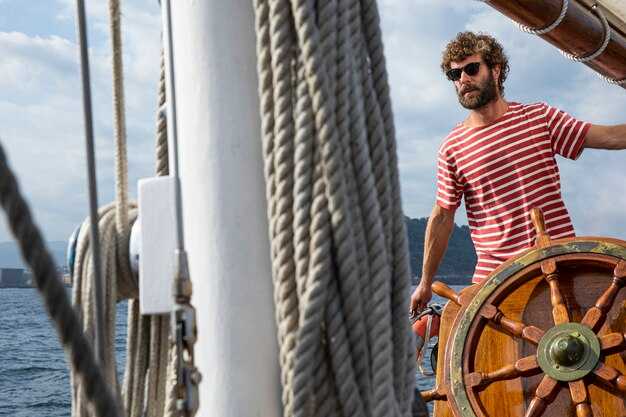
Choose a skippered seven-day charter in the ionian area and set a base boat budget of 2,300–3,200 EUR, plus provisioning of 25–40 EUR per person per day. Add 150–300 EUR for fuel and 200–400 EUR for marina stops, especially when you want to visit sandy coves and whitewashed harbours on islands like kythnos.
Most holidays in Greece balance value and comfort when you pick the right option. Bareboat charters stay the cheapest path for experienced sailors, but skippered or crewed options simplify planning and let you focus on the area rather than paperwork. A skippered week typically adds 120–200 EUR per day to the boat rate, while a crewed yacht with a small team can push weekly costs to 6,000–12,000 EUR, depending on size and season. In high season, bookings fill quickly, so you’ll pay a premium for popular routes around agia coves or vibrant island clusters.
What drives costs most: boat size and age, the chosen destination, and the season. The ionian islands offer calmer winds and sheltered routes, while the aegean routes around the cyclades may demand more fuel and marina time. If you want flexibility, plan for extra days or contingency, because weather windows and times for favourable anchorages shift your itinerary naturally.
Budgeting tips to keep things clear: reserve a separate fund for provisioning, typically 25–50 EUR per person per day for meals and drinks, depending on taste and tavernas visits. Allocate 10–20 EUR per day per person for wifi access on board if your vessel doesn’t include it, and set aside 50–150 EUR for one or two marina nights where you want a great dining option or a quality wash and restock. Plan for occasional shore excursions, especially hiking routes on islands like Roda or kytnhos, to enrich your holiday without ballooning the budget.
Cost breakdown you can reuse: the base boat rate, skipper or crew, provisioning, fuel, marina/anchorage fees, and incidental costs. A well‑structured plan keeps you from overrun while letting you discover the most scenic bays and vibrant waterfronts. If you visit areas with rich tavernas and market stalls, you’ll want to sample local bites as part of the experience, which adds a touch of authenticity to your destination.
Sample 7-day budgeting scenarios (illustrative ranges):
– Bareboat for a small sailboat (no crew): 1,800–3,000 EUR; provisioning 300–600 EUR; fuel 120–240 EUR; marina fees 0–150 EUR; total 2,220–3,990 EUR. Ideal for a self-reliant, longer stay with flexible times.
– Skippered 40–45 ft charter: boat 2,800–4,000 EUR; skipper 700–1,400 EUR; provisioning 350–700 EUR; fuel 150–300 EUR; marina 150–350 EUR; total 4,000–7,000 EUR. Great balance for comfort and local knowledge.
– Crewed luxury yacht: boat 6,000–9,000 EUR; crew 1,200–2,500 EUR; provisioning 400–800 EUR; fuel 200–400 EUR; marina 200–500 EUR; total 8,000–13,000 EUR. Most convenient for relaxed days and a rich on‑board service.
Practical steps to optimize costs: book early in spring or during shoulder times to lock in better rates, compare skippered versus crewed charges, and factor in potential discounts for multi‑week trips. When you want to maximize value, consider destinations like kytnhos or roda for less congested itineraries, while still enjoying great tavernas and hiking routes along sandy bays. Naturally, a well‑planned route reduces dead mileage and keeps the holiday pace comfortable.
Bareboat vs Crewed Charters: Which option matches your sailing ability and budget
Choose a crewed charter if safety and constant enjoyment matter most; bareboat fits sailors who want full control and can stretch a lesser budget. You’ll explore a lovely, serene coastline with sunny harbors and whitewashed towns among warm beaches.
Bareboat suits sailors with solid boat-handling ability and a willingness to follow local rules and weather. You steer the boat, set the pace, and decide on stops among beaches and sand coves. A typical three-cabin yacht can be found at base rates around €2,000–€3,500 per week in quiet months, rising to €4,500–€6,000 in peak sun. You must pay for fuel, provisioning, marina charges and gear, typically €300–€600 weekly, but you can cut costs if you supply your own provisions. Equipment such as dinghy, sails, and a chart plotter are usually supplied by the operator, and wifi is widely available in marinas and on many boats. You should have a backup plan for weather, and you cant rely on others for helm time. This option stays peaceful when you sail in slightly lighter winds and enjoy natural coves and whitewashed villages.
Crewed charters provide a captain and often a chef or deckhand; everything is supplied. Meals, drinks, and daily tidying are included, with a fixed weekly rate that covers crew services and mooring in known routes. Typical weekly rates run from €6,000–€12,000 for a four- to six-guest layout in peak season. You still control the main itinerary, but you enjoy scenery and company rather than helm time. If youre new to sailing, the crew’s guidance helps you learn hands-on skills safely. Wifi is usually on board, and the crew can craft routes among whitewashed villages, serene bays, and sandy coves, often with a planned schedule that keeps guests engaged. This option shines for families and groups seeking a warm, structured experience after long travel days. Some crews offer coaching for windward passages or sea-state decisions; check what’s supplied and what’s included in your package.
three factors guide the choice: skill, time, and total cost. Bareboat shines when you sail well, want flexibility, and seek lower weekly outlays; crewing wins for convenience, meals, and a predictable budget. In practice, a family of four might see €2,500–€4,000 weekly bareboat, vs. €8,000–€14,000 for a crewed option with a four- to six-guest layout. In the Cyclades and Dodecanese, wind and sea states vary; a capable skipper on a bareboat can sail among known wind patterns, though a crewed yacht makes the trip more relaxed and yields greater enjoyment. For those who like to prep few things, a crewed charter is a solid choice; if you sailed before and want to explore at your own pace, bareboat offers more freedom. Compare what’s supplied vs. added costs and confirm the location of the base to minimize travel after arrival.
Practical steps: list priorities, check the exact inclusions, and verify the local location and base port. Ensure the yacht has the three cabins you need, check if the windmills and a mountain backdrop are accessible. Confirm sand, beaches, and lovely bays are within reach, and note whether the line-up supplies snorkel gear and a dinghy. If you want wifi and a browser to check weather on the go, confirm connectivity in the charter package. Then compare total weekly costs and the level of responsibility you want at sea.
Typical Charter Rates by Yacht Type and Season (per day and per week)
For best value, start with a catamaran in the shoulder season; youll save on daily rates and still reach popular destinations along scenic trails and vistas.
The Greek countrys offer diverse harbours, Byzantine-era touches, windmills, natural coves, and ruins tucked along coastal trails. Licence requirements vary by island; when you plan a bareboat leg, verify the licence needed and study the local rules. Holidays can spike demand, so booking early helps keep your budget in check.
- Bareboat Monohull
- Early season: 180–230 euros per day; 1100–1400 euros per week
- Shoulder season: 210–260 euros per day; 1300–1700 euros per week
- High season: 260–320 euros per day; 1700–2100 euros per week
- Peak season: 280–360 euros per day; 1800–2300 euros per week
- Bareboat Catamaran
- Early season: 250–320 euros per day; 1700–2100 euros per week
- Shoulder season: 290–360 euros per day; 1900–2400 euros per week
- High season: 360–450 euros per day; 2400–3200 euros per week
- Peak season: 400–520 euros per day; 2700–3600 euros per week
- Crewed Sailing Yacht
- Early season: 400–550 euros per day; 2600–3600 euros per week
- Shoulder season: 500–700 euros per day; 3500–4900 euros per week
- High season: 650–900 euros per day; 4300–6300 euros per week
- Peak season: 750–1100 euros per day; 5200–7700 euros per week
- Crewed Motor Yacht
- Early season: 900–1200 euros per day; 6000–8400 euros per week
- Shoulder season: 1100–1500 euros per day; 7700–10500 euros per week
- High season: 1400–1900 euros per day; 9800–13300 euros per week
- Peak season: 1800–2300 euros per day; 12600–16100 euros per week
These figures reflect likely holidays spikes and destination-specific demand. Keeping to mid-range options often delivers the best balance between comfort and cost, while advanced bookings align with popular byzantine harbours and natural scenery–youll maximize your time in destination without overspending on the wind-driven peak times.
What’s Included in the Charter Price vs Additional Fees (VAT, Marina, Fuel, Provisions)
Choose a fully inclusive charter price that clearly covers VAT, marina fees, fuel, and provisions. This approach lets you chase warm waters and plan a relaxed route from paxos to poros without surprises.
Base price includes the yacht, skipper and crew (if booked), bed linens and towels, safety equipment, life jackets, a dinghy with outboard, charts, anchor lines, and final cleaning, plus potable water and ice for the first days of your trip. The equipment list stays simple by default, but you can add snorkelling gear, fishing gear, or a kayak if your plan calls for it.
What may cost extra includes VAT, marina charges, fuel used beyond the included cruising hours, harbour dues, and provisioning. VAT in Greece adds to the total at the contract rate; you’ll typically see 24% applied to the charter price and any services procured through the operator. Therefore, budget a buffer for mid-season hikes in port fees, especially in crowded hubs near Athens and popular islands of the cyclades.
Marina fees vary by port and season. Expect roughly 60–120 EUR per night in ports like poros or aegina during peak weeks, with paxos marinas often in the 70–140 EUR band. In some places, fees include electricity and water, while in others you pay a flat rate plus the charge for power. If you prefer anchoring, you can avoid marina costs, but ensure you’re aware of local rules for quiet and safety.
Fuel policy: many charters split fuel costs. The base price often covers a cruising budget, but you’ll pay for actual fuel used if it’s outside the included amount. In practice, plan for ordinary motoring around 4–10 liters per hour at moderate speed, plus fuel for the generator if you run it during your stay; refueling at the start or end of the voyage is common, and keep receipts for your records.
Provisions: you can pre-stock gifts for the fridge or leave provisioning to the operator. Expect cost plus service fees, commonly 10–20%, depending on the market and the size of your order. If you enjoy authentic meals in tavernas along the view from the harbour, budget for occasional meals ashore in warm hamlets on pebble beaches after a day of snorkelling or fishing.
Equipment beyond the standard can incur extra charges: extra fishing gear, stand-up paddleboards, scuba gear, or camera gear. Confirm what’s included in the base price and what will be charged per day or per week. If you plan to explore ruins along a coastline or hike a mountain path on a day trip, bring light gear for daily comfort and flexibility.
Planning tips for routes in the cyclades or a quick hop to aegina and poros: pick a package that allows marina stays in select ports to reduce daily anchoring; or choose a combination with anchorages to avoid crowded nights. Consider a night in paxos’s secluded coves for authentic hospitality and a view that lifts your enjoyment beyond busy hotspots.
Before you book, review the contract for itemized costs and inclusions. Ensure the quote lists VAT, marina, fuel, and provisions separately, and ask for an exact fuel quantity estimate for the week. This clarity helps you compare options across operators and keep the trip aligned with your schedule and budget.
Hidden Costs and How to Budget (Skipper, Insurance, Fuel, Permits)
Set a weekly budget by category–skipper, insurance, fuel, and permits–with a 15–20% cushion for unexpected costs. This keeps your sailing week around naxos and its mountain backdrop peaceful, while towns with cobblestone streets and whitewashed walls glow under colourful skies. Pack a jacket for cooler evenings and carry a spare set of clothes for bathroom stops along the way, therefore eliminating last‑minute purchases and headaches for the crew of sailors and family alike.
-
Skipper
- Typical daily rate ranges from 150–230 EUR depending on boat size, season, and whether meals are included. For a 7‑day week, expect roughly 1,050–1,610 EUR. Booking 2–4 weeks ahead often yields a 5–10% discount.
- Having a skipper adds safety and local knowledge for routes between coloured bays and iconic spots near naxos, including sheltered coves and tranquil evenings after sailing. If you’re aiming for flexibility, negotiate a half‑day option to cover peak sailing days and free up evenings for cocktails with the crew.
- Tip: ask for a written check‑in plan and a clear list of inclusions to avoid faqs about meals, fuel, or port fees. Pack light gear for the shoulder and keep your look practical yet neat.
-
Insurance
- Hull and liability coverage generally runs about 1–3% of the boat’s value per season; add P&I coverage if your plan includes marina stays and long hops between islands. Expect a few hundred to a couple of thousand euros depending on value and deductible.
- Check what’s covered in Greece, including theft, weather damage, and third‑party liability during coastal hops near towns such as those with cobblestone quays. Review the policy’s exceptions and how it handles offshore cruising days.
- Tip: verify that the insurance includes tacking into remote bays and emergencies; keep a copy of your policy handy in the cockpit for quick reference during a week of sailing.
-
Fuel
- Fuel costs hinge on how much you motor versus sail. Plan for 30–60 L per day on motor, with lighter use on breeze days. Weekly fuel budgets vary: roughly 40–120 EUR if you rely mainly on sailing, or 180–400 EUR if you cover longer hops or frequent motoring between islands.
- In practice, you’ll often use more power during early morning starts and late returns to harbour walls, so factor in a little extra for unexpected stops. In peak season, fuel prices hover around 1.7–2.2 EUR per liter; adjust your plan as prices shift.
- Tip: map a route that favors sailing days and reserve engine time for essential transit or poor wind days to keep costs predictable.
-
Permits and docking
- Most costs come from docking or marina fees rather than a separate sailing permit. In peak season, expect 60–120 EUR per night in many marinas for a 40–45 ft boat; shoulder season rates can fall to 30–60 EUR. Weekly marina costs can range from 420–840 EUR depending on location and demand.
- Some bays offer free anchorage, but private harbours and popular routes (look for those near colourful harbours and white beaches) will incur mooring dues. Always budget for occasional port taxes or transit charges when crossing between islands.
- Tip: consult faqs from your charter operator about seasonal variations and any required permits for protected areas; keep a small reserve for last‑minute marina bookings in case of closing hours or weather windows.
Planning the Route: How to estimate daily costs on popular Greek island itineraries
Choose a base island and estimate daily costs from lodging, meals, transport, and activities you plan; this approach will suffice for most travelers.
In August, prices rise, so set three tiers: Budget, Mid-range, and Luxury. For each day, map lodging, meals, and ferry or catamaran transfers between islands. The largest island, Crete, offers a wide range of traditional rooms and archeological sites, which helps you balance cost while still enjoying a wonderful view; caldera-adjacent spots on Santorini and nearby islands show what true variety feels like.
This method uses a simple formula, so you can adjust quickly: daily_cost per person = lodging + meals + transport + activities + contingencies. Just plan around typical times and routes; a day usually includes 40–120 EUR for meals, 50–150 EUR for lodging, 20–60 EUR for local transport, and 30–70 EUR for activities. If you choose a catamaran day trip or a guided archeological tour, add 60–150 EUR, depending on the site and season.
Here are two benchmarks to consider as you plan a route: you can discover the balance between cost and experience in both classic caldera views and traditional village scenes. Pack linen clothes and a light jacket for warm days and cool evenings, especially on longer ferry legs; after all, there can be breezes at sea. There there, marine facilities and reliable harbor services help you stay flexible and able to adjust plans on the fly.
Table below outlines typical daily cost ranges per person for three popular itineraries in August, based on mid-range lodging and shared transport.
| Itinerary | Budget (EUR/pp/day) | Mid-range (EUR/pp/day) | Luxury (EUR/pp/day) | Notes |
|---|---|---|---|---|
| Santorini–Naxos–Paros (3-island sailing) | 60–90 | 140–210 | 290–420 | Lodging in guesthouses, ferries between islands; catamaran day trip adds 60–120 EUR. |
| Crete loop (Heraklion to Chania) | 50–85 | 120–190 | 260–380 | Car rental optional; archeological sites; larger island means more travel time between spots. |
| Mykonos–Paros (popular high-season) | 75–110 | 150–230 | 320–500 | Higher dining and ferry costs; vibrant nightlife influences daily spend. |