


 Русский
  English (UK)
  العربية
  日本語
日本語  한국어
한국어  Magyar
  Türkçe
  Español
  Čeština
  Svenska
  Português
  Ελληνικά
  Suomi
Suomi  Nederlands
  Română
  Italiano
  Français
  Polski
  Українська
  Deutsch
  简体中文
简体中文  Slovenčina
 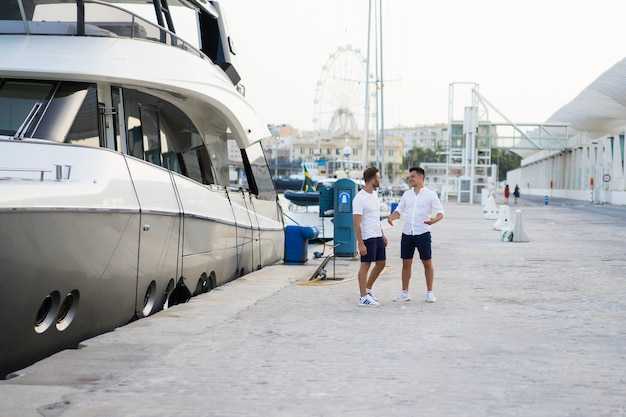 Yacht Charter Insider Tips – The Best Marinas and Bays in Croatia">

Begin at gruž, the Dubrovnik harbour, for a practical gateway to Croatia’s Dalmatian coast. This offer keeps provisioning simple, shelters you from sudden winds, and opens fast routes to coves around Lokrum and the Elaphiti Islands. Once you anchor here, travel between crystal views and a culture-rich shoreline becomes straightforward.
From gruž, plan a route that balances iconic towns with protected bays: ACI Marina Dubrovnik at the harbor, ACI Marina Split, Marina Kaštela, и Marina Punat on Krk. kristijan, a local skipper, said: “Choose harbors where reliable fuel, spare parts, and helpful staff let you come back on schedule.”
Bays worth a night stay include Telašćica Bay on Dugi Otok, where calm waters are sheltered by cliffs; Pakleni Islands off Hvar offer anchorages with pine-scented shores and quick dinghy access; Punat Bay on Krk gives wind protection and easy access to Punat village’s markets and activities you can come ashore for.
Significance matters: many marinas present sustainability programs–recycling, energy efficiency, wastewater treatment, and support for local fisheries. Newly formed partnerships with nearby villages boost the culture you travel through. Based on year-round operations, this maritime network presented by Croatian port authorities shows how tourism and local life can coexist, and Croatian coastlines are proud to preserve their heritage.
To maximize value, plan a 7–10 day loop that covers gruž, Split’s coast, Punat, and Rovinj, with a final stretch around Kornati and Telašćica. This newly updated route, based on the year 2025 charter data, balances marinas with bays and offers culture-rich stops. For bookings, aim for 6–9 months ahead, avoid peak weekends, and check wind forecasts for the Pakleni and Kornati passages to travel safely around the coast.
Practical Croatia Yacht Charter Guide
Begin your charter with a base in Trogir to maximize sail time along the coast, accessing marinas and bays with panoramic views.
Consult kristijan for a practical list of stops and dining options, and use the guides at the platform to confirm mooring rules, local regulations, and fuel points for each town.
Start in Trogir, then sail to Seget Donji or Primošten for a relaxed first stop, followed by a hop to Šibenik to explore its historic fortifications and well-kept marinas. In the Kornati archipelago, anchor within protected coves and enjoy continuous winds suitable for short hops between bays.
Position your yacht to serve as a mobile retreat, with your crew handling provisioning and guest services while you enjoy a scenic, panoramic coastline. Their crew can manage dining reservations and service on the deck while you sail between islands.
Choose marinas with commerce ties to european tourism, like ACI Marinas in Split, Trogir, and Šibenik, which offer full-service berths, reliable water and power, and easy access to town dining and shopping.
In terms of day-by-day planning, keep a continuous schedule that allows 3-5 hours of sail per day and 2-3 hours on shore for dining and guides. A typical 5- to 7-day plan includes a base in Trogir, an overnight in Primošten, a stop in Skradin for a river excursion, and a final leg to Zadar or Split for return.
For dining, target seafront dining rooms at each town and choose options serving fresh seafood and Mediterranean staples. european fare often appears, with local specialties and seasonal produce.
The practical rhythm revolves around the platform of marinas like Trogir and nearby channels; you should check your position before dawn, coordinate with the harbor master, and keep a continuous watch on weather forecasts.
Bring a reliable chart, a digital or paper backup, and a contact list for kristijan if you need quick updates on mooring or dining options.
Seasonal timing: best windows to reach Dubrovnik for calm seas and smooth arrival
Target late May or early June, or September, for Dubrovnik arrival to enjoy calm seas and smooth marina access. This window brings flat mornings, lighter winds, and fewer crowds at the gateway to the Adriatic. Book through a trusted platform to align your sailing holidays with marina management and your activities ashore, ensuring your location is secured before you arrive.
From rovinj or trogir, map 2–3 steady legs with stops at mid-Dalmatian marinas such as Sibenik or Split, to reach Dubrovnik’s Gruž or Old Port in good time. In shoulder seasons, expect sailing on calm days of 6–8 hours between hops; plan modest hops to keep your crew fresh. Monitor forecasts for wind shifts at times and adjust your course to maintain smooth seas.
Shoulder seasons from May to June and September to October offer the best balance of seas and reliable weather. Bora winds ease, Maestral and Jugo remain manageable, and sea state stays comfortable for families and first-time charterers. Depart early each day to catch still, glassy mornings and arrive into Dubrovnik with time to settle into your berth and your activities ashore.
On-route cultural highlights include rovinj’s church bells, trogir’s coastal charm, and sunset bays along the Biokovo coast. In each stop, you can explore a church or local market, tasting seafood and olive oil. These cultural touches enrich your sailing holidays and help you find balance between platform, sailing, and rest.
To secure your experience and satisfaction, coordinate harbor access and seasonal schedules in advance. Your future satisfaction depends on accurate provisioning, fair port charges, and clear berthing windows. alan, our local expert, can share practical tips on quiet coves, local marinas, and the best times to anchor near the city walls.
Practical notes: aim for daylight docking and check marina windows; keep spare lines and fenders; provisioning in rovinj or trogir lets you serving yourself with fresh local produce, avoiding rush after a long leg.
ACI Marina Kolomac berth options: where to dock, fuel, water, and power
Dock at Berth A on the Central quay for quick access to fuel, water, and 230V power, and enjoy a short stroll to bustling cafes surrounded by tourist life along the central streets of Zaton.
- Berth options and depths: Berth A (Central) suits boats up to 12–14 m LOA; Berth B (East) handles 12–18 m; Berth C (South) accommodates longer vessels. Depths range from 3–5 m, with jelša trees lining the quay to shade your crew. Times of peak activity tend to be morning and late afternoon, making this setup ideal for those who want to be close to the heart of the marina and its services.
- Fuel: Diesel at the adjacent fuel pontoon near Berth A; hours 08:00–18:00; card payment at the pump; max 500 L per fill; after-hours assistance by marina staff on request. источник
- Water: Fresh water taps every ~50 m along the quay; hoses up to 30 m; pressure roughly 2.5 bar; potable water with anti-siphon connectors; 24/7 access for easy topping up during a long holiday and when you plan day trips to nearby destinations.
- Power: Shore power pedestals provide 16A and 32A options; a service pontoon offers 63A three-phase for larger yachts. Bring appropriate adapters and consider a simple power management plan to keep life onboard smooth; 50 Hz is standard here, and you can tailor your setup to your needs.
- Practical tips and nearby life: If you want to stay close to central streets, choose Berth A for quick access to rich dining and cafes; drop lines and head to local activities around zaton for a true retreat. When planning, consider peak tourist times (times 10:00–13:00 and 17:00–20:00) to avoid crowds at the fuel dock and water taps. This area is a life-friendly destination for holiday makers, helping you make the most of every drop, stroll, and meal. gruž is rare, but keep an eye on shore debris after storms; hole up in a cozy cafe if you need a quiet retreat. For families and groups, Berth B or C can offer more space while still keeping you close to services and shops, making your stay rich and successful.
Short hops from Dubrovnik: best bays and anchorages for protected shelter
Zaton Bay, a sheltered cove just north of Dubrovnik, provides calm water and a shallow, sandy bottom that makes an easy overnight hold in light chop. A stroll from the village offers practical amenities–a bakery, café, and small market–and local guides who tailor coastal routes for a safe, enjoyable stop.
Cavtat Bay follows with a historical, medieval core. The village houses museums and a culture focus, and the old town has been awarded heritage status. The quay line features stone houses, intimate taverns, and a handful of shops. Expert guides lead walks that combine architecture, sculpture, and maritime stories for a well‑rounded stop.
Koločep presents Donje Čelo and Gornje Čelo, two hidden coves surrounded by pine and olive. Anchorages here are among the largest hidden pockets along the south coast, with clear water and gentle approaches. Local skippers and crew, including representatives of the Zombori and Glavina families, share practical tips for anchoring and navigation in these calm havens, making the stop ideal for families and first‑time charters.
Pupnat Luka on korčula offers unrivalled protection from southerly winds and a backdrop of pine trees and olive groves. The cove shelters a long beach, and moorings sit behind a quiet shoreline. Water, small shops, and nearby guides add to the ease of a relaxed stay, while the island’s medieval villages and museums reinforce a rich maritime culture.
For a longer arc, cres can be planned with input from local representatives and guides. Cres adds hidden bays to a maritime itinerary that already features korčula and its stone houses, yielding a broader culture of bays, coves, and sheltered anchors across these cherished Adriatic destinations.
| Anchorage | Shelter | Depth (m) | Примечания | Amenities |
|---|---|---|---|---|
| Zaton Bay | High protection from NW and SE winds | 3–7 | Calm nights, easy approach; practical stroll to village | Market, bakery, cafe, local guides |
| Cavtat Bay | Very high protection; well‑protected quay | 4–12 | Historic village core; museums nearby | Grocery, ATM, taverns, shore services |
| Donje Čelo (Koločep) | Hidden coves with strong shielding | 5–8 | Surrounded by pine/olive; expert tips available | Limited on‑shore shops; local guidance |
| Pupnat Luka (korčula) | Unrivalled protection from south winds | 6–12 | Long beach; pine backdrop; clear water | Water, basic services, local guides |
| Molunat | Excellent protection, calm anchor areas | 5–9 | Small maritime village atmosphere | Shops, tavern, simple services |
Shore access and logistics: transport to Old Town, tender lines, and port rules
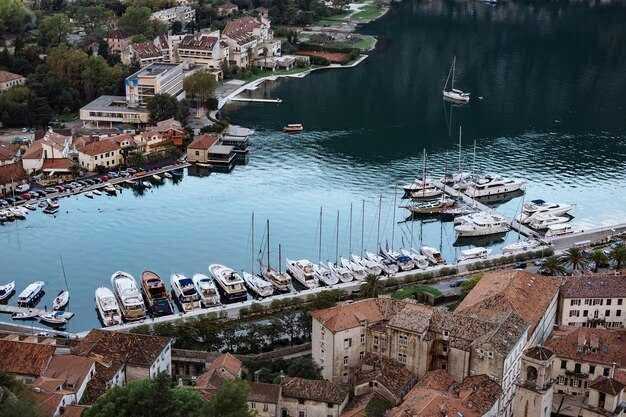
Reserve a dedicated tender slot through your marina or captain the day before you plan to visit Old Town; dock at gruž and transfer by fast tender to Pile Gate. The ride takes about 12–15 minutes in calm seas and longer if crosswinds build; arrange a ready crew and clear instructions so you land smoothly.
Assign two crew members to handle the tender line and fenders, and confirm a first line with the harbor master before you depart. Secure the tender to a quay cleat and use a long fender to protect your hull; keep the water around the line free of gear that could tangle the chain or line during transfer. When you arrive, the crew should present the ship’s registration and the agreed landing point to the gruz terminal staff to speed clearance.
Port rules require landing through licensed water-taxi points rather than dropping private tenders at the city pier; obey posted speed limits (typically a few knots in the harbor channels) and follow the marina’s guidance for landing zones. Always carry life jackets for all aboard tenders and have a captain’s contact handy for any quick changes; port services provide the latest local guidance, and their first-hand instructions prevent delays.
From Old Town, the Historic Dalmatian streets invite exploring on foot; stroll through the historic core to Stradun, then visit nearby church landmarks such as the Church of St Blaise; the route offers a compact mix of fortified walls, historic houses, and panoramic views of the coastline–ideal for a short shore excursion before your sail back to the village or marina.
If your itinerary includes brač or trogir, coordinate with the local port services in advance and plan for a longer tender window; from trogir you can access nearby islands and coves, while brač offers smoother sea states for afternoon activities and a different set of village walks and historic sites. Have your crew ready to shift plans if a weather window closes, and keep a flexible timeline to enjoy the content of your day without rushing.
Expert tips: keep the first-tender mindset–arrive early, confirm the annual schedule for shore transfers, and request an approved route with their staff to minimize delays. Their teams provide clear guidance on where to dock, what to check for in the chain and mooring lines, and how to return to the yacht promptly, ensuring you maximize sailing time and avoid crowds during busy periods and award seasons.
Costs and practical tips: fees, reservations, check-in, and packing list for marinas
Book six weeks ahead for peak holidays in Milna and the central Dalmatian coast to secure the best berths and check-in slots. Confirm electricity and water availability on arrival and coordinate with marina representatives at the center gate to avoid delays.
Fees vary by marina, but a typical pattern in this region is mooring charges per meter per day ranging 1.2–2.5 EUR in summer, with winter rates around 0.6–1.2 EUR. Electricity costs usually 0.25–0.50 EUR per kWh, water 0.30–1.00 EUR per m3, and many marinas add a small one-time admin fee of 5–10 EUR. Some Milna marinas offer holiday packages or longer-stay discounts, reflecting the history and development of harbour hospitality in this region and the significance of delivering a good experience for visitors and tourists.
Reservations work best through official portals or direct contact with marina representatives. A 20–30% deposit is common, with cancellations often allowed 7–14 days ahead. For european fleets and private boats, early booking helps secure the best times and slips; keep the confirmation handy once you arrive and share it with all crew. If you travel with a group, ask for advice on the best slips or nearby bays that suit your sports and swimming activities.
Check-in usually runs from 12:00 to 15:00, and check-out by 10:00. Bring vessel papers, passports or IDs, proof of insurance, and any required local registrations. Some marinas require a berth contract on arrival; paying by card is widely supported. If you arrive outside hours, call in advance so the staff can arrange a berth and gate access. In Milna and other central marinas, staff and local representatives are accustomed to international crews and can help with any special requests once you arrive.
Packing list for marina stays includes: life jackets for all aboard; two spare dock lines and 4–6 fenders; a basic tool kit and spare fuses; additional mooring lines (10–12 m) and a bow rope; a compact spare anchor and warps; a portable lamp and spare batteries; adapters for 230 V shore power (types C and F) and a surge protector; essential medicines and a first-aid kit; sunscreen, hat, sunglasses, and lightweight clothing for swimming or exploring bays; reusable water bottle and snacks; waterproof bags for electronics; basic maintenance items (oil, coolant, spare bulbs); a small laundry bag for holidays; and practical clothing for village visits to medieval towns or traditional centers nearby. If you plan visits to medieval towns or traditional villages, bring comfortable walking shoes and modest clothing for village centers.
Tips to save time: book early to lock the center’s best options, check the latest marina awards or service notes before arrival, and keep a short list of contact numbers for the tourism minister or marina desk in case of emergencies. For Milna and the surrounding region, consider a morning provisioning run, a midday swim break, and a late-afternoon stroll along the quay to meet visitors and representatives in a relaxed setting. The result is a smoother stay and a gateway to exploring the coast with confidence.