


 Русский
  English (UK)
  العربية
  日本語
日本語  한국어
한국어  Magyar
  Türkçe
  Español
  Čeština
  Svenska
  Português
  Ελληνικά
  Suomi
Suomi  Nederlands
  Română
  Italiano
  Français
  Polski
  Українська
  Deutsch
  简体中文
简体中文  Slovenčina
 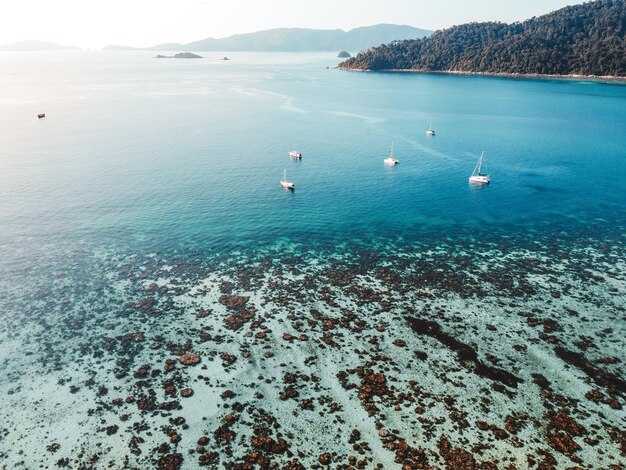 Where to Sail in January – Top Winter Sailing Destinations">

Recommendation: Начните в Абу-Даби для январского плавания, где устойчивые пассаты и море с температурой около 22–26 C открывают спокойные, короткие переходы между окаймленными рифами бухтами и защищенными якорными стоянками. Арендуйте 40–45 ft круизер через clickboat в течение недели и следовать дневным маршрутам вдоль побережья, с финальной ночью рядом с огнями города. Такая организация обеспечивает быструю, практичную навигацию без длительных переходов.
Там спланируйте двух- или трехдневный круговой маршрут между якорными стоянками с защищенными бухтами и простым дневное время паруса. Там оживлённо festivals и дружелюбные набережные бары, которые приветствуют прибывающих шкиперов. Сделайте там перерыв и посетите рынки перед следующим переходом или попробуйте короткий прыжок до толстушка для пышных мангровых зарослей и более чистой воды, с якорными стоянками, защищающими от послеобеденных ветров.
На Канарских островах или на Мадейре в январе можно надежно торговать в течение более длительного времени. дневное время паруса и прочный cliffs. Выберите маршрут на 5–7 дней с якорными стоянками на Лансароте, Фуэртевентуре, Ла-Пальме и Тенерифе; учитывайте lush береговые линии и рифовые карманы вблизи коралловых побережий. Местный путеводитель можно прокладывать маршруты в обход переполненных портов, сохраняя комфортное плавание в дневное время, с множеством колоритных деревень для изучения.
Вот несколько советов по планированию: бронируйте заранее, сравнивайте лодки на clickboat, и убедитесь в наличии снаряжения для обеспечения безопасности вашей команды. Если вы хотите совместить культуру с парусным спортом, выбирайте места, где проводятся дневные парады и festivals; выберите маршрут с безопасными дневными переходами и возможностью арендовать динги для посещения берега. Короткая остановка в толстушка или в районе Иль-де-Сент может восстановить силы перед более длинным переходом к Канарским островам.
Направление 1: Британские Виргинские острова (БВО)
Остановитесь в Треллис-Бэй, на Биф-Айленде, для защищенной первой ночи и надежных швартовочных мест. Отсюда отправляйтесь в Род-Таун для пополнения запасов, а затем двигайтесь на север, к Виргин-Горде, чтобы исследовать The Baths, где древние гранитные валуны образуют высеченные морем пещеры, манящие к исследованиям на каждой остановке.
В январе устойчивые восточные пассаты около 15-20 узлов обеспечивают ясные дни, в то время как температура держится в районе 24-29°C, а вода остается комфортно теплой. Яркий свет и спокойные утра создают морские пейзажи и превращают плавание между хорошо защищенными бухтами в легкий ритм.
Проложите маршрут с множеством портов и стоянок: Soper’s Hole для пополнения запасов и оживленной набережной, Норман-Айленд для сноркелинга в Treasure Point и пещерах, Peter Island для защищенных якорных стоянок и Анегада для бескрайних горизонтов и плавания по спокойной воде. Вашей команде будет легко переключаться между тихими бухтами и активными остановками для сноркелинга.
Если вы любите культуру и местные ароматы, вы заметите влияние креольской кухни в меню, перекликающееся с Мартиникой и Тобаго, а островные ритмы приносят барабаны бонго в пляжные бары после заката. Пышные береговые линии, чистая вода и гостеприимные гавани поддерживают высокий уровень энергии без толп, а впереди каждое утро обещает новые открытия.
Для семей или новичков, Тортола, Вирджин-Горда, Йост-Ван-Дайк и Анегада предлагают безопасную навигацию, множество защищенных якорных стоянок и понятный ритм. Туристы часто возвращаются в одни и те же бухты, привлеченные легкими переходами, надежными причалами и ощущением прикосновения к нетронутому, древнему морскому пейзажу с каждой сменой паруса.
Январская погода и ветер на Британских Виргинских островах
Спланируйте короткий январский маршрут на катамаране, наслаждаясь спокойными утрами и устойчивыми ветрами с северо-востока. Поднимитесь на палубу и начните день со спокойного морского бриза. От барьерных рифов до гаваней моту, хорошо спланированный маршрут обеспечивает защиту якорных стоянок, позволяет плавать между островками и проводить вечера на берегу под музыку и благословенные закаты на пляжах. Такая организация помогает вам открыть для себя местные традиции и праздники на южных островах, а поскольку температура остается комфортной, это идеально подходит для американских праздников на воде.
В январе пассаты обычно держат 15–20 узлов с северо-востока, обеспечивая стабильные условия для коротких переходов между якорными стоянками. Ожидайте температуру воздуха около 75–82°F (24–28°C) днем, с понижением примерно до 70–75°F (21–24°C) ночью, в то время как температура моря держится около 78–82°F (26–28°C).
Для максимального комфорта планируйте укрытые маршруты среди барьерных рифов и вдоль южного побережья. Остановки на моту позволяют плавать, заниматься сноркелингом и обедать на берегу на нетронутых пляжах. Вечера сияют местной музыкой и праздничной атмосферой, благодаря чему каждая остановка ощущается как небольшой святой отдых от рутины. Поскольку ветры устойчивы, вы можете установить постоянный темп на своем катамаране и при этом успеть насладиться впечатляющим закатом на берегу.
| Factor | Типичный январский диапазон | Примечания |
|---|---|---|
| Торговые ветра | 15–20 узлов, северо-восточный. | устойчивый; порывы до 25 узлов возможны |
| Sea state | небольшая зыбь; в защищенных бухтах 0,3–0,6 м, на открытой воде 0,9–1,5 м | стоянка на якоре под прикрытием островов с подветренной стороны |
| Температура воздуха | 75–82°F (24–28°C) | прохладные ночи, минимум 70 градусов по Фаренгейту |
| Water temperature | 78–82°F (26–28°C) | отлично подходит для плавания |
| Дождливые дни | 2–4 days | короткий душ – это типично |
| Влажность | 60–75% | В целом приятный |
Лучшие якорные стоянки для защищенного зимнего плавания
Станьте на якорь у острова Анкор Стокинг, Эксума, Багамы, для самой защищенной зимней стоянки. Лагуна за островом превращает волны в спокойную воду, защищая вас от северо-восточных ветров и зыби. Держитесь на глубине 5–9 м на песчаном дне, с легким доступом к городу Джорджтаун для пополнения запасов и знакомства с культурой. В зимние месяцы это место остается относительно защищенным, а короткие вылазки на динги открывают нетронутые рифы поблизости. Эти условия позволяют расслабиться, послушать легкий дождь после заката и спланировать короткие переходы по классическим круизным маршрутам. Такая стоянка идеально подходит для борьбы с ветром, оставаясь в комфорте и безопасности.
Хоптаун на острове Элбоу-Кей, Абакос, предлагает классические, защищенные якорные стоянки за барьерным рифом. Город Хоптаун – популярная культурная остановка, привлекающая исследователей и круизеров, ищущих не только солнце и паруса. Зимой здесь обычно дуют умеренные ветры, что делает приключения комфортными для семей и команд, обучающихся парусному спорту. Становитесь на якорь на мелководье в песчаных карманах недалеко от гавани, а затем прогуляйтесь к маяку или в булочную, чтобы ощутить вкус местной жизни. Несмотря на то, что фронты проходят, подветренная сторона острова обеспечивает устойчивые условия в большинстве дней, поддерживая расслабленный темп.
Кайо-Колкер, Белиз, предлагает нетронутые круизы вдоль Белизского Барьерного рифа и спокойные якорные стоянки под защитой рифа. Это популярное место подходит для исследователей, ищущих приключения и культурные встречи с общинами майя и креолов. Вода остается прозрачной и достаточно мелкой для легкой постановки на якорь, а восточные ветры сохраняют море спокойным зимой. Если вам нужны припасы или проверка лицензии, до города Белиз можно добраться на водном такси и по дороге; планирование заранее экономит время. Эти условия дают возможность заняться сноркелингом, отведать местные блюда и провести несколько месяцев в непринужденной, дружелюбной обстановке.
Марафон и Исламорада во Флорида-Кис предлагают защищенные бухты за мангровыми берегами, идеально подходящие для зимних плаваний. Варианты стоянки на якоре популярны как среди американских круизеров, так и среди иностранных гостей, предлагая надежное укрытие от сильных северных ветров. В городе Марафон есть топливо, продукты и оживленная культурная жизнь, а вода остается относительно неглубокой, что делает постановку на якорь простой и безопасной. В эти месяцы вас ждут небольшие дожди и в основном солнечные дни; следует проверить требования к лицензированию для пребывания в водах штата, и вы можете перемещаться между островками, совершая короткие переходы. Эти условия создают классическую и беспроблемную базу для последовательных дневных плаваний и вечеров с другими экипажами.
Для более длительных путешествий залив Пханг Нга и побережье Андаманского моря в Таиланде предлагают нетронутые якорные стоянки за известняковыми скалами, со спокойной, чистой водой и относительно мягкими ветрами в сухой сезон. Тайская прибрежная система предлагает защищенные бухты, которые подходят для приключений и культурных исследований, особенно для экипажей, ищущих смену обстановки. Помните о лицензиях и требованиях для въезда, особенно в охраняемые морские парки; проверьте правила лицензирования, прежде чем заходить в эти воды. Этот регион популярен среди классических круизеров и исследователей, предоставляя месяцы возможностей для изучения тихих бухт, карстовых образований и небольших прибрежных городов.
Основные моменты 4–5-дневного маршрута на январь
Начните январь с 4–5-дневного круиза, охватывающего идеальное зимнее плавание по теплым водам. Эти маршруты сочетают в себе природу, местную культуру и удобные причалы с якорными стоянками, остающимися спокойными в течение всей недели. Если вы предпочитаете тихое утро или вечера с живой музыкой на берегу, эти маршруты обеспечат устойчивый ветер и ясный прогноз погоды. Если вам интересна миграция и дикая природа, вы найдете возможности для наблюдений вдоль мангровых зарослей и рифов. Для более длительного путешествия вы можете продлить его до апреля и по-прежнему наслаждаться благоприятными условиями на море; вы также можете проконсультироваться с местными командами на clickboat, чтобы адаптировать каждый день к вашему темпу.
-
Карибская петля: Мартиника – Сент-Люсия (4 дня)
- День 1: Отправляйтесь из Фор-де-Франс в Анс-д'Арле, с защищенной ночевкой в тихой бухте. Высадитесь на берег, чтобы пообедать креольской кухней, прогуляться по деревне и вечером немного пройтись, чтобы послушать местную музыку. Воспользуйтесь причалами в Ле-Марен, если предпочитаете марину, и запланируйте снорклинг возле мест, вдохновленных Кусто.
- День 2: Короткий перелет до Сент-Анн или Пуант-дю-Бу. Бросьте якорь на мелководье под прикрытием и проведите день на берегу, прогуливаясь по белоснежным пляжам. В этих бухтах легко плавать, и есть шанс увидеть перелетных птиц вдоль побережья.
- День 3: Переплывите к западному побережью Сент-Люсии, сделав остановку у залива Мариго или Родни Бэй для швартовки. Поднимитесь к смотровым площадкам, затем поужинайте на берегу под живую музыку и креольские блюда, прежде чем вернуться на лодку.
- День 4: Вернитесь в Форт-де-Франс или поплывите обратно к южному побережью Мартиники. Кратко ознакомьтесь с прогнозом погоды и выберите защищенную якорную стоянку, если проходит атмосферный фронт; этот маршрут остается комфортным даже при прохождении фронта, и вы завершите круг с неспешным отдыхом на берегу во второй половине дня.
-
Panama Pacific Hop: Бокас-дель-Торо – Коиба (4 дня)
- День 1: Прибытие в Бокас-Таун, швартовка возле Исла-Каренеро и знакомство с набережной. Насладитесь свежими морепродуктами, быстрой экскурсией по острову на берегу и музыкой в окрестностях пристани, устраиваясь на ночь.
- День 2: Отправляйтесь к спокойным бухтам острова Бастиментос; встаньте на якорь у острова Сапатилья, если позволят условия, или используйте находящиеся поблизости причалы. Поныряйте у чистых рифов и следите за перелетными птицами, время от времени перемещающимися по мангровым зарослям.
- День 3: Отправляйтесь в национальный парк Коиба. Становитесь на якорь в охраняемых бухтах или используйте ограниченное количество причалов у побережья парка; спланируйте с гидом экскурсию для снорклинга, чтобы увидеть черепах и косяки рыб, воспользовавшись услугами натуралиста из местного агентства или капитана clickboat, если вы предпочитаете индивидуальный подход.
- День 4: Вернитесь в Бокас-Таун. Наполните резервуары для воды, пройдите таможню, если необходимо, и насладитесь заключительной прогулкой по берегу под музыку на закате вдоль главного причала.
-
Классика Канарских островов в Европе (4 дня)
- День 1: Начните в Санта-Крус-де-Тенерифе, найдите удобный для швартовки мост или пристань, чтобы подготовить лодку к быстрой вылазке вдоль побережья. Исследуйте старый город на берегу и поужинайте под канарскую музыку.
- День 2: Отправляйтесь на запад к Ла-Пальма или Ла-Гомера, выбрав защищенную якорную стоянку возле Сан-Себастьян-де-ла-Гомера или в Валье-Гран-Рей. Январская погода прохладнее, чем в тропиках, но все еще очень комфортна для легких дневных переходов.
- День 3: Продолжите путешествие к другой остановке на острове (Ла-Пальма или южное побережье Тенерифе), чтобы оценить вулканические пейзажи и понаблюдать за звездами на берегу. Ожидайте увидеть перелетных птиц вдоль краев скал и склонов холмов в течение всего дня.
- День 4: Вернитесь на Тенерифе, проведя расслабленный день на борту. Устойчивый северный бриз освежает вечера, делая закаты особенно приятными для прослушивания тихой прибрежной музыки перед коротким путешествием домой.
Без экипажа или с экипажем: что выбрать для январских поездок
Для максимальной надёжности, знаний местности и фиксированного графика выбирайте чартер с экипажем для январских поездок. Шкипер занимается прокладкой маршрута, проверкой погоды и очередями в марине, позволяя вам сосредоточиться на плавании и культуре. Статистически, экипажи сообщают о большем времени на воде в январе, потому что маршруты строятся вокруг надежных погодных окон и защищенных портов. Как правило, этот вариант обеспечивает более спокойный темп с более насыщенной культурной составляющей и защищенными гаванями.
Бербоут подходит, если вы опытный яхтсмен, привыкший к зимним условиям, который терпимо относится к коротким дням, порывистым северным ветрам и тщательному планированию. Вы можете снизить затраты с минимальным экипажем и заранее наметить маршруты между спокойными лагунами и мелкими бухтами, но необходимо следить за рифами и быть готовым к сезонным шквалам.
Популярные январские маршруты сочетают теплые моря с защищенными путями. В Карибском бассейне ожидайте теплую погоду и температуру моря около 26-28°C, с множеством классических портов, предлагающих надежные стоянки: Сен-Бартс (бартс), Антигуа и Гренадины. Маршрут с экипажем здесь будет идеален, обеспечивая более спокойную обстановку и более четкий график. В северной части Карибского бассейна во второй половине дня ветер может быть сильным, поэтому наличие шкипера поможет вам справиться с порывами ветра и придерживаться своего плана, пока вы исследуете оживленные порты. Для более спокойного плавания ищите необитаемые бухты на островах и поросшие кустарником берега вдоль менее известных дуг, где темп остается спокойным, а ветер обычно стихает после полудня. Прибрежные саадияты все еще могут предложить короткие дневные плавания и насыщенные культурой посещения берегов, сочетая теплую воду с историческими местами.
Руководство по принятию решений: Если культура и история являются движущей силой вашей поездки, выбирайте чартер с экипажем, ориентированный на классические порты с опытным шкипером, экскурсиями и аутентичной местной кухней; если вы хотите самостоятельно управлять яхтой и контролировать расходы, аренда яхты без экипажа подойдет в защищенных зонах, при условии, что вы не выходите за рамки своих возможностей и у вас есть четкий план. Как правило, выбирайте вариант с экипажем в январе, когда ваша цель - максимальное время на воде и минимум неопределенности, и выбирайте аренду без экипажа, когда вы уверены в навигации по мелководным лагунам и избегаете пиковых ветров. В любом случае, подтвердите страховку, проверьте погодные окна и наметьте примерный маршрут к северным и южным якорным стоянкам, чтобы вы могли быстро адаптироваться к меняющимся условиям.
Чек-лист снаряжения для январских плаваний на Британских Виргинских островах
Начните с компактной ветровки, шляпы от солнца, солнцезащитного крема SPF 30+, быстросохнущего базового слоя и легкого флиса, чтобы справиться с прохладой на рассветных прогулках под парусом вдоль прибрежных бухт Британских Виргинских островов.
Проверьте снаряжение для обеспечения безопасности: спасательные жилеты, страховочный пояс и привязь, свисток, водонепроницаемый мешок и надежный швартовый канат для ночей, когда вы остаетесь на приколе в спокойном месте.
Возьмите с собой запасную доску для палубы для быстрого ремонта, базовый набор инструментов, изоленту и небольшой набор для ремонта фитингов и шлангов; проверьте износ искусственных фитингов и держите запасные части для часто используемой оснастки.
Провизия: ожидайте праздничные рынки с колеблющимися ценами; запаситесь простыми, долговечными продуктами, которые хорошо транспортируются, такими как макароны, рис, консервированная рыба и бобы; держите при себе холодильник и много чистой воды; виллы вдоль побережья предлагают удобные остановки, когда вам нужен отдых.
Навигация и планирование: как правило, прокладывайте маршруты вдоль побережья, огибая моту и якорные стоянки; проверяйте карты, прогнозы и местные варианты швартовки; ведите простой журнал своих лет на борту и ненавязчиво добавьте короткий поворот в сторону Мексики, прежде чем закончить на своей базе здесь.