


 Русский
  English (UK)
  العربية
  日本語
日本語  한국어
한국어  Magyar
  Türkçe
  Español
  Čeština
  Svenska
  Português
  Ελληνικά
  Suomi
Suomi  Nederlands
  Română
  Italiano
  Français
  Polski
  Українська
  Deutsch
  简体中文
简体中文  Slovenčina
 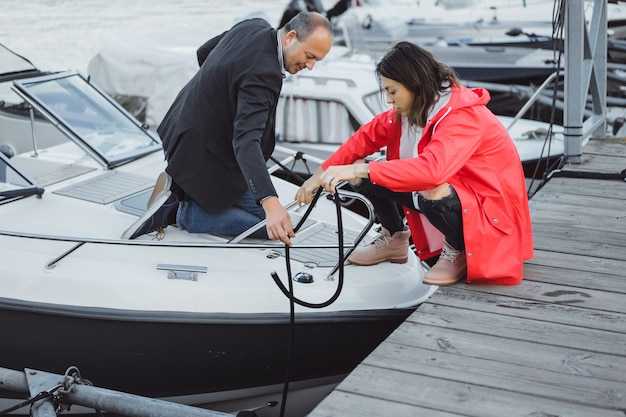 What to Bring on a Boat Trip – The Only Packing List You’ll Need">

What to bring on a boat trip starts with a single waterproof dry bag split into three zones: must-haves, comfort items, and safety gear. This keeps your gear organized and minimizes on-deck clutter onboard.
Hydration matters most, so carry a 500–750 ml reusable bottle and sip regularly; add electrolyte drinks for longer passages and times with direct sunlight to stay hydrated and alert while navigating the waters.
Before departure, read the boat’s route and load offline maps; note tides and weather windows and times for port calls so you can plan stops without fuss.
For overnight trips or early watches, pack sleepbuds or earplugs, plus a lightweight travel pillow for cabins; a simple sleep routine helps you stay fresh after long shifts.
Bring a small kit with painkillers, antihistamines, seasickness remedy, antiseptic wipes, and bandages; keep everything in a labeled container in a dry, accessible pocket.
To maximize comfort, include a compact rain shell, sunblock, a breathable hat, sunglasses, and a quick-dry towel; add a compact power bank to keep devices charged on longer trips, and be careful with density of gear so the cabin stays uncluttered.
For special conditions like cold mornings or windy decks, layer clothing and keep a spare set in the cabin; this common habit saves you from chilly waits and rushed shopping at the marina.
In cabins, store valuables in dry bags inside lockers; label pockets and use color tags so you can grab what you need without disturbing others when you read the boat’s layout.
Use this list to tailor your gear to the boat type and trip length; your highlights will be a smoother voyage when you plan ahead and stick to the plan.
Top Packing Categories for a Boat Trip
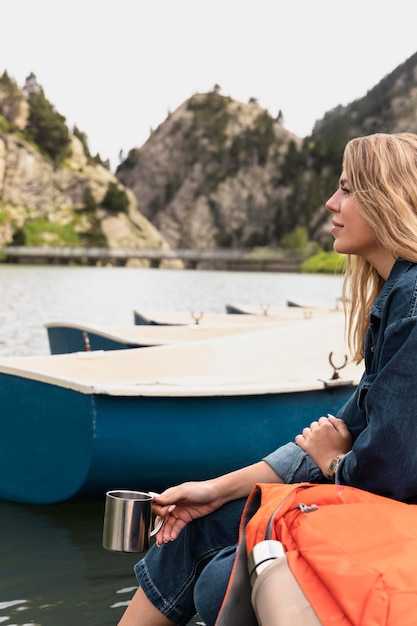
Pack a weatherproof layer, a water bottle, and a smart-casual outfit for meals aboard–the basics keep you comfortable from harbor to horizon.
Luggage strategy matters: use dry bags for clothes, a compact carry-on, and a small daypack you can grab on deck; check items regularly to stay organized and dry.
Power and converters: carry an ideal dual-voltage converter, adapters, andor a compact USB hub, plus a spare battery pack to take devices ready during long cruises.
Safety and signaling: whistles, a life jacket, a small mechanical toolkit with basic spares, a waterproof flashlight, and a basic first-aid kit; keep them in a dedicated pocket for quick access on rough seas.
Food and provisioning: plan catering-style snacks, non-perishables, a ginger root or ginger candy for nausea, a bottle for water or spirits if permitted, and clearly labeled goods for on-board use; making stocking simple helps reduce waste.
Clothing and comfort: plan outfits for two scenarios–dress for smart-casual dining and a sailing-friendly on-deck look; even when seas are calm, you stay prepared with extra socks, hats, sun protection, and a lightweight rain layer.
Navigation and planning: keep maps, a real guide to tides, and a clear difference between planned routes and detours; you’ll sail with confidence and often avoid surprises on the water.
Personal safety gear: life jackets, throwable flotation devices, whistle, and first-aid basics
Put on a Coast Guard–approved life jacket for every passenger before leaving shore, and verify the fit with one finger’s width between chest and strap. Keep jackets near the hatch or cockpit so they’re free of clutter and quick to grab as you move away from the dock, giving you a sense of security.
Inspect each jacket for tears, broken buckles, or faded buoyancy labels. If you find damage, replace it or set aside for a spare. Ensure a proper fit for adults and children, and use a crotch strap on boats with high splash risk. Some vessels require periodic checks by crew, and some regulations specify a safety routine; to prevent overpack, keep a compact essentials bag near seating so gear is ready on any excursion.
Keep a throwable flotation device within arm’s reach, such as a ring buoy or throwable cushion. Practice a quick, underhand throw to reach a swimmer, then guide them toward the boat while staying mindful of wind direction. In rivers and coastal areas, these devices save precious seconds when help is needed.
Attach a whistle to every life jacket or keep a compact whistle in a pocket or on a lanyard. In wind or noisy water, a clear whistle note travels farther than a voice and helps responders locate you quickly on a cruise or charter. If you want, avoid relying on battery-powered signals and rely on the reliable whistle for signaling.
First-aid basics go in a waterproof container: adhesive bandages, sterile gauze, antiseptic wipes, antibiotic ointment, latex-free gloves, scissors or trauma shears, tweezers, and adhesive tape. Include a simple manual and emergency numbers. Train the crew on basic steps, ensuring someone on deck can reach the kit quickly. Include this kit in the boat’s safety plan and refresh contents on a regular schedule to keep items current. These are common tools for minor injuries.
Hydrated guests perform better in emergencies. Keep a few bottles of water accessible and remind everyone to sip regularly during an excursion. Establish a quick safety list for any trip and review it before departure; keeping safety connected to routine helps thousands of adventures run smoothly, whether you’re on a quiet river cruise or a traditional charter. If you want, make this list part of every voyage to minimize missed steps and maximize peace of mind.
Sun protection kit: sunscreen SPF 50+, hats, sunglasses, UV-protective clothing
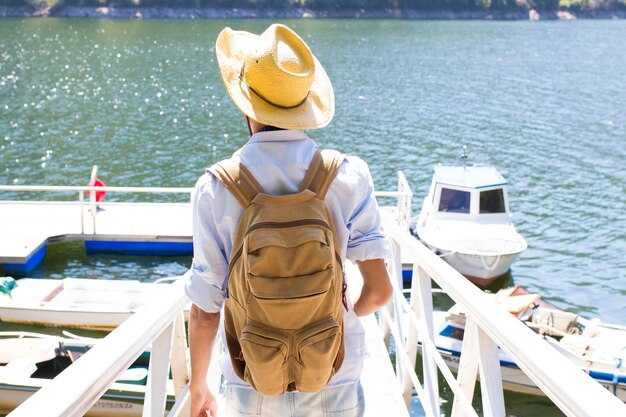
Nothing beats sun protection on a boat. Apply sunscreen SPF 50+ at least 20 minutes before you head on deck and reapply every two hours, or after swimming or sweating. Choose a broad-spectrum, water-resistant formula labeled for 80 minutes of protection. Carry a handheld sunscreen stick for quick touch-ups during short breaks.
Protect your head, eyes, and arms: wear a wide-brim hat (3–4 inches) to shade the face, ears, and neck, and UV-protective sunglasses with UV400 protection. Pick UPF 50+ shirts as a covering layer to provide extended protection. For sailing, a lightweight long-sleeve option helps you stay comfortable when the motion of the boat shifts the sun angle. This kind of setup keeps you familiarized with your gear and ready for day-long exposure.
Checklist you want to run through before setting off: sunscreen SPF 50+ (broad-spectrum, water-resistant), lip balm with SPF, hat, sunglasses, UV-protective clothing, and a compact sunscreen stick. Store the items in a dry bag within easy reach on deck. In the environment of sun, wind, and spray, staying protected means you must be organized so staying comfortable is quick, even during unpredictable shifts in weather or when visiting an attraction at the dock. Familiarize yourself with the setup, verify that items are in place, and handle bottles carefully to avoid spills. Think ahead to accidental loss or unexpected changes in sun exposure, and keep a second backup in a handheld pouch again for peace of mind.
Hydration and snacks: enough water, electrolytes, portable snacks
Keep at least 2 liters of water per person for a half-day boat trip, plus 1–2 electrolyte packets per person to cover sweat loss. A small cooler with ice packs maintains cooling and preserves beverage temperature, making a noticeable difference in how you perform on the water. Pack a spare bottle and a collapsible option so you can pass hydration around without slowing the crew.
Distribute intake evenly: sip 150–250 ml every 15–20 minutes during steady cruising; increase on hot days or in direct sunlight. For sunlight-heavy passages, choose electrolytes that restore sodium and potassium without heavy sugar; avoid excess caffeine on the water to keep energy stable and your focus sharp. Keep your routine simple to support stability and performance.
Snacks should be portable and energy-dense: almonds, walnuts, cashews; trail mix; dried fruit; cheese sticks; whole-grain crackers; beef jerky. Store them in a resealable bag to pass around easily and minimize crumbs. A kind mix that blends carbs and protein sustains you between swims and shoreline explorations. Plan a flexible assortment to suit taste and weather; if seasick, opt for light, salty options.
Medications and antiseptic essentials: bring personal meds in original packaging with a clear dosing plan; stash in a dry pocket. Include antiseptic wipes and a small first-aid kit. Sunscreen and lip balm are necessities, along with a hat for sunlight and a light layer for shade. Keep a spare pair of sunglasses and a compact towel for quick bathing off the dock if you stop for a swim. Aside from the main pack, assemble a compact kit that stays with you on deck for easy access.
Electronics and power: store phones, GPS, and audiobooks in a waterproof pouch; bring a charger and a compact power bank for electronic devices. A dedicated spot for chargers keeps clutter down and protects gear. Your devices help pass the time on long waterways and ensure you can call for help if needed. Monitor battery levels and rotate use to preserve stability during long stretches on the water.
Comfort and wear: wear quick-drying fabrics and a brimmed hat; keep a small towel handy for drying off. Aside from hydration, include a light layer for shade during midday sun and a spare set of socks in a dry bag. The right mix of items adds flexibility on deck and dockside transitions, helping you stay alert and ready for anything the voyage throws at you.
| Item | Qty | Примечания |
|---|---|---|
| Water (liters per person) | 2 | maintain baseline hydration |
| Electrolyte packets | 1–2 | dissolve in water, sodium/potassium balance |
| Portable snacks | 1 bag per person | nuts, dried fruit, crackers, cheese sticks |
| Cooler with ice packs | 1 | cool drinks and perishables |
| Medications | as prescribed | original packaging, dosing plan |
| Antiseptic wipes | 1 pack | гигиена рук и незначительные порезы |
| Dry bag | 1 | хранить необходимое сухим |
| Зарядное устройство и внешний аккумулятор | 1–2 | защищать электронные устройства |
| Аудиокниги или цифровой контент | 1 устройство | убить время |
| Запасная бутылка | 1 | в случае разлива |
Навигация и связь: карты или автономный GPS, VHF-радио, водонепроницаемый чехол для телефона, портативное зарядное устройство
Выберите компактное, водонепроницаемое УКВ-радио в качестве основы для вашей системы связи и дополните его навигационным комплектом, которому можно доверять в каждой поездке. Загрузите один набор автономных карт на надежное устройство и держите запасную бумажную карту в защищенном чехле для резервирования.
-
Варианты навигации
- Типы: автономная GPS на прочном планшете или телефоне, а также бумажные карты в водонепроницаемых контейнерах или сумках. Имейте как легкий цифровой доступ, так и надежные бумажные копии для охвата, когда сигнал слабый.
- Что следует хранить: загружайте региональные карты перед круизами и храните небольшую, распечатанную карту таблиц или таблиц мелких вод, мест стоянки и опасностей. Включите справочную легенду для сокращения времени поиска.
- Практическая подготовка: легкое устройство с автономными картами (10–20 ГБ для прибрежных районов) и запасное устройство, хранящееся в отдельной сумке. Проверьте экраны и реакцию сенсорного экрана в перчатках, чтобы быть готовым на закате или во время дождя.
-
Радио VHF и план связи
- Оставайтесь на канале 16 для вызова, переключитесь на канал 22A или другой рабочий канал для обычных разговоров. Запрограммируйте аварийный канал 70 для цифрового селективного вызова (DSC), если ваш радиоприемник поддерживает это.
- Поддерживайте радио заряженным, используя запасной аккумулятор или небольшое портативное зарядное устройство. Надежно закрепите антенну, протестируйте микрофон громкоговорителя и выполните быструю проверку дальности перед отплытием от причала.
- Составьте простой план: кто кому звонит, что говорить, если погода меняется, и как оповестить команду в условиях ограниченной видимости. Запишите это на водонепроницаемой карте и держите ее рядом с VHF.
-
Водонепроницаемый чехол для телефона и персональная защита
- Используйте прочный, водонепроницаемый чехол, который обеспечивает полный доступ к сенсорному экрану. Наденьте шнурок на шею или храните чехол в надежной, легкодоступной сумке, чтобы вы могли взять его, не возиться.
- Протестируйте случай в зонах распыления и возле головы (лука), где часто возникают брызги. Держите запасной micro-USB или USB-C кабель в zip-пакете внутри чехла для быстрой замены.
- Защитите от влаги, поместив в сумки небольшие пакетики с силикагелем; поворачивайте устройства, чтобы уменьшить воздействие влажности во время длительных круизов.
-
Переносные источники питания и зарядка
- Носите с собой портативное зарядное устройство в диапазоне от 10 000 до 20 000 мАч и компактную солнечную панель, если ожидаете долгих дней в море. Храните как минимум один запасной power bank в отдельной сумке, чтобы избежать единой точки отказа.
- Маркируйте кабели и бутылки, чтобы избежать путаницы; используйте водонепроницаемый контейнер для зарядного устройства и шнуров, чтобы они оставались сухими вблизи головы и кабины.
-
Борговая организация и готовность
- Храните снаряжение в водонепроницаемых сумках и более мелких контейнерах, чтобы поддерживать порядок и свести к минимуму риск потери во время шторма.
- Упакуйте солнцезащитный спрей, бутылки с водой и небольшой аптечку в быстродоступный карман, чтобы вы были готовы к изменениям погоды или внезапному дождю.
- Держите под рукой дополнительный набор камер или небольшую экшн-камеру, если хотите запечатлеть солнечные моменты на закате; убедитесь, что у нее заряженный аккумулятор и защитный чехол.
-
Практические проверки перед отъездом
- Ознакомьтесь с картами покрытия и прогнозом погоды для маршрута. Если видимость ухудшится, вы будете больше полагаться на автономную GPS и план VHF.
- Убедитесь, что всё снаряжение в порядке: водонепроницаемый корпус, запасной аккумулятор, запасный канат или якоря, и небольшой набор плоскогубцев для быстрых решений. Простая и надёжная идея — провести быструю пятиминутную проверку каждого устройства и сумки.
- Для прибрежных маршрутов и дальних плаваний практикуйте короткий сценарий, в котором вы переключаетесь между картами и автономной GPS, и обратно, чтобы убедиться, что вы знаете, что делать, если один из источников станет недоступным.
Одежда и хранение, готовые к любым погодным условиям: многослойная одежда, дождевик, водонепроницаемая сумка, дополнительные носки
Начните с трехслойной системы: влагоотводящего базового слоя, универсального среднего слоя и компактной дождевой куртки с капюшоном. На яхте эта конструкция работает в условиях переменного ветра и брызг, даря вам расслабление и сухость снова. Закройте голову кепкой или шапкой и защитите глаза от солнца с помощью спортивных очков с облегающей посадкой, чтобы уменьшить блики и брызги.
Выберите по две пары дополнительных носков для каждого члена экипажа: одну тонкую синтетическую для активных часов и одну более толстую шерстяную для влажных палуб. Они сохраняют ноги теплыми и сухими, что помогает вам снова сосредоточиться, когда меняется погода. Упакуйте носки в сухой мешок или во внутренний карман водонепроницаемого мешка, чтобы они оставались сухими даже если внезапно пойдет дождь. Сухой мешок сохраняет носки сухими.
Хранение имеет такое же значение, как и одежда. Используйте водонепроницаемые сумки для одежды, электроники и запасных аккумуляторных батарей, и держите отдельный мусорный мешок для изоляции отходов. Поместите сухие предметы в место, расположенное рядом с вами в кабине или салоне, чтобы вы могли быстро их достать, особенно при слабом освещении. Если что-то намокнет, замените его сухим предметом из сумки, а не тащите воду внутрь.
Защитите оборудование от подводных брызг и механических проблем, храня его в водонепроницаемом мешке внутри сухого шкафчика, а не во влажной трюмной переборке. Легкая дождевая куртка защитит вас от дождя и морских брызг, а запасной аккумулятор обеспечит работу GPS и навигационных устройств; это снижает риск во время ночной дрифты или во время постановки, которая внезапно становится ветреной. Развлекательные предметы останутся работоспособными, потому что вы сохранили питание и сухую сумку для расслабляющих моментов на борту.
Для американских команд держите комплект минимальным, но полным: берите только то, что вы регулярно используете и можете убрать в компактную водонепроницаемую сумку. Избегайте чрезмерной загрузки; если места для хранения мало, одной водонепроницаемой сумки в отсеке кокпита будет достаточно. Помните: внезапные изменения требуют от вас гибкости, а универсальный гардероб помогает вам адаптироваться, не задерживая лодку. Компактный комплект поддерживает порядок.