


 Русский
  English (UK)
  العربية
  日本語
日本語  한국어
한국어  Magyar
  Türkçe
  Español
  Čeština
  Svenska
  Português
  Ελληνικά
  Suomi
Suomi  Nederlands
  Română
  Italiano
  Français
  Polski
  Українська
  Deutsch
  简体中文
简体中文  Slovenčina
 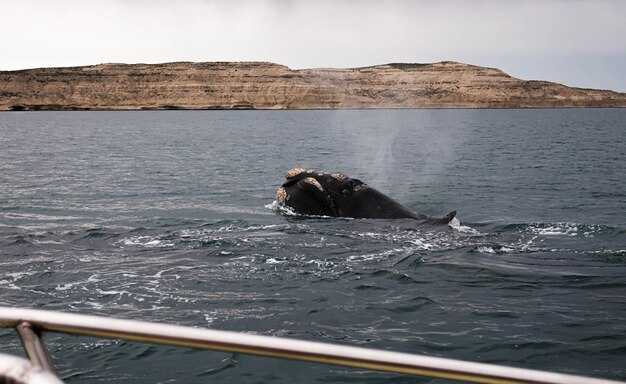 Whale Watching in Madeira – When to Go, What You’ll See, and Other Tips">

Go in March for the best odds of seeing sperm whales along the offshore canyons near madeira, while dolphins mainly swim in the shallows and along the bow wash. The sea is usually calmer in the morning, and tours leave from Funchal harbor ready to chase movement when sightings heat up. Therefore, these trips are offered by local providers and typically leave between 08:00 and 09:30, lasting about 2–3 hours depending on conditions and the wildlife rhythm.
The experience is mainly about dolphins on the surface, with bigger whales surfacing farther offshore. You’ll see bottlenose and common dolphins in lively groups, sometimes with striped patterns around the fins. If you venture toward the deep canyons, there’s a sense of scale when a huge sperm whale breaches and blows. Slightly more cautious captains may stay farther out, but the crew will list the species seen on board and explain behavior so you can read the signs as your boat moves. Harder to spot on rough seas, the climate matters: calmer days make sighting easier, and if wind picks up the guide staff will adjust to a shorter interval near sheltered bays.
In terms of timing, the second quarter of the year brings strong activity, with March and April offering the most reliable chances. The march window is especially good for sperm whales, while dolphins provide reliable entertainment. However, humpback whales pass madeira in winter and spring, but sightings of these giants are less predictable than dolphins. Sperm whales are possible year‑round on longer offshore trips, though they’re not guaranteed. Therefore, check the forecast before you book and consider a backup plan for a second trip if the sea state shifts. This option is only a backup, not a certainty.
Be practical about gear: sunscreen, a light jacket, and a camera with a zoom lens. It’s easy to photograph a breaching tail fin, but a stable rail helps. Taking motion-sickness remedies can help, and some operators offer 2-hour options that are easy on beginners. On popular days you cant guarantee a front-row view, but the staff will rotate seating and point out the best vantage. After the trip, a stroll on sand beaches near the harbor makes a nice cap to the morning.
To choose wisely, read the list of what’s included and compare the on-board briefings. Look for a solid safety record, staff who speak several languages, and a track record of high sighting rates. Some providers run yachts for private groups, offering a more intimate experience and a steadier ride along the madeira coast, with fewer crowds. If you’re traveling with family, a yacht charter can be a comfortable option. The activity on the water can be huge in scope, but a well‑planned trip makes for easy viewing and lasting memories. If one boat fills up, book a second option to keep your plans flexible.
Madeira Whale and Dolphin Watching: Practical Guide
Book morning speedboat trips along the coast outside Funchal with a licensed operator to maximize spotting and keep crowds to a minimum. Most sessions run 2.5–3 hours, and you’ll have steady chances to see dolphin pods and, if luck holds, a passing whale.
Costs typically range per person from 40 to 60 EUR; private charters start higher. Choose trips that include towels and a light jacket, and that tell you what wildlife etiquette requires. A well-run crew keeps distances and safety in mind, which gives you a smoother ride and more chances for clear photos–the experience itself stays relaxed.
What you’ll see depends on the day, but you often spot bottlenose dolphins, common dolphins, and Risso’s dolphins, with pilot whales appearing on some visits. Distances to pods vary; most sightings occur within 2–8 miles of shore, so plan for a broad view along the shelf edge. The captain tells you about possibilities and differences between species, helping you tell them apart and enjoying the variety. Soon after departure, many guests begin spotting fins and splashes along the surface.
Pack light for comfort: towels, a windproof jacket, sunscreen, water, and a small snack. Keep valuables in a secure bag and stow them while the boat is moving. The day can be windy, so prepare for cool moments when observing from the rail.
Timing matters: mornings often offer calmer seas and better light for photos, while later sessions can be windier and more crowded. If you’re visiting Madeira for several days, or coming from a different part of the island, consider a second trip to compare outcomes and sightings from different routes. Check the forecast beforehand and choose slots that fit your plan for the day.
Visit a reputable operator with kept safety standards and small group sizes; this keeps the speedboat moving smoothly and boosts spotting opportunities. Often, captains adjust routes to follow wind and currents, increasing the chances to see more wildlife and reducing disturbance. If you spot activity, tell the crew and stay back to let the animals approach on their own terms.
Best Months and Sea Conditions for Whale Watching in Madeira
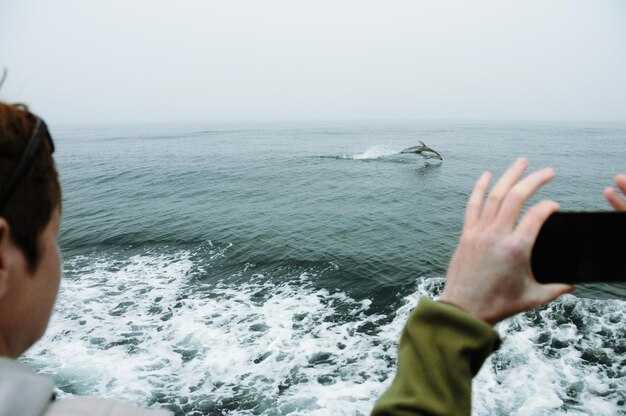
Book a morning boating trip from funchal harbor in May–July for the best climate and calm seas. This timing allows you to share a route called the offshore shelf. Routes that offer frequent sightings are common along the shelf. The route commonly yields dolphin encounters, with speciesbest populations of common and bottlenose dolphins. If you want a guarantee, booked slots fill quickly, so plan early and align your timing with a short walk on the quay before departure. Be sure to bring sunscreen and towels, and wear light clothing for soon departures that keep you comfortable on deck.
Sea conditions and climate vary by month. From May to July, winds stay light and water stays clear, giving gentle swells that make viewing easier. August remains warm, with seas that stay manageable, while September keeps mornings calm enough for easy spotting. Timing your trip for these months increases your chances and reduces waiting at the dock. Many operators call out places called hidden coves along the route where you can pause for photos. If you want to relax after the boat, you can walk to a shady spot near waterfalls along the coast.
To maximize your experience, choose an option that fits your plan: options include early departures, longer cruises, or shorter half-day trips. The route takes you around offshore places with a high likelihood of dolphin activity, so you have advantages in spotting and photo opportunities. If you’ve already booked, the crew can tailor timing and point out spots that maximize photos. For a long option, you can choose a longer cruise. Afterward you may take a short walk along the coast to a viewpoint and end the day with magic moments.
Practical tips: bring sunscreen, a light jacket, and towels. Arrive for soon departures and plan a walk to view waterfalls nearby after the boat returns. If you travel with a group, share the plan in advance to avoid waiting and to keep everyone comfortable. Keep personal items secure and follow the guide’s instructions to protect wildlife; the experience remains magical whatever the weather.
Common Species You May See and How to Identify Them
Book a licensed guided tour beforehand to maximize safer, closer sightings and learn basic cues that help you identify species on the water.
Bottlenose dolphins are the most reliable sighting around Madeira. They reach up to 3–4 meters, have a sturdy, curved dorsal fin, and a short, blunt beak. Their gray skin stays smooth as they cruise in tight groups, often riding the bow wake with quick, energetic movements that feel almost electric in the spray you see from the deck.
Atlantic spotted dolphins show a gray body speckled with irregular dark spots that become more pronounced with age. They have a slender beak, a tall dorsal fin, and frequent, orderly surface scans of the boat as they travel in mixed-sized pods–look for the dotty pattern that pops when the sun hits the water.
Striped dolphins are sleek and fast, with a long beak and a dark back that contrasts with a pale underbelly. A pale stripe runs along the flank, and they often appear in quick bursts, surfacing in a tight, rhythmic pattern that makes them easy to identify from a distance.
Common dolphins (Delphinus delphis) feature the famous hourglass pattern on the sides–darker behind the pectoral fins and lighter in front. They are highly social and frequently approach the boat in large groups, making a quick, coordinated surge through the wake.
Risso’s dolphins stand out with a bulky head and a relatively small beak, a gray body that bears many scars, and a dorsal fin set back toward the tail. They swim with a steady, deliberate tempo and often surface with a rarer, calm elegance compared with other pods.
Short-finned pilot whales are robust and large, with a rounded head and a dorsal fin placed far back. Their skin ranges from dark gray to nearly black, and they move in cohesive pods, sometimes circling under the boat before surfacing in unison for a long breath.
Humpback whales are the headline performers–massive bodies, long pectoral fins, and tail flukes marked with unique patterns. Expect breaches, tail-slaps, and slow, sweeping arcs as they graze the surface; peak sightings occur in migration windows when waters near europe are most active.
Between species, differences show up in head shape, the presence or absence of a beak, and the pattern on the skin. Use the route you’re on and the guide’s cues to compare observations quickly, which helps you classify a sighting before the moment passes.
When you’re sailing Madeira’s waters, dress in light clothes and a swimsuit for easy exits if you decide to swim aboard a permitted stop, and bring sunscreen and a compact camera. Start with a safe distance, watch from the deck, and avoid chasing groups–speedboats can close the gap quickly, but staying back protects both you and the animals as you watch them play in Europe’s waters.
What to Pack, Wear, and Plan for a Comfortable Trip
Pack a lightweight, waterproof jacket and a compact dry bag as your first step to stay dry and comfortable on the deck.
Clothes should layer easily: breathable base layers, quick-dry tees, long sleeves, and a fleece or light jacket. In the madeiras islands, mornings can be cool and afternoons slightly warmer, so adjust layers to cover the whole day.
Footwear and protection: non-slip, closed-toe boat shoes or hiking sandals with good grip; brimmed hat, sunglasses with strap, and sunscreen; bring a spare pair of socks; keep electronics in a waterproof pouch.
On-board gear: carry a 10-20 liter dry bag for electronics, a waterproof phone case, a camera with extra battery and memory card, and a power bank. Consider a lightweight towel for after the trip, and if you plan a walk later, pack a comfortable change of clothes.
Hydration and snacks: bring 1-2 liters of water per person and quick snacks like nuts or energy bars. Avoid heavy meals before boarding and dont rely on alcohol to settle nerves.
Weather, conditions, and comfort: Madeira’s coast can be cloudy and windy; marine conditions may be dramatic, with spray on the deck. Pack a windproof layer, light rain pants, and an extra layer for the cold dampness. Sunscreen and sunglasses stay useful even on overcast days.
Timing and plan: most operators run morning and afternoon departures; afternoon trips can offer calmer seas and great visibility toward late-day light. Create a simple timing table in your phone to track daily windows and forecast. Each day, note the forecast, plan the walk or shore time around your boat trip, and dont miss a chance to join a longer voyage if weather allows. If you’re in Madeira for several days, brydes and others are more likely on certain departures, so adjust your plan for their timing and enjoy.
Onboard Safety, Etiquette, and Responsible Watching
Put on a life jacket before stepping onto the deck and keep it fastened while the boat is moving; this simple step prevents injuries when spray hits the rail and you’re sharing space with others.
Before you set out, check your bookings, confirm the route, and align timing with the crew. There are few things more enjoyable than a smooth, well-coordinated trip, and the captain can tailor the plan based on current water conditions and sightings you’ve read about or heard from staff.
- Wear non-slip footwear, keep hands free for rails, and use the handholds when the boat is moving or rolling on water; avoid loose items that could become projectiles.
- Stow bags, cameras, and snacks in dedicated compartments to keep aisles clear; dont block walkways or disturb others enjoying the view.
- Protect eyes from sun with sunglasses and a hat; apply sunscreen and stay hydrated with water, not alcohol, to maintain alertness during long quiet or moving stretches.
- Keep the deck quiet and voices at a respectful level; a calm vibe helps wildlife stay relaxed and increases chances of seeing dolphins, whales, or seabirds up close.
- Maintain respectful distance from wildlife, mainly staying at or beyond the recommended 100 meters when possible; avoid chasing or circling animals to prevent stress and behavioral changes.
- Plan viewing from designated areas and follow crewmember directions; there is no benefit to crowding the railing or blocking others’ sightlines.
- Don’t feed animals or drop litter overboard; use provided containers and take any trash back to shore when you can.
- Respect other passengers and crew, and if a wildlife encounter occurs, allow shorter, quick looks rather than long, blocky stares that interrupt the moment.
- Bring a small reading or viewing guide if you like to understand what you’re seeing; onboard crews often share tips and species IDs to enhance the experience.
- Keep a few essentials handy: water, a light snack, and sunglasses; year-round trips can be long, so plan for comfort without overpacking.
- If you’re curious about different routes, discuss options with the captain; sometimes a faster route is better for visibility, while a slower one may yield closer sightings.
- Booking flexibility helps when conditions shift; instead of pushing a strict timetable, opt for a quick reschedule with the crew to maximize your chances of a good viewing window.
By applying these practices, you’ll enjoy a safer, more respectful experience for wildlife and fellow observers alike, with better chances for memorable sightings regardless of the day’s weather or season.
Insights from a Local Skipper: Booking Tips and Real-World Advice
Book with a licensed skipper two weeks beforehand to secure your preferred date and a spot on a vessel that stays near the coastline during rides in the Madeira archipelago.
Ask for a clear safety briefing, permitted routes, and a cancellation policy; request maps of the planned circuits and recent sightings for delphinus and striped dolphins, plus any caretta activity on the segment you’ll run.
Morning departures usually ride calmer waves, offering steadier motion and better chances to spot wildlife. If you’re prone to sickness, consider a shorter ride and sit midship where the roll is gentler.
Check group size and number of seats: many operators cap at 6–12 passengers to reduce wildlife stress and improve viewing opportunities for everyone.
Tell the guide what you want to watch for: delphinus, striped dolphins, and occasional caretta near the coastline; they often travel in groups and may approach the bow or stern for a closer look at them.
Capture tips: use a zoom lens and take bursts of photos to catch tail-slaps and playful swimming, but avoid chasing them. They move fast, and quiet talk helps you observe better than shouting.
Common mistakes include booking last-minute trips, opting for long rides when seas are rough, or not confirming what’s included (snacks, water, life jackets) and the weather backup plan.
Booking earlier in the year improves your odds during peak periods; operators adjust routes based on recent sightings and feeding patterns across the archipelago.
Maps and real reports from locals guide your day: ask what ones delivered the best results and where the most reliable caretta and delphinus sightings occurred recently, including the ones near known hotspots.