


 Русский
  English (UK)
  العربية
  日本語
日本語  한국어
한국어  Magyar
  Türkçe
  Español
  Čeština
  Svenska
  Português
  Ελληνικά
  Suomi
Suomi  Nederlands
  Română
  Italiano
  Français
  Polski
  Українська
  Deutsch
  简体中文
简体中文  Slovenčina
 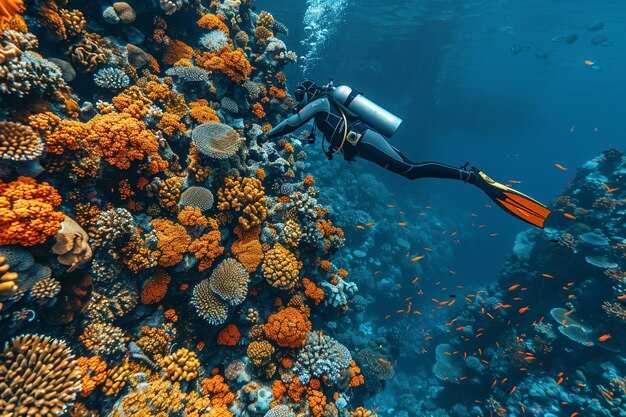 Venice Florida Scuba Diving Tours – Top Dives, Operators & Tips">

Recommendation: Забронируйте дайвинг в Венеции, штат Флорида, у известного оператора и капитана, который ставит безопасность превыше всего и проводит большинство поездок в небольших группах. Такой подход улучшает видимость, способствует безопасности и удовольствию, и делает это приключение весьма полезным для дайвера.
Лучшие места для дайвинга вокруг Венеции включают в себя рифы, искусственные рифы и останки затонувших кораблей, до которых можно добраться на лодке за короткое время. В этом районе обычно спокойные утра, а видимость в хороших условиях может достигать 6–9 метров. Формация Тамиами формирует среду обитания, которую вы здесь найдете, помогая в поиске интересной макро-жизни и крупных существ. Известные операторы проводят тематические сессии, сочетающие в себе захватывающие подводные исследования с educational инструктажи о течениях, средах обитания и местных видах.
При выборе оператора, ищите надежную лодку с опытным капитаном и четкими протоколами безопасности. Известные компании обычно организуют небольшие группы, предоставляют снаряжение, безопасное для рифов, и предлагают educational инструктажи о местных рифовых системах и течениях в заливе. Большинство поездок отправляются из центра Венеции или близлежащих лодочных рамп, и они рады дайверам всех уровней, включая новичков и опытных дайверов.
Практические советы по планированию: выбирайте утро со слабым ветром и хорошей видимостью, бронируйте место на лодке задолго до пика сезона и берите с собой гидрокостюм толщиной 3–5 мм для комфорта. Большинство экскурсий отправляются около 8–9 утра, что дает вам возможность насладиться светом залива. Упакуйте водонепроницаемую сумку для телефона или камеры, безопасный для рифов солнцезащитный крем и полотенце на потом. Для educational Прежде чем отправиться в путь, спросите капитана о среде обитания Тамиами, наблюдаемых видах и мерах безопасности; это поможет вам максимально использовать погружения и возможности обучения.
Добро пожаловать в подводный мир Венеции, где вы найдете множество вариантов недалеко от берега и возможность совместить фотографию, наблюдение за дикой природой и науку о заливе. Лодки посещают известные места в морских условиях, которые могут меняться в зависимости от приливов, поэтому проверяйте информацию от капитана и будьте готовы адаптироваться; вы вернетесь домой с новыми открытиями и историями от thrilling день на воде.
Лучшие места для дайвинга рядом с Венецией: затонувшие корабли, рифы и глубины
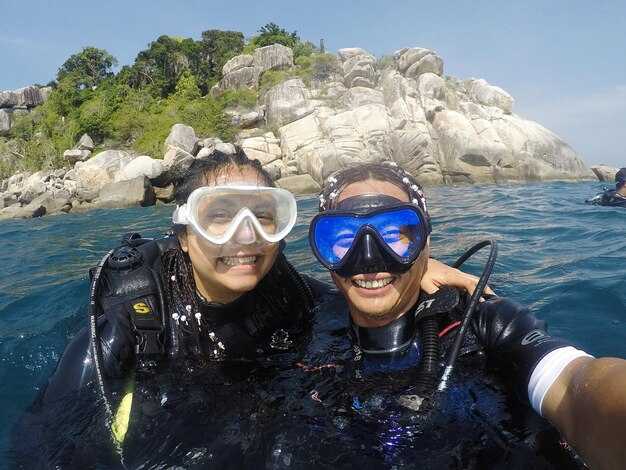
Закажите утренний чартер лодки в одном из магазинов в районе Венеции, чтобы получить доступ к трем затонувшим кораблям и двум рифам на глубине 12–27 метров; приезжайте пораньше, чтобы завершить бронирование и поприветствовать команду. В идеальных условиях эти погружения приводят в восторг корпусами, покрытыми губками, и цветением планктона, который поддерживает обильную жизнь в водах залива.
источник отмечает, что видимость в водах залива может достигать 80 футов в спокойных условиях, а сезонное цветение планктона стимулирует макрожизнь в пиковые периоды.
Затонувшие корабли около Венеции
Обычно затонувшие корабли находятся на глубине 18–27 метров, а крупные корпуса достигают 30 метров в зависимости от места и течений. Ожидайте увидеть прочные стальные каркасы на песчаном дне, покрытые кораллами и губками, служащие укрытием для луцианов и барракуд. Погружайтесь с исправным регулятором и следите за уровнем баллона для безопасного подъема; пузырьковые шлейфы вокруг затонувшего корабля добавляют острых ощущений, когда вы кружите вокруг корпуса. Инструктаж по технике безопасности включает в себя процедуры для напарников и сигналы, которые необходимо использовать под водой. Максимальная глубина во время большинства поездок остается в пределах рекреационных норм, поэтому планируйте свое время на дне соответственно. Если течение сильное или море неспокойное, перенесите погружение на другой день, чтобы вторая попытка прошла спокойнее; команда согласует новую дату и оперативно подтвердит бронирование. Северные ветры в Мексиканском заливе могут быстро изменить условия, поэтому проверьте прогноз перед прибытием.
Поскольку условия могут быстро меняться, команда работает с вами, чтобы адаптировать программу дня. Они приветствуют вопросы и помогут вам выбрать место, исходя из вашего уровня опыта и текущих условий.
Рифы и Глубины
Рифы обычно располагаются на глубине 12–18 метров, с максимальными глубинами около 18 метров. Выступы и небольшие пещеры являются домом для множества форм жизни, от крабов и креветок до мелких рифовых рыб, процветающих в богатых планктоном течениях. Дрифт-дайвы вдоль шельфа позволяют прокатиться по течению обратно к лодке, часто завершая второй, более короткий дайв в отличных условиях. В определенные дни может появиться прозрачность уровня Каталины, поэтому возьмите с собой компактный фонарь и небольшую камеру, чтобы запечатлеть макро-жизнь. Каждый дайв начинается с быстрой проверки снаряжения и инструктажа по технике безопасности, а магазин может организовать второй дайв, если остались места; приезжайте пораньше и будьте готовы подняться на борт лодки с проверенным и готовым снаряжением. После перерыва на поверхности промойте снаряжение в магазине и возвращайтесь к доку с рассказами о своем погружении.
Выбор дайв-оператора в Венеции, Флорида: На что обращать внимание
Выбирайте сертифицированного оператора, который предлагает образовательные брифинги, прозрачную информацию и четкий план безопасности. Позвоните в их офис, чтобы подтвердить политику в отношении погоды и правила отмены. Их ответ должен предоставить вам практический план на день и надежную опору для вашей поездки.
Важные факторы включают в себя показатели безопасности, подготовку экипажа и качество снаряжения. Ищите операторов с действующими сертификатами (PADI, NAUI, SSI) и опытных гидов, которые адаптируют маршруты к вашему уровню подготовки, предлагая расширенные возможности для тех, кто хочет исследовать близлежащие рифы и места находок окаменелостей.
Проверьте качество снаряжения и условия аренды. Надежные баллоны, регуляторы, BCD и гидрокостюмы должны быть в хорошем состоянии. Узнайте о дезинфекции оборудования и наличии запасного снаряжения. Эта информация поможет вам спланировать свое личное снаряжение и избежать неожиданностей при бронировании.
Погода имеет значение: надежные операторы предоставляют четкое погодное окно и звонят, чтобы уведомить об изменениях. Они должны предлагать вам варианты при изменении условий, включая альтернативные места недалеко от Венеции или района Тамиами. Их центр организует день с безопасным и приятным маршрутом. Они могут предложить поездки со сноркелингом в качестве альтернативы для участников, предпочитающих более легкий опыт.
Образовательная ценность: выбирайте центры, которые добавляют контекст о морской жизни, окаменелостях и местной истории. Самые информативные операторы предлагают короткие брифинги с названиями видов, диапазонами глубин и инструкциями по технике безопасности, а также доступ к информации о Венецианских залежах окаменелостей. Это дает вам возможность учиться во время исследования, потому что знания повышают безопасность и удовольствие.
Из Венеции и района Тамиами, большинство операторов используют катера, которые становятся на якорь возле спокойных мест, сокращая время в пути и увеличивая время на исследования. Узнайте об их политике в отношении погоды и о том, проводят ли они инструктаж перед отправкой.
Ключевые проверки
Вот краткий контрольный список для сравнения вариантов.
| Operator | Certification | Качество снаряжения | Educational Value | Weather Policy | Price Range |
|---|---|---|---|---|---|
| Operator A | PADI/NAUI | Новое оборудование, в хорошем состоянии | Брифинг по морской фауне и ископаемым отложениям | Гибкий перенос сроков в течение 24 часов | $120-$180 |
| Operator B | PADI/SSI | Обновленное арендное снаряжение | Рифы, среды обитания, сигналы безопасности | Прогноз погоды с настройками сайта | $150-$210 |
| Operator C | PADI/SSI | Запасное снаряжение, чистое оборудование | Продвинутая навигация и определение глубины | Альтернативные места, если на море шторм | $100-$160 |
Red flags to avoid
Неясная сертификация, расплывчатые инструктажи по безопасности, скрытые комиссии, плохое обслуживание снаряжения, отсутствие политики в отношении погоды или плана действий при ее изменениях и давление с целью подписания отказов от ответственности без вопросов указывают на то, что это неподходящий вариант для ваших планов по исследованию подводных территорий Венеции.
Huka, сноркелинг и дайвинг в Сиеста-Ки: чего ожидать
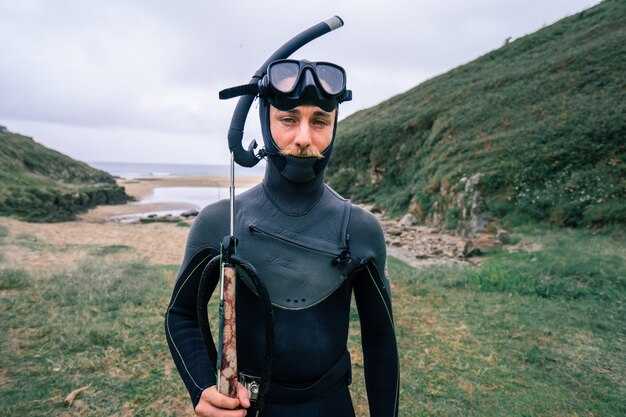
Прибывайте заранее в центр сиесты, чтобы встретиться с командой, проверить свой регулятор и убедиться, что баллон заправлен – вы готовы к безопасному и спокойному выходу.
What to expect on the water
In siesta key, snorkeling sessions are led by experienced instructors who tailor routes to conditions. The boat departs from the slip and charts a course along the gulf coastline teeming with reef fish, rays, and curious crabs. Visibility varies with weather and season; on calm mornings you notice a bright, clear backdrop that makes life along the reef stand out. For divers seeking a deeper experience, the crew can tailor a longer trail back toward the gulf. Your guides meet you at the center before the trip and explain the sites, the safety signals, and the fossils you may encounter on shell beds. The sites offer a mix of personal favorites and official stops; some have a catalina vibe in their reef structure and broad flats that feel expansive yet protected. Youre supported by an experienced team who adjust the route to conditions and time, ensuring you have a rewarding outing. If weather shifts, the crew will notice and switch to a shorter plan, and the center will provide a backup time. Customary safety checks, a quick buddy check, and a clear plan for slips and re-boarding keep everyone prepared.
Some shells hide a fossil fragment, giving you a small window into the Gulf’s distant past. This greatly enhances your opportunity to connect with the gulf’s life. If conditions are unfavorable, the notice can come early and the plan can be shortened or moved to a nearby alternative site, which keeps your experience safe and enjoyable.
Practical tips
Prepare your own gear or rent what you need from the center – your mask, fins, snorkel, regulator, and tank if required. If youre bringing your own equipment, ensure the regulator is functioning, the tank is full, and the slip area is clear for boarding. The operation runs from a center near the waterfront, so you can park, drop gear at the slip, and head to the boat with minimal hassle. Bring reef-safe sunscreen, a hat, and a refillable water bottle; keep valuables in a dry bag on the center or boat. After the session, you return to the center with notes about sites you liked, fossils you noticed, and the wildlife you met, which helps you plan future siesta adventures with greater confidence. If conditions are favorable, you may extend your time at the reef and still return to the marina on schedule.
Practical Gear, Certification & Safety Tips for Venice Dives
Bring a labeled tank with a current hydro test and ensure waivers are on file at the center before you go; that keeps you certified and ready to explore Venice’s backwater waters. Welcome, friends–when you meet at the dock, confirm the route with your guide and sign any final notices promptly.
This setup is perfect for Venice conditions, especially when currents shift between channels and flats and when plankton blooms change visibility.
Gear Essentials
- Mask, fins, snorkel, and a backup mask for variable visibility; consider a 3–5 mm wetsuit for comfort during year‑round Venice sessions.
- BCD, regulator, and a primary meter with an optional secondary (octopus) to share air with a partner.
- Depth meter or gauge, plus a compass or small console; verify readings before proceeding.
- Primary and backup illumination for murkier mornings near secca or wrecks; waterproof housings help if you plan to photograph plankton blooms.
- Surface Marker Buoy (SMB) and a whistle to signal your location between sites.
- A line, reel, spare O‑rings, and a small toolkit; these tips save time in case of equipment issues.
- Protection: lightweight sunscreen, hydration, and snacks; optional items include a spare mask or camera housing.
In Venice, zones such as tegnue and secca require extra caution when currents shift with tides and when visibility changes. Notice guides at the center briefing and proceed only with their plan. The water teeming with plankton can change visibility between sites; adjust your pace accordingly. The tooth of barnacles on older structures is a reminder to avoid rough contact with any surface.
Certification & Safety Tips
- Make sure you hold a current certification from a recognized agency; bring the card and a photo ID; this is required by most operators.
- Complete and sign waivers ahead of time; some operators mark waivers optional only for special programs, but most routes require.
- Meet your guide at the dock or center; typical departure times are early, so arrive with equipment ready and welcome at the briefing.
- Stay with your friends and maintain buddy contact; plan the route between sites for safety and efficiency.
- Monitor air with your meter and agree on a surface plan (e.g., surface after 50–70% remaining); signal if you need to return early.
- Respect currents near the Tamiami area; adjust depth and pace accordingly and never equalize aggressively in unfamiliar zones.
- Pause for a safety stop at about 5 meters for a few minutes to reduce nitrogen buildup and improve control in choppy water.
- Notice any equipment issues promptly and signal to your guide; do not continue if a regulator, hose, or gauge shows a problem.
- Respect wildlife: keep distance from creatures and never remove anything from wrecks; this is a common safety practice.
- Know the emergency procedures: follow your operator’s plan and know where shore support and waivers are in case you must react quickly, and be ready to meet the crew at short notice.
Booking, Seasons & Local Regulations: When to Dive in Venice
Plan your underwater excursions in Venice, Florida for April–May or September–October to maximize visibility, water warmth, and calm seas. Also book ahead at least two weeks, especially for weekend trips from the fishermans center, and confirm rental gear in advance.
Weather patterns shape your windows: spring and autumn typically offer clearer days with light winds, while winter brings northerly gusts that can churn the surface, and summer comes with daily showers and occasional tropical activity. Siesta winds can push surface conditions midday in summer, so schedule morning trips for steadier seas when possible. Always check NOAA forecasts before booking, and be prepared to shift plans if fronts form.
Local regulations require using a licensed operator and a safety briefing before any outing. Most trips limit to 6 divers per guide to protect secca and nearby structures, and advanced divers require certification. All participants must meet a quick medical check and the operator’s required briefing before departure.
On the day, check in at the center 15–20 minutes before departure; bring fins, mask, a regulator, and any personal gear. Rental gear is available, and you can also add a buoyancy aid if you like. Pack water, a hat, reef-safe sunscreen, and a small snack. The center welcomes divers and will help you meet the right trips and times.
Site notes: The Secca wreck area and nearby reefs host an abundance of sea life teeming around ledges. North-facing shores tend to offer calmer surface conditions when winds come from the south. Trips include a brief navigation check and a light surface interval; watch your bubble as you breathe and stay buoyant and aware of other divers. The fishermans dock remains the common meeting point for transfers to the center.