


 Русский
  English (UK)
  العربية
  日本語
日本語  한국어
한국어  Magyar
  Türkçe
  Español
  Čeština
  Svenska
  Português
  Ελληνικά
  Suomi
Suomi  Nederlands
  Română
  Italiano
  Français
  Polski
  Українська
  Deutsch
  简体中文
简体中文  Slovenčina
  How to Avoid Common Pitfalls When Booking a Boat">

Booking a boat, whether for a serene sailing holiday, an adventurous exploration, or a special event, promises an unforgettable experience on the water. However, the path to a perfect maritime getaway is often fraught with potential challenges. From navigating complex contracts to uncovering hidden costs and verifying the legitimacy of charter companies, there are numerous boat rental mistakes that can transform a dream voyage into a logistical nightmare. This guide aims to equip you with the knowledge and foresight necessary to navigate the booking process confidently. It will help you secure a safe, enjoyable, and transparent boat charter, avoiding the common pitfalls that many first-time (and even experienced) bookers encounter.
The Foundation of a Flawless Charter: Thorough Research
The initial phase of your boat booking journey is arguably the most critical. Adequate research forms the bedrock of a successful charter, helping you steer clear of significant issues down the line.
Vetting the Charter Company and Broker
One of the most significant avoiding boat booking pitfalls strategies involves rigorous vetting of the charter company or broker. In an increasingly digital world, it is easy to fall prey to illegitimate operators or those with substandard services. Always prioritize companies with a strong, verifiable reputation. Look for extensive positive reviews on independent platforms, not just testimonials on their own website. Check for industry certifications and affiliations with reputable associations like MYBA (Mediterranean Yacht Brokers Association) or CYBA (Charter Yacht Brokers Association). A legitimate broker acts as your advocate. They offer expertise, use industry-standard contracts, and often manage payments through secure escrow accounts, providing a crucial layer of protection for your funds. If a deal seems too good to be true, it likely is; be wary of unrealistic pricing or operators demanding direct bank transfers without a formal contract.
Understanding Licenses and Regulations
Before committing to any booking, ensure the boat and its crew are properly licensed for commercial charter in your chosen destination. This is paramount for safety and legal compliance. In many regions, captains carrying paying passengers must hold specific commercial licenses, and larger vessels may require regular inspections. A reputable company will readily provide proof of these credentials. Furthermore, familiarize yourself with any local boating regulations or restricted areas in your planned itinerary. Failing to do so can result in fines, legal complications, or even the termination of your charter. A well-informed charterer reduces risks significantly.
Deciphering the Contract: Beyond the Base Price
The contract is the cornerstone of your charter agreement. A failure to thoroughly understand its clauses is a common error that can lead to unexpected expenses and disputes.
Uncovering Hidden Costs and Fees
The advertised base price for a boat charter often does not include all expenses. A major aspect of avoiding boat booking pitfalls is to meticulously identify and budget for all potential additional costs. These can include:
- Advance Provisioning Allowance (APA): Typically 25-35% of the base charter fee for crewed charters, covering food, beverages, fuel, port fees, and other running expenses. It is an estimated amount paid upfront to the captain, who manages the budget and provides a detailed accounting at the end of the charter.
- Fuel: Fuel consumption can be substantial, especially for motor yachts. Clarify the yacht’s fuel policy and consumption rates. Distances traveled and cruising speed significantly impact this cost.
- Dockage and Mooring Fees: Overnight stays in popular marinas or busy ports can incur significant charges. While anchoring in secluded bays might be free, knowing when and where you’ll pay for mooring is essential for budgeting.
- Taxes: Value Added Tax (VAT) or local tourism taxes vary by country and can range from 0% to over 20% of the charter fee. Confirm this percentage and whether it’s included in the quoted price.
- Crew Gratuities: Tipping the crew is customary in the yachting industry, typically ranging from 10-20% of the base charter fee. This is usually given directly to the captain at the end of the trip for distribution among the crew.
- Water Toys and Special Equipment: While some basic water toys might be included, specialized equipment like jet skis, scuba diving gear, or e-foils often come with additional rental fees.
- Delivery Fees: If the yacht is not in its usual cruising grounds and needs to be delivered to your embarkation point, you might incur a delivery fee.
Ensure every single cost is clearly itemized in your contract or a comprehensive quote. Do not hesitate to ask for clarification on any ambiguous terms.
Cancellation Policies and Insurance
Life is unpredictable, and unforeseen circumstances can arise. Consequently, a critical element of avoiding boat booking pitfalls involves understanding the cancellation policy and considering adequate insurance. Charter agreements often have strict cancellation clauses, with penalties that can range from a percentage of the charter fee to the entire amount, depending on the proximity to the departure date. Inquire about options for rescheduling or partial refunds in case of severe weather or other force majeure events. Furthermore, consider purchasing comprehensive travel insurance that specifically covers trip cancellation and interruption for yacht charters. This type of insurance can protect your financial investment in case you need to cancel due to illness, travel disruptions, or other covered reasons.
Practical Considerations for a Smooth Sailing
Beyond the contractual fine print, several practical aspects can make or break your boat booking experience. Addressing these upfront ensures a smoother journey.
Matching the Yacht to Your Needs
The right boat makes all the difference. Consider your group size, budget, desired level of comfort, and the activities you plan. Monohulls offer a traditional sailing experience. Catamarans provide stability and spaciousness, often preferred for family charters or those prioritizing comfort. Motor yachts are faster and ideal for covering vast distances. Do you need specific amenities like a dedicated chef, a dive compressor, or certain water toys? Communicate your preferences clearly to your broker. An appropriate vessel for your itinerary and passenger count is essential for comfort and safety.
Crew Qualifications and Expectations
For crewed charters, the crew is integral to your experience. Inquire about the captain’s and crew’s qualifications, experience, and the languages they speak. Many crewed charters operate on a “plus expenses” model. Here, the crew’s service is covered in the base fee, but their provisions are part of the APA. Discuss your expectations regarding service levels, meal preferences, and privacy. A well-briefed crew can significantly enhance your trip. Moreover, understanding the dynamic and roles of the crew helps to foster a harmonious environment onboard.
Weather Considerations and Itinerary Flexibility
The weather is the one variable you cannot control, and underestimating its impact is a common boat rental mistake. Always check the long-range forecast before finalizing your itinerary, and be prepared for flexibility. A reputable captain will prioritize safety above all else and may alter the route or schedule due to adverse weather conditions. Discuss alternative routes or sheltered anchorages with your captain. A rigid itinerary in changeable weather can lead to uncomfortable journeys or missed opportunities. Therefore, maintaining some flexibility is vital for a pleasant experience.
Pre-Departure Checks: Your Final Safeguard
Even after diligent booking, a few final checks before departure can prevent last-minute headaches.
Thorough Boat Inspection
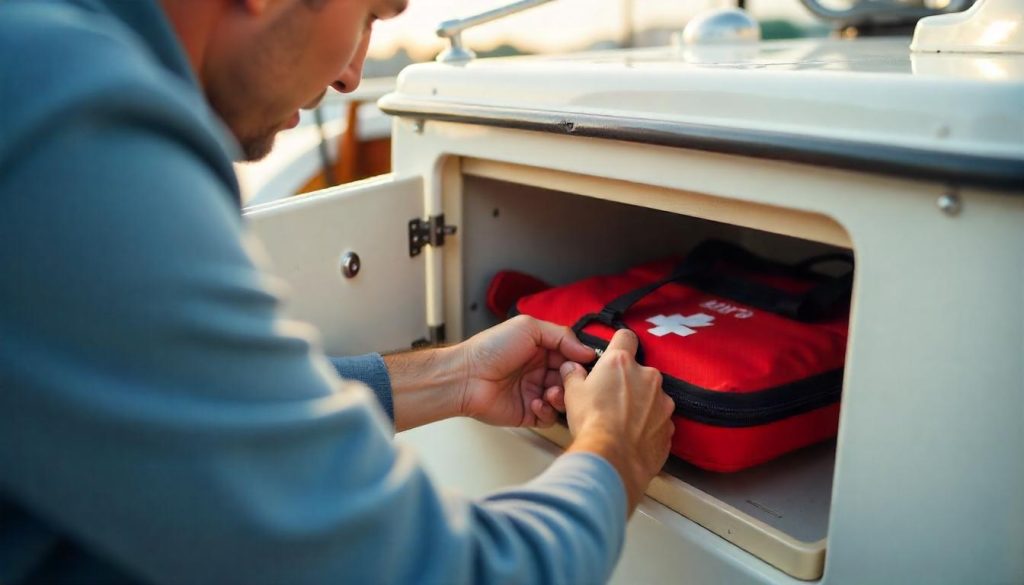
Upon boarding, conduct a thorough inspection of the vessel. This includes checking for any existing damage (scratches, dents, leaks) and ensuring all safety equipment is present and in working order. This includes life jackets (for all passengers, including children, in appropriate sizes), fire extinguishers, emergency signals, and communication systems. Document any pre-existing damage with photos or videos to avoid being charged for it upon return. Ensure the engine is running smoothly and all systems appear functional. This due diligence can save you from unjust fees and ensure operational safety.
Understanding Fuel and Provisioning Policies
Подтвердите политику в отношении топлива с чартерной компанией. Заправлен ли лодка полностью, и вы должны вернуть её с полным баком, или потребление топлива вычитается из APA? Уточните, как будут обрабатываться ваши продукты питания. Если на борту находится шеф-повар, убедитесь, что ваши формы с предпочтениями получены и поняты. Если вы занимаетесь берейботом, выясните, где пополнять запасы и воду во время вашего путешествия. Эти практические детали, хотя и кажутся незначительными, вносят значительный вклад в бесперебойную работу вашей чартерной поездки.
Процесс возврата: Плавное завершение вашего договора аренды
Конец вашей поездки должен быть таким же беззаботным, как и начало. Знание правильных процедур возврата может помочь в avoiding boat booking pitfalls во время высадки.
Финальная проверка и передача дел
Перед тем, как сойти на берег, проведите финальную проверку с капитаном или представителем чартерной компании. Вместе просмотрите состояние лодки, отмечая любые новые повреждения (надеемся, их нет). Обсудите остаток APA или дополнительные сборы. Обеспечьте четкую и документированную передачу судна. Эта прозрачность защищает обе стороны и помогает немедленно разрешить любые расхождения. Кроме того, убедитесь, что все ваши личные вещи и любое арендованное оборудование были убраны.
Разбор полета и обратная связь
Предоставление честной обратной связи вашему чартерному брокеру или компании полезно для всех. Это помогает им улучшить свои услуги и ориентирует будущих клиентов. Если у вас возникли какие-либо проблемы, обратитесь к ним профессионально и конструктивно. Напротив, если ваш опыт был исключительным, положительная обратная связь экипажу и компании всегда приветствуется. Плавный отплыв оставляет положительное последнее впечатление от вашего морского приключения.
В конечном счете, бронирование лодки должно стать захватывающим прологом к невероятному путешествию. Тщательно изучая, полностью понимая контракты, решая практические соображения и проводя предвылетные проверки, вы можете значительно повысить свои шансы на... avoiding boat booking pitfalls. Отправной точкой является Актау, планирование такой поездки требует тщательной координации рейсов и, возможно, транспортировки специализированного оборудования. Тем не менее, с учетом этих стратегий вы можете уверенно ориентироваться в сложностях чартера лодок, обеспечивая незабываемый и беззаботный опыт в открытом море.