


 Русский
  English (UK)
  العربية
  日本語
日本語  한국어
한국어  Magyar
  Türkçe
  Español
  Čeština
  Svenska
  Português
  Ελληνικά
  Suomi
Suomi  Nederlands
  Română
  Italiano
  Français
  Polski
  Українська
  Deutsch
  简体中文
简体中文  Slovenčina
 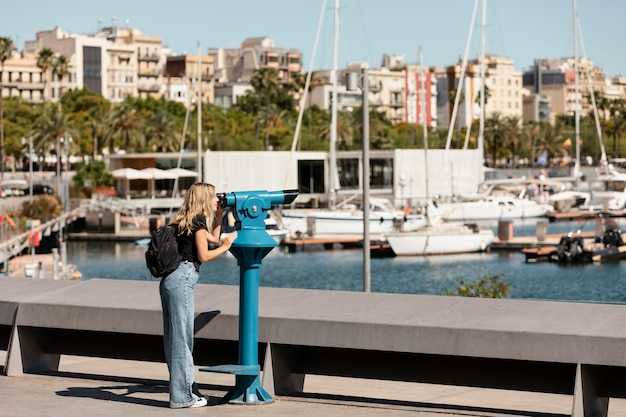 Top 10 Sailing Holiday Destinations in Europe for 2025">

Choose Croatia’s Dalmatian coast for your sailing holiday in 2025. Its sheltered coves, crystal clear waters, and island-hopping routes suit sporty crews and relaxed groups, while simple bookings and a friendly local vibe keep plans flexible.
The Aegean’s meltemi winds shape Greece’s island circuit, especially when moving in june. Sail between Santorini, Paros, and Mykonos to enjoy steady breezes, open-water horizons, and lively coastal towns. For family crews, calmer bays on Naxos и Ios deliver easy anchorages after a day on the water.
Croatia’s Dalmatian coast is steeped in maritime history. It shines in february with milder winter days along the open sea. Short hops between Hvar, Brač, and Korčula keep sailing days compact, while medieval towns like Trogir and Dubrovnik provide memorable local culture and evening meals by the water.
The Balearics–Mallorca, Menorca, Ibiza–deliver sunny, coastal circuits with reliable late-spring winds. Look for highlights such as sheltered coves, lively harbors, and farm-to-table meals after a day at sea. A small pleasure after sunset is to anchor in a quiet bay and listen to the sea. In this region, bookings for preferred boats tend to fill quickly; plan ahead.
For a wilder option, the Azores offer longer hops with rugged shores and prime whales watching in their Atlantic lanes. This arc suits seasoned skippers who want a bit more challenge but still enjoy day sails along volcanic coastlines and emerald islands.
For a broader horizon, some crews map open routes toward indonesia or the ryukyu archipelago, while windward days and currents around European shores keep voyages manageable, budget-friendly, and rich in local culture and marine life.
European Sailing Destinations for 2025: A Practical Roadmap Highlighting Greece’s Sustainable Sailing Push
Start 2025 with a Greece-first plan: hire a modern sailboat from experienced owners who operate with sustainable gear and a strict biofouling routine, and dock at eco-certified marinas that prioritize waste management and shore-based energy.
Base options and route logic: focus on a Cyclades loop (Paros, Naxos, Milos) with a start in Athens or Lefkada, add a Dodecanese leg (Kos, Symi), and allocate 7–10 days for late departures to keep crowds down and winds favorable.
Greece’s sustainable sailing push translates into tangible actions: eco-certified charters, port electrification, waste reporting, and responsible anchoring practices that protect seabeds and reefs. The fact remains that a disciplined approach by owners and skippers yields cleaner anchorages and happier local communities.
Highlights along the coast include Santorini’s cliffside towns, the Kameni volcano, Milos’ dramatic rock formations, and Paros’ sandy coves. Anchoring near islets reduces pressure on busy beaches while leaving space for gentle swims and on-shore walks through archaeological sites and coastal formations.
Wildlife and sea-life add a layer of interest: watch tuna schooling in deeper channels and, during migration windows, humpback sightings along the open coast. Inland nature experiences may be quieter, but the marine life delivers majestic views at sea.
Practical gear and packing tips: choose a sailboat with a robust hull and reliable radar, bring a pack with reef-safe sunscreen, biodegradable soap, and a compact biofouling kit; carry spare parts and a small first-aid kit, and travel light to minimize waste while cruising.
Across Europe for 2025, consider sweden’s archipelagos for a calm substitute or complement to Greek routes. For inland sailing, river itineraries such as the Danube offer cultural depth and sheltered waters. The Canaries provide iguanas on some islets and potential offshore wildlife, plus year-round options for late-season sailing. Whereever you sail in Europe, this approach emphasizes eco-friendly operations, responsible anchoring, and robust safety gear.
Selection Criteria: How We Ranked Europe’s Sailing Spots for 2025
Recommendation: prioritize eco-conscious, protected routes in the ionian or mljet as your core for 2025. These zones offer ideal balance between calm anchorages and luxury amenities, ideal for either a lazy day on deck or a brisk afternoon sail, delivering grandeur and captivating marine life for every place you visit.
We score each spot on five criteria: weather reliability, sheltered harbours, environmental stewardship, anchorage options, and access to amenities. In the ionian, expect sustained breezes of 12–18 knots in July–August with seas near 1–2 m, while central Adriatic routes near mljet and surrounding islets offer 10–16 knots with more predictable conditions. Shelter comes from protected bays and cliffside inlets, reducing surge and anchoring risk. Anchoring policies and marine protection zones keep posidonia meadows safe and boost long-term appeal. Accessibility covers mooring capacity, provisioning options, and shoreline services, while cultural appeal captures local markets, cuisines, and festivals that keep guests engaged throughout the year.
Environmental criteria emphasize posidonia protection and eco-conscious management. We award higher scores to places with no-anchor zones, reef-friendly practices, and clear signage for responsible boating. The measure of attraction weighs coves, lagoons, and cliffside trails that offer captivating scenery without crowding the core harbours.
In numbers, top routes offer more than a thousand moorings across hubs, yet august demand climbs sharply. Early booking and flexible itineraries help you enjoy smoother sailing days and access quieter bays or cays while keeping central routes convenient. This state of demand is increasingly pronounced, underscoring the need for planning ahead and choosing routes that balance effort with reward.
Culture and experience drive the overall verdict: destinations that pair luxury with authentic charm, from cliffside villages to bustling ports. In the ionian and mljet zones, you can enjoy fresh seafood markets, scenic coastlines, and easy access to protected coves–a little carnival vibe in peak season that heightens the sense of adventure for boating enthusiasts and families alike.
Bottom line: for 2025 we favor ionian- and mljet-centric itineraries that balance ideal sailing days, eco-conscious practice, and captivating scenery. Look for routes with robust services, thoughtful green policies, and enough variety to keep you returning year after year, looking forward to the next voyage.
Seasonality and Conditions Snapshot: Best Months for Each Destination
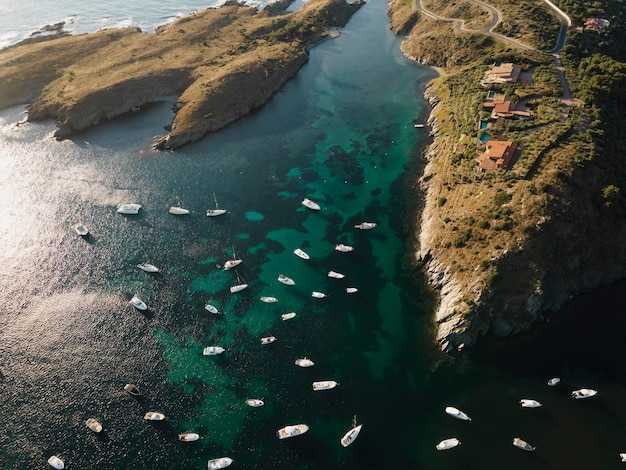
Plan May–June sails in greeces to enjoy calmer winds and warmer water. On board your yacht, you skim along the shoreline and pause at sandy coves perfect for snorkeling. This window is the symbol of tranquility, with about half the crowds you’d see in July and August. Arrive relaxed and ready for the attractions you’re keen on experiencing.
For the dazur coast, target May–June or September–October for the best balance of warmth and crowd avoidance. Sea temperatures hover around 20–23°C and air climbs into the mid‑20s, making every day on board pleasant. Low‑season rates and quieter harbors let you explore without the crush, a welcome escape from peak season. Watch for the occasional Mistral gust along exposed corners and plan sheltered routes along the shoreline to keep conditions favorable.
Head to the Balearics in May–June or September for clear water and reliable winds. Sea ranges 18–23°C with steady breezes around 12–22 knots, perfect for both relaxed hops and sporty day sails along sandy coves. Snorkeling takes you closer to the marine life, and you’ll find quieter harbors in these months, encouraging an unhurried pace along the coast.
Sail the Dalmatian Coast in Croatia during May–June and September for the best blend of warmth and fewer boats offshore. Sea temps sit around 18–21°C and Maestral winds arrive on cue at 12–18 knots, ideal for protected calms near inlets and along the shoreline. You’ll notice dramatic limestone cliffs, hidden coves, and an attraction‑filled coastline that’s easier to experience while you’re escaping crowds.
The Canary Islands offer steady conditions year‑round; proper windows are March–May and September–November. Trade winds hold robust at 15–25 knots, delivering dependable sailing for windward legs along volcanic coasts. Temperatures hover in the comfortable 19–26°C range, with snorkeling opportunities in sheltered bays and lagoons during calmer afternoons.
Madeira shines from April through October, when water sits around 18–22°C and winds stay friendly at 15–22 knots for relaxed to sporty passages. Inland hikes and cliff‑top views complement coastal cruising, so you can alternate between on‑board days and explore moments on land before the next sail.
The Algarve peaks in May–June and September for pleasant seas and fewer crowds. Water runs 16–19°C, while consistent 15–25 knot sessions along open coast deliver true sporty routes. You’ll enjoy rocky headlands punctuated by long sandy beaches, and the shoreline offers accessible anchorages for easy day hops and late‑day swims.
Corsica presents its best balance in May–June and September, with water around 18–22°C and variable winds from 10–25 knots. The coastline blends dramatic rocky sections with sandy bays, giving you scenic runs along windward shores and sheltered pockets to anchor. This half‑weight period keeps crowds modest and the sailing feels authentic, ideal for experiencing the island’s rugged beauty.
Sardinia follows a similar rhythm: May–June and September provide warm days and clear seas, with water near 18–22°C and breezes that ease between 12–20 knots along the Costa Smeralda and other shorelines. The shoreline offers renowned sandy coves and pristine beaches, making every stop feel like a new attraction and a perfect backdrop for on‑deck meals.
Malta works best from April to June and September–October, when air pleasant and water between 16–20°C make snorkeling and swims comfortable. On land you’ll find intriguing inland history and scenery, while on board you can cruise between blue‑lagoon coves and cliff‑top viewpoints. Use mariana and maya markers on your planning map to visualize long hops, and you’ll feel confident arranging half‑day hops that arrive with energy and a sense of discovery.
Greece Case Study: Policy Levers Driving Sustainable Sailing
Adopt a fixed network of 12 eco-certified anchorages around paros and nearby shores, with clearly numbered mooring buoys and a €25 daily fee that funds habitat protection, waste management, and enforcement. Pair this with a clearly published sustainable route to steer trips toward culture-rich sites and minimize crowding, guiding adventurers to spots wherever possible while reserving some routes for something explored by researchers.
Require charter licenses only for operators who submit an environmental management plan and implement a waste-disposal protocol; conduct six-month audits; publish quarterly usage data. Install thin, weatherproof bins along narrow access corridors to keep beaches clean. The policy provides transparency and channels funds to shoreline restoration, seagrass beds, and oyster habitat protection, with explicit targets for each site.
Benchmark Greece against Bequia’s conservation fund model, where a portion of charter revenue supports reef protection and lobster monitoring; Greece can adapt a cruz levy on trips that pass through paros and the Cyclades, ensuring the plan steeped in local culture. The approach gives freedom to sailors while sustaining resources for locals and sites that need it most.
Early pilots in 2024 show an 18% rise in eco-certified trips and a 34% drop in anchor damage events on sensitive shores. Operators report a 12% reduction in average fuel use due to shorter, more efficient routes, and crews increasingly include longer itineraries that highlight culture and cuisine, including oyster menus on selected trips and lobster tastings at coastal tavernas. Howler calls from seabirds remind operators of biodiversity along the route.
Engage local fishing communities with afield workshops to capture feedback on access to anchorages and protection of lobster grounds. Publish a map showing anchorages, spots, and preserved cultural sites; maintain a list of must-visit sites steeped in history and tradition for every season. The policy ensures adventure remains balanced with conservation and respect for local name and heritage.
Climate shifts and monsoon-like wind patterns in the Aegean require adaptive timing for permits and flexible route planning. Schedule seasonal permit windows to avoid peak risk periods and protect habitats; use real-time weather data to adjust routes and allocate resources. Update the anchorages network each year based on ecological indicators and user feedback.
Name the program the Aegean Stewardship Plan and roll it out over 24 months with clear milestones for anchorages, route updates, and stakeholder reviews. This framework yields more opportunities to explore sites with less impact, while respecting culture and shores for future trips.
Инфраструктура портов и доступ для плавания: чего ожидать в Греции и других горячих точках
Базируйтесь в крупной марине, такой как Пирей или Корфу, чтобы обеспечить полный доступ к топливу, воде, электроэнергии от берега и наземным услугам, оставаясь при этом в пределах досягаемости островов. В Греции европейские парусные прогулки сочетают исторические гавани с современными услугами, позволяя вам находить облегчение от переполненных якорных стоянок, не жертвуя атмосферой.
- Пирей/Лаврио (ворота в Афины): глубоководные причалы 4–9 м, навигация AIS и VHF, топливо на месте, береговая электропитание 125 А, надежная вода, прачечные и ремонтные верфи, а также быстрые наземные соединения с метро. Недалеко расположен рынок и таверны на набережной, предлагающие готовый вариант ужина, а сильные берега защищают вас от порывов ветра, предлагая различные варианты питания и покупок для всех.
- Корфу и ионические хабы: длинные волноломы с глубиной 6–8 м, множество гостевых причалов и легкий доступ к островкам, таким как Паксос и Антипаксос. Услуги включают душевые и прокат автомобилей для посещения достопримечательностей в глубине острова; мягкие вечера и спокойная атмосфера привлекают посетителей, а места вдоль причала идеально подходят для наслаждения прибрежной жизнью.
- Крит (Ираклион, Ханья): надежная планировка портов, надежное снабжение и внутренние дороги к известным достопримечательностям. Дорога к городам в глубине острова позволяет наслаждаться традиционными ужинами и бродить по рынкам после дня в море; многие порты, посещаемые моряками, сообщают о стабильной швартовке и дружелюбном персонале гавани, позволяя свидетелям прикоснуться к местной культуре.
Другие популярные места предлагают аналогичную надежность: Сплит и Дубровник в Хорватии обладают защищенными гаванями, длинными пирсами и маринами с глубиной 3–12 м; Майорка и Менорка в Испании предлагают укрытые заливы и эффективные топливные доки; Порто-Черво на Сардинии и Аджаксьо на Корсике сочетают роскошные особняки с надежными причалками. В этих местах острова, прибрежные берега и красочные пейзажи создают разнообразные места для различных маршрутов, с местами, которые понравятся каждому, и привлекательной атмосферой, которой можно насладиться.
Поведение ветра варьируется от гавани к гавани, и порывы ветра могут проноситься по открытым берегам; выбирайте бассейны с надежными волнорезами, когда прогнозы показывают более сильный ветер. В популярных местах Греции и Европы бронируйте швартовые места в оживленных портах заранее в пик сезона, проверяйте навигационные средства до наступления темноты и используйте внутренние маршруты, чтобы сбалансировать дни в море с посещением рынков и ужинами на берегу. Каждая остановка становится полноценной главой, где вы можете увидеть новую достопримечательность, посетить острова и поразмышлять о спокойствии хорошо спланированного маршрута, который подходит всем путешественникам и семьям.
Traveler Planning Toolkit: Budget, Safety, and Responsible Travel Practices
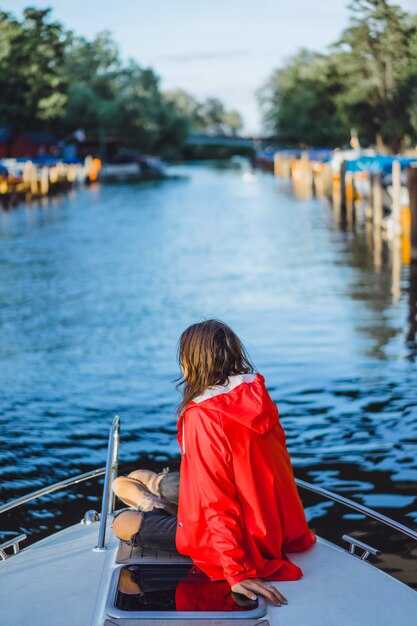
Рекомендация: установите дневной лимит расходов в 120–180 евро, заранее бронируйте стоянки и выбирайте открытые, ориентированные на природу маршруты, которые сочетают в себе островки, внутренние гавани и уединенные бухты для сбалансированного плана, который обходится значительно дешевле бесцельного блуждания.
Для обеспечения провизии и питания посещайте местные рынки, чтобы насладиться кулинарными изысками и устрицами; сочетайте непринужденные перекусы с несколькими запоминающимися впечатлениями, чтобы контролировать расходы и сохранять насыщенный вкус. Такой подход поддерживает остановки в греческом стиле, где сочетаются небольшие бутики, свежие продукты и легкий, прибрежный обед.
Планируйте отплытия в середине июня, чтобы воспользоваться более длинным световым днём и более спокойным ветром, а затем разработайте маршрут, который будет казаться игровой площадкой из маленьких портов, редких мест для стоянки и диких береговых линий. Там вы сможете насладиться моментами, ориентированными на природу, сохраняя при этом маршрут доступным и интимным.
Основы безопасности зависят от компактного комплекта: VHF на борту, спасательные жилеты для всей команды, простая процедура прогноза погоды и вахта из двух человек, когда надвигаются открытые воды. Соблюдение простоты здесь снижает риск и делает посещения берега более расслабленными на внутренних участках или в защищенных заливах.
Ответственное путешествие подчеркивает постановку на якорь везде, где это возможно, для защиты мест обитания морского дна, поддержку небольших бутиков и местных гидов, а также выбор операторов с прозрачной политикой утилизации отходов. Избегайте постановки якоря на деликатные заросли морской травы или кораллы; ищите маршруты для дайверов и знающих дикую природу, и всегда оставляйте после себя чистоту. Благодаря этим выборам есть множество вариантов для вдумчивой, доступной поездки, которая уважает как людей, так и места, здесь, там и везде, когда вы стремитесь к лучшему балансу в каждой ноге.
| Category | Practical Tip | Оценочная стоимость (EUR) |
|---|---|---|
| Швартовка и стыковка | Заранее бронируйте популярные гавани; используйте официальные стоянки для защиты морского дна; планируйте бюджет от 25 до 60 евро за ночь в зависимости от порта и удобств. | 25-60 |
| Provisioning and meals | Покупайте на местных рынках; выделяйте 60-90 евро в день на двоих; попробуйте устрицы и морепродукты; планируйте два легких обеда и один основательный ужин, чтобы сочетать разнообразие с выгодной ценой. | 60-90 |
| Средства безопасности и процедуры | Имейте спасательные жилеты для всех; держите VHF на палубе; проверяйте прогнозы дважды в день; установите простую двухместную вахту для переходов по открытой воде. | – |
| Ответственные методы путешествий | Предпочитайте швартовку якорению в хрупких средах обитания; поддерживайте небольшие бутики и местных гидов; избегайте охраняемых зон, когда это не существенно; уважайте дайверов и дикую природу; выбирайте устойчивых операторов, когда это возможно. | – |