


 Русский
  English (UK)
  العربية
  日本語
日本語  한국어
한국어  Magyar
  Türkçe
  Español
  Čeština
  Svenska
  Português
  Ελληνικά
  Suomi
Suomi  Nederlands
  Română
  Italiano
  Français
  Polski
  Українська
  Deutsch
  简体中文
简体中文  Slovenčina
 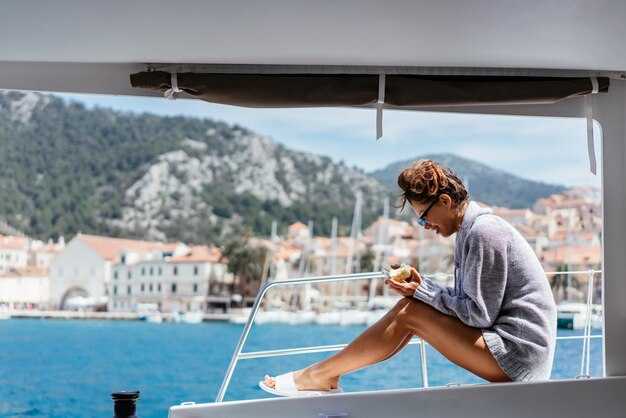 The Best Boat Rentals in Croatia – Top Charters, Prices and Tips">

Для солнечного отдыха в Хорватии выберите чартерное судно без экипажа вдоль побережья, чтобы получить гибкие маршруты и контролировать свой визит. С такой настройкой клиенты плавают между тихими бухтами и оживленными городами, строя планы на ходу и избегая фиксированных маршрутов.
Начните с практичного списка мест назначения: Сплит, Хвар, Корчула, Брач, Вис и Дубровник. По пути вы можете встать на якорь возле пещеры, поплавать в кристально чистой воде и даже быстро принять душ перед обедом. А special изюминкой может стать Голубая пещера Бишево, за которой последует парусный спорт на закате вдоль защищенных бухт побережья Пелешац.
Франсуа часто встречает гостей на базе и может адаптировать планы для вашей группы. Когда вы прибудете на базу, он направит вас к местам вдали от проторенных дорог и предупредит о часах пик. Вы можете встретиться с ним у дока и попробовать местные напитки, пока дети исследуют воду.
Цены на аренду яхты без экипажа зависят от размера лодки и сезона. Ожидайте примерно 250–450 евро в день за компактную 2–3-каютную яхту весной или осенью, с повышением до 450–700 евро в пиковые недели и 700–1100 евро за более крупные лодки 40–45 футов в июле и августе. Некоторые флоты включают топливные надбавки или скидки при бронировании на несколько недель, что помогает с провизией и поддержанием напитков в прохладном состоянии.
Перед бронированием проверьте записи о безопасности, наличие душа на борту и понятность планировки лодки. Ищите лодки с прочной quality отделанные поверхности, ухоженные матрасы и надежное навигационное оборудование. Составьте гибкий график, оставляющий время для спонтанного плавания, объезда пещеры или остановки для дозаправки, когда датчик топлива опустится. Если вы хотите посетить несколько мест за одну поездку, выбирайте операторов, которые публикуют четкие карты маршрутов и портовые сборы.
Чтобы получить максимальную отдачу от своего чартера в Хорватии, бронируйте заранее и сравнивайте операторов по возрасту лодки, записям о техобслуживании и отзывам гостей. Сосредоточившись на requirements такие как конфигурация спальных мест, камбузы и ванные комнаты, вы максимально повысите комфорт и безопасность во время исследования солнечных морей. обязательно рассмотрите возможность зайти в пещерную якорную стоянку и познакомиться с местными жителями, такими как françois, чтобы обогатить свой опыт, а затем отправляйтесь в путь с воспоминаниями, которые останутся надолго после поездки.
Практическое руководство по бронированию чартера в Хорватии
Бронируйте свой чартер в Хорватии как минимум за 6–8 недель до отправления в июле-августе, чтобы зафиксировать предпочтительные маршруты и лодки; раннее планирование экономит деньги и гарантирует, что вы сможете выбирать из парусников, крейсеров и катамаранов.
Базовые варианты охватывают Истрию на севере до Сплита и Дубровника на юге. Из Истрии вы попадете в спокойные утра и укромные бухты, а Сплит открывает быстрые перелеты до Хвара и Брача. Имея домашнюю базу, вы можете разнообразить маршруты, подстраиваться под ветер и чередовать дни в голубой воде с комфортными ночами в портовых городах.
При сравнении предложений обратите внимание на тип лодки, включенный экипаж и то, что входит в суточную ставку. Цены варьируются в течение сезона; ожидайте, что стоимость парусных лодок будет ниже, чем катамаранов или больших круизных судов. Для аренды лодки без экипажа требуется действующая лицензия; услуги шкипера или капитана увеличивают ежедневные сборы, но упрощают логистику, особенно для новичков или групп, отмечающих особые события.
- Места отправления: Истрия, Сплит, Задар или Дубровник; рассмотрите возможность добавления маршрута на основе дополнительных услуг, который охватывает близлежащие острова.
- Варианты лодок: парусные лодки для маневренности, крейсеры для пространства или катамараны для устойчивости и площади палубы.
- Выбор экипажа: без экипажа или с капитаном; многие предложения включают услуги капитана при бронировании.
- Включено: постельное белье, туалетные принадлежности, снаряжение для сноркелинга, шлюпка, топливная политика, портовые сборы и ночные стоянки на якоре.
- Продолжительность и маршруты: типичные поездки длятся 3–10 дней; продолжительность варьируется в зависимости от ветра, погоды и доступности порта.
Если вы новичок в хорватских чартерах, наймите шкипера; многие экипажи разрабатывают маршруты специально для вашей группы. Неформальные группы часто наслаждаются утренним плаванием и вечерами в городах с торжествами, рынками и ресторанами на набережной вдоль лазурного берега.
Чтобы принимать более взвешенные решения, наметьте несколько якорных стоянок вокруг Истрии или Сплитского архипелага, а затем сравните предложения по длине маршрута, количеству заходов в порт и включенным услугам. Ищите гибкие условия отмены, разумные дополнения и четкую топливную политику, чтобы вас не удивили дополнительные сборы после круиза. Если вас интересуют трансграничные достопримечательности, некоторые маршруты простираются в сторону Котора на побережье Черногории или в сторону Греции для более длительного путешествия, в зависимости от размера судна и требований к разрешению.
Примерный 5-дневный маршрут (Пула в Истрии → Црес → Лошинь → Раб → Крк → обратно в Пулу) дает практическое представление о ежедневном времени плавания и ночевках в гаванях. Ежедневное время плавания составляет около 4–6 часов, возможны и более длительные переходы при благоприятном ветре. Многие путешественники используют такие маршруты, чтобы сочетать путешествие по островам с неторопливыми днями на палубе и быстрыми визитами на берег для еды и осмотра достопримечательностей.
- День 1: Отправление из Пулы (Истрия) после завтрака, прибытие на остров Црес к концу дня; встаньте на якорь в живописной бухте или поужинайте в портовом городе.
- День 2: Црес – Лошинь, с полуденной остановкой в защищенной бухте; насладитесь обедом на берегу моря и прогулкой на закате в Мали-Лошинь.
- День 3: Лошинь в Раб, исследуйте старый город и пляжи Раба; варианты для короткого похода или непринужденного плавания перед ужином.
- День 4: Раб в Крк, проезд по живописным каналам, затем прогулка по городу Крк или виноградникам на скалах Врбника вечером.
- День 5: Возвращение из Крка в Пулу, с последним утренним плаванием и высадкой экипажа в марине в полдень.
Перед окончательной подготовкой убедитесь в наличии страхового покрытия, проведите инструктаж по технике безопасности и подтвердите наличие туалета и спальных мест на борту. Для гибких планов выбирайте лодки, которые предлагают сочетание непринужденных маршрутов и структурированных маршрутов, чтобы учесть размер группы и погодные условия. Дорогой читатель, при правильном сочетании базы, типа лодки и шкипера вы сможете насладиться спокойным отправлением и незабываемыми праздниками вдоль побережья Хорватии.
источник willem
Что включено в типичную стоимость аренды яхты в Хорватии: лодка, шкипер, топливо и сборы
Всегда запрашивайте четкую, детализированную смету, которая покрывает базовую стоимость аренды, услуги шкипера, топливо и все сборы. Прозрачная разбивка позволяет сравнить варианты от Далматинского побережья до европейских баз и найти наилучший вариант для ваших дат и группы.
- Лодка и каюты: Аренда должна включать судно и его каюты с указанным количеством спальных мест, постельным бельем и необходимым оборудованием. Проверьте возраст лодки и историю технического обслуживания, а также убедитесь, что для всех находящихся на борту имеются спасательное оборудование и спасательные жилеты.
- Шкипер и команда: Большинство хорватских чартеров включают шкипера, имеющего действующий сертификат и говорящего как минимум на одном распространенном туристическом языке. Если присутствует хост или дополнительный член экипажа, уточните их обязанности, ежедневные часы работы и то, предоставляется ли питание как часть их услуг или оплачивается отдельно. Пожалуйста убедитесь, что они могут удовлетворить любые языковые потребности вашей группы.
- Топливо: Уточните, включено ли топливо в стоимость или оплачивается по факту потребления. Для составления бюджета ожидайте топливную надбавку, основанную на фактическом использовании, со справедливым ограничением и письменным положением о том, как измеряется топливо в конце чартера.
- Сборы и налоги: Ожидайте, что в счете будут указаны сборы за стоянку, портовые сборы, НДС и плата за уборку. Некоторые операторы указывают снабжение или финальную уборку как отдельные пункты; заранее уточните эти суммы, чтобы избежать неожиданностей.
- Обеспечение провизией, питание и закуски: Многие команды предлагают питание, приготовленное на борту, с закусками и безалкогольными напитками, включенными в стоимость или доступными в качестве дополнения. Если питание включено, запросите примерное меню и обратите внимание на любые диетические ограничения ваших клиентов.
- Дополнительные услуги и оборудование: Уточните, что входит в стоимость помимо основных вещей — снаряжение для сноркелинга, ласты, полотенца и доска для гребли стоя часто предлагаются в качестве дополнений. Если вы хотите чего-то особенного, запросите это заранее, чтобы убедиться в наличии.
- База и маршруты: Уточните базу посадки на далматинском побережье и разрешенный маршрут. Некоторые маршруты ориентированы на переходы между островами вдоль маршрутов Сплит, Хвар и Дубровник, в то время как другие остаются ближе к береговой линии с более короткими ежедневными этапами. Узнайте, предлагаются ли трансферы из Ольбии или других узловых пунктов и по какой цене, особенно если ваши даты требуют плана с несколькими городами.
- Платежи и депозиты: Ожидайте гарантийный депозит и четкую политику отмены. Обратите внимание на график платежей и приемлемые методы для защиты как клиентов, так и операторов.
Когда вы планируете, перечислите ваши dates и предпочитаемые каюты, затем request полная разбивка от базового оператора. Хороший хорватский чартер обеспечивает замечательный баланс комфорта и стоимости, с питанием и закусками, которые поддерживают расслабленную атмосферу и сосредоточенность команды на вашем приключении по Далматинскому побережью. Если вы взвешиваете варианты, сравните как минимум три предложения, обращая внимание на то, что included и что требует дополнения, чтобы вы могли найти самую выгодную цену для своей группы.
Лучшие регионы для путешествия по островам: Далматинское побережье, Истрия и основные моменты Корнати
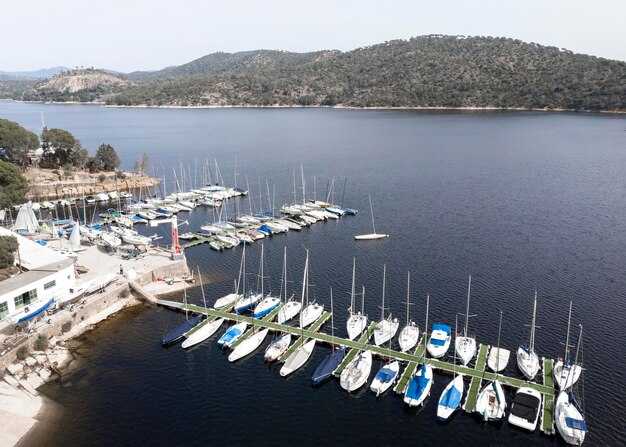
Начните свое путешествие по островам с Далматинского побережья. Здесь вы найдете самую надежную последовательность близлежащих островков – Элафити, Брач, Хвар, Корчула и Млет – в пределах 15–30 морских миль в день, что идеально подходит для поездок с детьми. Утром море спокойнее, что позволяет быстрее перемещаться между портами и находить время для прогулок по берегу или быстрого перекуса. Планируйте 3–5 часов плавания ежедневно, а затем якорьтесь в защищенной бухте на ночь. В аренду входит парусник модели dufour, выбранный за устойчивое управление и предсказуемую скорость. Наличие меняется в зависимости от сезона, так что booking заранее гарантирует бесперебойный график и варианты действий, если вы столкнетесь с проблемой. Этот подход работает потому что это уменьшает утреннюю усталость и поддерживает вовлеченность семьи, и когда вы встречаете местных жителей, например, niko в гавани они разделят predetermined маршрут, который экономит время и позволяет избежать интенсивного движения.
Переключите внимание на Истрию, чтобы найти более спокойную альтернативу с превосходными пейзажами и прибрежным очарованием. Коридор Ровинь–Пореч–Врсар предлагает 8–18 морских миль между остановками, что делает утро идеальным для кофе на палубе и быстрого плавания перед обедом. Станьте на якорь у Лимского фьорда, недалеко от старого города Ровиня, или в защищенных бухтах вокруг Пореча. Большинство пунктов проката находятся в Фажане, Пуле и Ровине, с availability strong outside peak weeks. Advance booking обеспечивает доступ к лодкам, подходящим для семейного отдыха, снаряжению для детей и стабильному плаванию со скоростью около 5–6 узлов в течение 3–4 часов в день. Если вы предпочитаете дополнительную уверенность, добавьте шкипера с certificate компетентности и наслаждайтесь плавным темпом, который делает хорватский holiday кажется легким и непринужденным.
Корнати привлекают своей дикой и технически сложной природой. Этот архипелаг, состоящий примерно из 140 известняковых островов, расположен недалеко от Задара и требует тщательной прокладки маршрута и быстрого принятия решений. Он лучше всего подходит для опытных моряков или семей с опытным капитаном. Расстояния между якорными стоянками короткие, но навигация требует внимания, поэтому в большинстве маршрутов используется predetermined последовательность для минимизации передвижения под мотором по каналам. Ожидайте 6–12 миль на перегон и 3–5 часов в море, затем защищенную бухту на ночь. Швартовочные буи ограничены, поэтому многие путешественники полагаются на аренду с надежным планом гавани и шкипером. Если вы базируетесь в Биограде-на-Мору или Муртере, вы можете построить многодневный маршрут по близлежащим жемчужинам Корнати и вернуться к закату snacks ashore. Для черногорских расширений некоторые операторы организуют дополнения к kotor или Тиват чтобы расширить возможности круиза.
Практические советы для всех регионов: booking ранние блокировки в типе лодки, который вы хотите, особенно sailboats как dufour, и предохраняет от замен в последнюю минуту. Проверьте availability разные даты и учитывать advance депозит для обеспечения того же судна на несколько дней trip. Для семей выбирайте лодки с безопасными палубами, легким доступом и пространством для snacks и kids’ передачу. Некоторым операторам требуется a certificate для самостоятельного плавания; если у вас его нет, наймите шкипера или выберите инклюзив rental с командой. Если вы планируете более широкий круг по Адриатике, заранее договоритесь о вариантах пересечения границы и подтвердите. availability вместе с оператором, чтобы избежать задержек, потому что плавный ритм делает праздник по-настоящему запоминающимся.
Выбор транспорта: моторные лодки, парусные лодки, катамараны и туры на байдарках
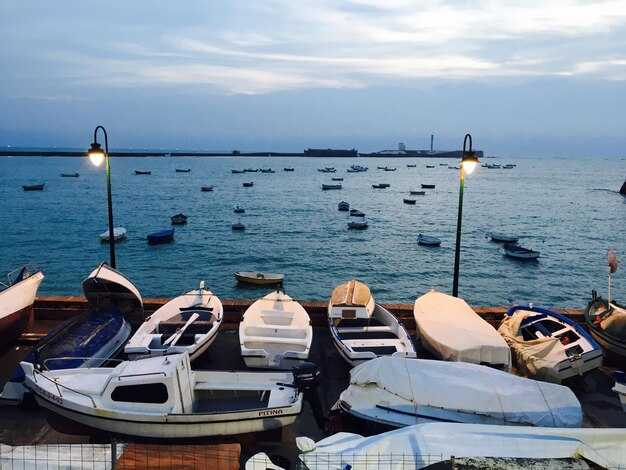
Для большинства новичков, берущих яхту в аренду вдоль Далматинского побережья, моторная лодка — лучший отправной пункт. Эти быстрые суда быстро перемещаются между Шибеником и близлежащими бухтами, достигают лучших мест к позднему утру и адаптируются на лету. Большинство единиц - fitted с GPS, УКВ-радиостанцией, спасательными жилетами, затененными сиденьями и холодильником для закусок. Типичные планы на день охватывают 60–100 морских миль за 6–10 часов, с high-сезонные тарифы в average диапазон 500–900 евро для моделей среднего класса. Моторные лодки, вмещающие 4–6 гостей, предлагают скорость, уединенность и гибкий маршрут, что делает их надежным solution когда вам нужно преодолевать большие расстояния без стресса.
Предпочитаете ветряной, более медленный темп? Под парусом вы научитесь морскому делу и сможете путешествовать по архипелагам, ощущая более тесную связь с морем. Типы яхт варьируются от компактных 30–40 футовых однокорпусных до более крупных 40–60 футовых шлюпов, вмещающих от 2 до 6 гостей для коротких поездок и от 4 до 7 для недельных маршрутов. Маршруты через Корнати и близлежащие островки вознаградят вас спокойным планированием и плаванием под парусом на закате. Для плавания без экипажа обычно требуется действующая лицензия или международный сертификат; чартер с капитаном устраняет это препятствие, обеспечивая при этом подтвержденную безопасность для вашей команды. Те, кто отмечает дни рождения, могут наслаждаться вечерами на берегу с местными закусками, превращая каждый день в незабываемую главу для всех.
Катамараны сочетают в себе пространство, устойчивость и социальный комфорт. Круизные катамараны длиной от 40 до 60 футов предлагают несколько кают, широкую палубу и просторный салон, идеально подходящие для всех на борту. Обычно они вмещают 6–12 гостей и имеют более высокую суточную плату, чем однокорпусные суда, но дополнительное жилое пространство облегчает осмотр достопримечательностей и принятие солнечных ванн. Для чартеров в конце сезона ищите установленный генератор и кондиционер, чтобы чувствовать себя комфортно после захода солнца. Варианты бронирования осуществляются через сети в Нидерландах и на Мальте, что помогает вам сравнить флот и выбрать лучшее предложение. Те, кто арендует судно с экипажем, могут сосредоточиться на видах, пока капитан занимается прокладкой маршрута через оживленные гавани. Если вы арендуете судно недалеко от Шибеника и хотите получить удовольствие от высокого качества, катамаран часто является тем самым. recommended choice for groups of friends or family.
Каякинг-туры предоставляет практическую альтернативу для небольших групп, желающих оставаться недалеко от берега. Организованные поездки на одно- и двухместных каяках охватывают защищенные бухты и спокойные каналы, с ежедневными расстояниями 6–15 км и короткими переходами по чистой воде. Туры включают в себя средства безопасности, карты и небольшой запас закусок; цены обычно колеблются в диапазоне 40–70 евро на человека за мероприятия на полдня. Если вы хотите большей глубины, существуют многодневные прибрежные заплывы рядом Тиват и по маршрутам, прилегающим к Черногории, с оборудованием и питанием, организованным оператором. Бронирование можно осуществить через хорватские агентства или международные сети из Нидерландов и Мальты, чтобы обеспечить надежный источник расписаний (источник) и отзывов. Для празднования дня рождения или мягкого знакомства с побережьем, прогулка на закате - восхитительный вариант, который everyone можете наслаждаться. А если вам интересно, с чего лучше начать, то каякинг часто является идеальным вариантом late день отдыха после дня на крейсерах или парусниках. Поблагодарите свою команду тостом на палубе после гребли, и вы создадите незабываемый момент.
Как получить лучшие предложения на GetMyBoat и Kayak Safaris Tours
Бронируйте отправления вне пикового сезона в конце весны или в конце лета, чтобы зафиксировать экономию от 15 до 35% на турах GetMyBoat и Kayak Safaris. Фильтруйте по цене, типу лодки и общей стоимости поездки и стремитесь к бронированию в солнечных бухтах с более короткими трансферами из центрального узла. В эти периоды круизные маршруты вдоль северного побережья обычно спокойнее и доступнее.
Для безопасности и простоты выбирайте варианты с капитаном; аренда яхты без экипажа подойдет для уверенных шкиперов. Горан дал простое правило: выбирайте маршруты с капитаном для семей с детьми, а затем сравните тот же маршрут с вариантом аренды яхты без экипажа, чтобы увидеть разницу в стоимости.
Типы лодок, которые стоит рассмотреть, включают катамараны для простора, моторные лодки для скорости, парусные лодки для классических круизов и байдарки для изучения близлежащих скрытых бухт. Если вы гонитесь за атмосферой регаты, выбирайте парусную лодку или катамаран с опытным шкипером. Внимательно ознакомьтесь с каждым объявлением на предмет требований к лицензии, предохранительного снаряжения и опыта экипажа; эти детали показывают, что вы действительно получаете за свой бюджет.
Советы по бронированию: ищите скидки, привязанные к большей продолжительности или комбинациям с каякингом, настройте оповещения о снижении цен и сравните как минимум три варианта для одного и того же маршрута. Подтвердите, что включено в цену, особенно топливо, оборудование и страховка, и проверьте наличие лицензии у шкипера.
Планируйте поездки из Дубровника, Сплита и Задара, но рассмотрите северные маршруты, где течение более спокойное и лодки отправляются ежедневно в пик сезона. Если вы хотите провести спокойный семейный день, выбирайте тихие бухты и мелководье – солнечный фон сделает семейную экскурсию идеальной.
Тем, кто стремится к выгоде, следует встретиться с экспертом перед бронированием и запросить индивидуальный план, который подходит для всех. Многие объявления предлагают многодневные маршруты по Адриатике; сочетание аренды лодки с каяк-сафари может сэкономить средства и обеспечить более широкий опыт.
Лицензирование, требования к шкиперу и страхование, которые вам необходимы перед отплытием
Наймите лицензированного шкипера, если у вас нет местного сертификата на право управления яхтой; это хороший выбор, который снимает напряжение, связанное с навигацией и швартовкой в незнакомых водах. Многие операторы проката рядом с Шибеником, вдоль Далматинского побережья, предлагают шкипера в аренду в качестве стандартной опции, поэтому вы можете наслаждаться прекрасными видами и сосредоточиться на впечатлениях, а не на картах.
Основы лицензирования: Если вы планируете ходить на катамаранах или любом судне без нанятого шкипера, возьмите с собой сертификат, признанный хорватскими властями (например, международный ICC или RYA Day Skipper). Правила варьируются в зависимости от размера лодки и мощности двигателя, поэтому перед регистрацией ознакомьтесь со списком приемлемых лицензий оператора. Если ваш документ не принят, вы можете нанять шкипера или выбрать более короткий период аренды. Время на воде может зависеть от компетентности экипажа, поэтому подтвердите это перед бронированием. Некоторые операторы охватывают рынки Хорватии и Нидерландов, поэтому уточните последствия трансграничного лицензирования и страхования. Всегда проверяйте; никогда не предполагайте, что правила остаются идентичными для всех флотов.
Страхование: Ознакомьтесь с условиями страхования аренды. Убедитесь в наличии страхового покрытия корпуса и ответственности, уточните размеры франшиз и выясните, кто несет расходы после страхового случая. Большинство договоров аренды включают залог или отказ от страховки; внимательно ознакомьтесь с деталями, чтобы понять, что покрывается для далматинских катамаранов или каютных крейсеров. Запросите действующий страховой сертификат и убедитесь, что он покрывает ответственность перед третьими лицами в случае, если вы будете плавать по оживленным маршрутам возле Шибеника и вдоль далматинского побережья. источник
Требования к шкиперу: Даже при наличии нанятого шкипера вы должны знать основы, такие как управление двигателем, проверка погоды и инструктаж по технике безопасности. Если вы выбираете аренду яхты без экипажа с лицензией, подтвердите статус шкипера в контракте и убедитесь, что его квалификация соответствует выбранному вами судну (для катамаранов обычно требуется больше практической команды). Бронирование шкипера — хороший вариант для групп, предпочитающих непринужденную атмосферу, чтобы вы могли наслаждаться пейзажем, пока команда занимается планом плавания; такой подход имеет смысл для новичков и семей. Условия погоды и моря Soleil заставляют вас соблюдать ограничения и знать, куда вы направляетесь.
Регистрация и оформление документов: Убедитесь, что судно и ваша команда должным образом зарегистрированы в местных органах власти, и что оператор заранее регистрирует лодку у капитана порта. Манифест должен включать официальное название судна, регистрационный номер и флаг. Во время стоянки в далматинских портах недалеко от Шибеника предъявляйте лицензию и регистрацию по мере необходимости и имейте на борту копии. Для катамаранов подтвердите количество кают и планировку, чтобы они соответствовали вашей группе и распорядку дня; всегда имейте план обеспечения провизией и питанием.
Провизия, еда и выбор: Заранее спланируйте закупку провизии на местных рынках в Шибенике или вдоль побережья и согласуйте с арендодателем, какое оборудование есть на борту. Некоторые компании предоставляют стартовый набор, другие ожидают, что вы совершите покупки на берегу; выбирайте судно с хорошо оборудованной кухней и компоновкой каюты, которая подходит вашей группе. Если вы предпочитаете непринужденную атмосферу, катамаран с несколькими каютами может быть хорошим вариантом; плавание по Адриатике под солнцем (soleil) доставит больше удовольствия, когда экипаж чувствует себя подготовленным и расслабленным. То, где вы плывете и как снабжаетесь провизией, может повлиять на общее ощущение комфорта и тайминг, поэтому примите решение заранее и придерживайтесь своего плана.
Советы по упаковке вещей, этикету и технике безопасности на борту для хорватских чартеров
Соберите компактный комплект для быстрого высыхания со сменой одежды, солнцезащитными средствами и легким дождевиком — рекомендованный набор для каждого хорватского чартера обеспечит беззаботные дни на палубе.
Для сборов стремитесь к многослойности: дышащие базовые слои, легкий флис, непродуваемая куртка и нескользящая обувь для яхты. Упакуйте сухой мешок для электроники, безопасный для рифов солнцезащитный крем, широкополую шляпу, солнцезащитные очки и многоразовую бутылку для воды. В Истрии, где полуденная жара обычное явление, легкий шарф помогает затемнить лицо, а компактное полотенце пригодится для быстрых заплывов. Гости из Испании и Франции часто предпочитают небольшие упаковки; спланируйте свое снаряжение так, чтобы оно помещалось в большие отделения для хранения в арендованном помещении, чтобы его было легко достать. Также возьмите с собой копии паспортов и страховок, с цифровыми резервными копиями, хранящимися в WhatsApp для быстрого доступа во время бронирования или плавания, и запасной внешний аккумулятор для устройств на палубе. Такой подход позволяет держать снаряжение в порядке, дает вам свободу приходить и уходить, и делает поездку беззаботной для всех, поскольку вы избегаете суеты в последнюю минуту.
Этикет на хорватских чартерах основывается на четком общении и взаимном уважении. Поздоровайтесь с командой с улыбкой, следуйте инструкциям капитана и сохраняйте умеренный тон голоса во время еды и стоянки на якоре. Также соблюдайте часы тишины, если таковые предусмотрены политикой стоянки; следите за чистотой мест общего пользования и пользуйтесь просторным пространством палубы уважительно. Если вы едете в марину на машине, спланируйте парковку заранее и соблюдайте правила подъезда. Поскольку язык может быть разным, используйте простые фразы и группу WhatsApp для быстрых обновлений, а также поддерживайте негромкую музыку, когда рядом находятся другие лодки. Такой подход помогает гостям чувствовать себя желанными, защищая при этом общее пространство и морскую жизнь.
Безопасность на борту начинается с краткого инструктажа от профессиональной команды. На каждом чартере имеются спасательные жилеты для каждого гостя, пункт сбора, аптечка первой помощи, огнетушитель и радио или спутниковое устройство. Перед отплытием убедитесь у капитана в уровне топлива и воды и ознакомьтесь с политикой оператора аренды, чтобы избежать неожиданностей. Быстро осмотритесь, чтобы закрепить незакрепленное оборудование, храните тяжелые предметы внизу и научите гостей правильно использовать кранцы и тросы. В пик сезона погода может быстро меняться, поэтому следите за прогнозами и имейте запасной план. Если у гостя возник вопрос, ответьте четко, чтобы путешествие прошло гладко и честно для всех участников.
Чтобы безопасность всегда была в приоритете, распечатайте контрольный список безопасности Passara и положите его на стол в салоне, чтобы гости и экипаж могли легко с ним ознакомиться. Используйте простой тон, контрольные списки и краткие тренировки, чтобы убедиться, что все знают, что делать, потому что настоящая подготовка делает каждый день более приятным и беззаботным.
| Item | Quantity | Why it matters |
|---|---|---|
| Life jackets | 1 на гостя | Обязательное защитное снаряжение для всех, находящихся на борту |
| Dry bag for electronics | 1 | Защищает устройства от брызг и дождя |
| Запасной блок питания | 1–2 | Поддерживает заряд телефонов и навигационных инструментов |
| Sunscreen SPF 30+ | 1 | Предотвращает солнечные ожоги при длительном воздействии |
| Water bottle | 2 | Гидратация необходима на палубе |
| Аптечка первой помощи | 1 | Основные медицинские потребности и незначительные травмы |
| Копии документов | 1 комплект | Резервное копирование на случай отказа цифрового доступа |
| Кранцы и швартовы | По мере необходимости | Безопасная стыковка и защита от контакта с корпусом |