


 Русский
  English (UK)
  العربية
  日本語
日本語  한국어
한국어  Magyar
  Türkçe
  Español
  Čeština
  Svenska
  Português
  Ελληνικά
  Suomi
Suomi  Nederlands
  Română
  Italiano
  Français
  Polski
  Українська
  Deutsch
  简体中文
简体中文  Slovenčina
 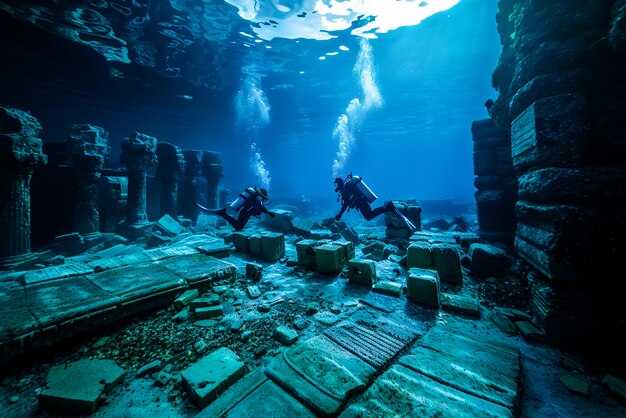 The Amazing History of Scuba Diving – From Ancient Roots to Modern Underwater Exploration">

Begin with mastering buoyancy and essential equipment checks in a calm pool, then take your first steps toward open-water exploration with a qualified instructor for safety and comfort.
Nearly every ancient culture experimented with breath-hold methods, and the japanese ama divers laid a practical groundwork with simple masks and weights. Those early techniques, mentioned in maritime chronicles, that mark the beginning of organized underwater work.
By the mid-20th century, the frenchman Jacques Cousteau–with Emile Gagnan–invented the Aqua-Lung, a portable compressed-air system that let a wearer stay under longer and work with gear rather than relying on surface air. By 1946, it reached commercial use, and the diver role began to formalize around training and safety protocols.
freediving, with its emphasis on breath-hold efficiency and gliding strokes, has influenced modern training and inspired athletes to push minds toward lighter, streamlined setups that boost comfort and confidence.
From the 1960s onward, most agencies and manufacturers expanded, refining safety protocols and creating specialized gear for cold water, cave, and wreck work. Equipment evolved to a streamlined jacket, a buoyancy system, and precise regulators, enabling great stability and a steadier breath for the diver.
Today, curious minds join a structured path, with member communities, accessible courses, and hands-on practice that balances excitement with measured risk. The story continues as technology and training merge to extend safety margins and expand opportunities for underwater exploration.
Practical milestones and ways to get started
Enroll in a certified entry course within two weeks to begin your path in underwater exploration. A typical program combines 2-4 days of classroom and pool work with 1-2 days in open water under supervision, focusing on equalization, buoyancy control, equipment handling, and safety procedures. Expect to invest about $350–$600 for the course; gear rentals run $15–$40 per day, and a basic personal kit (mask, fins, snorkel) can be bought for $60–$120. If you own a scuba kit with a regulator, BCD, and computer, you’ll save on rentals and feel more confident in familiar gear. inventors and early designers contributed to safer gear over time with simple regulators and improved masks; today’s options are more reliable and accessible.
Let your desire for continued exploration guide you into learning the basics with a local association. These groups connect people interested in safety and ecology, provide mentorship, and expose you to different sites, equipment setups, and safety practices. Use known safety standards from major organizations and read one basic manual to build a solid foundation before your next session.
Choose your gear approach: rent the essentials for the first month or buy a compact starter kit now. A mask with a good seal, comfortable fins, a snorkel, and a regulator with a reliable octopus are core pieces; a basic BCD and a computer can come later. A sophisticated setup adds a console, transmitter, and backup air supply, but you can progress gradually to stay within budget. This plan keeps you safer and helps you learn the natural rhythms of buoyancy while you build familiarity with the environment and your own limits. Accessories such as spare o-rings or a spare battery are available from most shops, so you won’t get stuck on a field site.
After the initial certification, add specialty courses such as buoyancy, navigation, and safety rescues. These expand your skillset and keep you within safer boundaries while you gain confidence to explore new sites again with a partner. Most programs schedule a pool session and several open-water days, often over weekends, which fits a busy to-do list.
Respect for biodiversity anchors the culture of underwater exploration. Learn to assess sites, avoid touching wildlife, and maintain a stable stance to reduce contact with fragile organisms. In coastal regions, you’ll encounter a mix of natural habitats and human activity; guided experiences that emphasize conservation help you connect fascination with responsible behavior. The japanese tradition of coastal practitioners offers valuable perspectives on breath control and patience, enriching your adventure and keeping you curious.
If you crave adventure and have a natural curiosity, try a beginner freediving session to improve breath control and relaxation. This cross-training enhances safety awareness for scuba sessions again and supports better energy management during longer outings. You’ll find that freediving instructors often share tips that transfer to your scuba practice.
Practical availability matters. Look for accredited instructors or a recognized association with clear safety standards. Availability tends to rise in warmer months, but indoor pools provide year-round practice. Start with a single introductory session and then commit to a structured program to build a solid baseline. This is a great way to begin.
Ancient Breath-Hold Techniques and Primitive Gear
Begin with a practical rule: stay within your limits and build freedom through measured practice. Use simple systems: relaxed breathing, a short breath hold, then gliding with minimal movement to conserve energy, repeating in short cycles to reduce fatigue. These disciplined steps reflect sophisticated thinking across generations.
Across civilizations, practices varied, named approaches that were called for breath control and body position. In roman harbors, divers trained near the quay, dreamed of freedom under the surface, and adopted education routines that improved air use before negotiating hulls, which were long and shadowy there. Early lessons opened a path to safer experiments, shaping later training networks.
Primitive gear remained lean yet instructive. There were attempts to couple air supply with simple masks, and discussions about closed-circuit concepts and surface lines helped some explorers extend their time. In the soviet era, researchers studied how simple buoyancy aids and calm exhalations improved stability during longer holds. Manuals circulated, and some observers shared insights online, with rebikoff and prieur becoming shorthand for a tradition of education and careful experimentation that emphasized less risky steps for novices.
shipwrecks provided practical classrooms where divers learned by observing currents and hull shapes, applying calmness to keep the breath inside longer. The divers themselves refined posture and gliding efficiency to minimize air use, turning wreck outlines into geometry that informed later training drills.
There remain traces of these early practices in contemporary exploration, preserved in online archives, museum labels, and field notes. These materials illustrate a continuum from antiquity to modern undersea work, where the dream of discovery persists even as equipment evolves and knowledge grows.
The Rise of Diving Bells and Early Breathing Devices
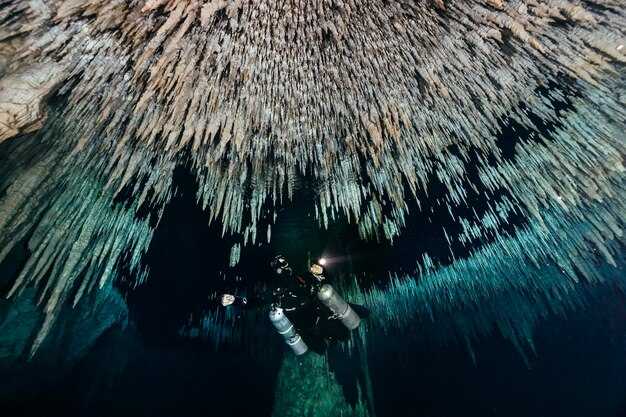
Begin with a clear air-path map from surface pumps to the bell interior and log each connection. Bound the activity to 6 to 12 meters for early trials and track how long crews could stay inside as air was replenished from above.
Early devices were typically bell-shaped chambers, often wood or metal, lowered by rope. The little crew inside relied on surface pumps that pushed air through a tube into the bell, which opened access to shallow tasks, keeping water out and allowing a little time inside the bell.
The earliest accounts from greek sources and other peoples show how bells were sealed and how air flowed into the inside. These secrets of air management opened access to shipwrecks and the habitats of nearby creatures.
Developments included surface pumps, valves, and hoses, plus rudimentary rebreather concepts that tried to recycle exhausted air. Typical depths remained modest: 6 to 12 meters as standard, with occasional pushes to 20 or 30 meters as equipment improved. This progress allowed longer work periods and safer experiments, guiding how future devices would evolve.
Living experiments taught crews to coordinate outside support with inside breathing cycles and built awareness of underwater physics. These experiences helped the teams become more confident operating in constrained spaces and to plan safer procedures. whats ahead in this history includes deeper water work and more reliable air cycles as innovations matured.
womens participation appeared gradually, with womens curiosity pushing documentation of experiments and signaling between surface teams and the bell.
In summary, these early steps built a foundation for later breathing devices and more complex subaquatic work, guiding what future explorers needed to know to operate safely and effectively.
From Rebreathers to Open-Circuit Systems: An Evolution of Equipment
Start with open-circuit systems for most users; their gas supply is straightforward, maintenance is predictable, and service networks are widely available.
Originally designed for sustained operations, rebreathers drew on greek engineering heritage and a culture of compact life-support devices; hollywood productions helped popularize their dramatic potential and inspired many explorer minds to imagine longer stays in water environments.
Leaps in materials, efficient dioxide scrubbers, and smarter electronics changed the equipment landscape, turning a practical concept into reliable gear that teams could count on during complex tasks.
Data received from trials confirmed that rebreathers can extend bottom times under challenging conditions, with some tests reaching 94-meter depths. From these results, explorers know their limits and plan margins accordingly, because training and supervision remain non-negotiable.
From a practicality perspective, open-circuit rigs rely on cylinders, often described as barrels, supplied at the surface; weighted ballast and straightforward buoyancy control keep trim with lowered risk during ascent.
Restoration of older units occurs in dedicated shops, but spare parts and service networks vary by region; their availability shapes which setups operators choose for routine work and emergency readiness.
Water quality and gas cleanliness matter for both systems: open-circuit air must be trusted, while rebreathers depend on reliable carbon dioxide removal and well-maintained scrubber materials to protect comfort and safety. This is where minds behind gear design emphasize clear checklists, because predictable performance rests on disciplined maintenance and careful monitoring of gas composition. The concept of choosing between options rests on mission profile, environment, and the explorer’s experience–data, feedback, and field tests all inform that decision.
| Aspect | Rebreather | Open-Circuit |
|---|---|---|
| Gas supply | Gas is recycled, with scrubbers removing carbon dioxide and maintaining a chosen mixture | Gas stored in cylinders; supply is direct and predictable |
| Weight and buoyancy | Модуль скруббера добавляет вес; конфигурации с грузами влияют на дифферент | Цилиндры добавляют веса, но упрощают балансировку и контроль подъема. |
| Техническое обслуживание | Частая калибровка, проверки скрубберов и испытания на герметичность требуют специальных процедур. | Сниженный объем техобслуживания; центры планового обслуживания обеспечивают поддержку запчастями и проверками. |
| Оперативное время | Потенциал для увеличения донного времени, когда позволяют условия и подготовка | Ограничено ресурсом баллона; быстрая замена обеспечивает непрерывность сеансов |
| Обучение и опыт | Более крутая кривая обучения; запас прочности увеличивается с опытом | Более гибкие варианты адаптации; удобно для более широкой аудитории |
| Стоимость и восстановление | Более высокая первоначальная стоимость; текущее обслуживание; восстановление может продлить срок службы | Меньшая начальная стоимость; широкодоступные запчасти, которые проще заменить |
Основные апгрейды снаряжения: маски, ласты, регуляторы и баллоны
Начните с конкретного апгрейда: выберите малообъемную маску с силиконовым обтюратором и закаленным стеклом. Проще некуда: это уменьшит изменения плавучести возле лица и сведет к минимуму попадание воды, что сделает управление остальной частью снаряжения во время погружений более предсказуемым. Идея, о которой упоминали инструкторы и опытные дайверы, заключается в том, чтобы сначала обеспечить надежную герметичность, позволяя вам сосредоточиться на продвижении и контроле воздуха и делая возможным прогресс во фридайвинге и рекреационном использовании.
При выборе маски главное — это посадка. Попробуйте несколько моделей, чтобы найти ту, которая герметично прилегает к лицу, не оказывая чрезмерного давления на щеки. Затем проверьте ее на мелководье, вдыхая воздух, прижав маску к лицу (без ремешка). Хорошая герметичность уменьшает запотевание и улучшает обзор в мутной воде, что важно при групповых вылазках или исследовании заваленных обломками затонувших судов. В исторических заметках упоминается, что советские команды экспериментировали с простыми и надежными масками и корпусами снаряжения, обеспечивавшими защиту лица в сложных условиях. Fernez иногда упоминается в архивных каталогах как один из первых разработчиков модульных элементов; вне зависимости от точности каждого утверждения, тенденция была ясна: улучшенная герметичность, более легкая обвязка и простота обслуживания открыли множество путей для современных конфигураций.
- Маски малого объема снижают дыхательные усилия и стабилизируют обзор; выбирайте модели с силиконовым обтюратором и линзами из закаленного стекла.
- Проведите пробную посадку в воде, убедитесь в комфортном прилегании без натяжения ремешка и проверьте наличие очищаемых, незапотевающих поверхностей.
Ласты играют ключевую роль в скорости и маневренности. Ласты с открытой пяткой и регулируемыми ремешками подходят для ботинок и холодной воды, в то время как ласты с закрытой пяткой превосходны в теплой воде с минимальным снаряжением. Жесткость лопасти должна соответствовать вашему опыту: начинающим подойдут более мягкие лопасти, обеспечивающие плавное ускорение, а пользователи среднего и продвинутого уровней могут использовать более длинные лопасти для большего скольжения. Попробуйте оба стиля в контролируемом бассейне, чтобы почувствовать, как ваши движения ногами преобразуются в тягу в потоке и вокруг препятствий, что важно, когда вы защищаете товарищей по команде во время группового выхода или исследуете затонувший корабль с обломками.
- Ласты с открытой пяткой и надежным ремешком хорошо работают с гидрокостюмом или ботинками; ласты с закрытой пяткой легче, но требуют использования на босу ногу или с тонкими носками.
- Длина и жесткость лопастей: короткие, мягкие лопасти для быстрого старта; длинные, более жесткие лопасти для поддержания движения на открытой воде.
Регуляторы заслуживают внимания за комфорт дыхания и надежность. Аппарат, основанный на разработках Ганьяна, ознаменовал собой поворотный момент в подаче воздуха, а современные регуляторы снизили усилие при дыхании и повысили надежность в холодной воде и на глубине. Выбирайте сбалансированную первую ступень, чтобы поддерживать постоянную работу дыхания при падении давления в баллоне, и сочетайте ее со второй ступенью, которая обеспечивает плавный, предсказуемый поток воздуха и удобный в использовании вентури. Убедитесь, что шланги расположены так, чтобы свести к минимуму зацепы, и держите запасную вторую ступень в легкодоступном месте во время подводных работ. Для использования найтрокса выбирайте регулятор, совместимый с более высокими смесями O2, и запланируйте надлежащее обслуживание с очисткой кислородом, если вы регулярно используете смеси выше 32%.
- Сбалансированная первая ступень снижает усилие при дыхании на протяжении всего диапазона давления в баллоне; проверьте сертификацию и историю обслуживания.
- Вторая ступень должна быть удобной во рту, с регулируемым эжектором и надежным клапаном принудительной подачи, если это необходимо.
Баллоны бывают алюминиевые и стальные, наиболее распространенные размеры для рекреационного дайвинга — 12 л (80 куб. футов) и 15 л (100 куб. футов). Алюминий легче и удобнее в обращении на берегу; стальные баллоны меньше меняют плавучесть при наполнении и более долговечны в суровых условиях. Давление наполнения зависит от региона (часто около 200 бар или 232 бар); уточните местные стандарты и убедитесь, что ваша плавучесть и грузы сбалансированы с выбранным газом. Для найтрокса вам понадобится специальный баллон, помеченный составом смеси, и надежный анализатор на месте для подтверждения состава перед использованием. Типичные учебные смеси с содержанием около 32–36% O2 снижают поглощение азота для сокращения интервалов на поверхности, но всегда соблюдайте требования вашей сертификации и местные правила. При планировании работ на затонувших объектах рассмотрите дополнительную защиту в виде более легкого снаряжения и перчаток для безопасного обращения с острыми обломками. Благодаря постоянным улучшениям, многие клубы награждают команды, обеспечивающие большую безопасность и лучшее оснащение, и эти награды отражают тщательное обслуживание и разумные обновления, а не просто количество участников.
Сертификация, обучение и безопасные методы погружений сегодня
Начните с сертификации от признанных организаций и завершите начальную теорию, занятия в закрытой воде и практические занятия перед любой водной активностью.
Как правило, обучение начинается с общих навыков, затем переходит к продвинутым модулям, с упором на контроль плавучести, управление запасом воздуха и систему напарничества в группе. Для работы в холодной воде вводятся сухие гидрокостюмы, а для отдельных направлений демонстрируется вариант подачи воздуха., allowing easy прогрессия и freedom для учащихся, уже уделяющих внимание безопасности.
Always выполнять предсеансовую проверку и использовать защитные очки, когда это уместно, во время работ на поверхности; в подводных компонентах полагаться на надлежащую маску и консервативный план. Такой подход, ориентированный на безопасность, поддерживает цели сохранения и морского stewardship, согласовывая личное обучение с ожиданиями сообщества.
Сайт дизайн подчеркивает пошаговое продвижение с целенаправленным обучением от квалифицированных инструкторов для достижения продвинутого уровня компетентности, сохраняя при этом безопасность и удовольствие.
Многие учащиеся приснилось освоения передовых техник; благодаря структурированной программе они постепенно расширяют свои возможности за пределы любительского уровня. Организации обновляют учебные программы, чтобы соответствовать спросу и поддерживать сохранение морской среды обитания, при этом используемое оборудование и системы остаются надежными и простыми., ensuring свобода для них и для группы.