


 Русский
  English (UK)
  العربية
  日本語
日本語  한국어
한국어  Magyar
  Türkçe
  Español
  Čeština
  Svenska
  Português
  Ελληνικά
  Suomi
Suomi  Nederlands
  Română
  Italiano
  Français
  Polski
  Українська
  Deutsch
  简体中文
简体中文  Slovenčina
 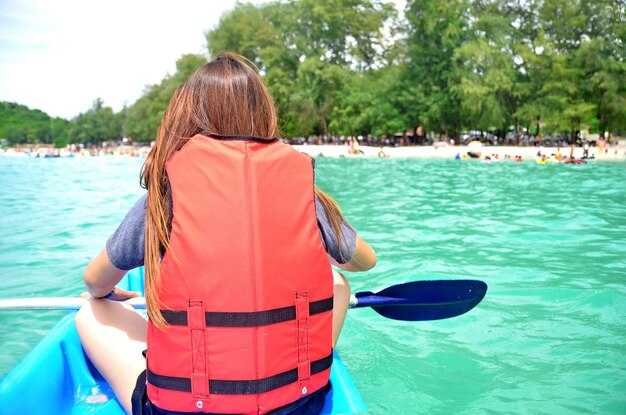 Summer Boating Safety Tips – A Quick Guide to Safe Boating">

Всегда надевайте правильно подогнанный спасательный жилет и подавайте план плавания перед выходом на воду. Наличие плана под рукой делает прогулку более гладкой. В солнечный день проверьте прогноз, осмотрите снаряжение и имейте быстродоступный спасательный жилет для каждого участника. Поддержание плавучести быстро увеличивает ваши шансы на благополучный исход, если кто-то окажется за бортом. Имейте простой, легко передаваемый маршрут и время возвращения, чтобы найти информацию о вашей команде и на берегу.
Перед выходом проверьте погоду, ветер и температуру воды в вашем районе. Если надвигается шторм или вода становится неспокойной, сократите поездку и направляйтесь к берегу. В оживленных гаванях снижайте скорость, следите за пловцами и держите безопасную дистанцию от других лодок, чтобы избежать столкновений. Во время плавания старайтесь держать ровный курс, чтобы уменьшить кильватерную волну и обеспечить комфорт пассажирам. Кроме того, контролировать условия постоянно адаптироваться по мере необходимости.
Соблюдайте местные правила и разработайте четкий, отработанный план действий в чрезвычайных ситуациях. Возьмите с собой сигнальное устройство морского класса, аптечку первой помощи и запасные батарейки. Постоянно ведите визуальное наблюдение и научите всех сообщать команде об опасностях. Если кто-то отделился от группы, договоритесь об ориентире и месте встречи. Спокойствие поможет вам быстро среагировать, если кто-то упадет в воду.
Собирайте вещи с умом: вода, солнцезащитный крем, головные уборы и охлаждающие полотенца для тепла. Гидраторы и прочный гермомешок защитят важную информацию и электронику от брызг. Для высадки на пляж возьмите с собой легкую сумку с вещами и небольшой гермомешок для защиты электроники от брызг.
На воде держитесь рядом со своей командой и следите за тем, чтобы линии связи были открыты для VHF radio или маячок смартфона. Если вам необходимо вернуться в лодку из воды, найдите устойчивую точку входа и держитесь низко, чтобы избежать качки. После поездки высушите снаряжение, уберите топливо подальше от источников тепла и проанализируйте, что прошло хорошо, чтобы будущие поездки были безопасными.
Основы безопасности на воде в летний период
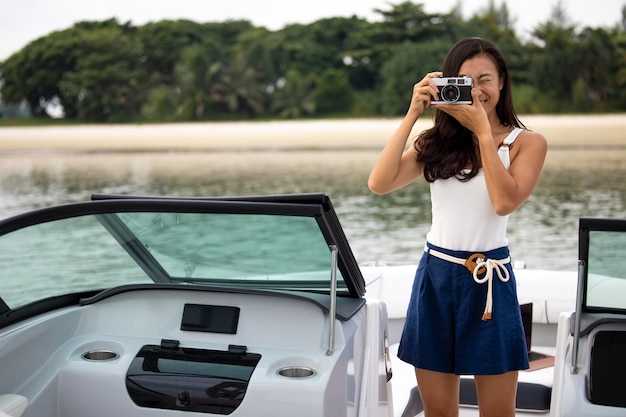
Всегда надевайте правильно подобранный спасательный жилет и проверяйте обновленный прогноз погоды перед каждой поездкой. Надевайте солнцезащитные очки, чтобы защитить глаза от бликов, держите при себе воду и убедитесь, что каждый член экипажа носит жилет, одобренный Береговой охраной. Если капитан просит вас сесть во время шторма, немедленно следуйте этой инструкции.
Перед отплытием просмотрите с командой этапы постановки на якорь: выберите безопасное место, сбросьте якорь, плавно травите якорный канат и проверьте надежность удержания. Убедитесь, что якорное оборудование доступно и в хорошем состоянии, и убедитесь, что якорь встал, прежде чем ослаблять канат. Если вам нужно оснастить лодку, приобретите спасательные жилеты, одобренные Береговой охраной США, и компактную аптечку первой помощи.
Надежно закрепите напитки и другие предметы, чтобы они не смещались при подъеме волн. Используйте закрытые контейнеры и убирайте снаряжение под палубу или в шкафчики. Напоминайте всем, чтобы они двигались спокойно и держали вещи в безопасности во время движения, чтобы их перемещения не нарушали равновесие.
После поездок дезинфицируйте поверхности, к которым часто прикасаются, такие как поручни, ручки и сиденья. Быстро протирайте их подходящим дезинфицирующим средством и дайте поверхностям высохнуть перед следующей поездкой.
Под ярким солнцем солнцезащитные очки защищают глаза; тень и достаточное количество воды помогают чувствовать себя комфортно на воде. По мере необходимости повторно наносите солнцезащитный крем и следите за обновлениями погоды, чтобы скорректировать планы и дождаться более спокойных условий, если потребуется. При получении предупреждений следуйте официальным указаниям и держите команду в курсе.
Туристические группы или новички в лодочном деле выиграют от краткого инструктажа по технике безопасности, включая основы постановки на якорь, как использовать якорный канат и что делать при штормовом предупреждении. Убедитесь, что все находящиеся на борту благополучно вернулись в док, и что все подсчитаны и учтены, прежде чем покинуть лодку.
Контрольный список безопасности перед спуском на воду летом
Перед взлётом завершите этот контрольный список по технике безопасности перед запуском, убедившись, что каждый пункт отмечен, и все находящиеся на борту проинструктированы.
Убедитесь, что необходимые спасательные средства (PFD) находятся на борту: один одобренный Береговой охраной США спасательный жилет на человека, подходящего размера, в хорошем состоянии и в легкодоступном месте. Если вам нужно найти замену поврежденному снаряжению, свяжитесь с компанией для получения информации о вариантах.
Осмотрите тяжелое оборудование и тросы: замените изношенные канаты, закрепите якорь и швартовые концы, и уберите снаряжение, чтобы предотвратить зацепы.
Проверка двигателя и топлива: уровень топлива должен составлять не менее 1/2 бака для поездки на полдня, проверьте уровень масла и аккумулятор, а также проведите 2-минутную проверку двигателя, чтобы выявить утечки или нехарактерные шумы.
Устройства безопасности: убедитесь в наличии заряженного огнетушителя, спасательного круга, свистка или горна, а также сигнального устройства; держите их в доступном месте и защитите от брызг.
Связь и информация: убедитесь, что УКВ-радиостанция настроена на 16 канал и запрограммированы необходимые номера, есть нужные контакты экстренных служб и информация о пристани, а также рассмотрите возможность использования приложения для безопасности, чтобы проверять оповещения о погоде; оцените, благоприятны ли условия, и поделитесь своим планом плавания с другом.
бостон: если вы отправляетесь из бостонской гавани, ознакомьтесь с местными требованиями, наклейте все обязательные стикеры и свяжитесь с сотрудниками пристани для ознакомления с правилами и информацией о доступных проверках безопасности.
Готовность к рвоте: спланируйте меры против морской болезни, запаситесь водой, имбирными жевательными конфетами и пакетом для рвоты; научите пассажиров выходить на свежий воздух и пить воду при появлении симптомов.
Предотвращение переутомления: распределите роли, запланируйте короткие перерывы на отдых, чередуйте обязанности водителя и наблюдателя, и уделяйте первостепенное внимание бдительности экипажа во время поездки.
Советы и информация: держите на борту простой одностраничный контрольный список и обращайтесь к советам приложения для быстрого руководства; эти шаги обеспечивают прекрасную поддержку для безопасного и плавного запуска.
Спасательные жилеты: подбор размера, ношение и юридические требования
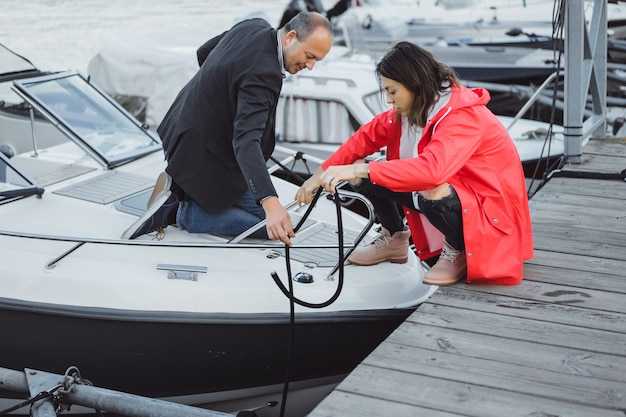
Надевайте правильно подогнанный, Одобрено Береговой охраной. спасательный жилет для каждого пассажира с момента посадки на борт.
По указанию staff, each гостям подгоняют спасательные жилеты перед отплытием, застегивая ремни и молнии и, при наличии, регулируя паховые ремни. Для чартерных поездок вокруг boston, the путеводитель гарантирует, что каждая куртка остается плотно прилегающей и не может задираться, когда кто-то передвигается по палубе.
Юридические требования различаются в зависимости от штата и судна, но большинство экскурсий требуют, чтобы все гости на открытых палубах носили спасательные жилеты во время движения и в дневное время. hours. Молодой путешественники и другие tourist группы должны ожидать, что капитан или команда будет следить за соблюдением правила для обеспечения безопасности всех.
Особенности посадки: для использования в открытом море выбирайте модели Типа I или II, а для прибрежных поездок — Тип III; убедитесь, что жилет плотно прилегает к груди и талии и не задирается, когда вы поднимаете руки. Для людей с ограниченной подвижностью полезны быстроразъемные застежки; путеводитель и company следует проверить пригодность для each убедиться в отсутствии людей перед отплытием от причала и немедленно скорректировать свои действия при необходимости, чтобы избежать опасной для жизни ситуации.
В жаркие дни дышащие ткани и яркие цвета придут на помощь. предотвратить перегрев. Попросите гостей надеть одежда которые удобно надеваются под жилет и избегайте громоздкой верхней одежды, которая затрудняет посадку. Для young пассажиров и tourist группы, держать куртки маленьких размеров наготове у выхода для быстрого доступа во hours of operation.
Перед посадкой проверьте каждый ботинок для сухости, чтобы ноги устойчиво стояли на пристани. company и staff Краткие меры безопасности. путеводитель и проведите инструктаж для гостей о правильном ношении. Во время поездки, приоритизировать безопасность важнее скорости, двигаемся slowly на палубе в куртках, чтобы предотвратить скольжение или запутывание снастей.
Чтобы избежать гибели людей, держите в салоне запасные куртки и заменяйте поврежденное снаряжение. без промедления. The путеводитель проводит короткую тренировку, особенно для young чтобы у путешественников не оставалось сомнений в размере или износе. Перед отплытием член экипажа проверяет на палубе, чтобы на каждом госте был надет спасательный жилет.
Выполнив эти шаги, гости останутся защищенными и готовыми к безопасному круизу в любых условиях; чартерные компании, обслуживающие туристические группы или семейные поездки в оживленных гаванях, включают в себя boston, заслуживайте доверие четкими инструкциями и подготовленными staff быть готовым немедленно реагировать при появлении признаков перегрева или дискомфорта.
Осведомленность о погоде: чтение прогнозов и выявление опасностей
Проверяйте обновленные прогнозы за 24 часа до выхода в море и перепроверяйте их каждые несколько часов на месте, чтобы спланировать безопасный маршрут. Сообщите план команде и гостям, чтобы все знали, когда менять курс, снижать скорость или искать укрытие. Отслеживайте скорость ветра, порывы, волны и видимость, и установите пороговые оповещения для вашего маршрута: если ветер достигает 20–25 узлов или волны превышают 2 метра, немедленно скорректируйте план. Это помогает команде сохранять концентрацию и гарантирует, что все на борту понимают, как реагировать.
Читайте прогнозы из надежных источников, таких как NOAA/NWS и местные портовые прогнозы. Изучите символы направления ветра, порывов, осадков и видимости с помощью легенды, чтобы быстро интерпретировать прогноз. Обратите внимание на почасовые тенденции и обновленные прогнозы, чтобы предвидеть изменения погоды в течение следующих нескольких часов. Заблаговременно выявляйте любые потенциально опасные для жизни явления, такие как молнии, шквалы, густой туман или быстрое нарастание волнения на море. Эта осведомленность помогает экипажу и гостям оставаться готовыми.
Обращайте внимание на такие признаки, как внезапное изменение ветра, усиление порывов или приближение линии штормов с моря. Эти признаки могут появиться за несколько часов до шторма, давая вам время переместиться в защищенные воды или в открытые гавани. Используйте радар, спутниковые данные и погодные приложения, чтобы обнаруживать ячейки и отслеживать их движение по вашему запланированному маршруту. Определите опасности, охватывающие весь район, которые могут угрожать экипажу и гостям, такие как молнии, сильный дождь или волны-убийцы в открытых водах.
Открытое общение с экипажем и гостями снижает риск. Назначьте одного человека ответственным за мониторинг и обновление прогнозов, а другие пусть проверят предохранительное снаряжение и состояние палубы. Когда риск возрастает, немедленно объявите план и примите лучшее решение, будь то снижение скорости, изменение маршрута чартера или отмена этапа. При необходимости измените план. Держите метеосводку на видном месте, чтобы сразу видеть последние данные.
Экипировка и обувь имеют значение. Убедитесь, что каждый носит прочную нескользящую обувь, и держите на палубе ботинок для сцепления. Перед отплытием убедитесь, что спасательные жилеты, спасательные круги и сигнальные устройства находятся в хорошем состоянии. Используйте прогноз погоды, чтобы спланировать маршрут по безопасным водам и избегать открытых морских участков в периоды пиковых штормов.
Поддерживайте спокойную обстановку на палубе, чтобы гости чувствовали себя комфортно во время маневрирования в меняющихся условиях. В случае обнаружения опасности экипаж должен действовать медленно и обдуманно, чтобы предотвратить несчастные случаи возле лееров и открытых проходов. Эта дисциплина помогает предотвратить опасные для жизни ситуации и поддерживает позитивное впечатление от чартера как для гостей, так и для команды.
После каждой поездки регистрируйте прогнозы, замеченные опасности и принятые меры. Этот отчет помогает будущим чартерам, повышает готовность и демонстрирует лучшие практики для гостей и владельцев. Вы сможете продемонстрировать постоянное улучшение осведомленности о погоде при планировании новых поездок.
Алкоголь, наркотики и плавание на лодке: правила и риски на воде
Не управляйте судном после употребления алкоголя. Назначьте трезвого члена экипажа для управления и навигации; разработайте четкий курс поездки; держите в холодильнике воду и безалкогольные напитки для экипажа; проведите краткий инструктаж и составьте простой справочник советов по безопасности, чтобы каждый знал план до отплытия.
Правила и штрафы различаются в зависимости от региона. Во многих юрисдикциях управление любым водным транспортом в состоянии опьянения является незаконным; типичный предел колеблется около 0,08% BAC для частного катания на лодках, с нулевой терпимостью в некоторых штатах для коммерческих операторов или для моряков моложе 21 года. Ознакомьтесь с применением местных законов и условиями вашего чартера, если вы поднимаетесь на яхту или присоединяетесь к туристической команде, и планируйте соответственно.
Следите за признаками ухудшения состояния организма и среди вашей команды: замедленная реакция, плохой баланс, трудности с концентрацией внимания, проблемы с удержанием судна на устойчивом курсе, тяжелые веки и невнятная речь. Если вы заметили признаки, прекратите пить и перейдите к штурвалу на следующем этапе; при необходимости сойдите на берег, чтобы предотвратить рискованную ситуацию.
Советы перед поездкой и на борту помогут обеспечить безопасность окружающей среды: установите правила, будь то в доке или на ходу; держите прогнозы на виду и используйте простой список безалкогольных напитков для холодильника; укажите политику отказа от алкоголя при отправлении на лодке, особенно в чартерном рейсе или во время путешествия на яхте. Назначьте трезвого капитана для руководства командой и управления процессом, и оденьтесь в легкую одежду с широкополой шляпой и защитой шеи, чтобы чувствовать себя комфортно.
В качестве практических мер профилактики следует вести краткий список необходимых вещей, таких как спасательные жилеты и погодный радиоприемник; переходить на воду и другие безалкогольные напитки во время дежурства у руля; избегать тяжелой пищи, замедляющей время реакции; в случае инцидента уделять приоритетное внимание безопасности, документировать произошедшее и пересматривать инструкции для будущих поездок, чтобы снизить риск.
Необходимое оборудование для обеспечения безопасности и сигнальные устройства
Всегда надевайте спасательный жилет на каждого человека на борту и держите сигнальные устройства в пределах досягаемости. Эта базовая привычка позволяет вашей команде быть готовой к быстрым действиям, если условия на воде изменятся.
- Средства индивидуальной защиты (СИЗ): Обеспечьте каждого находящегося на борту человека СИЗ; используйте СИЗ подходящего размера и убедитесь, что они надеты во время движения. Для юных членов экипажа проверьте посадку по шее и туловищу и замените поврежденное снаряжение, чтобы избежать неплотного прилегания.
- Выбрасываемые спасательные средства: Храните как минимум один спасательный круг или выбрасываемую подушку в пределах досягаемости рядом с открытой палубой или кормой, чтобы вы могли бросить её человеку в воде и облегчить процесс спасения.
- Пожарная безопасность: правильно подобранный огнетушитель, хранящийся в легкодоступном месте; ежемесячно проверяйте манометр и заменяйте огнетушитель при наличии коррозии или повреждений.
- Аптечка первой помощи: Компактная, водонепроницаемая аптечка с бинтами, антисептиком, маской для сердечно-легочной реанимации и фонариком; держите ее под рукой на открытой палубе и обновляйте содержимое после воздействия соли, тепла или влаги.
- Сигнальные устройства: свисток или воздушный горн для подачи звуковых сигналов; визуальные сигналы бедствия (факелы), где это разрешено правилами стран; сигнальное зеркало и водонепроницаемый фонарик для ночного использования; следите за зарядом устройств и заменяйте просроченные элементы.
- Средства связи: УКВ-радиостанция или заряженный мобильный телефон в водонепроницаемом чехле; поддерживайте связь с властями или находящимися поблизости судами и проверяйте передачу перед отплытием.
- Навигационные огни и звуковые сигналы: используйте правильные кормовые и другие навигационные огни во время движения в темное время суток или в условиях ограниченной видимости; регулярно проверяйте лампочки, батареи и точки крепления.
- Якорное оборудование: Убедитесь, что у вас есть подходящий якорь, достаточное количество троса и страховочный линь; потренируйтесь медленно вставать на якорь в спокойной воде и расположите основание лодки так, чтобы минимизировать дрейф; держите оборудование в доступном месте на открытой палубе и подальше от шейки тросов, чтобы предотвратить зацепление возле кормы.
- Инструменты для мобильности и восстановления: компактный трюмный насос, нож в ножнах и запасной аккумулятор или блок питания; они поддерживают готовность лодки к выполнению текущего ремонта и подачи сигналов на воде.
- Реакция на выпадение за борт: Если кто-то выпал за борт, немедленно бросьте спасательное средство, укажите на человека, замедлите ход судна и подберите человека, контролируя подход; после подъема выведите его на открытую палубу и следите за дыханием и реакцией.
- Защита от солнца: Солнцезащитный крем, шляпы, солнцезащитные очки и защитная одежда для уменьшения воздействия во время длительных поездок; поддерживайте водный баланс и восполняйте жидкость по мере необходимости.
Для укрепления готовности вы будете проводить короткие тренировки по технике безопасности, демонстрирующие спокойные, скоординированные действия и обеспечивающие исправность всего оборудования в перерывах между поездками.