


 Русский
  English (UK)
  العربية
  日本語
日本語  한국어
한국어  Magyar
  Türkçe
  Español
  Čeština
  Svenska
  Português
  Ελληνικά
  Suomi
Suomi  Nederlands
  Română
  Italiano
  Français
  Polski
  Українська
  Deutsch
  简体中文
简体中文  Slovenčina
 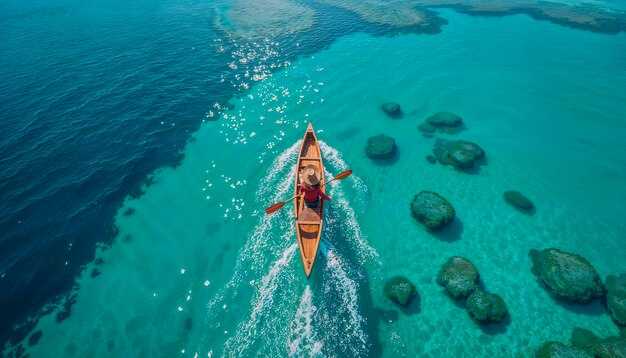 Sailing in Thailand – The Ultimate Guide to Island Hopping and the Andaman Sea">

Begin with a sheltered anchorage in Ao Phang Nga Bay for your first night, then break the day with a steady, island-by-island hop along the coast. This route connects long passages with calm bays, which keeps you safe. For every stop, look for buoys for mooring and read the signs posted by marine parks to stay compliant.
The core routes center on the Similan and Surin marine parks, where uninhabited islets rise from the sand and long reef walls shelter marine life. If you plan to stop here, arrange permits in advance or book through a licensed operator who handles the process. For breaks between hops, overnight anchorages offer quiet time beneath starry skies, while tours from Phuket and Khao Lak provide guided routes that reduce risk and manage waste. For a detour, head toward phai, a cluster of islets that links to sheltered bays and steady windward legs. Every year, this region attracts many yacht crews who prefer a calm pace and a respect for park rules.
When planning, keep a flexible schedule: seasons vary by month, and weather shifts can alter safe options. In the dry season, routes stay within sheltered bays and near protected reefs, while in the monsoon you may need to shorten hops. Always monitor buoys, signs, and local regulations; paying attention helps avoid fines. Adjust overnight stays before a squall forms to avoid disruptions. A practical kit includes water, a sun shade, and a portable charger; keep the crew informed and ready to react.
Anchoring etiquette matters: drop the hook well away from coral and approach slowly to avoid disturbing life. In marine parks, use designated mooring buoys if available and avoid bottom-sitting on fragile reefs. Many coastal towns along the Andaman offer shore-based tours and services for repairs, while some operators provide overnight stays aboard with meals onboard. If you anchor near uninhabited islets, keep noise down, respect wildlife, and pack out all you brought in to minimize impact, being mindful of wildlife.
For your packing list, bring reef-safe sunscreen, lightweight clothing, a windproof layer, a waterproof bag, and a compact medical kit. Ensure your charts are current, and have a reliable GPS and compass as a backup. Update every chart and plan your days with a simple outline, keeping the crew informed with clear checks and goals, and set aside a few sunlit breaks to enjoy calm sand beaches along the way.
Practical, action-oriented plan for Koh Samui and the Andaman Sea
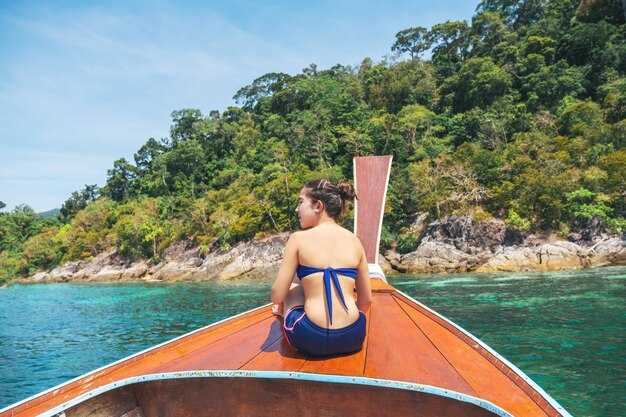
Base samui as your hub for the Gulf-to-Andaman arc. Drop anchor in Lipa Noi or Nathon to simplify provisioning, then set a simple system that keeps morning departures on track. From bangkok-supplied groceries to fresh market finds on samui, you will have many options. Use haad coves along the south coast for safe anchoring, and plan to sail west after a solid warm-up. This article offers a practical, action-ready framework that matches a range of speeds and weather.
Morning departures optimize wind and visibility, letting visiting samui’s villages such as Bophut and Choeng Mon before lunch. Drop anchor in sheltered haad coves for a quiet midday break, then resume sailing toward the next stop. Match pace with the crew to keep the schedule exciting without rushing. Onboard notes emphasize provisioning, water management, and keeping a clear mark on the chart for each port.
From samui, set your course west to the Andaman coast. The first leg targets Phang Nga Bay’s coves and sea stacks, where anchoring behind protected rocks works well in light winds. You will find numerous anchorages that match views toward limestone cliffs and caves. After Phang Nga, sail to Krabi Town and Ao Nang, then hop to Phi Phi and Phuket’s marinas for fuel, water, and fresh supplies. Ports along this stretch support occasional party nights on board, as well as quiet evenings onboard with views of sunset over karst formations.
Attention remains on safety. Maintain a daily log, update weather checks, and keep a checklist for anchoring gear and safety equipment. The plan remains flexible to weather windows and crew energy. For a true reader’s experience, file a quick article after each leg to track what works best and what to improve.
Region offers numerous opportunities to mix a traditional island vibe with modern comforts, from quiet haads to lively nights in samui’s neighbor ports. The plan provides exciting options, with a mix of anchoring, drop-offs, and shore visits that will make memories.
7-Day Koh Samui Sailing Itinerary: Day-by-Day Route, Distances, and Anchorages
Recommendation: Start Day 1 with a direct 22–24 nm hop from Koh Samui to Ang Thong National Marine Park, anchoring in a sheltered bay for a sunset you’ll remember.
Day 1 – Koh Samui to Ang Thong National Marine Park (22–24 nm). Set a steady course to the archipelago’s central bays, where hidden limestone formations rise from emerald water. Pick a protected cove on the lee of Mae Ko Island for an overnight, then wake to peaceful scenery and calm mornings. Keep a flexible plan to chase the best light and quieter spots, then head out for a closer look at sea caves or hidden lagoons when the seas cooperate. Official park rules require responsible behavior and gear stowage at anchor, so secure winches, fenders, and spare lines in the grounds of the cockpit. Look for world-class sunsets from the stern, and confirm a nearby marina option if weather shifts.
Day 2 – Ang Thong to Koh Phangan (12–18 nm). Slide along the western edge of the archipelago and set course for Koh Phangan’s quieter coves, such as Haad Salad or Thong Nai Pan Noi. Expect turquoise water, scenic cliffs, and fresh air at the helm. Use a shorter day to rest the crew and check gear after a night at Ang Thong. Nearby dive shops and snorkeling spots offer underwater life, while reefs stay in good form for safer snorkel sessions. Anchor at a sheltered beach and enjoy a chic, peaceful evening with a view of the pink horizon as sunsets bloom. If a berth opens at a small marina near Haad Rin, you’ll have an official option for shore amenities.
Day 3 – Koh Phangan to Koh Tao (25–28 nm). Set a steady pace to Chalok Bay on Koh Tao, a favorite for its calm lee and world-class snorkeling scenes just offshore. On the way, you’ll pass close to rocky islets where you can watch unique underwater formations from the surface. Stop for a mid‑day swim and fresh fruit, then anchor in Chalok Bay for a chic, quiet night. This shorter leg lets you stretch lines, refresh provisioning, and keep the crew content. Look longer at the map to pick a second option near Shark Bay or Ao Leuk if the wind shifts, then keep a flexible schedule to chase better light and calmer seas.
Day 4 – Koh Tao to Koh Samui (west coast) (18–24 nm). Return toward Koh Samui with a focus on Lipa Noi or Maenam as your overnight anchorages. Expect scenic coastline, sand‑top beaches, and a slower tempo after Koh Tao. Fresh air, smoother seas, and an easier dinghy ride to shore make this a good day for maintenance checks and gear inspection. Nearshore reefs provide near‑shore underwater color, while a quiet anchorage in Lipa Noi offers peace after three lively days. If conditions allow, enjoy an evening walk along a chic beachfront and a longer look at the lights on the water. A nearby marina option exists for official fuel and provisions if needed.
Day 5 – Koh Samui to Koh Taen (hidden spots and reefs) (6–12 nm). Slip into the calmer southern waters toward Koh Taen, a hidden gem with quieter coves and protected bays. Anchor off a sheltered coast near coral reefs and gentle snorkeling grounds. The day’s pace remains short, allowing you to savor fresh sea breeze and slower rhythms. Look for underwater life weaving around rock formations and sandy patches; you’ll find spots where the water stays clearer and the crowds fade. This is a great chance to review safety gear, top up drinking water, and enjoy a peaceful, near‑private evening in a quiet corner of the bay.
Day 6 – Koh Taen back to Koh Samui (Maenam or Bophut) (8–12 nm). Return to Koh Samui and pick a quieter anchorage in Maenam or Bophut for a breezy, peaceful night. This leg keeps the pace relaxed, so you can notice small details–the color shifts in the water, the scent of frangipani on the cockpit, and the look of the coastline at golden hour. Fresh provisions, a quick hull check, and a flexible plan mean you can switch to a marina for official services if needed, or linger at anchor and enjoy the islands’ slower tempo. Sunset views from the deck highlight the Pacific‑like palette and the Andaman‑styled charm that Thai waters offer in this region.
Day 7 – Koh Samui wind-down and return to base (10–14 nm). Cruise a circular route along Koh Samui’s western shore to a final anchorage near Nathon or Chaweng’s outskirts. This last day emphasizes comfort and gear checks, with a short hop that keeps the crew fresh for the final dock. Take a long look at the horizon as the lights come on, and plan a post‑cruise evening at a nearby marina or a quiet shorefront spot that matches the trip’s chic, peaceful vibe. If you want to extend, Leela‑style charters offer a flexible option for a longer stay or a tailored add-on to sample more spots, with official guides and fresh gear recommendations included. This route keeps a memorable balance of hidden bays, scenic coastlines, and world‑class sunsets, so countrys from around the pacific can share in the look and feel of a true Thai island hopped odyssey, andaman‑flavored still, within reach of Koh Samui’s grounds and easy land access.
Best Weather Window and Tidal Considerations for Andaman Sea Sailing
Attention: plan the core sailing window for November through April; this is the best period for stable days and crystal-clear seas across the Andaman coast. You’ll enjoy gentle to moderate winds, many sun-filled days, and smooth hops between Railay, Phi Phi, Phuket, and marina-dotted ports along the route. With proper planning, your crew can cover beautiful areas, stay in sheltered anchorages near villages, and offer chic experiences at every destination.
Within this window, tidal variation remains manageable: typical ranges 1–3 meters by moon phase, with spring tides around full and new moons and neap tides closer to 0.5–1 meter. Enter bays at slack water to minimize current and avoid shoal risks near Railay, Phang Nga, and Koh Phi Phi. When you drop anchor, use a scope of 5:1 in good holding mud so you don’t drift in gusts. Be mindful of needle-like coral heads near some reef drops that can surprise even an experienced crew.
During May–October, plan for monsoon season realities: more rain, stronger winds, bigger seas, and many days with rough conditions. Some areas become impossible to visit; Similan Islands typically close to boats, and you should adjust plans to sheltered bays such as Ao Nang, Phang Nga Bay, and coastal villages along the route. If you push beyond the core window, target short hops and stay near protected coastlines rather than venturing far from shore.
Practical tips for a smooth cruise: coordinate with fishermen in coastal villages to learn safe channels and sheltered drops; check local notices for protected areas and permits at major destinations–attention to regulations saves delays for your destination. Whether you sail a superyacht or a smaller craft, the means to safe navigation are the same. Reserve a calm night near Railay’s chic surroundings, consider anchoring near bambo huts on shore, and plan provisioning at Phuket or Krabi to keep the crew ready for multiple days of beautiful island hopping across many areas.
Boat Charter Options, Licenses, and Insurance for Thai Waters
Choose a licensed operator with full registration and comprehensive insurance for any Thai charter. This guarantees safety, compliance, and smooth handling of permits and emergencies across the region.
- Варианты аренды
- Crewed charters with a skipper and crew for hopping between Krabi, Phi Phi, Hong Island, and other Andaman destinations, with on-board service and catering.
- Bareboat charters for experienced sailors who hold valid licenses and a proven track record, ideal for extended cruising and exploring more remote coves.
- Party or wedding charters that design a private itinerary along emerald waters and waterfront coves, with tailored food, decor, and entertainment.
- Family-friendly charters with relaxed pacing, sheltered anchorages near haad beaches, and short hops suitable for all ages.
- Vessels range from small motor yachts to modern catamarans and sailing yachts, suitable for destinations across Krabi region and the Andaman Sea.
- Licenses and registration
- Vessel registration must be current with the Thai Marine Department and shown on request.
- Captain and crew hold valid licenses appropriate to vessel size and type, with certificates clearly linked to the vessel.
- Operators must comply with countrys rules and Thai regulations for charter activities in the Andaman Sea, including Haad- and Hong Island routes.
- Ask for a formal safety plan and port-of-call permissions to avoid delays at coastal location hubs.
- Insurance and safety
- Hull and machinery insurance plus third-party liability coverage are standard for commercial charters.
- Protection and indemnity (P&I) is recommended for larger crews or event-focused charters (weddings, corporate parties).
- Medical evacuation and passenger accident protection should be included or available as add-ons.
- On-board safety gear includes life jackets for all guests, life rafts, fire extinguishers, a functioning VHF radio, EPIRB, and clear emergency procedures.
- Practical considerations
- Течения и приливы меняются в зависимости от местоположения; побережье Краби и каналы Пхи-Пхи могут представлять сложность для навигации — планируйте гибкие маршруты и альтернативные варианты.
- Проверьте достопримечательности в окрестностях Emerald Coves, пляжей Хаад и других мест, чтобы составить эффективный график, минимизирующий длительные переезды между остановками.
- Обеды и питание на борту могут быть организованы — согласуйте с оператором местные тайские блюда или международные варианты в соответствии с предпочтениями вашей компании.
- Составьте реалистичный маршрут для круглогодичного путешествия, предусматривающий время для отдыха на природе и переездов между островами в тихих бухтах.
- Запросите местоположение оператора, порт приписки и регистрационные данные, чтобы подтвердить легитимность и упростить регистрацию на базах Краби, Хаад или Хонг-Айленд; рассмотрите другой вариант, если план недостаточно ясен.
- Стоимость и советы по бронированию
- Ценовые компоненты включают базовую ставку судна, расходы на экипаж, топливо, портовые сборы и провизию; ищите прозрачное предложение «все включено».
- Сравните пакеты, включающие посещение рифов, поездки между островами и экскурсии с гидом в такие места, как прибрежные города Краби и пункты назначения Хаад.
- Ознакомьтесь с условиями отмены, списками оборудования и вариантами трансфера на берег, чтобы избежать скрытых сборов в пиковые годы или праздники.
- Обсудите пакет, включающий еще одну удобную услугу, например, трансфер из аэропорта или снабжение провизией, чтобы упростить планирование.
Для путешественников, ищущих альтернативу переполненным маршрутам, разработайте индивидуальный план, сочетающий природу, кухню и культуру через них, Изумрудное побережье и за его пределами. Удачно выбранный оператор позволяет из года в год организовывать свадьбы, вечеринки или просто путешествия по островам в Андаманском море Таиланда.
Якорные стоянки, швартовки и прибрежные остановки вокруг острова Самуи и близлежащих островов
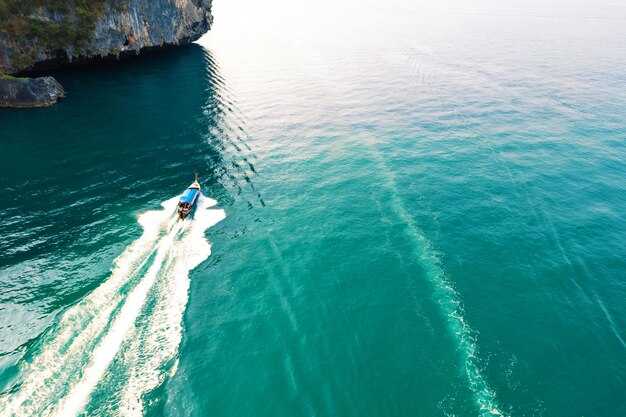
Спланируйте двухдневный маршрут по островам, который начнется в заливе Чонг Мон на северо-восточном побережье острова Самуи, затем переместится на остров Ко Тэн для секретного снорклинга и завершится ночью возле национального морского парка Анг Тонг. Мы рекомендуем этот маршрут из-за защищенных мест, легкого обеспечения провизией и множества мест для снорклинга вокруг необитаемых островков; вы будете делить воду с многочисленными судами, но при этом найдете тихие якорные стоянки для отдыха.
Бухта Чонг Мон расположена на северо-восточном побережье и обеспечивает спокойную защиту даже при усилении пассатов. Якорные стоянки, предлагаемые местными операторами, имеются в изобилии, а короткий трансфер доставит вас к пляжным ресторанам и нескольким палаткам со свежими продуктами. Заправка топливом и пополнение запасов не вызовут затруднений в Натоне или Банграке, и вы можете отправиться в сторону острова Ко Панган для следующей остановки, когда изменится настроение.
Ко Таен предлагает еще один секретный вариант: необитаемый островок с защищенной бухтой, чистой водой и рифами, идеально подходящими для сноркелинга. На берегу стоит простая хижина, где подают свежую рыбу и кхао, а длинный, узкий пляж идеально подходит для тихой высадки оборудования или короткой поездки к песчаным участкам, где чувствуешь себя по-настоящему уединенно.
Национальный морской парк Анг Тхонг предлагает уникальное сочетание островков, морских лагун и впечатляющих известняковых скал для путешествий. Здесь есть множество причалов и якорных стоянок, и правила парка требуют предварительного получения разрешения. Используйте причалы, где это возможно, чтобы защитить землю и рифы; это фантастическое место для наблюдения за восходом солнца в лагунах и посещения уединенных бухт, которые кажутся находящимися вдали от основного побережья.
Советы по сезонному планированию: лучшее время — с ноября по апрель; следите за прогнозами и будьте готовы к изменениям в планах, если фронт сместится. Возьмите надежное оборудование, дополнительные тросы, кранцы и запасной якорь; следует согласовать с местными операторами поставки топлива и свежих продуктов. Побережье вокруг Самуи предлагает множество вариантов, от укромных пляжей до необитаемых мест для стоянок, а наличие ресторанов и пунктов проката оборудования поблизости сделает ваши переходы легкими и приятными.
Снаряжение, средства безопасности и комфорт на борту для путешествий между островами
Соберите компактную, водонепроницаемую медицинскую аптечку и запасной сухой мешок для каждого этапа вашего путешествия по островам. Включите средства от морской болезни, антисептические салфетки, антибиотическую мазь, пластырь, ножницы и базовое руководство по оказанию первой помощи. Возьмите с собой небольшой набор морских инструментов и перезаряжаемый фонарь, а также запасной комплект батареек для важного оборудования на палубе.
Планируйте снабжение, сочетая традиционные продукты длительного хранения с готовыми к употреблению пакетами, чтобы можно было легко пополнять запасы в пунктах въезда возле известных центров, таких как Ранонг, и на рынках вокруг Сурина и Рачи. Храните консервированную рыбу, рис, макароны, масло и специи в сухом шкафчике в пределах досягаемости камбуза, а зелень и фрукты – в компактном холодильнике, если он есть на вашем судне. Рассчитывайте на 3–4-дневный запас на человека и корректируйте его с учетом жары; если у вас мало времени на подготовку, делайте упор на готовые блюда, чтобы ускорить посещение берега. Ведите простой журнал инвентаризации, чтобы отслеживать, что вы использовали и что вам нужно для следующего этапа, убедившись, что у вас достаточно, чтобы добраться до следующего парка или пляжа.
Необходимое защитное снаряжение: спасательный жилет на каждого человека, плавучий линь, звуковой сигнальный прибор, водонепроницаемый фонарик, запасные батареи и базовый огнетушитель. Включите портативную УКВ-радиостанцию, а для удаленных рейсов — EPIRB или PLB. Перед каждым этапом проверяйте соответствие и состояние спасательных жилетов, тестируйте свисток, осматривайте тросы и кранцы. Храните простой ремонтный набор и запасные части в доступном рундуке.
Комфорт на борту зависит от тени, циркуляции воздуха и организованных мест. Установите бимини или тент, используйте портативные вентиляторы и применяйте дышащие ткани в спальных местах. Поддерживайте сухость спальных мест с помощью абсорбентов влаги и возьмите легкое одеяло для прохладных ночей. Храните кухонное оборудование и нескоропортящиеся продукты в четко маркированных корзинах, чтобы ускорить пополнение запасов и уменьшить беспорядок после посещения пляжа.
Стратегия постановки на якорь отдает предпочтение спокойным бухтам с хорошим грунтом и безопасным входом к близлежащим известняковым берегам. Кратковременно проверьте надежность удержания с небольшим спуском, затем установите вытравленную длину и закрепите кранцы. Возьмите запасной якорь и трос для разных типов грунта и потренируйтесь в подъеме на мелководье в безопасном месте, прежде чем выходить в открытое море. Следите за течениями вблизи Сурина, Ранонга и Рачи и используйте этот подход, чтобы насладиться потрясающими пейзажами и яркими, умиротворяющими остановками в зеленых бухтах и парковых пляжах с известняковыми берегами.
После получения провизии, снаряжения для безопасности и налаживания комфортного быта составьте простой контрольный список перед отплытием, охватывающий судно, команду и снаряжение. Отметьте, что нужно пополнить, какое оборудование требует обслуживания, и какие предметы комфорта вам понадобятся для следующего этапа, чтобы ваши планы плавания в открытом море оставались гладкими и приятными вдоль Андаманского моря.