


 Русский
  English (UK)
  العربية
  日本語
日本語  한국어
한국어  Magyar
  Türkçe
  Español
  Čeština
  Svenska
  Português
  Ελληνικά
  Suomi
Suomi  Nederlands
  Română
  Italiano
  Français
  Polski
  Українська
  Deutsch
  简体中文
简体中文  Slovenčina
 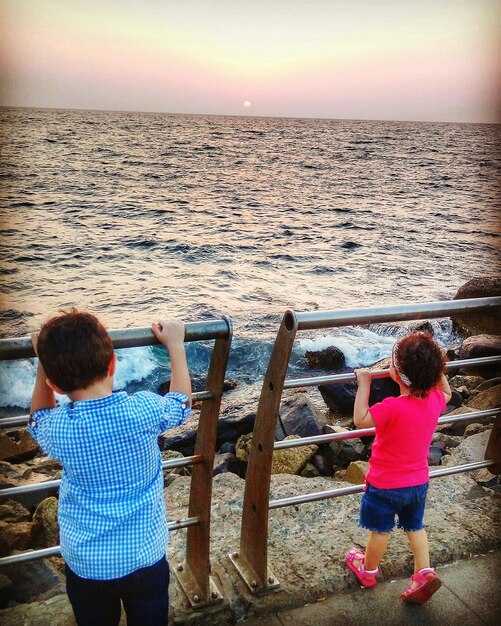 Sailing Away with Your Family – 1 Easy Step to Getting Started">

Начните с конкретного действия: закажите семейный парусный тур на полдня с лицензированным шкипером. Это простое действие экономит ваше время и нервы, помогает группе держаться вместе и позволяет прощупать почву, не беря на себя сложных обязательств. Капитан следит за погодой и камбузом, так что вы сможете сосредоточиться на общении и улыбках. Этот ранний шаг придаст бесценную уверенность вам и вашей семье.
Подготовьте практичный и понятный план, который приглашает всех участников внести свой вклад. Перед отплытием проведите 15-минутный инструктаж по технике безопасности и предложите простой маршрут, сохраняющий гибкость для детей, подростков и взрослых. Вовлекайте группу в простые задачи на палубе или в камбузе, чтобы каждый чувствовал свою роль и оставался вовлеченным. гордый ...хода. Сохраняйте реалистичные ожидания и празднуйте каждую маленькую победу, разряжая обстановку и укрепляя уверенность.
Выберите судно, которое подходит для размера вашей группы, обычно шлюп длиной 30–40 футов или скромный катамаран, с экипажем, который может работать с новичками. Для составления бюджета планируйте около 400–800 долларов США за чартер на полдня в спокойных прибрежных водах, включая шкипера, базовую страховку и средства безопасности. Возьмите небольшую сумку на человека, упакуйте легкие вещи, бутылки с водой, шляпы от солнца и легкую куртку. На борту бирюзовый холст и свежий бриз создают спокойный фон, облегчая концентрацию на обучении и обеспечивая инклюзивность опыта для every член семьи. Хорошо подобранное меню камбуза — закуски, фрукты и сэндвичи — помогает избежать лишних остановок и поддерживает хорошее настроение, а капитан может проводить быстрые демонстрации работы с канатами и парусами.
После плавания запечатлейте момент с помощью краткого подведения итогов: попросите каждого члена семьи поделиться одним выводом и спланируйте следующую прогулку, используя эти отзывы. Поощряйте дальнейшую практику, используя простой контрольный список – защита от солнца, спасательные жилеты и короткая демонстрация палубы, – который можно повторно использовать для следующего плавания. Совместное пребывание группы на воде создает общую историю, которой вы сможете с гордостью поделиться. every время вам перегруппироваться на набережной. Ваш прогресс кажется бесценным, и вы заметите, что простой шаг может стать регулярным, практичным приключением, которое выросло из одной идеи в устойчивую привычку.
Отправляемся в плавание всей семьей: практический план для яхтинга и фотосъемки
Спланируйте однодневный тренировочный выход в выходные недалеко от защищенной гавани, чтобы протестировать снаряжение и сделать семейные фотографии. Сократите плавание до четырех часов, сосредоточьтесь на безопасности и основах, а затем проанализируйте, что сработало, а что нужно улучшить.
Безопасность превыше всего: убедитесь, что на каждом человеке надет правильно подогнанный спасательный жилет, проверьте УКВ-радиостанцию или телефон в водонепроницаемом чехле и убедитесь, что спасательный линь находится в пределах досягаемости. Упакуйте дополнительные вещи для комфорта: запасные батарейки, компактную аптечку первой помощи, солнцезащитный крем, дождевик, подгузники, если у вас маленький ребенок, и сухую одежду в герметичном пакете. Разместите предметы первостепенной важности над зоной брызг для быстрого доступа, сохраняя при этом равновесие на палубе. Пометьте каждый предмет, чтобы не рыться в снаряжении, пока ваша команда удерживает равновесие на палубе. Создайте специальный контрольный список для каждого члена семьи. Эти шаги имеют значение для плавного управления на воде.
План фотосъемки предусматривает два режима: ведение семейного документального репортажа и съемку горизонта. Используйте ручную экспозицию: 1/125 с или быстрее для движения по воде, ISO 200–400 при дневном свете, баланс белого – дневной свет. Широкоугольный объектив для съемки лодки и горизонта в контексте; телеобъектив для портретов со стабильной позиции. Если вы используете телефон, включите сетку и снимайте в формате RAW, когда это возможно, и держите камеру закрепленной ремешком. Такой подход дает впечатляющий набор экшн-снимков и портретов. Перед выходом ознакомьтесь с онлайн-руководствами, чтобы быть готовым к различным условиям освещения.
Оперативные роли на палубе поддерживают порядок в течение дня: назначьте капитана или шкипера, штурмана, наблюдателя, фотографа и контролера безопасности. Распределяйте задачи с учетом возраста: младшие дети маркируют буи на карте, дети постарше управляют учебным судном под присмотром, а взрослые занимаются швартовкой. Назначайте каждому работу для поддержания потока. Если у кого-то что-то не получается, корректируйте роли для поддержания баланса. Такой подход укрепляет уверенность и воспитывает ответственность, независимо от опыта.
Педагогика здесь важна: используйте короткие, дружелюбные инструкции перед каждым шагом, объясняйте, зачем нужны меры безопасности, и превращайте уроки в быстрые задания. Поощряйте вопросы, отмечайте маленькие победы и распределяйте микрозадачи, чтобы каждый вносил свой вклад. Что касается подгузников и закусок, планируйте перерывы, чтобы свести к минимуму риски, удерживая при этом детей вовлеченными. Такая педагогика делает обучение приятным и практичным для юных лет на борту. Детали важны для вовлечения и удержания информации, поэтому вы сможете применить то, что практикуете, в будущих поездках.
План на выходные: предварительно проверить погоду онлайн; подтвердить маршрут; проверить таблицы приливов; собрать простую карту; выделить 15-минутные интервалы для отработки маневров; после швартовки просмотреть фотографии и отрегулировать оборудование. Если погода на грани, переключиться на фотосессию на берегу или тренировку на суше с имитацией вязания узлов. Просмотр недельного плана и сохранение его гибкости применимо для большинства семей. Если условия ухудшатся, решить, оставаться ли в гавани или сократить поездку.
Вдохновение и источники: сверяйтесь с надежным источником, чтобы сравнить рекомендации с предписаниями местной марины и береговой охраны. Для поиска новых идей просмотрите онлайн-сообщества и сохраняйте советы для будущих поездок.
Выберите устойчивую, подходящую для семьи лодку для начинающих
Начните с килевой яхты длиной 25–28 футов с широкой балкой, полным килем или длинным килем и простой оснасткой. Такая конфигурация обеспечивает комфортное движение при ветре до 15–20 узлов, сохраняет устойчивость лодки и позволяет новичкам освоиться с парусным спортом с улыбкой.
Выберите корпус с низким центром тяжести и широкой, хорошо поддерживаемой кабиной. Лодка, которая меньше рыскает на волнах и при ветре, обеспечивает более плавное движение и большее спокойствие для всех. Внутри уютная каюта с простым камбузом и защищенными койками помогает семье расслабиться после первого дня на воде, а тихое место способствует ночам без храпа.
Выбирайте яхту с простым управлением: с закруткой стакселя, одним гротом с ленивыми домкратами и самостопорящимися лебедками. Эти функции снижают нагрузку и позволяют сосредоточиться на безопасности. Если вы новичок в парусном спорте, уверенный старт будет проще, если вы сможете управлять парусами с минимальными усилиями.
Планируйте с учетом балласта и формы корпуса. Более тяжелый балласт и мягкий, податливый корпус повышают устойчивость при волнении, смене ветра и на неспокойной воде. Это стоит дополнительных затрат для семьи, которая хочет спокойствия и приятного первого опыта на воде.
Прежде чем покупать, наведите справки у местных дилеров или яхтсменов, которые уже тестировали аналогичные лодки. Позвоните, чтобы договориться о пробном выходе в легкий ветер, чтобы вы могли оценить движение, усилие на руле и ощущения экипажа при изменении курса. Узнайте, какие модели больше всего понравились вашей семье и все ли здороваются с лодкой на причале и в кокпите. Такая компоновка популярна среди яхтсменов и, как правило, хорошо сохраняет свою стоимость.
Подумайте об электронике и безопасности: спутниковые обновления погоды и надежная УКВ-рация важны для планирования маршрутов и предотвращения неожиданных шквалов. Лодка, которая позволяет всем оставаться на связи и в курсе событий, делает первые приключения более гладкими, независимо от того, рыбачите ли вы возле устья реки или направляетесь в отдаленную бухту.
| Feature | Почему это помогает семьям | What to check |
|---|---|---|
| Stability | Меньше движения, меньше укачивания, более спокойные паруса. | Балласт, форма корпуса, ширина судна |
| Парусный план | Простое управление, быстрая рифление | Скручивающийся стаксель, один грот, ленивые гики |
| Планировка каюты | Комфортное спальное и жилое пространство | Спальные места, размер камбуза, высота подволока |
| Док и техническое обслуживание | Минимум усилий для занятых семей | Доступ к линиям, простота систем |
| Технологии безопасности | Спокойствие в дальних поездках | VHF, GPS, спутниковая метеорология |
Запланируйте короткую пробную поездку по спокойной воде.
Обязательно закажите 2-часовую пробную поездку по спокойной воде с ориентированным на семьи оператором в защищенной марине. Это позволит сохранить неспешный темп, укрепить уверенность и даст вашей семье возможность попробовать, что такое круиз, без необходимости отправляться в полноценное плавание.
Идея: выбрать дату с легким ветром и спокойной водой и заказать короткий курс по бухтам, с временем для игр и перекусов. Инструктаж по технике безопасности проводится до отплытия, а шкипер управляет лодкой, пока вы вместе находитесь в кокпите.
Позвоните оператору за неделю, чтобы забронировать, укажите размер группы и выбирайте утреннее время, когда вода спокойная. Уточните политику отмены; многие предлагают перенос брони в случае отмены из-за погоды. Рассчитывайте на расценки около 60–120 долларов США на человека или 250–450 долларов США за семью из четырех человек, в зависимости от размера лодки и местоположения. Рекомендации местных жителей также помогут выбрать надежный вариант.
Выбирайте компактные круизеры (20-28 футов) с кокпитом, позволяющим всем оставаться в поле зрения, нескользящей палубой и укрытой зоной для комфортной поездки. Если на борту дети помладше, запросите более медленный, простой маршрут с меньшим количеством поворотов, чтобы плавание ощущалось естественным, а не поспешным.
В день мероприятия возьмите с собой воду, солнцезащитный крем, шляпы и легкие закуски; наденьте нескользящую обувь; прибудьте за 15 минут до начала для краткого инструктажа по технике безопасности и подбора спасательного жилета. Также уточните условия отмены и узнайте о возможности переноса в случае изменения погоды. Если планы изменятся, оператор поможет вам вернуться на следующее утро, создав положительное впечатление для семьи и сделав время, проведенное вместе, действительно приятным, с ценностью, превосходящей простую прогулку под парусом.
Соберите минимальный фотокомплект для борта
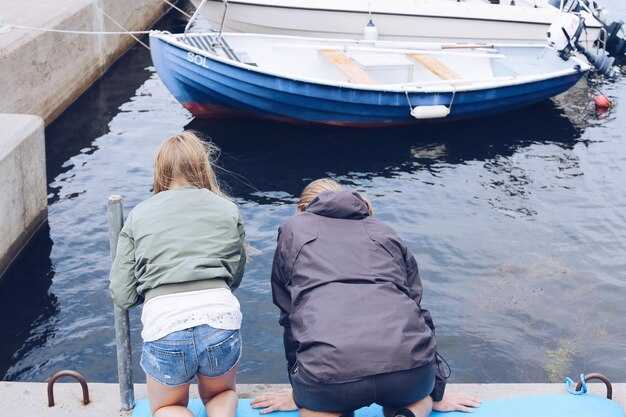
Соберите компактный, водонепроницаемый набор в один гермомешок. В него помещается смартфон с заряженным аккумулятором, запасной блок питания и одна microSD-карта с адаптером. Добавьте салфетку из микрофибры, небольшой штатив или гибкое крепление для телефона и блокнот для быстрых подписей. Держите его в потайном кармане, чтобы он оставался сухим и готовым, когда накатывают волны. Громкие волны не потревожат его там. Пометьте запасной аккумулятор как "мой", чтобы избежать путаницы. Эта настройка повышает надежность, поэтому вы можете снимать, не суетясь.
- Смартфон или компактная камера – основной инструмент для съемки
- Запасной аккумулятор и небольшой блок питания.
- Одна карта microSD (32 ГБ или 64 ГБ) с адаптером
- Ткань из микрофибры и карандаш для чистки линз
- Мини-штатив или гибкое крепление для телефона
- Водонепроницаемый мешок для спрея и соли
- Блокнот с карандашом для быстрых подписей
- Небольшой водонепроницаемый мешок или сумочка, чтобы держать все вместе.
На ежедневных сессиях они по очереди: самый старший отвечает за свет, молодой ловит непринужденные моменты, а помощник подсчитывает подписи. Обсуждение кадров поддерживает всех в вовлеченном состоянии. Назначайте простые задачи, чтобы все шло гладко, так вы будете уверены в том, что находится в пределах досягаемости. Для быстрой съемки чередование широких панорамных кадров и крупных планов поддерживает вашу ленту оживленной; за секунду вы можете запечатлеть макро-деталь веревки или капли воды. Просто нажмите на кнопку спуска, чтобы зафиксировать момент. К концу дня они сделали несколько фотографий, которые рассказывают историю, когда вы плывете обратно к гавани, и команда улыбается результатам. Вечером вы наблюдали, как горизонт светится.
Советы по поддержанию порядка: держите набор в главном месте доступа, чтобы вы могли схватить его за считанные секунды. Если вы хотите позже участвовать в простых конкурсах, записывайте короткое описание к каждому снимку; это создаст готовый к отправке пакет. Подключайте электрический зарядный прибор, чтобы подзаряжать его во время стыковки или когда вы доберетесь до салона, и используйте часы дневного света, чтобы планировать ваше освещение. Такой подход делает судовой проект естественным и увлекательным.
Настройка простого фотомаршрута на борту
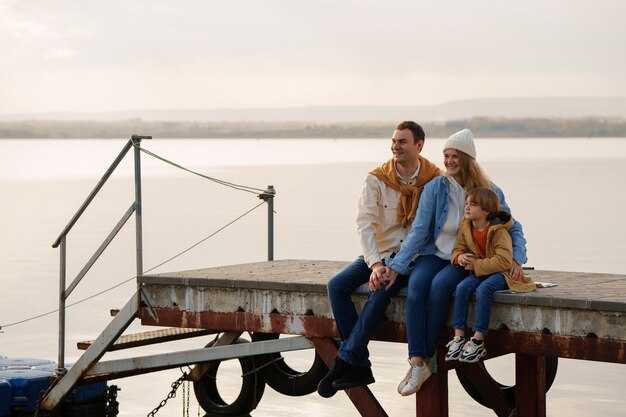
Выберите одно 5-минутное окно после еды, начиная каждый день, чтобы закрепить распорядок и вовлечь всю семью.
- Временное окно и частота: выбирайте спокойный момент после обеда или перед закатом, выделяйте пять минут и придерживайтесь этого. Этот начальный этап позволяет всем легко участвовать, не растягивая рабочий график.
- Оборудование и освещение: используйте смартфон со штативом с низким профилем или устойчиво удерживайте его в руке. Если свет тусклый, добавьте дополнительную электрическую лампу или небольшой световой клип. Закройте двери кабины, чтобы уменьшить блики, затем ненадолго откройте их для более яркого кадра палубы. Избегайте разбрызгивания за борт, держась на безопасном расстоянии от перил.
- Темы и позы: сосредоточьтесь на нескольких фиксированных позах, а также на спонтанных моментах близких во время работы, за штурвалом или на палубе. Детская площадка на палубе - прекрасный фон для игривых снимков, особенно с детьми за штурвалом или рядом с мачтой.
- Местоположение и композиция: начинайте с береговых углов, чтобы свести к минимуму блики от воды. Перемещайтесь по пространству так, чтобы вся семья уместилась в кадре, а окружающие предметы — корпус, такелаж и океан — добавляли контекст. Если погода испортится, переходите во внутренние коридоры для устойчивых, интимных кадров.
- Чередующиеся стили: чередуйте постановочные портреты и быстрые, спонтанные моменты. Смесь поддерживает коллекцию живой и аутентичной, с несколькими крупными планами и более широкими сценами на палубе.
- Хранение и варианты: используйте несколько вариантов для архивации – сохраняйте резервную копию на телефоне и в облаке, а также на небольшом диске, если он у вас есть. Помечайте фотографии простыми метками, такими как “deck-1”, чтобы вы могли позже находить воспоминания, и сохраняйте несколько готовых к публикации редактирований в галерее телефона или приложении.
- Безопасность и готовность: всегда ставьте безопасность на первое место — держитесь крепко, когда лодка качается, и избегайте наклона над перилами. Если море неспокойное, переключитесь на внутреннее освещение и держите двери открытыми или закрытыми по мере необходимости, чтобы поддерживать спокойствие и контроль.
На самом деле, эта процедура занимает всего несколько минут и вовлекает всю семью, не нарушая путешествие. Нет необходимости задумываться об этом слишком много; есть варианты для освещения, углов и сюжетов. Это заставляет палубу ощущаться как игровая площадка для ваших воспоминаний, а с Manava-вдохновленными быстрые правки позволят вам делиться моментами с друзьями и семьей в любом месте, куда вы прибудете.
Безопасность прежде всего: Быстрая проверка перед запуском
Прежде всего, проверьте спасательные жилеты и убедитесь, что все надеты правильно подогнанные СИЗ перед отстыковкой от причала. Это базовая линия, на которую вы рассчитываете, когда дети на борту, и это обеспечивает безопасность семей, когда вы отходите от берега.
Проведите краткую проверку двигателя и систем безопасности: проверьте трюмный насос, убедитесь в уровнях топлива и масла, и удостоверьтесь, что якорный канат и запасной огнетушитель находятся в пределах досягаемости. Если ваша поездка на выходные начинается ночью, проверьте работоспособность навигационных огней, звукового сигнала и радиостанции УКВ, чтобы вы могли немедленно связаться со службой помощи.
Осмотрите леера, швартовочные устройства и люки; держите палубу в чистоте и убирайте снаряжение на свои места, чтобы предотвратить спотыкания. Следите за детьми в поле зрения вокруг салона, пока вы передвигаетесь по кокпиту, это сделает поездку безопаснее и позволит им почувствовать себя частью плана.
Проведите краткий инструктаж по безопасности для всех находящихся на борту, четко распределив роли между взрослыми. Они могут управлять линями, работать со стрингерами в носовой или кормовой части и присматривать за детьми. Простое изложение правил безопасности снижает путаницу и ускоряет реакцию, если что-то изменится.
Если что-то обнаружено, что кажется подозрительным — запах топлива, шатающийся замок или разрыв в линии — снимите лодку с режима работы и перепроверьте, прежде чем продолжать. Если обнаружена утечка, выключите насос и вызовите помощь.
Ведите текущий подсчет стоимости и веса. Берите с собой легкие закуски на выходные и избегайте перегрузки салона снаряжением; легкие грузы улучшают устойчивость и уменьшают износ во время смен.
Относитесь к каждой ручке с осторожностью, как к геккону на стене: быстро приспосабливающемуся, но уверенно держащемуся при подъеме. Для семей с детьми представляйте опыт как игровую площадку на воде, а не путешествие, и вы увидите более спокойные реакции, когда появляются сюрпризы.
Определите целевую область, затем двигайтесь в спокойном темпе; команда благополучно достигла намеченного места стоянки, потому что вы готовите точки входа и не торопитесь с корабельными снастями. Этот метод исключает догадки при выходе из дока, и они сохраняют уверенность, делая выходные более безопасными и приятными для всей семьи и детей.