


 Русский
  English (UK)
  العربية
  日本語
日本語  한국어
한국어  Magyar
  Türkçe
  Español
  Čeština
  Svenska
  Português
  Ελληνικά
  Suomi
Suomi  Nederlands
  Română
  Italiano
  Français
  Polski
  Українська
  Deutsch
  简体中文
简体中文  Slovenčina
 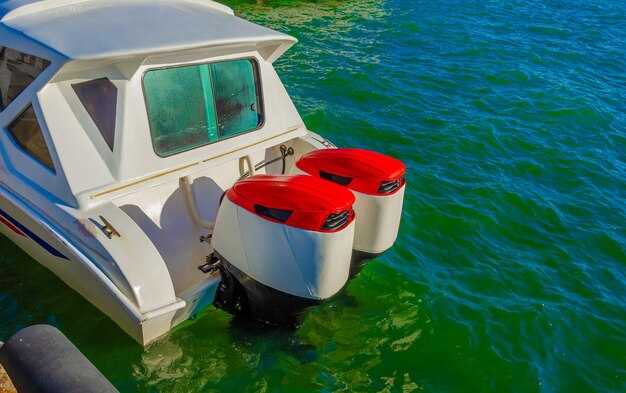 Propane Outboard Motor – The Best Choice for Clean, Efficient Boating">

Choose propane for your next outboard and gain cleaner emissions, easier maintenance, and real value on every trip. Propane burns cleaner than gasoline, reducing engine deposits and allowing longer life between rebuilds. With fewer fuel-system concerns, you can move with confidence and look forward to more time on the water. What’s made possible is a straightforward start every time, so your dream of effortless boating becomes the daily routine you enjoy.
Propane systems run a simplified fuel path and cut fuel residues that gum up carburetors, delivering steadier idle and quicker starts. In practice, you’ll notice fewer gumming episodes, especially on cool mornings. The benefit is similar across engine sizes, giving you reliable performance on a dinghy or a mid-size runabout. If you compare a gasoline option to a propane setup, you’ll find easier maintenance and more predictable costs over time. Cylinders store compact energy and can be swapped with minimal downtime, so times on the water are productive rather than interrupted.
On the vessel side, propane remains a practical choice for liveaboards and weekend sailors. One thing to check is whether your engine and fuel system can operate on LP gas, and look for verified marine regulators and corrosion-resistant lines. The hand feel during starting and throttle response should be smooth, and the handle should feel secure in your grip. The weight of the prop and tank setup should feel balanced on deck, not top-heavy. Keep a spare cylinder at a safe distance from heat sources for safe handling, and you’ll move through refills without stress.
For performance, propane delivers robust power with quick throttle response, clear guidance for choosing the right setup. If you own a small vessel, a 4- to 6-horsepower unit may suffice; larger craft can run 15–30 hp propane outboards with a wider reach and longer life. When shopping, use online sources to compare cylinder sizes, regulator options, and warranty terms; you’ll find Ответы that help you choose the right setup for your needs and ends the guesswork about fuel costs and availability.
In sum, propane is not just a cleaner, easier path to boating; it aligns with a dream and a practical life on the water. The value comes from fewer maintenance events, longer service intervals, and a ready supply when you reach the dock store. With more predictable fuel costs and a straightforward, hands-on approach, you can look forward to quiet evenings, longer trips, and a calmer vessel life afloat. This choice is made for people who want reliable performance without fuss.
Propane Outboard Motor: The Best Choice for Clean Boating; Reduced Internal Corrosion
Start with propane outboard motors for clean boating and reduced internal corrosion. youll enjoy a quiet, low-emission burn, fewer fuel-system varnish issues, and simpler winterization, since propane stores and handles differently than gasoline.
In this category, propane engines offer comparable or better corrosion resistance than gasoline, while exposing fewer components to water and salt. they beat traditional two-stroke setups for interior wear, delivering smoother overall performance on longer trips. The benefits extend to deck hardware, with less rust risk and easier maintenance.
Propane engines are designed with corrosion-resistant materials and sealed fuel paths. Cylinders are stored on deck or in secure lockers, and they connect with quick-disconnect fittings for easy handling. A gallon-equivalent of propane in a standard cylinder allows you to stay on the water longer without refuel, while keeping the system compact and portable.
Performance and specifications: Propane options offer reliable starting and strong pulls off the line. In terms of specifications, you can compare cylinder count, displacement and series design to find a model that matches your boat size. Some models use two-stroke designs, while others adopt four-stroke efficiency for cleaner exhaust and easier starting. for merc users, check merc specifications to ensure compatibility with your accessory deck gear and propulsion series.
To maximize reliability, store cylinders upright and secured on the deck, while maintaining clear lines to the motor. When you start, youll experience an immediate, smooth ignition, with a predictable running curve and fewer fouled plugs compared with gasoline. The starting process is consistently quick, and long-term starting performance remains reliable. Overall, propane outboards provide a simpler, more reliable option for clean boating with reduced internal corrosion.
Advantages and Practical Considerations for Propane Outboard Motors
Choose propane outboard motors for cleaner operation, longer life, and easier storing than gasoline-powered units. They move you with solid thrust and respond quickly to throttle, offering a straightforward start and steady idle on the water.
Benefits include lower negative emissions, quieter operation, and easier refueling on extended trips. A propane motor runs cleaner than gasoline-powered options, reducing almost all varnish buildup in fuel lines. You get reliable starts and strong thrust, and you avoid the smells that can linger on an inflatable boat.
Location planning matters. Keep refueling points mapped in advance and store cylinders in a dedicated, ventilated locker. Storing propane on an inflatable boat is feasible with proper straps and a rigid enclosure; ensure the locker stays dry and away from heat. A second bottle gives you extended range but requires careful securing and weight balance. If youre moving between riverat marinas, verify access to propane supplies and service centers before you commit.
Electrical needs: an inverter can power navigation gear without drawing from the engine, helping you move with a lighter load. Ensure the inverter size matches peak device power and that battery capacity supports extended cruise periods. If you dont monitor cylinder pressure or venting, you might face safety issues; schedule regular checks and maintain a log for life-cycle of cylinders. Look for models that require minimal maintenance and offer reliable performance in diverse conditions.
Safety and performance considerations: propane reduces some negative health and environmental risks associated with gasoline-powered engines. If you worry about cold starts, know that propane performs well with a small electric starter and standard cold-weather routines, though you may experience slower warm-ups in chilly mornings. Theres also the question of resale; many buyers and service centers look for propane compatibility, and there are sold configurations with integrated safety valves. Always follow local regulations and read your owner’s manual carefully; dont improvise when fittings or hoses show wear. When you look at an engine, confirm that the model you want requires minimal maintenance and offers longer, trouble-free operation.
Propane Refueling Logistics for Marinas and Onboard Storage
Provide a dedicated, vented refueling zone at the marina and enforce a formal protocol for every fueling event. Install a weather-protected pad with a spill tray, a fixed fire panel, and a gas detector; keep a portable extinguisher at hand. Before fueling, shut down the main power and any nearby generators, check hoses and fittings for wear, and confirm the propane system is understood by the crew. Monitor gauges and ensure the supply line remains leak-free; if any odor or hiss is detected, halt operations and clear the area. Plus, log each fill with date, cylinder size, and distance to ignition sources to support safety reporting and fuel planning. Marina member teams should receive training on this protocol to ensure consistent practice.
Onboard storage uses ventilated cabinets sized to handle four cylinders without crowding. Use eco-friendly, corrosion-resistant materials and weatherproof seals to protect life and equipment. Keep tanks in a dedicated locker located away from living quarters and electrical panels; place them where temperature stays stable and sun exposure is limited. Found best practice is to store four cylinders on non-sparking racks, and to label each with date and volume. Cylinders are sold with current safety certifications, and this approach adds value by protecting the environmental integrity of the vessel and reducing risk to systems.
Marina logistics: ensure available suppliers can provide refills with proof of cylinder integrity; use only fuel from approved propane suppliers that serve marine customers. For boats with a 30hp engine or a four-stroke generator, plan refueling with a clear procedure and a defined safety perimeter. Keep a maintenance loop: report any leaks, inspect connectors, and monitor the storage area daily where feasible. Any incident should be reported immediately. Tips include a weekly check of detectors, a monthly gas-tight seal test, and a yearly cylinder inspection. The life of the propulsion system and the marina’s environmental performance benefits from disciplined handling; getting underway safely depends on robust systems and informed crew. Rarely do incidents occur when precautions are followed, and if something is found out of range, stop and review procedures. Regular checks make leaks harder to miss. Distance to ignition sources, plus a reliable monitoring routine, help keep operations safer for customers and the environment. Other safety layers reinforce this approach.
Impact on Engine Longevity: Corrosion Reduction in Marine Environments
Install sacrificial zinc anodes and rinse with fresh water after every saltwater trip to cut corrosion and extend life of your outboard. Rinse and dry unless you plan another trip within a day.
Propane outboards, powered by clean fuel, offer an eco-friendly edge; their cleaner combustion reduces buildup in fuel systems and minimizes corrosion risks in many parts of the engine, compared with gasoline models. These features came with modern designs and are made to endure marine use. They are powered by propane and use closed cooling in many configurations, which helps reduce acid exposure. They are designed to resist salt exposure, but saltwater, moisture, and galvanic currents still affect metal surfaces. They can attack aluminum housings and fasteners, making proactive protection essential. These measures align with the specifications for your model and year, and they improve overall durability, guts resilience, and the features built into the design. Almost every upgrade in materials and coatings yields measurable corrosion resistance gains.
- Replace zinc anodes according to specifications for your model and year; larger outboards require proportionally larger anodes, and inspect them at least once per year or after every 100–150 hours of use.
- Rinse after every trip, flush salt with fresh water, then dry the exterior and lower unit to prevent stray moisture from promoting corrosion; rarely does neglect lead to major repairs when caught early.
- Apply an eco-friendly, corrosion-inhibiting coating or spray to exposed metal surfaces; reapply as needed and inspect seals to maintain a closed system that keeps moisture out.
- Если ваша топливная система включает в себя карбюраторы как часть более старой бензиновой установки, убедитесь, что они чистые и свободны от лака; для пропана сосредоточьтесь на чистоте привода дроссельной заслонки и форсунок, чтобы предотвратить образование лака, которое может ухудшить производительность.
- Храните с нижним модулем, обрезанным, чтобы предотвратить скопление воды и обеспечить чистоту каналов охлаждения от соли; когда это возможно, держите систему закрытой и сухой в течение длительных периодов без использования.
- Осмотрите электрические соединения и крепежные элементы на предмет признаков коррозии; наносите диэлектрическую смазку в местах с высокой солевой экспозицией и своевременно заменяйте изношенные детали для защиты внутренних компонентов и критических систем.
Техническое обслуживание требует адаптации к спецификациям вашей модели и года выпуска. Благодаря последним улучшениям, коррозионная стойкость повышена в большинстве экологичных систем, что способствует увеличению срока службы двигателя.
Регулярное техническое обслуживание систем может продлить срок службы двигателя и снизить риск отказов, связанных с коррозией; установка напоминания на январь о тщательной проверке, включая аноды, тягу дроссельной заслонки и покрытия, поможет вам поддерживать пиковую производительность и сохранять характеристики, которые были с вашим приводным навесным двигателем.
Основные моменты обслуживания для поддержания хорошей работы лодочного мотора на пропане
Проверяйте на наличие утечек и подтягивайте соединения перед каждой недельной поездкой; заменяйте изношенные резиновые шланги через определенный сезонный интервал, чтобы поддерживать постоянное давление в линии и надежную тягу.
Обеспечьте безопасность резервуаров и проверьте уплотнения клапанов, зажимы и соединители на наличие коррозии; замените стареющие компоненты. Большинство проверок можно выполнить легко с помощью базового набора инструментов, снизить риск возникновения проблем в середине сезона и поддерживать надежность в хорошем состоянии на ревервере.
Храните баки в вертикальном положении в затененном, хорошо проветриваемом месте, когда они не используются, и закрывайте концы шлангов, чтобы предотвратить попадание пыли и влаги в линию. Если вы готовите на гриле на борту, держите отдельную, заправленную линию гриля, изолированную от системы двигателей.
Сезонные проверки систем управления обеспечивают плавный запуск и отклик дроссельной заслонки. Существуют проверки, которые вы можете выполнить легко, чтобы избежать заеданий, и вы должны убедиться, что функции аварийного отключения работают как задумано. Для тех, кто планирует недельные поездки, этот идеальный распорядок поможет вам придерживаться плана без сюрпризов.
В Стоктоне и вдоль коридора реки, те, кто использует пропан с простой линией, поддерживают хорошую надежность. Те, кто использует этот подход, запасаются небольшим запасным комплектом с уплотнителями и мембранами, чтобы можно было справиться с проблемой, не выходя на берег.
| Задача | Frequency | Что следует проверить | Приблизительные затраты | Примечания |
|---|---|---|---|---|
| Проверьте шланги и хомуты | Перед каждой недельной поездкой | Осмотрите резиновые шланги на наличие трещин; затяните хомуты; проверьте на износ | 0–30 USD | Заменить при защемлении или трещинах |
| Осмотреть танки и уплотнения клапанов | Seasonal | Проверьте наличие коррозии, утечек и герметичности. | 20–60 USD | Хранить в вертикальном положении; заменять старые уплотнения |
| Тест регулятора и давления в линии | Seasonal | Проверить давление и целостность уплотнения | 15–40 USD | Consider spare diaphragm |
| Промыть и очистить топливную систему | После использования | Удалите мусор из линий и портов | 0–20 USD | Использовать одобренный очиститель |
| Хранение и консервация на зиму | Конец сезона | Сливные линии, заглушить баки, хранить вдали от тепла | 0–20 USD | Поддерживайте вентиляцию |
Соображения о стоимости: Пропан против Бензина за Сезон Катания на Лодках

Пропан — это дешевый и практичный выбор при комплектации оборудования в течение типичного сезона катания на лодках. Он обычно снижает затраты на топливо на единицу энергии и уменьшает обслуживание небольших двигателей, используемых на парусных лодках, надувных судах и при поездках между островами. Безопасное хранение пропана на борту — это просто, если использовать одобренные баллоны и правильное крепление; всегда держите баллоны в хорошо проветриваемом месте вдали от источников тепла.
Разница в энергетической емкости имеет значение: пропан обеспечивает около 87 000 БТЕ на галлон, в то время как бензин — около 114 000 БТЕ на галлон. Это означает, что вам потребуется примерно 1,3 галлона пропана, чтобы эквивалент энергии 1 галлона бензина. Для двигателей, работающих на крейсерских оборотах, эта разница может привести к использованию большего количества галлонов пропана в час, даже при сохранении той же выходной мощности, поэтому сравнения стоимости должны основываться на энергетических показателях, а не только на галлонах.
Cost scenarios help illustrate the point. If gasoline costs $3.50 per gallon and propane costs $2.20 per gallon, and your engine runs 1.5 gallons/hour on gasoline, you’d need about 2.0 gallons/hour of propane to maintain the same power (1.3x). Hourly costs would be roughly $5.25 for gasoline and $4.40 for propane. Over a 60-hour season, that’s about $315 with gasoline and $264 with propane–a difference of roughly $50 in favor of propane, though actual savings depend on local prices and throttle habits. Tips like this pull through when you’re choosing a fuel strategy for islands hops or a long sailboat cruise.
Storage and handling influence the economics as well. Propane tanks are compact and easy to swap on smaller boats, which is a win for smaller craft on windy days around islands or near coastal towns. This simplicity pays off on sailboats, inflatable dinghies, and micro-cruisers where high deck space is limited. However, keep in mind that you’ll need secure, upright storage in a ventilated area and a proper regulator packet to prevent leaks; poor storing practices rarely pay off in the long run and can claim expensive consequences.
In terms of maintenance, the industry notes that clean combustion from propane can extend spark plug life and reduce carbon buildup in some engine configurations, contributing to higher overall efficiency and lower long-run costs. This is a meaningful difference for engines that pull hard during a short hop or a longer crossing, where high reliability matters most. For boats with smaller engines, the heart of the decision often comes down to how you value fewer fuel-system headaches and easier topping up while keeping a robust safety routine.
For most coastal businesses and private crews, choosing propane makes sense when you compare cost per BTU, not just price per gallon. If you typically run in regions with ready access to propane stations and you operate a sailboat, inflatable, or small motorboat with a limited deck footprint, propane delivers a practical combination of low cost, easy storing, and steady performance. If you expect frequent long legs where fuel stops are scarce, consider a well-planned fuel plan and a safety packet to minimize worry and maximize time on the water.
Safety, Storage, and Handling Tips for Small Boats
Secure propane cylinders upright and clip them to a rigid mounting point in a ventilated area away from heat and ignition sources.
On deck or in a dedicated locker, keep the location cool, dry, and shaded. Use a propane-specific mounting bracket so cylinders can’t roll or tip, and ensure the valve is closed when not in use.
guts and steady discipline pay off, truly reducing risk as you handle fittings and hoses, getting to a safer setup across seasonal trips and years.
Propane is sold with regulators and hoses included in many kits, simplifying purchase and setup.
Many vessels benefit from propane, delivering a clean, quiet operation.
- Inspect hoses for wear before every trip; replace cracked hoses and use only approved regulators and connectors.
- Test for leaks with a soap solution; if bubbles appear, shut the cylinder, replace the faulty part, and recheck.
- Ventilate the engine compartment during operation; never run propane near vents or exhausts where fumes can accumulate.
- Keep flames, sparks, and hot work away from storage and fueling areas; store away from gasoline boats and other fuel sources.
Gasoline engines behave differently than propane systems. Propane keeps the engine compartment cleaner and reduces odor during trips, making maintenance easier and getting you going quickly after a refuel. For someone comparing modern model options, propane units are sold with simple regulators and fewer moving parts, suited for vessels with compact layouts and seasonal use. georgiaseafarer crews often report smoother handling and fewer fuel worries on the water.
- Seasonal storage tips: disconnect the regulator during idle periods, store cylinders in a shaded, ventilated locker, and check seals at the start of each season.
- Location planning: place the cylinder outside the cabin, secured with straps, and keep a mounting bracket for quick removal during a trip.
- Handling steps: transport cylinders in a dry, upright position using proper carriers; never roll or drag cylinders.
When evaluating a plan, getting a proper fit involves checking the location for the cylinder, hose length, and regulator compatibility, then ensuring all connections seal tightly. If you smell gas or detect bubbles during a test, stop and address the issue before going out on the water.