


 Русский
  English (UK)
  العربية
  日本語
日本語  한국어
한국어  Magyar
  Türkçe
  Español
  Čeština
  Svenska
  Português
  Ελληνικά
  Suomi
Suomi  Nederlands
  Română
  Italiano
  Français
  Polski
  Українська
  Deutsch
  简体中文
简体中文  Slovenčina
 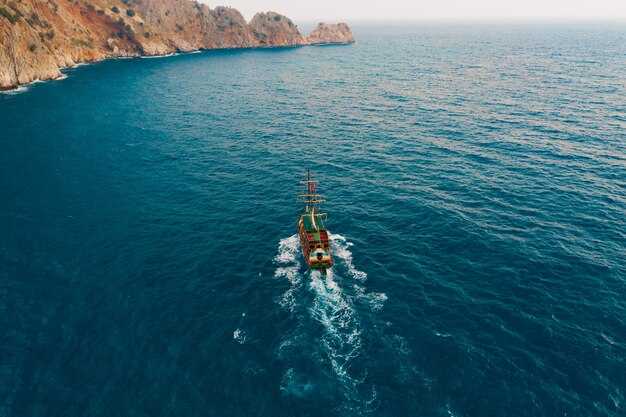 One Week Sailing the Aeolian Islands – Lipari, Vulcano &">

Начните свою неделю, бросив якорь в защищенной гавани Липари на рассвете, проложите устойчивый курс на Вулкано и начните со спокойного утра на воде.
В Липари деревня поднимается от гавани к узким улочкам, где побеленная архитектура обрамляет виды на море, а буи отмечают безопасные стоянки вдоль набережной.
Поздним утром из Липари вы отправитесь на Вулкано, поймав бриз кальдеры; во второй половине дня можно бросить якорь у Кала Вулканелло, прогуляться к кратеру и искупаться в минеральных бассейнах, прежде чем вернуться на свою лодку.
heres Компактный набор советов: ежедневно проверяйте прогноз ветра, берите с собой запасной якорь, запомните расположение семи буев вокруг вулканического побережья и перед отплытием уточните координаты скалы Боттаро у капитана порта.
Вечера приносят покой, когда сияет деревенская площадь; norman арки обрамляют прибрежную церковь, а в кафе Bottaro льются цитрусовые спритцы, и моряки обмениваются впечатлениями; Bottaro всплывает в разговорах местных как любимое место для вечерней остановки, и вам необходимо спланировать тихие ночные стоянки и безопасные отплытия.
Кинематографичный свет над землей и морем придает каждому пройденному отрезку под парусом ощущение решимости; разве не все дни одинаково спокойны, и все же, огибая архипелаг, ты собираешь семь глав побережья Сицилии.
Благодаря гибкому планированию вы подстраиваете маршруты под ветер, приливы и тень; Эолийская гряда Сицилии вознаграждает внимательных капитанов тихими бухтами, чистой водой и свежими морепродуктами на каждой остановке — сочетание, которое определенно окупается.
План плавания по Эолийским островам
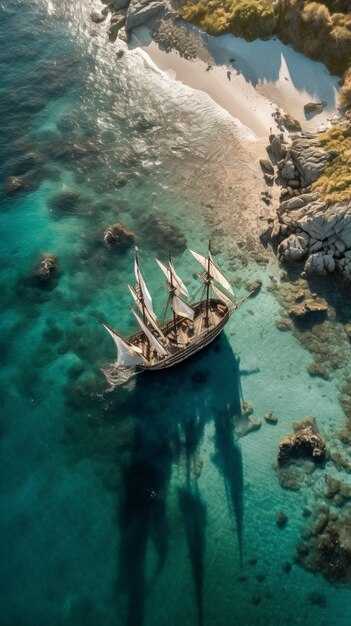
Забронируйте надежные места для швартовки на Липари на первую ночь и спланируйте круговой маршрут по часовой стрелке через Вулкано, Панарею, Стромболи, Салину, Филикуди и Аликуди, прежде чем вернуться. Этот план рассчитан на семидневный маршрут с 4–6 часами плавания в день, а также временем на изучение гаваней, купание и еду. Швартовка fees зависят от гавани и сезона, как правило. 30–60 EUR за ночь; берите наличные для причала hours и официальные проверки. Используйте кормовые швартовы чтобы надежно пришвартовать лодку и запасти достаточно воды на несколько дней плавания. Вы готовы насладиться прекрасным отрезком пути вдоль sicily‘северное побережье.
День 1 – Липари: Основано в Липари, найдите безопасные места для швартовки в защищенных гаванях рядом с Marina Corta или Porto Pignataro и отправляйтесь кормовые швартовы для спокойной ночи. Обеспечение припасами на суше не представляет сложности, и restaurant находится в пределах легкой досягаемости. Короткая прогулка до района Зиммари позволит спокойно ознакомиться с островной жизнью, а затем встретить закат с палубы.
День 2 – Вулкано: Переход на Вулкано, известный своим volcanic пейзажи и пляжи с черным песком. Начните с утренней кратере поход за прохладным воздухом, затем купание в теплых источниках и возвращение к своей стоянке. Во второй половине дня посетите гавань. restaurant на обед и проверить hours вулканического парка, чтобы вы могли спланировать парусный поход на закате обратно в спокойные воды.
День 3 – Панарея: Короткий переход до Панареи; швартовка в гавани Сан-Пьетро простая и кормовые швартовы безопасность. Белые улочки и уютные магазины Панареи дарят замечательный В отличие от Вулкано. Если ветер позволяет, встаньте на якорь возле района Циммари и проведите вечер на берегу, поужинав в легком ресторане.
День 4 – Стромболи: Вулканический остров доминирует на горизонте. Швартовка во внутренней гавани защитит вас от порывов ветра; присоединитесь к лицензированному походу к кратеру во второй половине дня, чтобы увидеть свечение на фоне ночного неба. По возвращении поужинайте в гавани. restaurant. Монитор fees и последние нежные часы, чтобы избежать задержек.
День 5 – Филикуди или Аликуди: В зависимости от ветра, отправляйтесь на Филикуди, чтобы увидеть морские пещеры и чистую воду, или на Аликуди, чтобы ощутить более тихую и традиционную атмосферу. В гавани Филикуди есть надежные причалы и пешая доступность до нескольких закусочных; fees применяются в том же диапазоне. Побережье манит исследование на шлюпке и на закате над водой.
День 6–7 – Возвращение к Липари: остановка у отмели Морто, если позволяют условия для спокойного заплыва и завершения недели финальным взглядом на sicily береговой линии. Возвращение в Липари с полным камбузом и воспоминаниями о чудесной неделе путешествия по Эолийским островам.
Дневной маршрут: Липари, Вулкано, Панарея
Встаньте на якорь в Marina Corta на Липари, чтобы получить надежную базу, а затем прогуляйтесь до Кастелло и Эолийского музея, чтобы сориентироваться. Мы выяснили, что компактная городская петля – улочки, набережная, бельведер – кажется насыщенной без спешки. Вечером почтальон все еще доставляет записки в гавань, пока вы ужинаете свежей рыбой в прибрежной таверне.
От Липари отправляйтесь на Вулкано и пришвартуйтесь возле Порто Леванте для быстрого доступа к кратеру Ла-Фосса. Совершите надлежащий подъем к краю кратера, чтобы полюбоваться панорамными видами и умеренными серными испарениями; запланируйте 60–90 минут в каждую сторону. После этого искупайтесь в горячих источниках в Васке ди Венера и ополоснитесь в море, чтобы охладиться. Подводная видимость вдоль побережья Вулкано обычно достаточно хорошая для короткого снорклинга возле рифов, образованных лавой, с небольшими рыбками вокруг спокойных участков.
Далее вас ждет Панарея: бросьте якорь у Сан-Пьетро и начните исследовать крошечный портовый городок Панарея. Для насыщенного приключения арендуйте небольшую лодку, чтобы осмотреть близлежащие островки Базилуццо, Даттило и Спинаццола, а затем отправляйтесь в Кала Юнко для короткой морской прогулки вдоль изрезанного побережья. Панарея предлагает три бухты и неторопливый ритм, который туристы также предпочитают, с белыми улочками и несколькими пекарнями, которые придают этому месту ощущение подлинности.
На четвертый день отправляйтесь исследовать больше Панареи: поныряйте с маской и трубкой в Кала Юнко и вокруг островков Диомеде, а затем поднимитесь на Пунта-дель-Корво, чтобы полюбоваться захватывающим видом на побережье со скалы. Эолийцы называют близлежащие островки Диомеде, и вы также можете заказать второе судно, чтобы посетить Базилуццо и Даттило, если позволит ветер, увидев три стороны береговой линии Панареи.
Вернитесь на Липари на пятый день, остановившись в северной гавани. Выберите прибрежный маршрут к Кватро Страде, углубляясь вглубь острова по тропе, которая слегка поднимается и возвращается с видами на море с другой стороны. Маршрут демонстрирует лаву землистых оттенков Липари, кустарники и крошечные бухты, где можно остановиться, чтобы быстро искупаться. Для удобства туристов можно совместить поход с обедом в кафе в гавани и прогулкой по старому городу.
Шестой день посвящен подводному миру и неспешному морскому ритму. Мы запланировали утренний сноркелинг вдоль защищенных бухт Липари, а затем отплывем к ближайшему причалу на обед на палубе. Сеть причалов упрощает швартовку, а спокойное море позволяет полностью сосредоточиться на морском дне — разноцветных рыбах, морских ежах и высеченных лавой расщелинах. И не забудьте взять с собой легкую камеру, чтобы запечатлеть солнце на воде и силуэты острова.
На седьмой день завершите путешествие повторным посещением музея Липари и последней прогулкой по побережью перед отплытием. Цвета земли, от базальта до белой пемзы, кажутся яркими, когда вы рассматриваете выступы, вылепленные лавой вдоль гавани. Мы наслаждались семью днями исследований, ветра и соли, и этот маршрут может легко превратиться в запоминающееся завершение перед последней ночью на воде.
Варианты стоянки и процедуры швартовки в Липари и Панарее
Забронируйте место в Marina di Lipari, чтобы воспользоваться полным спектром услуг, включая воду, электричество и береговые сооружения; для снижения затрат и большей гибкости используйте буи в бухтах внешней гавани, когда ветер благоприятствует открытым водам.
- Липари – Марина ди Липари: современная, с персоналом и недалеко от города. Предоставляет воду, электричество, топливный причал, душевые и экстренную помощь. Гавани здесь обслуживают как гостевые места, так и транзитные стоянки; в межсезонье остается несколько свободных мест, что делает ее популярным выбором для круизеров, которым нужна надежность и быстрый доступ к берегу.
- Lipari – Porto di Lipari (outer/old harbour area): guest pontoons and buoy fields serve those seeking a cheaper option or a quick stop. Use a bow line to a buoy and a stern line to a secure ring; always deploy fenders and keep your crew ready for rapid adjustments if surge rises.
- Panarea – Porto di Panarea and nearby buoy field: a compact harbour with limited services and clear access to shore facilities in the village. Mooring buoys are common here; plan a short stay if the quay is crowded, and be prepared for basic toilet and fresh water provisions on land.
Procedures and practices to follow on both islands ensure smooth mooring and quick departures, especially during the peak season when seven-day charters rotate through harbours and bays.
- Prepare in advance: confirm vessel length, draft, and clearance. Check the seven-day forecast and observe crystal waters around the coast for smooth entries; the shore and vegetation along the island are particularly scenic in the afternoon light.
- Contact the Harbour Master on VHF channel 16 to request entry, confirm available buoy space or a slip, and obtain any local instructions. Those who appear at the quay with proper paperwork are released to a mooring promptly.
- Choose your mooring type: buoy or quay. Buoys typically offer lower fees and easier departures; quay berths provide direct shore access, but require precise line handling and longer preparations.
- Approach carefully: follow channel markers, keep a safe speed, and stay clear of fishing operations. Position the bow toward the buoy or dock as directed by shore staff; avoid repeating sharp turns that could damage hulls or fenders.
- Secure correctly: attach a bow line to a cleat or bollard, add a stern line to a secure point, and deploy two spring lines if space allows. Use durable lines and ample fenders; if surge increases, adjust tension steadily rather than jerk the lines.
- Pay and obtain receipts: finalize mooring fees at the marina office or through the harbor authority; keep the receipt until departure and note the required cancellation window for a later stop.
- Waste and discharge rules: use designated waste disposal points and never discharge bilge water or residues into the waters that surround the islands; crystal water conceals how close the coast is to magma below and highlights the volcanic scenery around volcanoes and stromboli in the distance.
- Departure plan: signal your release to the Harbour Master when ready; untie lines carefully, pull in fenders, and proceed outward with a short, controlled turn to avoid other vessels or moorings. Never leave a mooring unattached without proper authorization.
For a side trip, stromboli is a popular add-on; plan the excursion for the afternoon when the volcanoes appear dramatic against the sky and the waters become even more stunning. Lipari remains the largest hub and provides the most options, while Panarea offers a tiny, charming harbour with a dramatic backdrop–both harbours deliver beautiful access to the island’s coast, its crystal waters, and the unique atmosphere of this volcanic group.
Weather windows and wind patterns for inter-island hops
Target a dawn departure from Lipari to panarea to reach the next destinations within a light breeze and calm seas. This time window supports 8–15 knots, keeps seas beautiful, and the panoramic light as the sun rises over the volcanoes guides your first hops.
In the aeolian archipelago, wind patterns follow a diurnal rhythm: mornings bring light easterlies or northerlies, giving way to sea breezes by afternoon. If a forecast shows 12–18 knots in the morning, you can cruise Lipari → panarea comfortably; plan shorter legs to sheltered bays tucked along the coast when winds shift. If you sailed these waters before, you know how the wind can shift with the day. Watch for sirocco gusts from the south on hot days, which can bubble up quickly and slow you down. For reliable connections between destinations, keep the time of day in mind and use the quiet morning window to start a leg to Vulcano or Stromboli.
Seasonal guidance: The best season for inter-island hops is late spring through early autumn when the seas stay responsive and the air is clear to explore and film. From the birth of Aeolian navigation, these routes shaped coastal life; today you can visit panarea, Lipari, Vulcano, Stromboli, Filicudi, and Alicudi with a flexible plan. For planning, most legs run 1.5–3 hours Lipari → panarea, 2–5 hours panarea → Stromboli or Vulcano, and 1–2 hours for short hops around Lipari. If you prefer exploring the entire arc, set aside 5–7 days and allocate time to stop in sheltered coves, sample foods, and enjoy the viewpoints. The entire route rewards cruising with a mix of wind and sunshine, revealing a beautiful, panoramic coastline seen best at sunrise, when the sea remains calm and the bubbling vents around Vulcano provide a visual treat for your film crew or your own memories.
Practical takeaways: We suggest starting with Lipari → panarea to lock in the simplest window. Take the most stable window and avoid racing into a shift; have 2–3 alternate legs ready, so you can reach all your destinations even if a front arrives. From Lipari you can loop through panarea, Vulcano, Stromboli, Filicudi, and Alicudi, and still return to Lipari if weather holds. Your plan should reserve time for exploring anchorages tucked along coves, tasting foods in harbor tavernas, and recording your trip for a season film collection. If you lose a day, use it to linger in a beautiful bay and watch the volcanic activity, and adjust your itinerary accordingly. The aeolian winds rise and fall with the seasons, so staying flexible is the best strategy for cruising the entire week along the coast.
Anchoring spots, depth notes, and approach tips around Vulcano
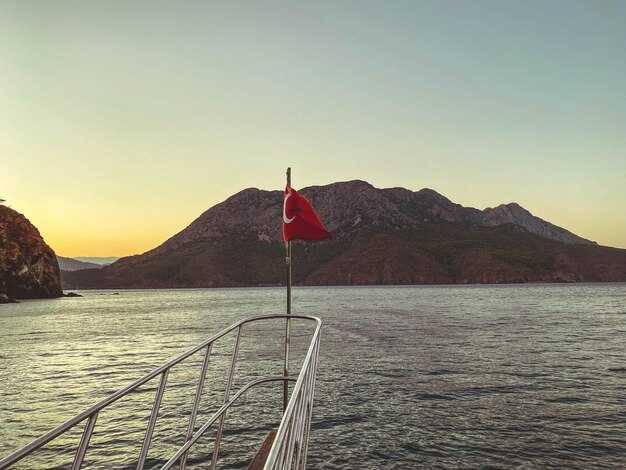
Anchor just outside the Vulcano Porto moorings in 7–9 m, sandy bottom with patches of ash. Use 30–40 m of chain and a stern line to shore if winds push from NW; this keeps you clear of the ferry lane and makes the early evening more relaxing.
Spot A – West of the volcanic village: depth 8–12 m, bottom sand with lava gravel. Holding is solid in winds from the NE to SE; if gusts reach 20–25 knots, add a second anchor 40–50 m away to keep the swing within a sheltered arc. Approach from 045°, stay clear of the rock stacks, and keep at least 60 m from the shore where the streets and bars begin. From here you enjoy incredible sunsets and can stroll the village afterward, creating memories that last hours and days.
Spot B – Southeast shelf near the caldera rim: depth 12–18 m, bottom mud and sand with sporadic lava patches. Current is usually gentle, but set up with a 60–70 m Rode to limit swing. Drop anchor in 10–15 m during slack water for the easiest settle, then drift a few meters if you need to reposition. The coast here offers fantastic views of the volcanic coast from the boat, a great place to plan a short hike the next morning.
Approach tips: enter from the open water on a NE to E course to stay clear of lava outcrops and reef. Once you reach the outer shelf, ease to 8–12 m and drop the primary shot, testing holding by a soft reverse after set. Keep VHF Channel 16 in use to monitor traffic, ferries, and local guidance. Leave ample space for other boats and don’t rush the maneuver; a careful approach saves hours and reduces risk when conditions swell.
Moorings and logistics: there are a handful of buoys outside the harbor used by day charters; if you see active moorings, tie off for a quick reset or swap to a spare anchor when the wind shifts. In the village you’ll find relaxing shoreside options, where you can wander the coast, catch a drink at a bar, and explore the narrow streets. After a windy afternoon, a nighttime walk along the coast creates memories the entire crew will recall for days, and the volcanic village feels welcoming from the moment you step ashore until night falls, when the harbor lights theatrically frame the bay and the waves add a soundtrack to your stay.
Gear, provisioning, and budgeting for a week afloat
Start with a concrete plan: seven days afloat demand a compact provisioning kit for two, covering six breakfasts, seven lunches, seven dinners, plus snacks. For least disruption, rely on 60% long-life staples and 40% fresh produce, with a 2–3 day reserve in a cooler. If you are a first-time cruising pair, keep meals simple and use on-board cooking to stay flexible after nights at anchor on winding coastlines. When you shop, ashore trips on foot let you refill bread, fruit, and veg at named markets without slowing cruising progress.
Onboard gear and provisioning essentials: two PFDs per person, a sturdy anchor with 50 m of nylon line, 4 fenders, a 10 L potable water can, a compact stove with spare gas canisters, a first-aid kit, a waterproof dry bag for shore trips, and a reliable torch for nights. Pack a small tool kit, spare impeller, duct tape, and a bilge pump. Bring a navigation chart, a whistle, and a waterproof pouch for your phone plus a power bank. Carry a reusable bottle and a water filter bottle to keep crystal water onboard; a bubbling mud visit on Vulcano can become part of your memories ashore. For cruising Lipari and Vulcano, choose gear that stows quickly when a squall calls you back to the boat and you want to stay comfortable during long days of explore.
Budgeting for seven days below reflects two people, with options for anchored stays or marina nights: provisioning for dry goods and fresh items, fuel, mooring or anchorage, and a small reserve for extras. Plan at least a 10–15% buffer for price shifts in peak season and for spontaneous refills after long hikes along the coastlines.
| Category | Рекомендованный объем | Estimated cost (EUR) | Примечания |
|---|---|---|---|
| Food and beverages | Dry staples for seven days; fresh produce for 3–4 days; coffee/tea | 200–260 | Two people, self-catering; include 2–3 on-board meals that are quick to prepare |
| Water and ice | Drinking and cooking water | 15–25 | Tap filters or bottled water as backup |
| Fuel and stove fuel | Propane/butane canisters; stove轴 | 16–25 | 1–2 canisters cover a week for two; check stove compatibility |
| Safety and spares | PFDs, flares, first-aid supplies, basic tools | 40–80 | Keep a spare impeller and tape for quick fixes |
| Mooring and port charges | Anchoring free; marina nights if chosen | 60–180 | Depends on nights in slips; some bays allow free anchorage |
| Разное | Charts, maps, guidebooks, small comforts | 20–40 | Lightweight items that improve routine and safety |
С помощью этого плана вы достигаете баланса между питанием на борту и пополнением запасов на берегу, сохраняя предсказуемость расходов. Привлекательность семи дней кроется в днях, проведенных в круизе по спокойному морю, ночах под звездами и возможности исследовать руины и бухты с отвесными скалами вдоль побережья. Вы вернетесь с воспоминаниями о кристально чистой воде, силуэтах черных скал и открытиях, сделанных впервые, которые кажутся почти театрально яркими на фоне береговой линии землистых тонов.