


 Русский
  English (UK)
  العربية
  日本語
日本語  한국어
한국어  Magyar
  Türkçe
  Español
  Čeština
  Svenska
  Português
  Ελληνικά
  Suomi
Suomi  Nederlands
  Română
  Italiano
  Français
  Polski
  Українська
  Deutsch
  简体中文
简体中文  Slovenčina
  Spring commissioning checklist and launch-day plan">

Yard logistics and timing
Boatyards typically schedule travel lifts and permanent slip assignments up to six weeks ahead during March peak commissioning; paint cure times, shore-power availability, and crane windows are coordinated to avoid rework and costly delays.
Why order of operations matters
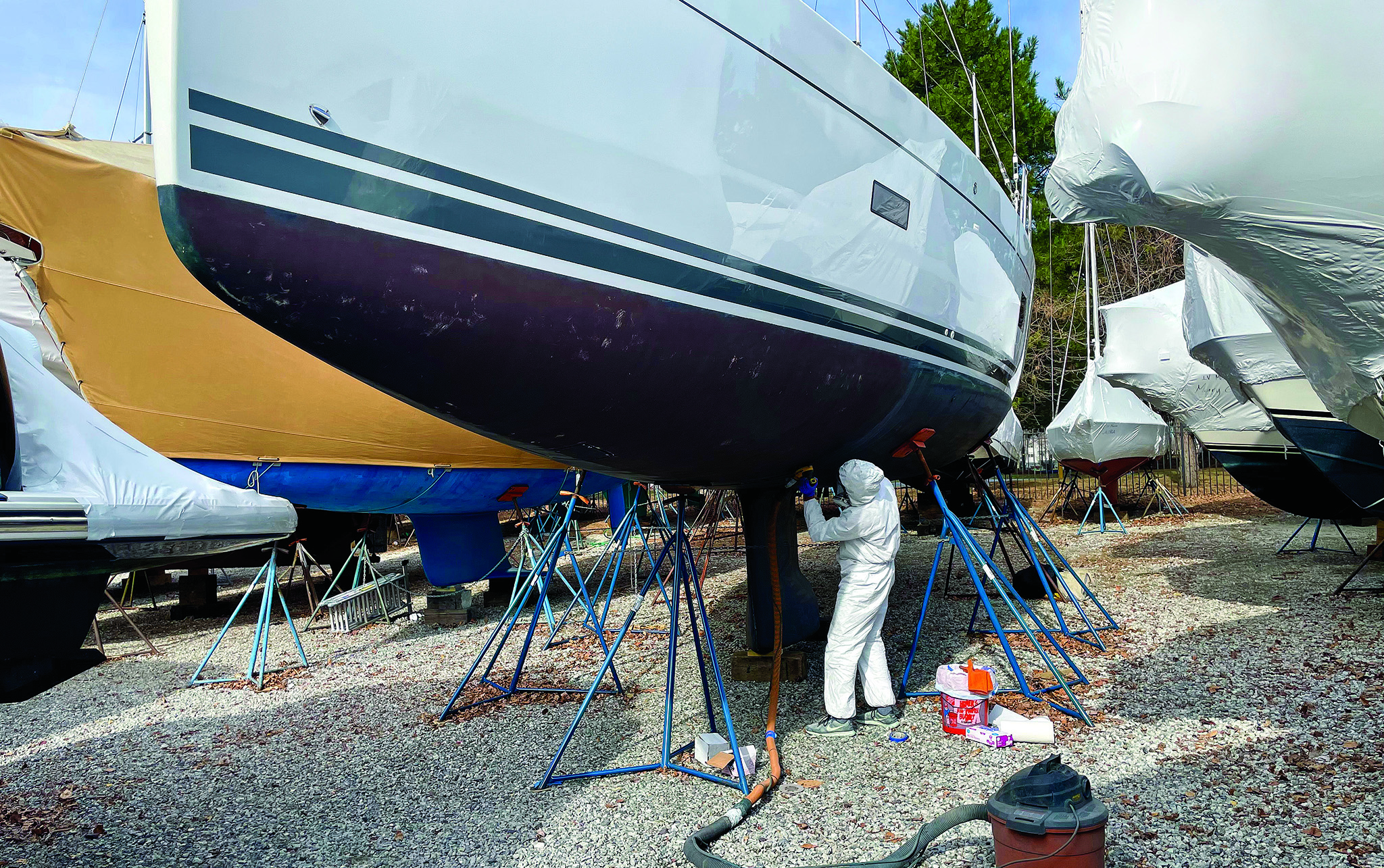
Years of professional commissioning work show two recurring failures: starting jobs in the wrong sequence and skipping a clear checklist. Order matters because some tasks—like bottom painting—must occur after topside polishing, while others—winch and steering servicing—can and should be done in winter to free spring shop capacity.
Phase breakdown: ultra-early spring to after launch
| Phase | Core actions |
|---|---|
| Ultra Early Spring / Winter | Complete major repairs and upgrades; service winches, steering, seacocks; inspect anchors and safety gear |
| Before Запуск | Remove cover, clean & wax topsides, prep and paint bottom, renew zincs, apply antifouling to metals |
| Запуск Day | Coordinate lift, stow lines & fenders, relocate cover to storage, move to slip for shorepower |
| After Запуск | Battery service, commission engines/systems, rig tuning, bend on sails, install canvas, systems check |
Ultra-early spring checklist (do these in winter if possible)
- Complete repair and upgrade projects so they do not overflow into spring.
- Service winches, anchor windlass, and steering—these free up spring shop slots and avoid launch-day bottlenecks.
- Service seacocks and inspect ground tackle, renewing anchor chain markings as needed.
- Update safety equipment and registrations while paperwork is easy to access.
Before launch: prep sequence
Strip covers and store them properly—procrastination means a soggy, wind-blown mess under the hull. Then follow a logical prep flow to avoid undoing work: topside cleaning and waxing before bottom prep, transducer paint ahead of bottom coating, and metal cleaning and zinc renewal before PropSpeed application.
Condensed before-launch tasks
- Remove and store winter cover; label for reuse or recycle.
- Clean, compound, and wax topsides from waterline to rail.
- Sand and prepare bottom, paint with adequate overnight cure between coats.
- Clean props, shafts, thrusters; renew zincs and protect with PropSpeed on metals.
- Stage dock lines and fenders for yard staff.
Launch day and immediate post-launch work
Launch day is the pivot point: celebrate, but plan the move to a slip or dock with adequate shorepower so batteries can get a full three-stage overnight charge before system commissioning.
Post-launch commissioning sequence
- Battery service: load-test, clean and grease posts, and confirm solar/shore charging.
- Engine and generator commissioning: after batteries are confirmed healthy and the boat is in the water.
- Stuffing box and shaft checks: adjust while engine is running afloat.
- Freshwater, refrigeration, heads, and ice maker: sanitize and test.
- Rigging: swap winter running lines for summer lines, inspect, and tune with mast aloft checks.
- Паруса and canvas: bend on sails after rig tuning; install dodgers and enclosures toward the end to avoid blocking waxing and varnish work.
- Final systems check: bilge, electrical, navigation lights, and safety gear—give everything a run-through.
Battery and engine notes (practical tips)
Leaving batteries onboard and wired through winter is generally safer than removing them. A removed battery disables bilge pumps in case rain or condensation floods the hull. That said, batteries need winter charging (solar or shore) and a spring service: hydrometer checks for flooded cells, load testing, and a full charge prior to running systems.
Engines are best commissioned afloat to avoid impeller damage and to ensure raw-water cooling is functioning correctly; coordinate a slip move for charging and testing instead of attempting complex land-based runs.
Rig, sails, and canvas — the right order
Think backwards: varnish and deck cleaning benefit from keeping canvas stowed until later because dodgers obscure access and catch buffing mess. Rig inspection should precede deck washing so any turnbuckle grease or aloft work can be cleaned. Swap winter halyards for fresh summer ones before anyone goes aloft.
Wrap-up: key takeaways and how this affects charters and rentals
Good commissioning is about logistics, sequencing, and a reliable checklist. Prioritize winter completion of big projects, schedule winch and steering service early, stage topside work before bottom paint, and always charge and service batteries before engine commissioning. For owners, charter operators, and boat-rental businesses, disciplined commissioning protects availability—reducing downtime for a yacht, charter, or rental boat and keeping marinas and captains happy. In short: plan the work, follow the order, and you’ll spend more time sailing and less time fixing. Whether you run a charter, sell gear, operate a marina, or dream of a weekend on the lake or gulf, these steps support safer boating, better yachting experiences, and smoother superyacht or small-boat operations. Yacht, charter, boat, beach, rent, lake, sailing, captain, sale, Destinations, superyacht, activities, yachting, sea, ocean, boating, gulf, water, sunseeker, marinas, clearwater, fishing.