


 Русский
  English (UK)
  العربية
  日本語
日本語  한국어
한국어  Magyar
  Türkçe
  Español
  Čeština
  Svenska
  Português
  Ελληνικά
  Suomi
Suomi  Nederlands
  Română
  Italiano
  Français
  Polski
  Українська
  Deutsch
  简体中文
简体中文  Slovenčina
 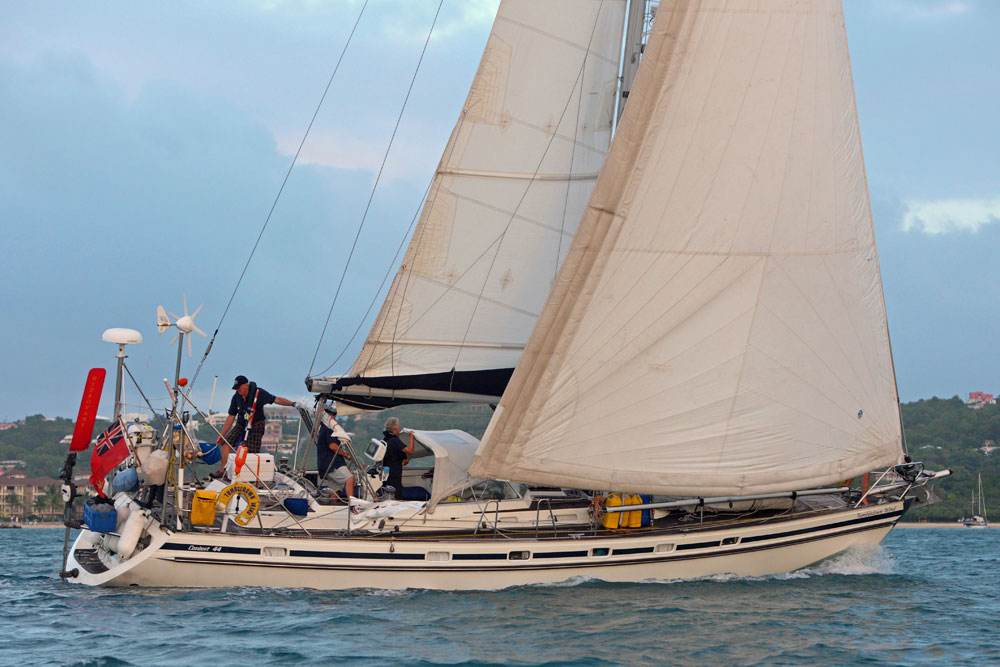 Choosing Self-Steering for Safe Offshore Passages">

On a multi-day offshore passage, energy budgeting is a logistics priority: a windvane self-steering consumes zero electrical power while a modern electronic autopilot can draw tens of amps and force changes to charging schedules, fuel planning, and generator runtime.
Practical comparison: why steering systems matter for cruising logistics
For long-distance cruising and delivery legs, steering choice affects more than helm comfort. It influences battery management, engine hours, spare-part provisioning, and crew workload. A mechanically driven vane allows a vessel to maintain course for hours without touching the charge bank, making it a resilience asset for limited-availability marinas or long offshore stretches. Conversely, an electronic pilot delivers precise GPS waypoint tracking and excellent motoring performance but increases dependence on the boat’s electrical and charging infrastructure.
| Characteristic | Windvane | Electronic Autopilot |
|---|---|---|
| Power Consumption | Zero — fully mechanical. | Variable — from modest to very high (tens of amps under load). |
| Steering Reference | Apparent wind angle (relative wind). | Compass heading or GPS waypoint. |
| Under Sail | Excellent — smooth trimming and energy-efficient course holding. | Good — can produce a jagged magnetic-heading track and higher sail-trim workload. |
| Under Power | Ineffective — should not be engaged. | Essential — accurate motoring and channel work. |
| Reliability | Mechanically robust and repairable with basic tools. | Complex electronics; potential for failures that are hard to fix at sea. |
| Cost | Often high initial outlay but low running cost. | Wide range — from inexpensive tiller pilots to high-end hydraulic drives. |
How windvane gear actually works
The defining trait of a windvane is that it senses the вы́мпельный ве́тер — what is felt aboard — and converts tiny aerodynamic deflections into mechanical steering inputs. Because the vane steers relative to the wind, it naturally maintains a heading that keeps the sails trimmed close to their optimum for the current wind angle. That makes it especially attractive for long ocean legs where electrical resources are precious.
Sensing and translating wind into helm action
Two main elements create the self-steering effect: the vane that senses wind direction and the linkage that magnifies that small impulse into sufficient force to move a heavy rudder or a dedicated steering blade.
Vane types and characteristics
- Vertical-axis vanes: Pivot like a weathercock. They are simpler but produce modest corrective force, better suited to small or light displacement boats.
- Horizontal-axis vanes: Inclined units that expose a larger effective area when deflected. They can be up to five times more powerful than vertical types and provide smoother damping.
Two common power-transfer systems
- Trim tab servo: The vane alters a small tab on the boat’s rudder; hydrodynamic forces on this tab amplify the correction and turn the main rudder.
- Servo-pendulum: A high-aspect blade submerged and swung by the vane’s motion. At sailing speeds it generates significant steering torque and is the choice of many blue-water cruisers.
Maintenance, provisioning, and repair considerations
From a logistics and provisioning standpoint, a windvane’s mechanical simplicity is an advantage: spares are generally conventional (pins, bushings, bearings, linkages) and repairs can be undertaken with standard hand tools. Electronic pilots demand diagnostic tools, spare drive units, and sometimes manufacturer support — factors that complicate mid-ocean repairs and may require additional shore-based service stops.
Checklist for voyagers and charter planners
- Assess the intended itinerary: short coastal hops vs. transoceanic passages.
- Verify the vessel’s charging capacity and generator runtime if relying on electronics.
- Confirm availability of spare mechanical parts and basic repair tools.
- Consider crew experience with mechanical vs. electronic steering systems.
The GetBoat service always keeps an eye on news related to sailing and seaside vacations, because we truly understand what it means to enjoy great leisure and love the ocean. The platform values freedom, energy, and the ability to choose your own course, helping renters and buyers find a vessel that fits preferences, budget, and taste while offering transparency around make, model, and ratings.
Choosing for charters and rentals: what to look for
For renting or buying a yacht for a week of coastal cruising or a longer delivery, the steering system should match the voyage profile. Short coastal charters and motor-sorted itineraries often favor an electronic autopilot for maneuvering busy channels and maintaining precise tracks into marinas. For extended blue-water charters, or if you expect multi-day watches under sail, look for a vessel fitted with a robust windvane or plan to supplement an autopilot with a vane for redundancy.
Options for charter clients
- Ask the owner or broker whether the yacht has a windvane, autopilot, or both.
- Request information on battery capacity and charging strategy (solar, alternator, generator).
- For long passages, prefer boats with manual-repairable systems and available spares.
Highlights: this topic is important because steering choice shapes the logistics of any sea trip — energy usage, provisioning, and crew workload. Experiencing a new location is always multifaceted: you learn about the culture, the nature, the indescribable palette of local colors, the rhythm of life, and the unique aspects of service. If you are planning your next trip to the sea, you should definitely consider renting a boat (boat rentals, rent a boat, rent a yacht), as each inlet, bay, and lagoon is unique and tells you about the region just as much as the local cuisine, architecture, and language GetBoat.com
Planning ahead: a quick forecast for tourism and yachting
The technical choice between windvane and autopilot is a niche issue for most mass-market tourism, so its global impact on the travel map is limited. However, for blue-water cruising sectors and long-term charter markets it matters: vessels equipped for energy-independent steering support longer, more sustainable itineraries and reduce generator-dependent marina calls. Start planning your next seaside adventure and make sure to book the best boat and yacht rentals with GetBoat before the opportunity sails away!
Summary: Windvane self-steering and electronic autopilots each have clear operational niches. A windvane excels at energy-free course-keeping under sail, offering robustness and field-repairability ideal for long passages. An electronic autopilot provides precision and convenience for motoring, channel navigation, and short coastal charters but increases demands on the electrical system. For charterers and private buyers, match steering equipment to intended use, verify charging capacity, and check for spares and manuals. GetBoat.com helps connect you to vessels worldwide, offering transparent listings so you can choose between yachts and boats that suit your route, budget, and tastes — whether you seek a quiet sail on a lake, a day of fishing in a clearwater gulf, or a multi-day ocean passage aboard a superyacht or crewed charter. Book with confidence.