


 Русский
  English (UK)
  العربية
  日本語
日本語  한국어
한국어  Magyar
  Türkçe
  Español
  Čeština
  Svenska
  Português
  Ελληνικά
  Suomi
Suomi  Nederlands
  Română
  Italiano
  Français
  Polski
  Українська
  Deutsch
  简体中文
简体中文  Slovenčina
 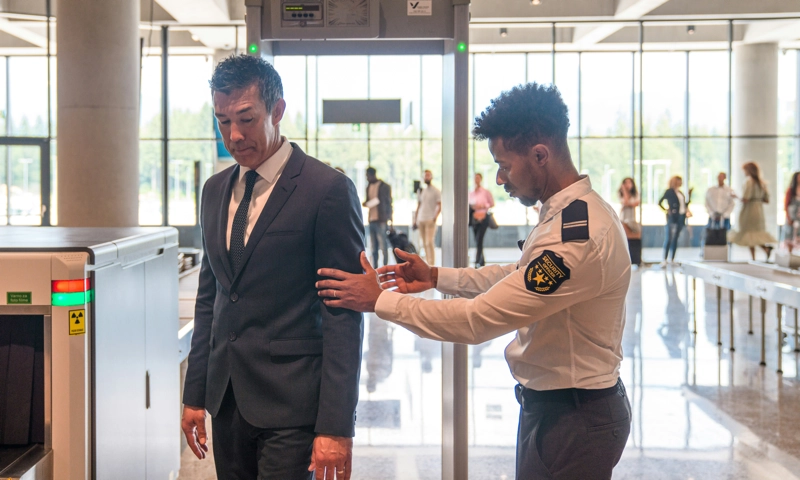 Большинство американских путешественников поддерживают усиление мер безопасности в аэропортах">

Overview of Recent Survey Findings on U.S. Airport Security
A comprehensive survey conducted by U.S. Travel in partnership with Ipsos reveals a widespread dissatisfaction among American travelers regarding the efficiency and effectiveness of airport security in the United States. The results indicate that many view the current screening procedures as cumbersome and outdated compared to those in other nations.
The survey highlights a public call for Congress to consider reallocating funds from the 9/11 Passenger Security Fee, which for several years has been diverted to non-security projects, back toward critical airport security enhancements. Since 2014, about $1.5 billion per year collected from this fee has been used for purposes outside of its original mandate.
Key Concerns and Proposed Improvements
Travelers expressed concerns about U.S. air traffic control systems with nearly two-thirds worried about their current state. Security screening was singled out as a particular pain point, with many deeming the process inefficient.
Voters showed strong support for technological and procedural upgrades, such as keeping shoes on during screening (80% approval), allowing laptops to remain in bags (73% approval), and permitting larger quantities of liquids (86% approval). Additionally, there was notable backing for the introduction and use of biometric technology, especially facial recognition tech boasting accuracy rates above 98%. This technology was favored by over 80% of respondents for both TSA and Customs and Border Protection (CBP) applications, particularly when privacy protections are assured.
Public Demand for Funding Reallocation
The survey results demonstrated a sharp consensus: 89% of respondents believe that every dollar of the 9/11 Security Fee should be fully dedicated to modernizing security technology. Given the anxiety that U.S. airport security lags behind international standards, this reinvestment is seen as the fastest route to meaningful improvement.
Moreover, a large majority supports maintaining salaries for TSA officers and air traffic controllers even during government shutdowns, reflecting the public’s appreciation of front-line security staff roles.
Historical Context of U.S. Airport Security Funding
The 9/11 Passenger Security Fee was originally instituted to enhance the Transportation Security Administration’s ability to secure airports across the country. However, due to budgetary decisions since 2014, a significant portion of these funds has been redirected to other governmental projects not related to security.
This redirection has exposed cracks in airport security infrastructure and technology, contributing to traveler frustration. Upcoming large-scale global events scheduled to take place in the U.S., including America 250, the 2026 FIFA World Cup, and the 2028 Olympic Games, accentuate the urgency of updating security operations and infrastructure to handle increased passenger flow efficiently and safely.
Timeline of Key Developments
| Year | Development |
|---|---|
| 2001 | Establishment of the 9/11 Passenger Security Fee to fund TSA and airport security |
| 2014 | Start of redirection of approximately $1.5 billion annually from security funds to other projects |
| 2023 | Survey reveals growing traveler dissatisfaction and calls to refund fees back to security improvements |
Looking Ahead: Potential Impact on Travel and Tourism
Airport security is a critical gateway point for all travelers, including those engaged in international and domestic boating и яхтинг activities. Efficient security processes can facilitate smoother travel experiences, which indirectly benefits related tourism sectors including coastal and lakeside destinations.
Given the large-scale events on the horizon and the expanding volume of travelers, enhancing airport security infrastructure has multifaceted benefits: reducing wait times, improving traveler confidence, and supporting the tourism economy by setting a positive tone from the moment passengers land in the country.
Перспективы на будущее
- Reinvestment of the 9/11 Passenger Security Fee could accelerate adoption of cutting-edge screening and biometric identification technologies.
- Streamlined screening processes may boost traveler satisfaction, leading to increased willingness to visit diverse destinations nationwide.
- Improvements in air traffic control and airport management will enhance overall travel efficiency, crucial for high-season tourism periods.
Conclusion and Relevance to Marine and Coastal Tourism
As airports are the entry points for millions of travelers arriving for leisure, business, and sporting events, the call for improved security technology and efficient processing is timely and necessary. These improvements can indirectly influence the experience of tourists who later engage in парусный спорт, яхтинговый чартер, and other water-based activities by ensuring smoother arrivals and departures.
The strong public endorsement for modern biometric systems and procedural simplifications reflects a pivotal moment for U.S. airport security policy. Investing properly in these areas could elevate the U.S. travel experience, reassuring visitors and domestic travelers alike.
For travelers planning to embark on coastal adventures, yacht charters, or lakeside retreats, efficient airport processes can reduce travel stress and allow more time for enjoying пристани, beaches, and ocean voyages.
To explore boating, yacht rental, and sailing destinations where smooth travel connections are vital, the international marketplace for renting sailing boats and yachts, GetBoat.com, offers a wealth of diverse options suited to every taste and budget. Its resources help link travelers with opportunities for unforgettable aquatic excursions once they arrive at their destination.