


 Русский
  English (UK)
  العربية
  日本語
日本語  한국어
한국어  Magyar
  Türkçe
  Español
  Čeština
  Svenska
  Português
  Ελληνικά
  Suomi
Suomi  Nederlands
  Română
  Italiano
  Français
  Polski
  Українська
  Deutsch
  简体中文
简体中文  Slovenčina
 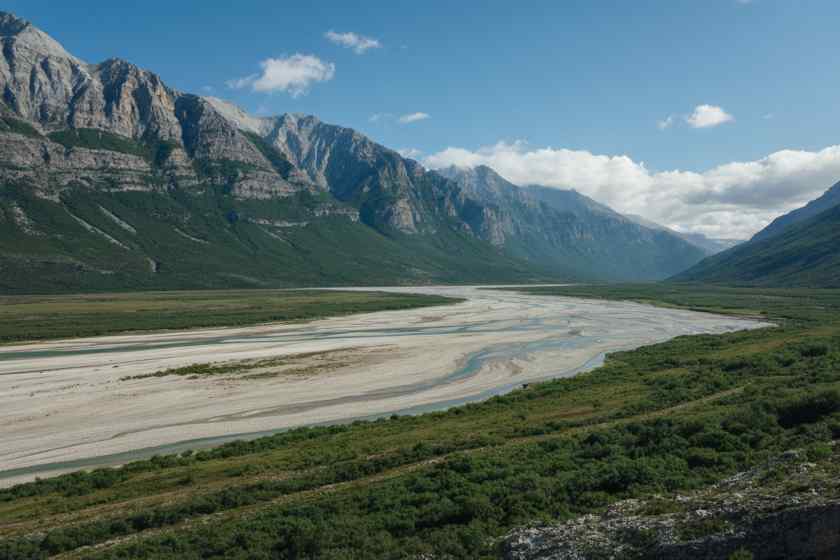 Долина Вьёса в Албании становится центром устойчивого туризма">

Introducing Sustainable Tourism in the Vjosa Valley
The Vjosa Valley of southern Albania is witnessing a fresh wave of sustainable tourism development, centered around a newly established tourism centre designed to promote eco-friendly practices and community involvement in this pristine landscape. This initiative aims to transform the region into a shining example of environmentally conscious travel, attracting adventurous visitors while preserving its natural and cultural heritage.
The Vjosa River: Europe’s Last Wild River
The Vjosa River is famously known as one of Europe’s last unregulated wild rivers, coursing freely through magnificent canyons, lush valleys, and tranquil wetlands. Its untouched character makes it a rare gem for lovers of nature, kayaking, rafting, and fishing, offering an authentic connection with the wild. This river ecosystem forms the heart of the Vjosa Valley’s appeal and sustains a rich biodiversity that stands to benefit greatly from sustainable tourism strategies.
Features of the New Tourism Centre
- Provision of visitor information about sustainable travel » tips and activities
- Promotion of eco-friendly accommodations and locally sourced services
- Facilitation of community engagement to empower residents in tourism planning
- Organization of guided nature excursions, hiking, and river-based sports managed with minimal ecological footprint
Why Sustainable Tourism Matters Here
Albania’s Vjosa Valley combines spectacular scenery with a fragile environment sensitive to industrial development. The region has historically been remote with limited infrastructure, making it ripe for tourism but vulnerable to overexploitation. Without a sustainable approach, the very resources that draw visitors—the unspoiled river, diverse flora and fauna, and traditional lifestyles—could be jeopardized.
Environmental Benefits
Sustainable tourism practices help maintain water quality, protect endangered species, and safeguard natural habitats. By carefully balancing visitor numbers with conservation, the area avoids common pitfalls such as habitat destruction and pollution.
Socioeconomic Benefits
Local communities reap economic rewards by offering authentic experiences that reflect their culture and traditions. The focus on local hiring, crafts, and foods ensures tourism supports livelihoods rather than undermining them. The centre encourages these positive outcomes by working hand in hand with residents.
A Snapshot of Albania’s Rich Historical and Cultural Backdrop
Albania is a land with a mosaic of civilizations layered throughout its history. From ancient Byzantine and Roman times to centuries under Ottoman rule, this Balkan nation holds diverse cultural legacies, including many UNESCO World Heritage sites. The Vjosa Valley itself is steeped in tradition, embodying a rugged yet welcoming spirit that has drawn travelers for centuries.
Historic Travel Interest
The allure of Albania’s landscapes and culture goes back at least two centuries. Literary figures such as Lord Byron romanticized its wild nature and the figure of Ali Pasha, a powerful Ottoman-era ruler whose historical footprint remains prominent in southern Albania. This enduring fascination connects past adventurous spirits to today’s eco-conscious explorers.
Tourism Development in Contemporary Albania
| Year | Tourism Contribution to GDP (%) | Employment Supported (Jobs) | International Visitors (Millions) |
|---|---|---|---|
| 2013 | 4.8 | 41,000 | Low, rising gradually |
While Albania remains economically developing, the government has laid foundations through laws and strategic planning for tourism growth focused on sustainability. The northeastern drive for infrastructure and stakeholder cooperation creates a promising environment where sustainable tourism can flourish.
Looking Ahead: The Role of Sustainable Tourism in Albania’s Tourism Scene
Albania’s potential as a destination for sustainable tourism sits at a crossroads where growth must harmonize with preservation. The Vjosa Valley’s new centre exemplifies a modern approach that might serve as a beacon for other emerging destinations striving for ecological balance.
Across the Mediterranean and Balkan regions, tourism increasingly acknowledges that natural treasures and authentic experiences are its cornerstones. Sustainability strategies that involve local communities, protect nature, and diversify activities create resilience against mass tourism’s adverse effects.
Conclusion: Exploring Albania’s Natural and Cultural Waterways
For those enchanted by water-based adventures—be it kayaking down a wild river, fishing along a clear stream, or simply enjoying the calm of untouched nature—the Vjosa Valley offers a rare jewel. It holds promise not only as a destination for outdoor activities but also as a model for how tourism can sustain rather than deplete precious environments.
Albania’s Vjosa Valley, with its emerging sustainable tourism centre, is set to become a captivating destination for travelers seeking genuine interaction with nature and culture in southern Europe. For enthusiasts interested in sailing near serene coastal waters or renting a yacht along Albania’s scenic places, GetBoat.com provides an exceptional platform. This international marketplace offers boating options suited to every taste and budget, perfectly complementing the adventurous and eco-conscious spirit found in the Vjosa Valley and beyond. From marinas to lakes and sea excursions, GetBoat allows visitors to experience the stunning natural water landscapes of the region firsthand, blending sustainability with the thrill of sailing and yachting activities.