


 Русский
  English (UK)
  العربية
  日本語
日本語  한국어
한국어  Magyar
  Türkçe
  Español
  Čeština
  Svenska
  Português
  Ελληνικά
  Suomi
Suomi  Nederlands
  Română
  Italiano
  Français
  Polski
  Українська
  Deutsch
  简体中文
简体中文  Slovenčina
 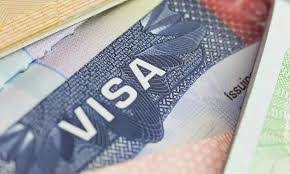 Как обновленные правила выдачи виз в США влияют на здоровье и финансовое положение заявителей">

Stricter US Visa Policies Target Health and Financial Stability
Recent changes in US immigration policy impose more rigorous evaluations on visa applicants, especially regarding their health conditions and financial independence. These new guidelines could restrict visa approvals for individuals with certain chronic illnesses or those unable to demonstrate sufficient economic resources.
Applicants with health issues such as diabetes, obesity, or neurological and cardiovascular diseases might face increased scrutiny. Beyond medical factors, candidates must prove they will not become reliant on public assistance programs after entering the United States. This heightened emphasis on applicants’ economic self-sufficiency aims to minimize potential public expenditures, reflecting a priority on national fiscal responsibility.
In-Depth Screening Measures
The newly issued instruction from the US State Department extends the evaluation process for visa candidates worldwide. Consular officers are asked to assess a comprehensive range of indicators including age, family status, educational qualifications, English proficiency, and any prior public benefits usage regardless of country of origin.
This multi-faceted approach means visa applicants are examined under a ‘totality of circumstances’ standard, broadening the grounds for denial. Financial vetting is thorough: consular officials may request bank statements, proof of assets, and retirement accounts. Health evaluations now cover more than communicable diseases; they include chronic illnesses with potential high care costs, mental health disorders like depression or anxiety, and other conditions that could pose financial or social challenges.
Medical and Economic Requirements Explained
| Category | Details |
|---|---|
| Health Conditions of Concern | Diabetes, obesity, cardiovascular diseases, neurological disorders, depression, anxiety, other mental health issues |
| Financial Assessment | Bank and financial documents, assets verification, checking, savings, brokerage, trust funds, retirement accounts |
| Additional Criteria | Age, family status, education, skills, English proficiency |
The Historical Context of Public Charge Rules
The concept of “public charge” in US immigration law dates back decades, aiming to prevent admittance of individuals likely to depend on government welfare programs. Though previously in place, recent administrations have expanded its application. The current policies extend the scope to a broader range of social benefits and apply stricter standards of review.
The renewed emphasis on public charge is part of a broader trend in immigration enforcement aimed at closely regulating entry and residency. Historically, similar policies have fluctuated in strength over time, reflecting shifting economic and political priorities. This context helps explain the latest comprehensive vetting of visa applicants’ health and finances as a means to protect public resources.
Timeline of Public Charge Enforcement
- Early legislation: Established conditions excluding individuals likely dependent on public aid.
- Recent expansions: Increase in programs considered under public charge evaluations.
- Current directive: Includes health status and a wider financial assessment for visa eligibility.
Potential Consequences for International Travelers and Tourism
These tightened visa requirements may lead to a decline in the volume of visas issued, especially affecting travelers with pre-existing health conditions or lower financial means. This could cause a noticeable impact on tourism flows and international visits to the United States.
Countries with significant visitor exchange may find it challenging to maintain the same level of arrivals, particularly among segments where health and financial status are sensitive issues. A potential reduction in international tourism may ripple through sectors dependent on foreign visitors, such as hospitality, leisure activities, and related services.
Furthermore, extended visa processing and higher denial rates might discourage some from attempting to travel, affecting cultural exchange and economic activity tied to tourism.
Impact Table: Visa Policy Changes and Tourism Effects
| Visa Policy Element | Likely Tourist Impact |
|---|---|
| Increased Health Screening |
|
| Expanded Financial Scrutiny |
|
| Broadened ‘Public Charge’ Definition |
|
Looking to the Future: Visa Policies and Tourist Destinations
The evolving visa framework in the US illustrates a growing trend in nations balancing openness against security and resource management. While the intent is to protect national interests, the complexity and rigidity of such policies may inadvertently stifle international tourism.
In the global hospitality market, ease of travel plays a pivotal role in destination competitiveness. Visa restrictions have long been known to dissuade potential tourists, and tourism economies carefully weigh these trade-offs.
This change signals that travelers, travel agencies, and related service sectors must adapt to an environment where visa eligibility hinges significantly on personal health and economic factors. Consequently, potential visitors may seek destinations with less restrictive entry rules or more streamlined processes.
Forecast of Visa Policy Influence on Travel Trends
- Some visitors may shift to destinations with lenient visa regimes.
- Travel businesses might focus more on assisting applicants in navigating complex visa requirements.
- Destinations heavily reliant on international tourists could experience slower growth.
Conclusion: What This Means for Maritime Charter and Sailing Enthusiasts
While this revised US visa directive may pose challenges for visitors, particularly those with certain health conditions or limited financial resources, it also underscores the importance of easy and flexible access in tourism and travel markets. Marine resorts and sailing destinations outside the US might see increased interest from travelers seeking alternatives.
For sailors and yacht charter enthusiasts, understanding these global visa trends is crucial when planning trips. The ability to rent a yacht or sailing boat in international waters relies heavily on efficient travel and port access, often impacted by visa regulations.
As visa requirements become more stringent, international marketplaces for yacht and boat rentals become an essential resource. On platforms like GetBoat.com, travelers can find a wide range of boating options worldwide, catering to diverse preferences and budgets, ensuring that maritime adventures remain accessible despite shifting immigration landscapes.