


 Русский
  English (UK)
  العربية
  日本語
日本語  한국어
한국어  Magyar
  Türkçe
  Español
  Čeština
  Svenska
  Português
  Ελληνικά
  Suomi
Suomi  Nederlands
  Română
  Italiano
  Français
  Polski
  Українська
  Deutsch
  简体中文
简体中文  Slovenčina
 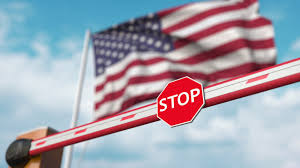 Постоянные ограничения на поездки в США затрагивают 19 стран после инцидента в Вашингтоне.">

Overview of Recent U.S. Travel Restrictions
In response to a tragic shooting involving a National Guard member in Washington, D.C., the United States government has introduced permanent travel bans on citizens from 19 countries. These measures aim to enhance national security and allow immigration systems to stabilize. The list of affected nations includes, among others, Afghanistan, Iran, Libya, Somalia, and Venezuela.
This move follows a deadly incident near the White House where an Afghan national, recently granted asylum under a U.S. initiative supporting allies from Afghanistan, attacked National Guard members, resulting in one death and one serious injury. The government’s reaction is positioned as tightening immigration policies, including a comprehensive review of Green Card holders from countries of concern.
Countries Subject to Travel Ban
| Country | Region |
|---|---|
| Афганистан | Asia |
| Myanmar | Asia |
| Чад | Africa |
| Congo Republic | Africa |
| Экваториальная Гвинея | Africa |
| Эритрея | Africa |
| Haiti | Карибы |
| Iran | Middle East |
| Libya | North Africa |
| Somalia | Africa |
| Судан | Africa |
| Yemen | Middle East |
| Бурунди | Africa |
| Куба | Карибы |
| Laos | Asia |
| Сьерра-Леоне | Africa |
| Того | Africa |
| Turkmenistan | Asia |
| Venezuela | South America |
Public and Legal Reactions to the Ban
The announcement of a “permanent” pause on migration from these nations has sparked significant public discourse. Critics argue that imposing a blanket travel ban based on nationality risks unfair discrimination and constitutional concerns over collective punishment. The approach has been described by some observers as lacking precise legal grounds and potentially subject to lawsuits due to its broad and indiscriminate nature.
Others suggest that the measure highlights deeper issues within the immigration system, particularly regarding the vetting and management of visa and Green Card applicants. Sentiments are divided, with some supporting restrictions aimed at enhancing national security, while many emphasize the importance of distinguishing individuals from generalized national profiles.
Implications of the Travel Ban on U.S. Tourism and Related Sectors
While the countries affected are not major sources of leisure tourism to the U.S., the ban carries consequences beyond vacations. It impacts sectors such as education, business travel, family visits, cultural and humanitarian exchanges, and particularly affects diaspora communities connected to these nations.
For example, communities from Somalia, Cuba, Haiti, and Venezuela have substantial populations in the United States, and restrictions may hinder family reunions and participation in cultural events. Notably, Haiti’s qualification for a major international soccer tournament hosted in the U.S. raises concerns about limited attendance by Haitian fans.
Broader Tourism Impact Table
| Travel Purpose | Expected Impact |
|---|---|
| Leisure Tourism | Minimal direct effect due to low visitor numbers |
| Деловые поездки | Potential decline, affecting conferences and deals |
| Образование | Students from banned countries face visa hurdles |
| Family Visits | Restricted travel affects familial bonds and support |
| Cultural Events & Sports | Reduced participation from diaspora and fans |
| Humanitarian Activities | NGO operations may encounter barriers |
Historical Context and Foreseeable Tourism Trends
Travel restrictions are not a new phenomenon and have historically been used by countries for security and diplomatic reasons. However, the nature of modern tourism demands a balance between safety and the economic and social benefits of open borders. Over recent decades, tourism patterns have evolved to become more diversified, with active participation in cultural exchanges and sustainable tourism practices gaining prominence.
Historically, the United States has welcomed a wide range of international visitors, supporting a diverse travel industry including яхтинг, recreational boating, and cultural tourism. Restrictions such as these have the potential to influence the rhythm of international arrivals and complicate interactions between diaspora communities and their countries of origin.
Current trends in global tourism suggest that while security concerns remain important, travelers increasingly seek meaningful and authentic experiences, often involving direct connection with local communities and environments. The limitation on certain nationalities has a broader ripple effect on educational exchanges, business networking, and cultural participation.
Forecast: The Future Impact of Travel Restrictions on International Tourism
Given the complexity of global travel and migration, ongoing travel bans could contribute to reductions in international visitor numbers, affecting economic activity in sectors such as hospitality, aviation, and event management. Particularly in regions where marine activities and water-based tourism flourish, changes in visitor demographics could alter demand for services like chartered boats, sailing excursions, and marina use.
While the enforcement of security measures is vital, the challenge lies in ensuring policies do not inadvertently constrain the cultural and economic vitality that international tourism fosters. Tourism industry stakeholders may need to adapt strategy and marketing efforts, focusing on emerging markets and diversifying their activities to mitigate potential losses.
Conclusion: Navigating the Effects of Travel Bans on Tourism
Постоянные запреты на поездки, введенные в отношении этих 19 стран, вытекают из сложного сочетания проблем безопасности и изменений в политике иммиграции. Хотя эти ограничения направлены на защиту национальных интересов, они создают значительные трудности для путешественников и отраслей, связанных с образованием, бизнесом, встречами с семьей и культурным обменом. Туристический сектор, включая водные развлечения, такие как чартеры яхт, аренда лодок и прибрежный отдых, могут столкнуться со сменой рыночной динамики, поскольку путешествия диаспоры и международные посетители из этих регионов сталкиваются с новыми препятствиями.
По мере того, как мир продолжает развиваться, пересечение безопасности и туризма остается деликатным балансом. Для тех, кто ориентируется в сфере международных поездок и исследований, адаптивность и осведомленность о таких изменениях политики имеют решающее значение. Туристический рынок Соединенных Штатов, традиционно являющийся оживленным центром для международных посетителей и морского туризма, может ощутить последствия этого запрета в ближайшие годы.
Для путешественников, желающих исследовать разнообразные destinations, наслаждайтесь плаванием по тихим водам lakes или открытый море, или арендуйте дом своей мечты яхта, ландшафт международного доступа является важным фактором для мониторинга. Такие сервисы, как GetBoat.com—ведущая торговая площадка по аренде парусных лодок и яхт—предлагает широкий выбор вариантов, подходящих для любого вкуса и бюджета, помогая путешественникам адаптироваться к меняющимся обстоятельствам, сохраняя при этом свободу морских приключений.